Ethical Alternatives to Laura Mercier
Laura Mercier is a prestige cosmetics brand best known for its complexion products and artist-inspired ethos. While it has some sustainability initiatives and a cruelty-free commitment through its parent company, it lacks broad third-party certifications and provides limited transparency on sourcing and labor practices.
Categories compared: Beauty & Personal Care
Why shoppers look for alternatives to Laura Mercier
- No third-party certifications (e.g., Leaping Bunny, B Corp, Fair Trade) to verify ethical claims.
- Sells in mainland China, where post-market animal testing may be required despite a no-animal-testing policy for finished products.
- Limited public transparency on ingredient sourcing, labor practices, and supply chain audits.
- Parent company structure makes it difficult to independently verify cruelty-free or vegan commitments.
Top-scoring alternatives to Laura Mercier
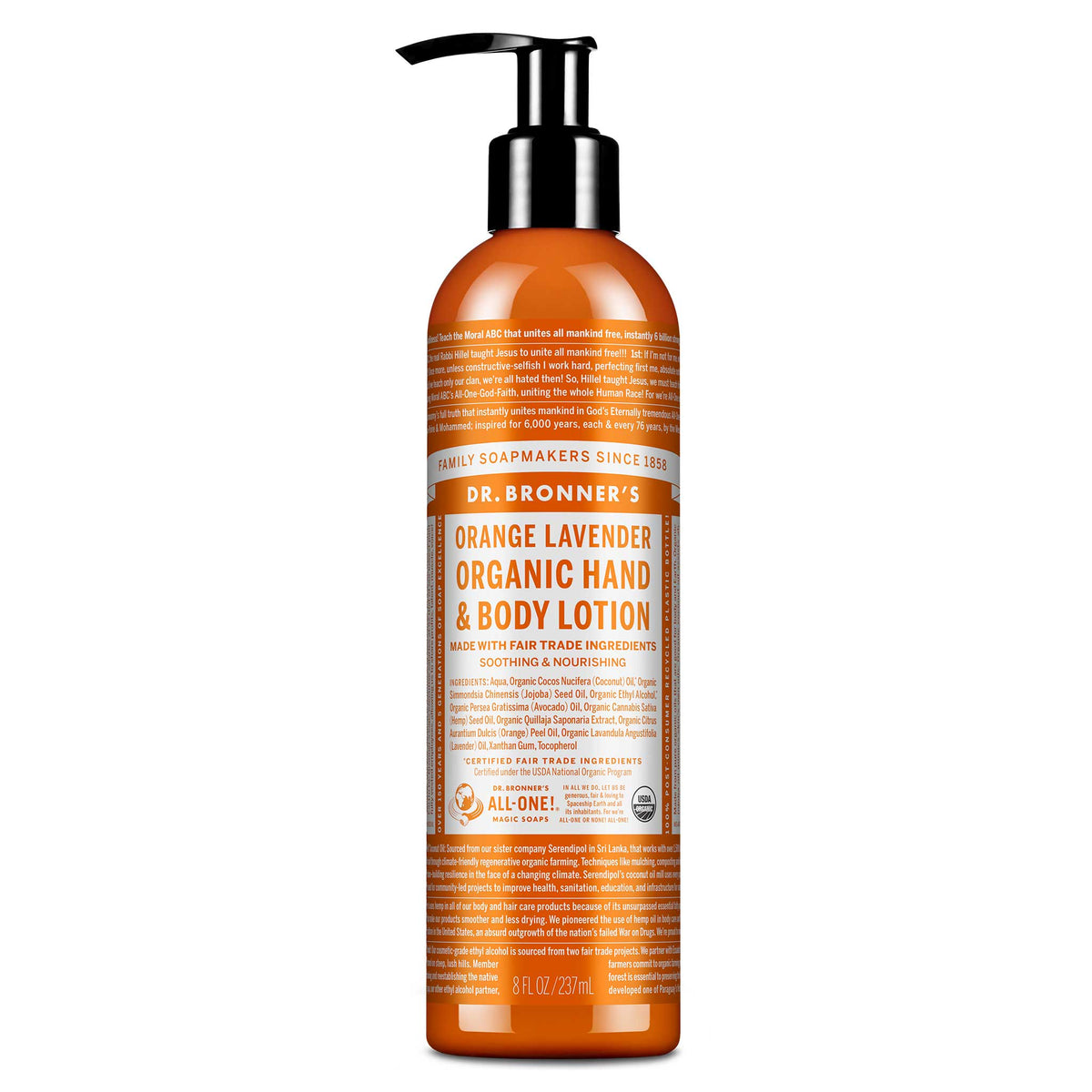
A highly ethical, multi-use lotion crafted with organic oils and fair trade ingredients, setting the industry standard for supply chain transparency and regenerative agriculture.
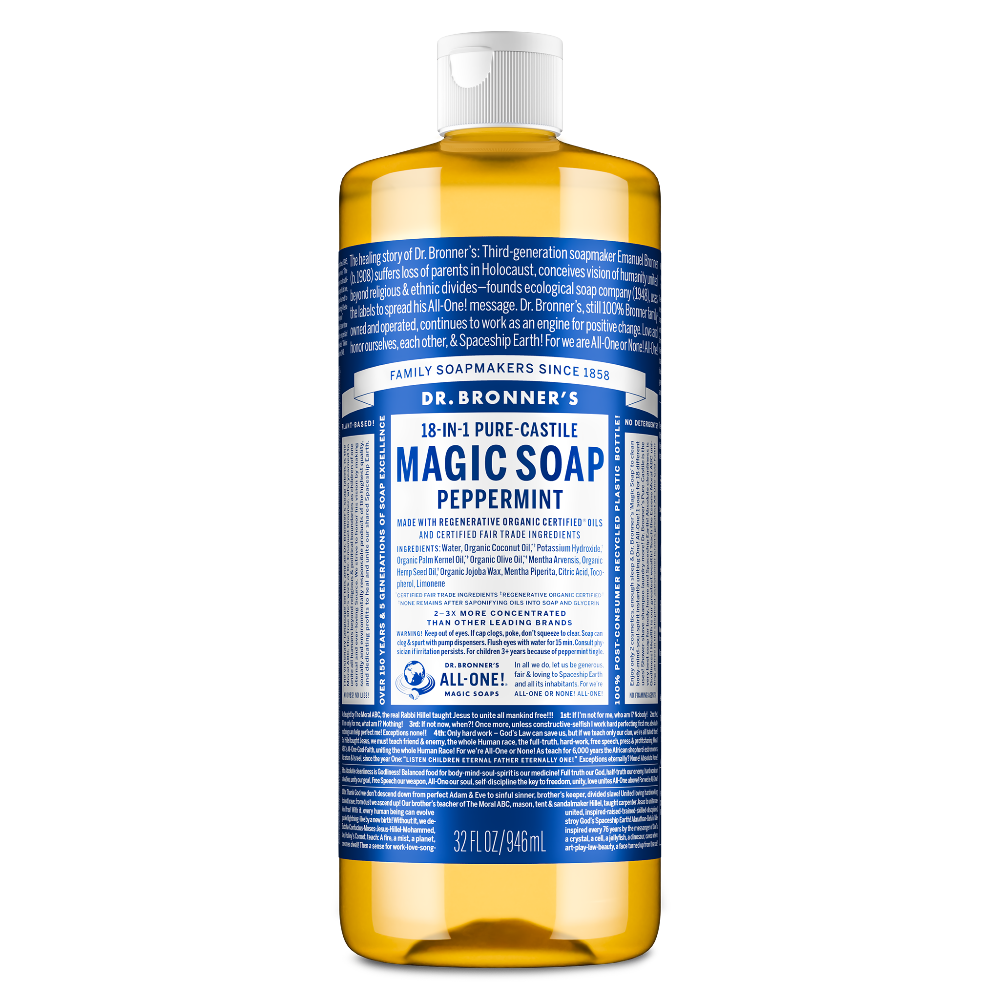
The gold standard of ethical cleaning. A highly concentrated, multi-surface liquid soap made from organic oils and fair trade ingredients in 100% PCR packaging.

The gold standard of ethical soaps, featuring regenerative organic palm oil and a legacy of fair-trade advocacy and radical transparency.

A zero-waste, plastic-free solid shampoo bar that replaces three plastic bottles, featuring fair-trade ingredients and a focus on water conservation.

A mass-market accessible body wash that funds community empowerment projects in Togo, West Africa, using fair-trade unrefined shea butter.

A zero-waste, plastic-free body cleanser bar that replaces three bottles of liquid soap and uses regenerative fair-trade ingredients.
A zero-waste, plastic-free shampoo bar equivalent to three bottles of liquid shampoo, utilizing fair-trade cocoa butter and peppermint oil.

The ultimate multi-tasker for minimalist hosts; one bottle can wash hands, body, hair, and even dishes.

A zero-waste, plastic-free solution for hair and body, specifically curated for the minimalist traveler looking to bypass liquid restrictions.
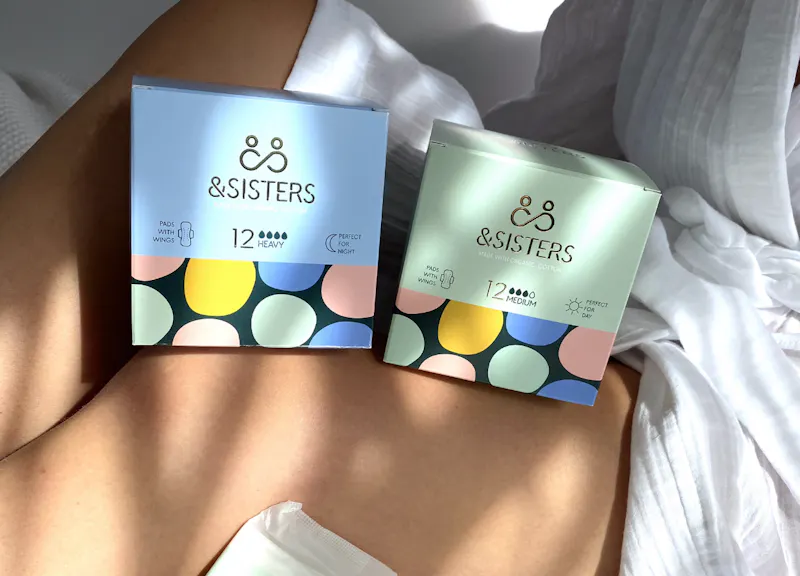
A UK-based, women-owned B Corp offering the highest ethical standard in menstrual care. This bulk 'Sisterhood' bundle features GOTS organic cotton tampons and pads with RSPO-segregated inputs, ensuring zero deforestation.

A high-potency, carbon-extracted rosehip oil designed specifically for sensitive skin, backed by rigorous B Corp standards and organic agricultural sourcing.
A plastic-free, highly concentrated shampoo bar that replaces three plastic bottles, featuring fair-trade ingredients and carbon-neutral shipping.
What Laura Mercier is rated on
Laura Mercier’s ethical profile is mixed. The brand claims no animal testing on finished products, but its presence in mainland China means post-market animal testing may still occur. It has no third-party certifications such as Leaping Bunny, PETA Beauty Without Bunnies, or B Corp. The brand offers some sustainability initiatives (e.g., packaging reductions, recyclable materials), but lacks comprehensive transparency about ingredient origins, labor conditions, or factory audits. Its ownership under a larger conglomerate further complicates independent verification.
How the alternatives were picked
We curated this list using publicly available data from certification bodies, brand websites, and independent audits. Each alternative must: (1) hold at least one widely recognized third-party certification (Leaping Bunny, COSMOS, B Corp, or similar), (2) provide clear, accessible information on sourcing and labor practices, and (3) avoid selling in markets that require animal testing by law (i.e., no official sales in mainland China). We prioritized brands with comparable complexion product ranges—foundation, concealer, tinted moisturizer, and setting powder—so you can make a direct swap.
What to check on the label
When evaluating a makeup brand’s ethics, look for these key indicators on packaging or the brand’s website: Cruelty-free certifications—Leaping Bunny or PETA’s Beauty Without Bunnies logo means no animal testing at any stage. Vegan certification (e.g., Vegan Action or Vegan Society) if you avoid animal-derived ingredients like carmine, lanolin, or beeswax. Sourcing transparency—brands that list specific suppliers, mica traceability programs, or fair trade partnerships score higher on labor ethics. Packaging sustainability—priority goes to brands using post-consumer recycled (PCR) materials, minimal plastic, or refill systems. Parent company policy—check if the parent company tests on animals or sells in China, as this can override the brand’s own claims. For example, a brand that says “no animal testing” but is owned by a conglomerate that does test could be less reliable without independent certification.
Frequently asked about Laura Mercier alternatives
Does Laura Mercier test on animals?+
Laura Mercier states it does not test finished products on animals. However, because it sells in mainland China, post-market animal testing—required by Chinese regulations for imported cosmetics—may occur. The brand holds no third-party cruelty-free certification.
What certifications does Laura Mercier have?+
As of public records, Laura Mercier holds no third-party certifications for cruelty-free, vegan, organic, or fair trade. Its ethical claims are self-reported and not independently verified.
Are there CF and vegan alternatives to Laura Mercier’s Tinted Moisturizer?+
Yes. Brands like ILIA (Leaping Bunny, B Corp) and Kosas (Leaping Bunny, mostly vegan) offer cream-based SPF tints with similar finish and shade ranges. Both avoid selling in mainland China and provide transparent ingredient sourcing.
How can I verify if a brand truly avoids animal testing?+
Look for the Leaping Bunny or PETA Beauty Without Bunnies logo on packaging or the ‘Our Standards’ page. Also check if the brand’s parent company—or any subsidiary—sells in China or conducts animal testing. Independent audits and certification are more reliable than brand-only statements.