Ethical Alternatives to Lenor
Lenor, a fabric softener brand owned by Procter & Gamble (P&G), is widely available but raises ethical concerns for shoppers focused on animal testing, plastic waste, and certification transparency. This page highlights alternative products that offer clearer ethical credentials without compromising on performance.
Categories compared: Home & Cleaning
Why shoppers look for alternatives to Lenor
- Parent company P&G conducts animal testing where required by law, including in mainland China where Lenor is sold, conflicting with cruelty-free consumer values.
- Lenor packaging uses How2Recycle and Forest Stewardship Council certification for some materials, but still contributes to significant single-use plastic waste overall.
- Limited third-party certifications (e.g., no Leaping Bunny, Vegan, or B Corp certifications) make it difficult to independently verify ethical claims.
- Lenor’s sustainability pledges, while public, lack the rigorous oversight of certified alternative brands that publish full ingredient and supply chain transparency.
Top-scoring alternatives to Lenor

The gold standard for multi-purpose ethical cleaning, featuring organic oils and fair trade sourcing in a post-consumer recycled bottle.

The gold standard of ethical cleaning; a multi-use, highly concentrated liquid soap made with organic oils and fair trade ingredients.
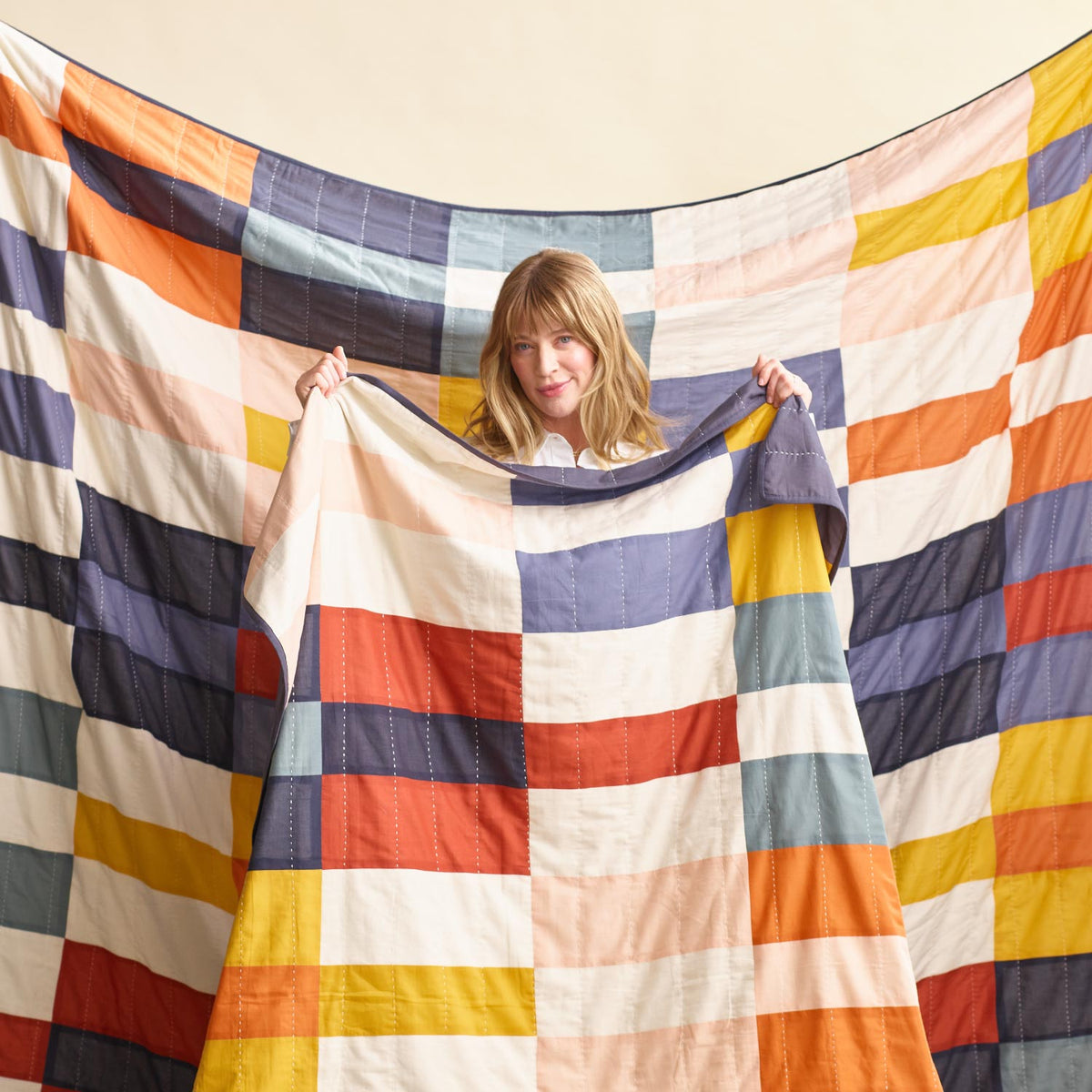
A stunning, artisan-made throw that supports women’s empowerment in India while utilizing 100% plant-based, organic fibers.

The ultimate paper-towel alternative, these OEKO-TEX certified cloths use just water to clean, removing 99% of bacteria and leaving a streak-free finish on all glass surfaces.

A gold standard in ethical manufacturing, this concentrated multi-surface cleaner uses regenerative organic oils and fair trade sourcing to provide a zero-waste, non-toxic solution for every room in the home.

An artisanal floor care solution handcrafted in Bolgatanga, Ghana, featuring naturally antimicrobial vetiver root for deep cleaning and holistic aromatherapy.

A traditional, cold-process dish soap bar handmade in the UK/EU border regions, offering a high-sudsing, plastic-free alternative to liquid soaps for the eco-conscious kitchen.

A premium, heirloom-quality home cleaning bundle from one of the oldest soap makers in Marseille. This set features traditional Savon de Marseille formulated with single-origin French olive oil.

A high-performance, plastic-free travel kit featuring concentrated laundry soap and an all-purpose cleaner stick, perfect for eco-conscious teens on the go.

A premium, high-GSM organic cotton bundle featuring heavy-duty tea towels and dish cloths, ethically manufactured through a transparent Egyptian-to-Eastern European supply chain.

An innovative, plastic-free cleaning system utilizing effervescent tablets and reusable glass-and-silicone bottles to eliminate single-use waste.

Attitude
Cradle-to-Cradle Gold Certified Bathroom & Tub Cleaner – Eucalyptus & Rosemary (32 oz Glass Bottle)
$$A premium, non-toxic bathroom cleaner that holds the rare Cradle to Cradle Gold certification, using plant-based surfactants and naturally derived fragrances, with packaging made from 100% post-consumer recycled ocean-bound plastic.
What Lenor is rated on
Lenor is rated on its parent company’s animal testing policy, packaging sustainability, and third-party certifications. While P&G has pledged to reduce plastic and improve recyclability (some packaging holds How2Recycle and FSC certifications), it continues to test on animals where legally required—including in China, where Lenor is sold. The brand avoids major human rights or controversy scandals, but for ethically conscious shoppers, the lack of cruelty-free certification and high plastic footprint are significant drawbacks.
How the alternatives were picked
Alternatives were selected based on three criteria: a clear, published animal testing policy (preferably Leaping Bunny or PETA-certified), packaging that minimizes virgin plastic (refill options, concentrated formulas, or plastic-free formats), and verifiable third-party certifications (such as B Corp, Vegan, or EcoCert). We only included brands that are widely available in similar retail channels and price points as Lenor, making the switch practical for everyday shoppers.
What to check on the label
When switching from Lenor, look for these label features: a cruelty-free certification logo (Leaping Bunny or PETA’s Beauty Without Bunnies), a vegan certification if you avoid animal-derived ingredients, and a How2Recycle or Forest Stewardship Council mark indicating recyclable or sustainably sourced packaging. Check if the brand offers concentrated formulas or refill pouches which reduce plastic waste. Avoid vague terms like “not tested on animals” without a third-party certification—ask the brand directly or check their policy online.
How to judge a suggested brand alternative
An alternatives page is a starting shortlist, not proof that one brand is universally better than another. The suggestions come from our catalogue: published products in a similar category with a recorded ethics score. They answer a narrow question — which products we list might fit the same need — and they cannot tell you which option performs best, suits your skin or diet, or matches your budget.
Match the job before the score
Start with what the original product does for you: format, size, scent, skin or dietary requirements and where you buy it. A higher-scoring alternative is not useful if it comes in a format you cannot use or is not sold where you shop. Check the alternative's full record — purpose, ingredients, price and seller — before treating it as a replacement.
Compare evidence, not impressions
Read certifications at their stated scope: a scheme may cover one range, one material or a named entity rather than a whole brand. An animal-free ingredient list and an animal-testing policy are separate questions, and a parent company's record is a third. Where a claim matters to you, confirm it in the scheme's own directory or the manufacturer's current statement rather than relying on a badge alone.
Keep the limits of the comparison visible
Catalogue scores are AI-assisted assessments with documented limitations, not laboratory measurements. A missing score is a data gap, not a failing grade. The original brand's presence here reflects what our records contain, which may omit reformulations, regional differences or newer certifications. For health, safety or recall concerns, use official sources rather than any score.
| Check | Where to confirm it | Avoid assuming |
|---|---|---|
| Does the alternative do the same job? | Its full product record and the maker's current description | A similar category means a like-for-like replacement |
| Is a claimed certification current? | The certification scheme's official directory | A badge covers the whole brand or group |
| Is it actually available to you? | The retailer's current listing, price and delivery | A catalogue price tier is a live quote |
Frequently asked about Lenor alternatives
Does Lenor test on animals?+
Yes, P&G, the parent company, tests on animals where required by law, including in mainland China where Lenor is sold. They do not hold a Leaping Bunny or PETA cruelty-free certification.
Is Lenor packaging recyclable?+
Some Lenor packaging carries How2Recycle and Forest Stewardship Council certifications, but a significant portion of its bottles are still single-use plastic. Recyclability depends on local facilities and the specific product format.
What certifications does Lenor have?+
Lenor has How2Recycle (for recyclability guidance) and Forest Stewardship Council (for some paper packaging). It does not have Leaping Bunny, Vegan, or B Corp certifications.
Are there fabric softeners that are cruelty-free and eco-friendly?+
Yes, several brands offer Leaping Bunny-certified formulas and plastic-free or concentrated alternatives, such as Ecover, Method, and Dropps. Always check labels for third-party verification.