Ethical Alternatives to Lindt
Lindt is a premium Swiss chocolate brand known for its smooth texture and traceable bean sourcing, but it lacks third-party certifications like Fairtrade or Rainforest Alliance on its core products. For shoppers seeking certified ethical chocolate, several alternatives offer stronger environmental and social guarantees.
Categories compared: Food & Nutrition, Gifts & Seasonal
Why shoppers look for alternatives to Lindt
- No third-party certifications: Lindt has no Fairtrade, Rainforest Alliance, or UTZ certification on its chocolate products, leaving supply chain claims unverified.
- No published cruelty-free policy: While no evidence of animal testing exists, the brand has not formally aligned with the Leaping Bunny or PETA cruelty-free programs.
- Cocoa sustainability gaps: Despite traceability initiatives, Lindt's own reports show ongoing challenges with child labor risks and farmer income gaps in West African supply chains.
- Limited transparency on ingredients: The brand does not disclose all direct supplier farms or publish public certification audits for its entire product range.
Top-scoring alternatives to Lindt

A gold-standard example of regenerative agriculture, these oats go beyond organic by actively restoring soil health and ensuring fair wages for farmers in a vertically integrated supply chain.

The gold standard for ethical food production, this coconut oil uses regenerative organic practices and fair trade labor to set a benchmark for corporate responsibility.

A premium gift set of dark chocolate bars that redefine ethical sourcing through regenerative organic farming and fair trade wages.
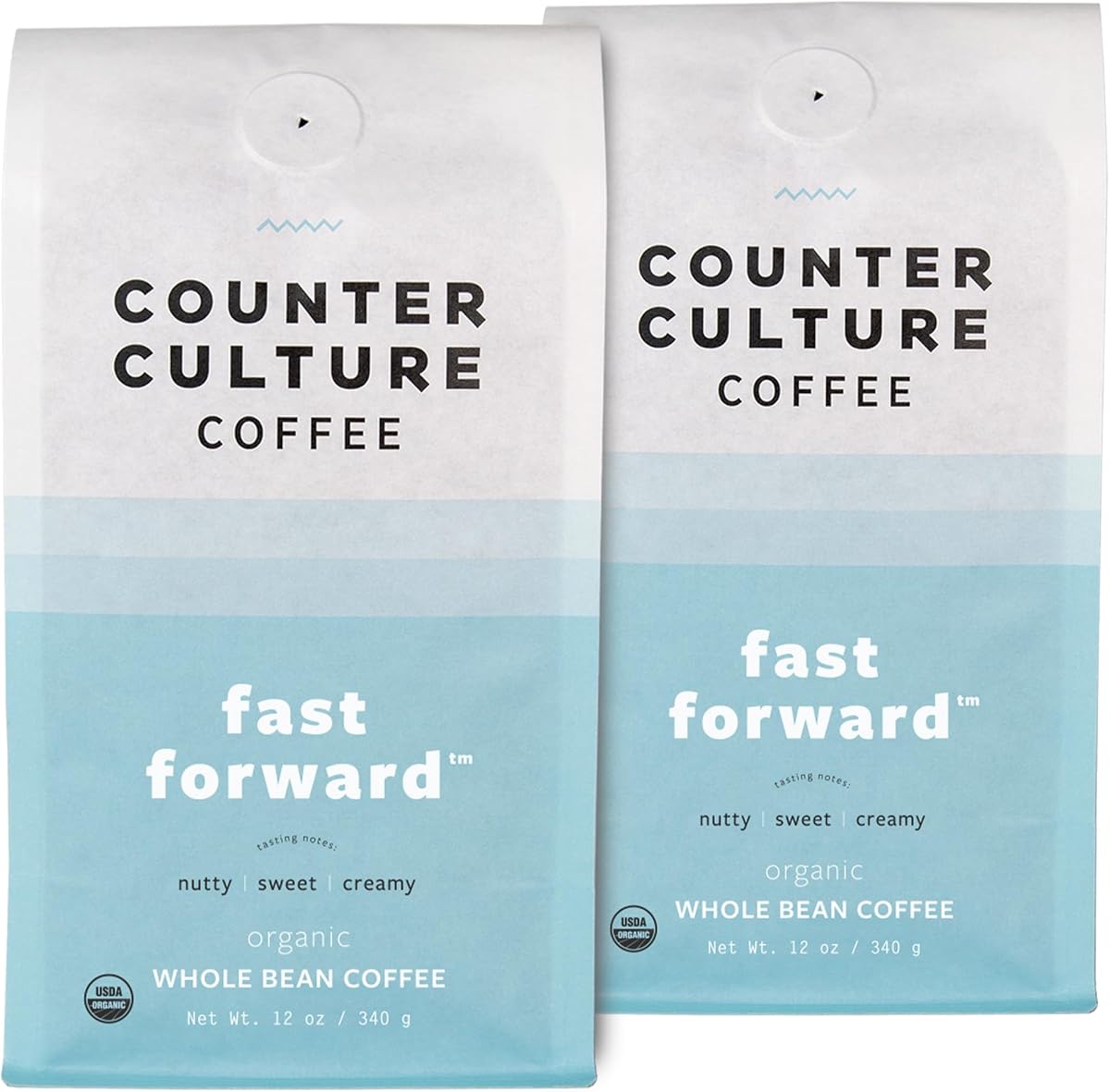
A 100% farmer-owned coffee cooperative that bypasses traditional middlemen to ensure maximum profits return to the growers.

A zero-waste bathroom essential hand-crafted by women's cooperatives, perfect for exfoliating and extending the life of soap.

Handcrafted by women artisans in Ghana, these cold-processed soaps use wild-harvested shea butter. A zero-waste, high-impact gift for a major milestone.

The gold standard in ethical soap, these travel-sized bottles are perfect for wellness pros on the go, featuring 100% PCR packaging and fair-trade ingredients.

The gold standard in baby food, offering Demeter-certified biodynamic ingredients that exceed organic standards for soil health and purity.

A gold standard in ethical confectionery, combining fair-pay labor practices with regenerative cocoa farming that restores biodiversity in the Ivory Coast and Ghana.

A gold-standard breakfast staple sourced from family-owned farms in Montana using regenerative practices that actively sequester carbon and restore soil health.

Arguably the most ethical coconut oil on the market, sourced from 'Serendipol' in Sri Lanka using regenerative practices that revitalize soil and support a fair-trade community.
A gold standard in ethical confectionery, using regenerative farming to combat climate change while ensuring living wages for cocoa farmers.
What Lindt is rated on
Lindt & Sprüngli scores moderately on ethical shopping indexes. It has a traceable cocoa bean program (Lindt & Sprüngli Farming Program) and reports against some sustainability indicators. However, its absence of third-party certifications (no Fairtrade, Rainforest Alliance, or Organic labels on most products) means shoppers cannot independently verify its ethical claims. The brand sells across China and does not formally oppose animal testing in a published policy, though no evidence of animal testing in chocolate production exists.
How the alternatives were picked
We selected alternatives that meet at least two of these criteria: (1) certified Fairtrade, Rainforest Alliance, or B Corp, (2) published cruelty-free or vegan policy, (3) direct-trade cocoa sourcing with known farmer premiums, and (4) full ingredient transparency. All alternatives listed below are available in the same price bracket as Lindt and are widely recognized in online ethical shopping communities.
What to check on the label
When shopping for ethical chocolate, look for these labels on the package:
- Fairtrade Certified – ensures farmers receive a minimum price and additional premium for community projects.
- Rainforest Alliance Certified – indicates biodiversity protection and better working conditions.
- USDA Organic – prohibits synthetic pesticides and fertilizers.
- Leaping Bunny or PETA Cruelty-Free – signals no animal testing in finished products or ingredients.
- Direct Trade – often implies higher farmer payments, though not a formal certification.
Some recommended alternatives: Tony’s Chocolonely (Fairtrade, slave-free mission), Divine Chocolate (farmer-owned, Fairtrade), and Alter Eco (organic, Fairtrade, carbon-neutral).
Frequently asked about Lindt alternatives
Does Lindt test on animals?+
There is no public evidence that Lindt tests finished chocolate products on animals. However, the brand has not issued a formal cruelty-free statement or sought certification from Leaping Bunny or PETA, so the policy remains unverified.
Why doesn’t Lindt have Fairtrade certification?+
Lindt operates its own Lindt & Sprüngli Farming Program, which it claims improves traceability and farmer training. However, this program is not independently audited by Fairtrade International, and Lindt has not applied for third-party certification for its mainstream products.
Are there any fully certified ethical chocolates at the same price point as Lindt?+
Yes. Tony’s Chocolonely (Fairtrade) and Divine Chocolate (farmer-owned, Fairtrade) are typically sold at comparable premium prices. Both offer third-party certifications that Lindt lacks.
Does Lindt source cocoa from West Africa?+
Yes, Lindt sources a significant portion of its cocoa from Ghana and Côte d’Ivoire. Its annual progress reports acknowledge ongoing risks of child labor and deforestation, which is why many ethical shoppers prefer certified alternatives.