Ethical Alternatives to Lion
Lion, a global food and beverage brand under Kirin Holdings, is known for sustainability commitments and certifications like Rainforest Alliance and Australian Certified Organic. However, it lacks third-party certifications common in ethical product comparisons, and its dairy range uses animal-derived ingredients.
Categories compared: Food & Nutrition
Why shoppers look for alternatives to Lion
- No third-party certifications for fair labor or animal welfare (e.g., Fair Trade, B Corp, Certified Humane).
- Dairy range uses animal-derived ingredients, raising ethical concerns for vegans and those avoiding animal products.
- Limited transparency on supply chain beyond ISO 14001 and HACCP; lacks independent audits for ethical sourcing.
- Parent company Kirin Holdings has a mixed record on environmental activism, with some controversies around water usage.
Top-scoring alternatives to Lion

A gold-standard example of regenerative agriculture, these oats go beyond organic by actively restoring soil health and ensuring fair wages for farmers in a vertically integrated supply chain.

The gold standard for ethical food production, this coconut oil uses regenerative organic practices and fair trade labor to set a benchmark for corporate responsibility.
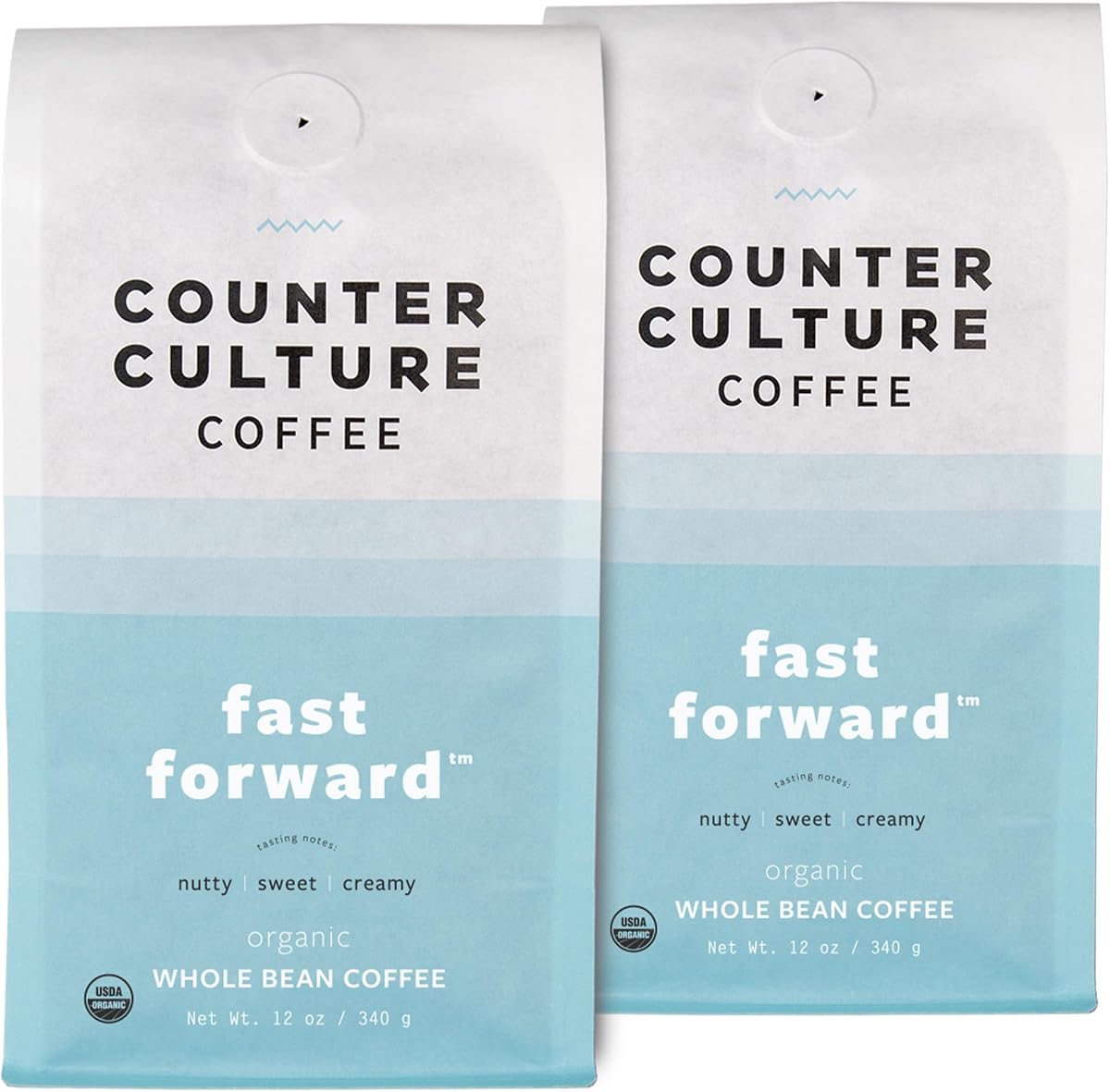
A 100% farmer-owned coffee cooperative that bypasses traditional middlemen to ensure maximum profits return to the growers.
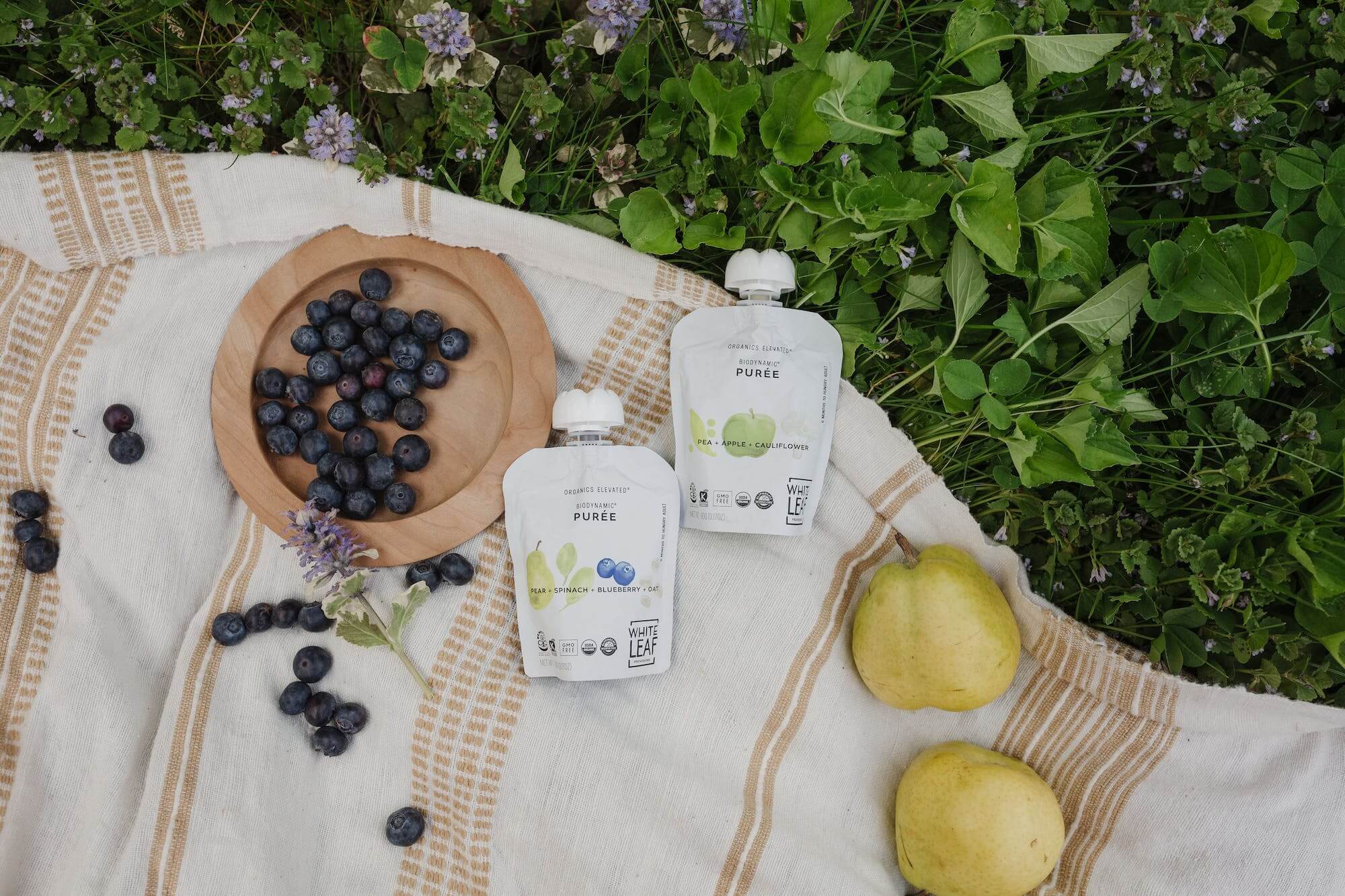
The gold standard in baby food, offering Demeter-certified biodynamic ingredients that exceed organic standards for soil health and purity.

A gold standard in ethical confectionery, combining fair-pay labor practices with regenerative cocoa farming that restores biodiversity in the Ivory Coast and Ghana.

A gold-standard breakfast staple sourced from family-owned farms in Montana using regenerative practices that actively sequester carbon and restore soil health.

Arguably the most ethical coconut oil on the market, sourced from 'Serendipol' in Sri Lanka using regenerative practices that revitalize soil and support a fair-trade community.
A gold standard in ethical confectionery, using regenerative farming to combat climate change while ensuring living wages for cocoa farmers.

A 100% farmer-owned cooperative coffee brand that bypasses middlemen to ensure maximum profits return to the growers.
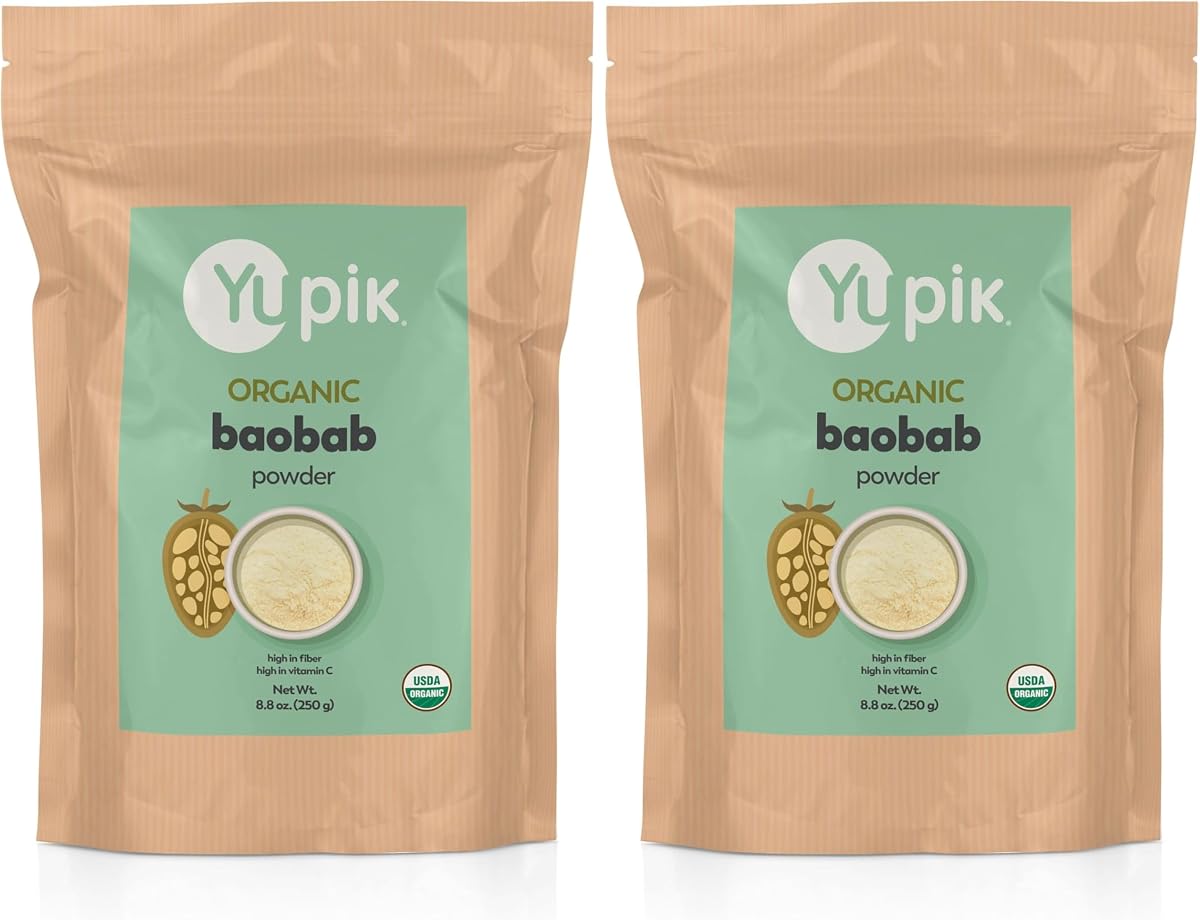
A nutrient-dense African superfood powder ethically harvested by women's cooperatives in Upper East Ghana, providing a massive vitamin C boost.

Exquisite heirloom Malagasy cocoa produced entirely at the source in Madagascar. This professional-grade bulk trunk supports direct-trade and lemur habitat conservation.

A gold standard in ethical food production, this virgin coconut oil is sourced from regenerative organic palms in Sri Lanka, ensuring soil health and fair wages.
What Lion is rated on
Lion earns points for its certifications: Australian Certified Organic (ACO) for select products, Rainforest Alliance Certified for some coffee and tea lines, and quality management standards like HACCP and ISO 14001. The brand does not test on animals (its products are food and beverages, not cosmetics). However, it does not hold common ethical certifications such as Fair Trade, B Corp, Certified Vegan, or Certified Humane. Its dairy range relies on animal-derived ingredients, which may concern shoppers seeking plant-based or cruelty-free options. Overall, Lion scores moderately on environmental metrics but falls short on social and animal welfare transparency.
How the alternatives were picked
We selected alternatives that hold independent, third-party certifications for ethical practices in at least two of these areas: fair labor, environmental stewardship, animal welfare, or vegan standards. Each alternative must compete directly in the same Food & Nutrition category as Lion and offer comparable product types (e.g., dairy, beverages, snacks). We prioritized brands with public audit trails and certifications like Fair Trade Certified, B Corp, Certified Organic (USDA or Australian), and Certified Vegan. The list excludes brands owned by conglomerates with known ethical controversies.
What to check on the label
When comparing foods and beverages, look for these labels: Fair Trade Certified (ensures farmer wages and community investment), Certified Vegan (no animal ingredients or testing), USDA Organic or Australian Certified Organic (no synthetic pesticides or GMOs), B Corp (overall social and environmental performance), and Rainforest Alliance Certified (protects biodiversity and worker rights). For dairy alternatives, check for Certified Humane or Animal Welfare Approved if animal products are acceptable. Avoid brands that list vague terms like 'natural' without third-party verification.
Frequently asked about Lion alternatives
Does Lion test on animals?+
No, Lion produces food and beverages, not cosmetics, so it does not conduct animal testing. However, its dairy products contain animal-derived ingredients, which may not suit vegan or animal-welfare-focused shoppers.
What certifications does Lion actually hold?+
Lion has Australian Certified Organic (ACO) for some products, Rainforest Alliance Certified for select coffee/tea, plus HACCP and ISO 14001 for quality and environmental management. It does not hold Fair Trade, B Corp, or Certified Vegan certifications.
Are there dairy-free alternatives to Lion milk products?+
Yes, many plant-based milk brands (e.g., Oatly, So Good, Vitasoy) offer Fair Trade or organic options. Check for 'Certified Vegan' labels to avoid animal-derived ingredients entirely.
Why should I switch from Lion if I care about workers' rights?+
Lion lacks Fair Trade or similar certifications that ensure fair wages and safe working conditions in its supply chain. Alternatives with Fair Trade or B Corp certification provide audit-backed worker protections.