Ethical Alternatives to lo & sons
Lo & Sons is a New York-based accessories brand known for its minimalist, durable travel bags. The brand uses eco-friendly materials and holds certifications like Global Recycled Standard, PETA Approved, and OEKO-TEX Standard 100, but shoppers may seek alternatives for reasons such as price, availability, or specific ethical priorities.
Categories compared: Travel & Luggage, Fashion & Apparel, Jewelry & Accessories
Why shoppers look for alternatives to lo & sons
- Lo & Sons sells in mainland China, which may raise concerns for shoppers prioritizing local or regional production.
- The brand offers limited vegan options beyond nylon and recycled polyester; some shoppers may prefer more plant-based or innovative materials.
- Lo & Sons' price point is mid-to-high, potentially excluding budget-conscious ethical shoppers.
- Despite strong certifications, the brand has not disclosed full supply chain transparency or living wage data.
Top-scoring alternatives to lo & sons

A premium, biodegradable beanie made from seed-to-garment organic cotton under strict fair trade conditions.

A rugged, stylish wash bag made from recycled denim and organic cotton, designed for a circular economy by the world's leading sustainable denim brand.

A rugged, carbon-neutral backpack made from Fairtrade-certified organic cotton canvas, designed to eliminate plastic waste from the accessories industry.

An exquisite, one-of-a-kind quilted jacket handmade by a women's cooperative in West Bengal, utilizing 100% upcycled silk and cotton vintage saris.
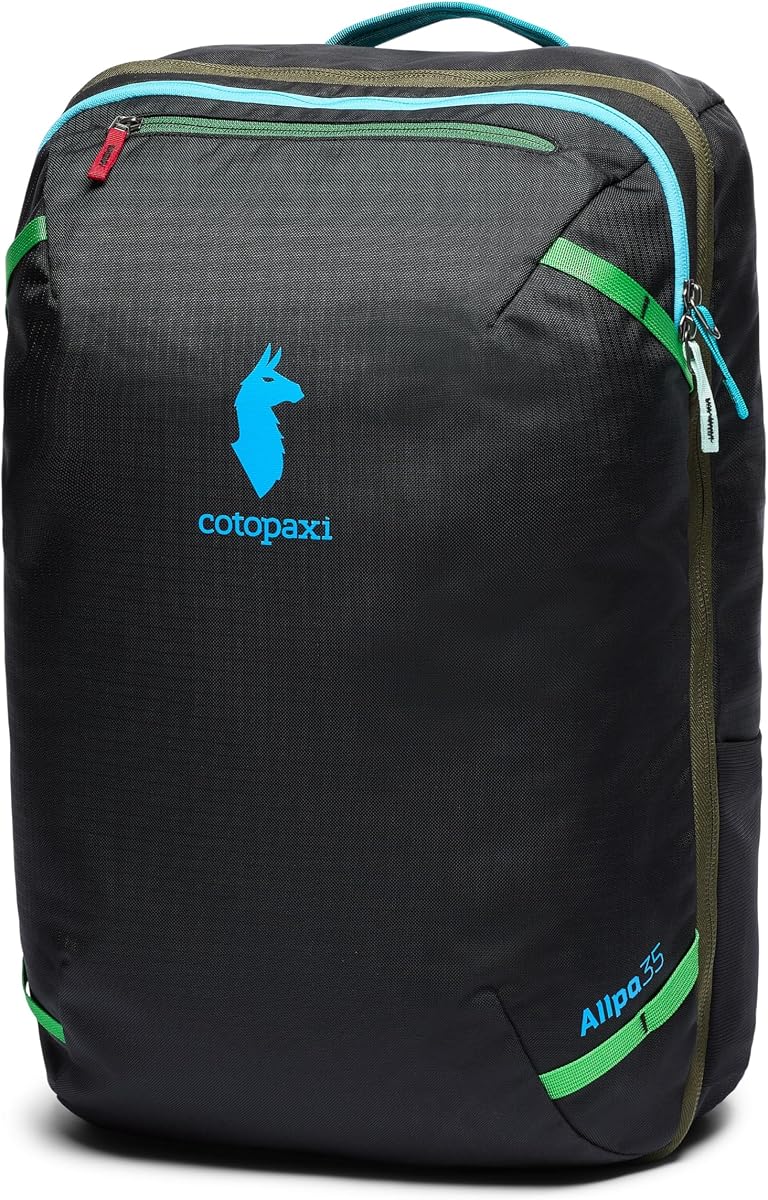
A one-of-a-kind travel pack made entirely from remnant fabric, ensuring no two bags are alike while keeping high-quality materials out of landfills.

A fully compostable and vegan watch strap made from apple waste and bio-polymers, offering a sustainable alternative to animal leather and silicone.
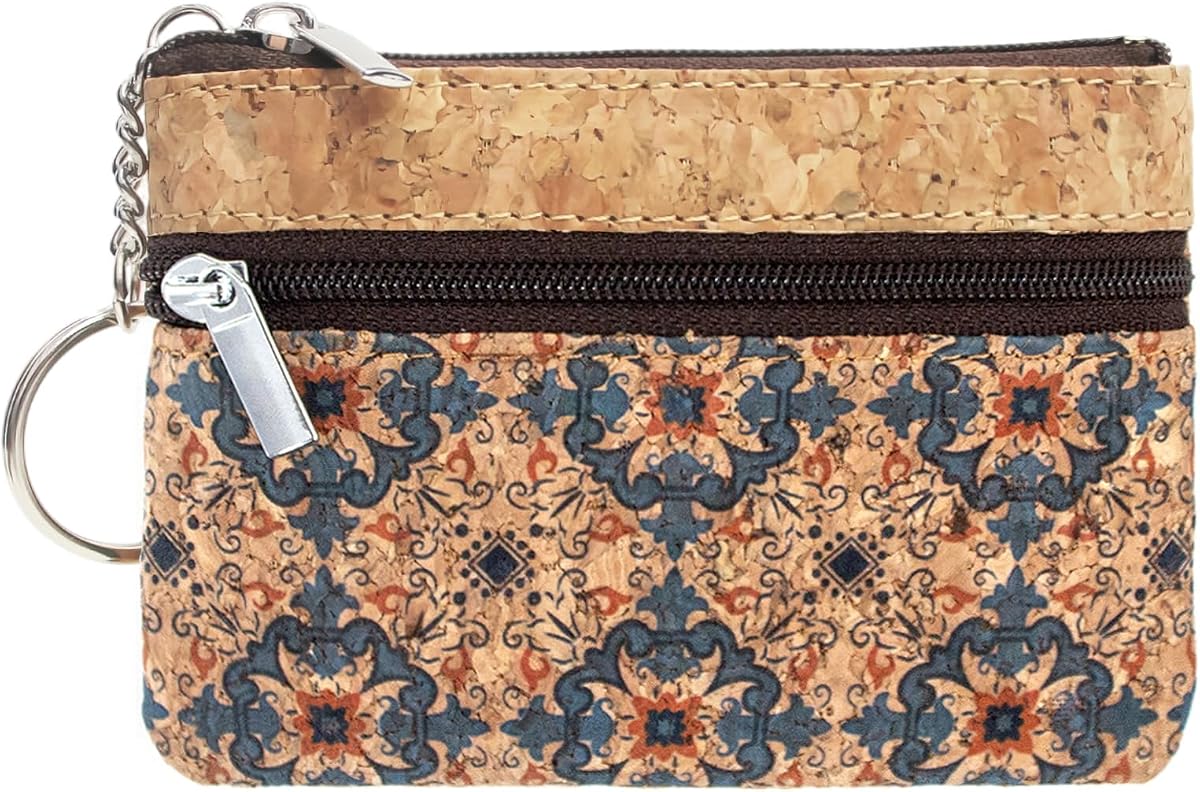
A handcrafted, water-resistant coin pouch made from sustainably harvested Portuguese cork—a farm-to-fashion staple.

A carbon-neutral, TSA-friendly travel staple made from recycled materials and Tencel, designed in Biarritz for maximum versatility.
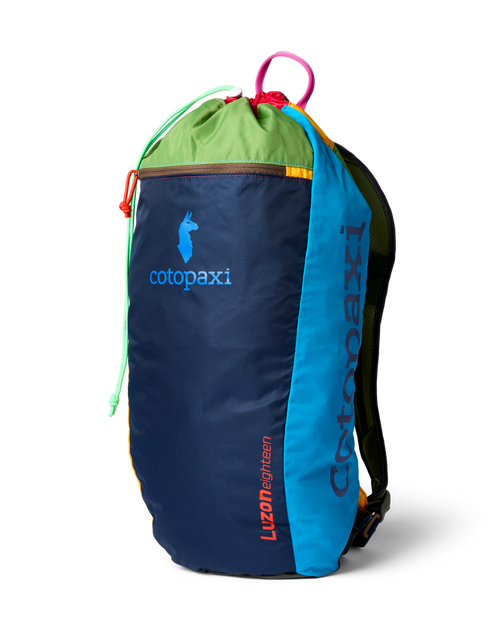
A colorful, highly sustainable backpack made from 100% remnant fabric, ensuring no two bags are exactly alike while keeping waste out of landfills.
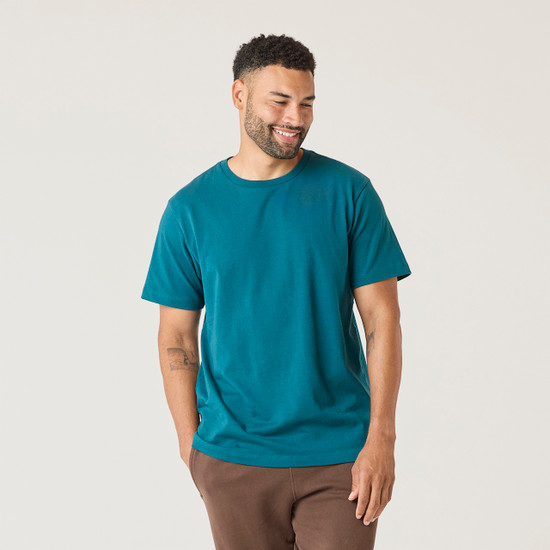
A gold-standard ethical staple. This tee is crafted from GOTS-certified organic cotton through a transparent supply chain that supports small-scale farmers in Peru.

A premium, ethically sourced Pima cotton t-shirt that supports fair wages and education in Peru. Highly durable and fully biodegradable.

A rugged, travel-ready backpack built by a certified B Corp known for their 'Gear for Good' mission and rigorous fair labor standards.
What Lo & Sons is rated on
Lo & Sons holds several third-party certifications that verify its ethical claims: Global Recycled Standard (GRS) for use of recycled materials, PETA Approved for vegan and cruelty-free products, and OEKO-TEX Standard 100 for absence of harmful chemicals. The brand does not test on animals and requires suppliers to comply with cruelty-free standards. Its travel bags and accessories are made from durable, sustainable materials like recycled nylon and polyester, and it offers vegan options. However, the brand does not publicly disclose factory locations or labor practices beyond these certifications.
How the alternatives were picked
The alternatives listed below were selected based on independent research into brands that compete in the travel luggage, fashion apparel, and accessories categories. Each alternative provides comparable or superior ethical credentials in areas where Lo & Sons may have gaps—such as full supply chain transparency, use of organic or plant-based materials, fair trade practices, or lower price points. We prioritized brands with certifications like Fair Trade Certified, B Corp, or GOTS, and those that offer clear animal welfare policies and plastic-free packaging.
What to check on the label
When evaluating an alternative to Lo & Sons, look for these specific labels and certifications: Global Recycled Standard (GRS) ensures recycled content and responsible processing. OEKO-TEX Standard 100 verifies no harmful chemicals. PETA Approved or Leaping Bunny confirms cruelty-free and vegan status. For further transparency, check for Fair Trade Certified (social and economic fairness) or B Corp (overall social and environmental impact). Also review the material composition—prefer organic cotton, hemp, recycled polyesters, or plant-based leathers over conventional synthetics. Finally, confirm the brand’s animal testing policy (should be none) and whether they sell in regions with weak animal welfare laws (e.g., mainland China).
How to judge a suggested brand alternative
An alternatives page is a starting shortlist, not proof that one brand is universally better than another. The suggestions come from our catalogue: published products in a similar category with a recorded ethics score. They answer a narrow question — which products we list might fit the same need — and they cannot tell you which option performs best, suits your skin or diet, or matches your budget.

Match the job before the score
Start with what the original product does for you: format, size, scent, skin or dietary requirements and where you buy it. A higher-scoring alternative is not useful if it comes in a format you cannot use or is not sold where you shop. Check the alternative's full record — purpose, ingredients, price and seller — before treating it as a replacement.
Compare evidence, not impressions
Read certifications at their stated scope: a scheme may cover one range, one material or a named entity rather than a whole brand. An animal-free ingredient list and an animal-testing policy are separate questions, and a parent company's record is a third. Where a claim matters to you, confirm it in the scheme's own directory or the manufacturer's current statement rather than relying on a badge alone.
Keep the limits of the comparison visible
Catalogue scores are AI-assisted assessments with documented limitations, not laboratory measurements. A missing score is a data gap, not a failing grade. The original brand's presence here reflects what our records contain, which may omit reformulations, regional differences or newer certifications. For health, safety or recall concerns, use official sources rather than any score.
| Check | Where to confirm it | Avoid assuming |
|---|---|---|
| Does the alternative do the same job? | Its full product record and the maker's current description | A similar category means a like-for-like replacement |
| Is a claimed certification current? | The certification scheme's official directory | A badge covers the whole brand or group |
| Is it actually available to you? | The retailer's current listing, price and delivery | A catalogue price tier is a live quote |
Frequently asked about lo & sons alternatives
Does Lo & Sons test on animals?+
No. Lo & Sons does not test on animals and requires its suppliers to comply with cruelty-free standards, as confirmed by its PETA Approved certification.
What materials does Lo & Sons use that are eco-friendly?+
The brand uses recycled nylon and recycled polyester certified by the Global Recycled Standard. Its products also meet OEKO-TEX Standard 100 for chemical safety.
What are common reasons shoppers look for alternatives to Lo & Sons?+
Shoppers may seek alternatives due to the brand's sale in mainland China (raising supply chain concerns), higher price point, limited vegan material choices, or lack of public living wage data.
Which certifications should I look for in an ethical alternative to Lo & Sons?+
Look for Global Recycled Standard (GRS), OEKO-TEX Standard 100, PETA Approved or Leaping Bunny, Fair Trade Certified, and B Corp status for comprehensive ethical assurance.