Ethical Alternatives to Luvs
Luvs is a value-focused disposable diaper brand owned by Procter & Gamble, marketed primarily for affordability and leak protection. It does not carry any third-party ethical or sustainability certifications, and its parent company performs animal testing where legally required, including in China.
Categories compared: Baby & Kids, Beauty & Personal Care, Health & Wellness
Why shoppers look for alternatives to Luvs
- No third-party certifications: Luvs holds no cruelty-free, vegan, or eco-labels, making it difficult to verify ethical claims.
- Animal testing exposure: P&G conducts animal testing on products where required by law (e.g., China), and Luvs does not seek cruelty-free certification.
- Lack of sustainable materials: Luvs diapers are not marketed as biodegradable, chlorine-free, or made from plant-based materials, unlike many competitors.
- China sales: Luvs is sold in mainland China, where post-market animal testing is legally mandated for imported cosmetics and some personal care items.
Top-scoring alternatives to Luvs
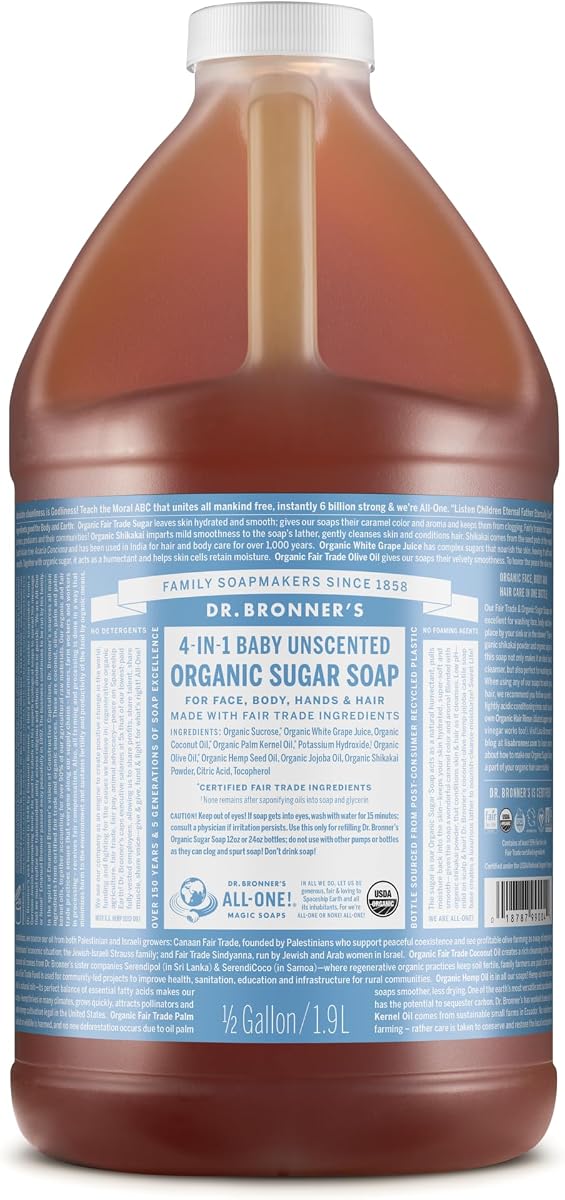
A multi-use, fair-trade organic soap that is gentle enough for pets yet effective at removing grime and odors.

The gold standard for ethical personal and pet care. Dr. Bronner’s Peppermint Pure-Castile Soap is biodegradable, fair trade, and highly concentrated for multi-purpose use.

A fluoride-free, 70% organic toothpaste that leads the industry in fair trade sourcing and activist corporate governance.

A legendary multi-use soap that is widely recommended by groomers for pets due to its organic, fair-trade ingredients and complete lack of synthetic detergents.

The ultimate multi-tasker for minimalist hosts; one bottle can wash hands, body, hair, and even dishes.
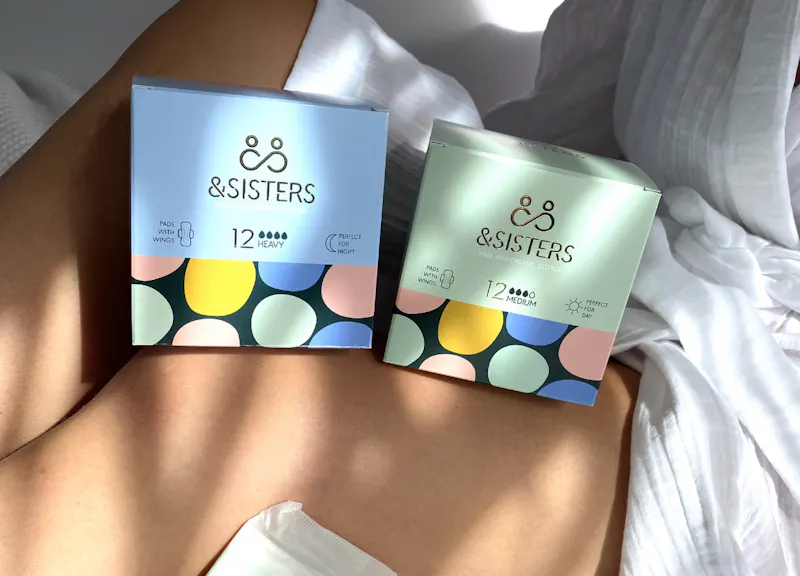
A UK-based, women-owned B Corp offering the highest ethical standard in menstrual care. This bulk 'Sisterhood' bundle features GOTS organic cotton tampons and pads with RSPO-segregated inputs, ensuring zero deforestation.

The gold standard of ethical soaps, featuring regenerative organic palm oil and a legacy of fair-trade advocacy and radical transparency.

The first and only baby brand to be Gold Seal Fair Trade certified, Under the Nile offers exceptionally soft Egyptian cotton towels made in a sustainable community in Egypt.

A sustainable, carbon-neutral dollhouse made from reclaimed rubberwood and non-toxic PlanWood.

A 100% natural rubber pacifier that is completely plant-based, plastic-free, and compostable, meeting the highest circularity standards.

A hand-crafted, raw wellness balm produced by women’s cooperatives in Ghana, ideal for gluten-free skin nutrition and head-to-toe hydration.
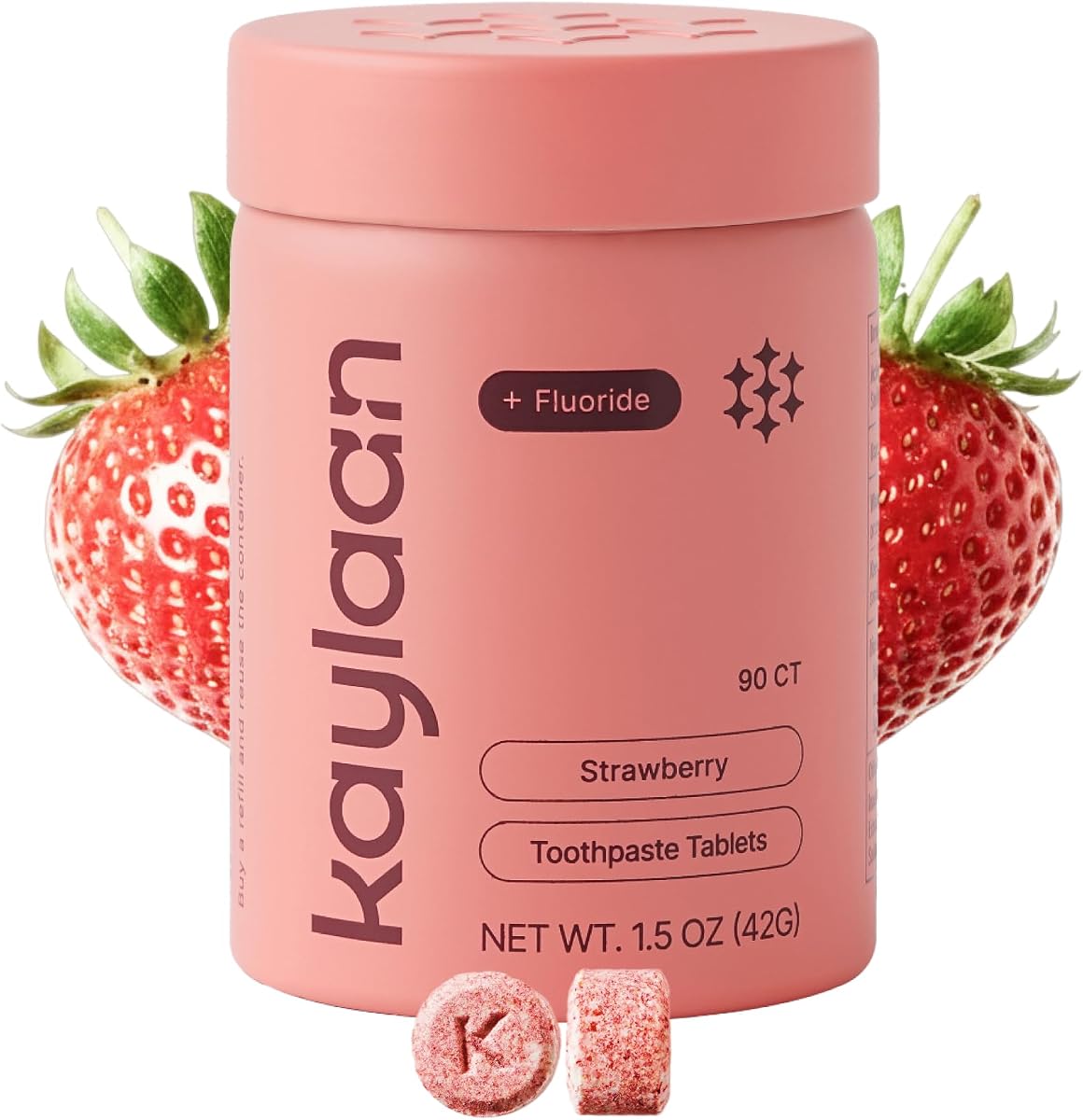
A zero-waste oral care system consisting of fluoride-free tablets in a refillable glass jar, featuring ingredients sourced from ethical Eastern European partners.
What Luvs is rated on
Luvs is a budget diaper brand that competes mainly on price and leak protection. However, on ethical shopping criteria, it scores poorly. The brand has no certifications from recognized bodies such as Leaping Bunny, PETA’s Beauty Without Bunnies, FSC, or Oeko-Tex. Its parent company, Procter & Gamble, does not maintain a blanket ban on animal testing and only avoids it where not legally required. Luvs does not market itself as vegan, chlorine-free, or biodegradable. It is also sold in China, where animal testing is mandatory for certain product categories.
How the alternatives were picked
We selected alternatives that meet at least two of the following criteria: certified cruelty-free by a recognized program (Leaping Bunny or PETA), made with sustainable or plant-based materials, free from chlorine bleaching and fragrances, or produced by certified B Corporations. All alternatives listed here do not sell in mainland China or have confirmed non-animal-testing policies for all markets. We also prioritized brands with transparent supply chains and third-party environmental certifications.
What to check on the label
When comparing ethical diapers, look for the Leaping Bunny or PETA’s cruelty-free bunny logos to ensure no animal testing at any stage. For biodegradability, check for TÜV OK Compost or BPI certifications. Chlorine-free bleaching is often indicated by the terms “Totally Chlorine Free (TCF)” or “Elemental Chlorine Free (ECF).” Plant-based materials like bamboo or sugarcane should be listed on the packaging. Avoid brands that sell in China unless they explicitly confirm they use non-animal methods to meet local regulations.
How to judge a suggested brand alternative
An alternatives page is a starting shortlist, not proof that one brand is universally better than another. The suggestions come from our catalogue: published products in a similar category with a recorded ethics score. They answer a narrow question — which products we list might fit the same need — and they cannot tell you which option performs best, suits your skin or diet, or matches your budget.
Match the job before the score
Start with what the original product does for you: format, size, scent, skin or dietary requirements and where you buy it. A higher-scoring alternative is not useful if it comes in a format you cannot use or is not sold where you shop. Check the alternative's full record — purpose, ingredients, price and seller — before treating it as a replacement.
Compare evidence, not impressions
Read certifications at their stated scope: a scheme may cover one range, one material or a named entity rather than a whole brand. An animal-free ingredient list and an animal-testing policy are separate questions, and a parent company's record is a third. Where a claim matters to you, confirm it in the scheme's own directory or the manufacturer's current statement rather than relying on a badge alone.
Keep the limits of the comparison visible
Catalogue scores are AI-assisted assessments with documented limitations, not laboratory measurements. A missing score is a data gap, not a failing grade. The original brand's presence here reflects what our records contain, which may omit reformulations, regional differences or newer certifications. For health, safety or recall concerns, use official sources rather than any score.
| Check | Where to confirm it | Avoid assuming |
|---|---|---|
| Does the alternative do the same job? | Its full product record and the maker's current description | A similar category means a like-for-like replacement |
| Is a claimed certification current? | The certification scheme's official directory | A badge covers the whole brand or group |
| Is it actually available to you? | The retailer's current listing, price and delivery | A catalogue price tier is a live quote |
Frequently asked about Luvs alternatives
Is Luvs cruelty-free?+
No. Luvs does not carry any cruelty-free certification. Its parent company, Procter & Gamble, conducts animal testing when required by law, such as in China where Luvs is sold.
Does Luvs use sustainable materials?+
No. Luvs diapers are not marketed as biodegradable, chlorine-free, or made from renewable plant-based fibers. They rely on conventional plastic absorbents and bleaching methods.
Why does selling in China matter for animal testing?+
China’s regulations require imported cosmetics and some personal care products to undergo post-market animal testing. While diapers are not always included, P&G’s presence in China with Luvs raises ethical concerns because the company has not committed to avoiding animal testing globally.
What certifications should I look for in an ethical diaper?+
Look for Leaping Bunny or PETA cruelty-free logos, FSC or PEFC for sustainable sourcing, TÜV OK Compost or BPI for compostability, and Oeko-Tex Standard 100 for absence of harmful chemicals.