Ethical Alternatives to Matchmakers
Matchmakers is an independent UK fashion and lifestyle brand that uses organic, vegan materials and promotes transparent supply chains. However, it lacks formal ethical certifications and has no publicly stated animal-testing policy, which may leave some shoppers seeking more verified alternatives.
Categories compared: Fashion & Apparel, Beauty & Personal Care, Jewelry & Accessories
Why shoppers look for alternatives to Matchmakers
- No formal certifications (e.g., B Corp, Fairtrade, Leaping Bunny) to independently verify ethical claims.
- Animal-testing policy is unknown — no public statement on whether ingredients or finished products are tested on animals.
- Limited third-party verification of supply chain transparency compared to certified competitors.
- Shoppers who rely on certifications for confidence may find Matchmakers' lack of them insufficient.
- No evidence of specific ingredient or material standards beyond organic and vegan claims.
Top-scoring alternatives to Matchmakers

A zero-waste, plastic-free solid shampoo bar that replaces three plastic bottles, featuring fair-trade ingredients and a focus on water conservation.

A premium, biodegradable beanie made from seed-to-garment organic cotton under strict fair trade conditions.

A powerful statement piece made from recycled Vietnam War-era bombs and shrapnel, supporting demining efforts and artisan livelihoods in Laos.

A mass-market accessible body wash that funds community empowerment projects in Togo, West Africa, using fair-trade unrefined shea butter.

A zero-waste, plastic-free body cleanser bar that replaces three bottles of liquid soap and uses regenerative fair-trade ingredients.

The ultimate multi-tasker for minimalist hosts; one bottle can wash hands, body, hair, and even dishes.

A zero-waste, plastic-free solution for hair and body, specifically curated for the minimalist traveler looking to bypass liquid restrictions.
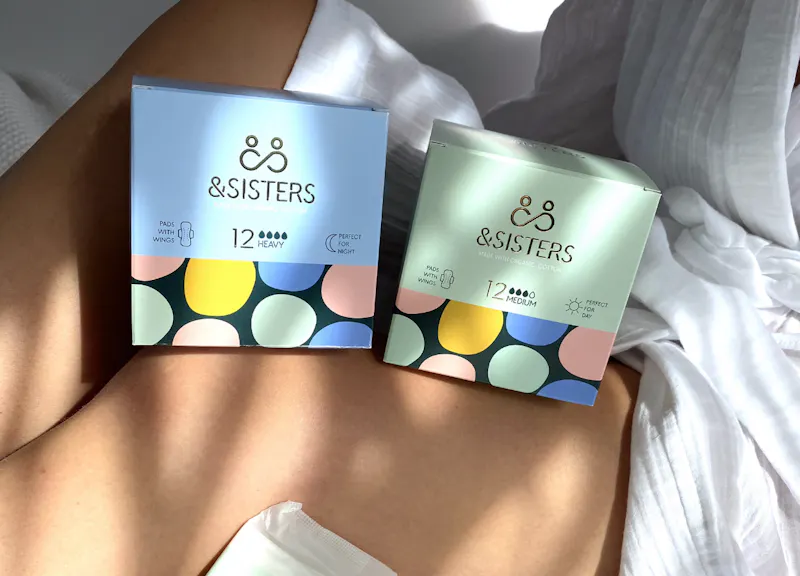
A UK-based, women-owned B Corp offering the highest ethical standard in menstrual care. This bulk 'Sisterhood' bundle features GOTS organic cotton tampons and pads with RSPO-segregated inputs, ensuring zero deforestation.
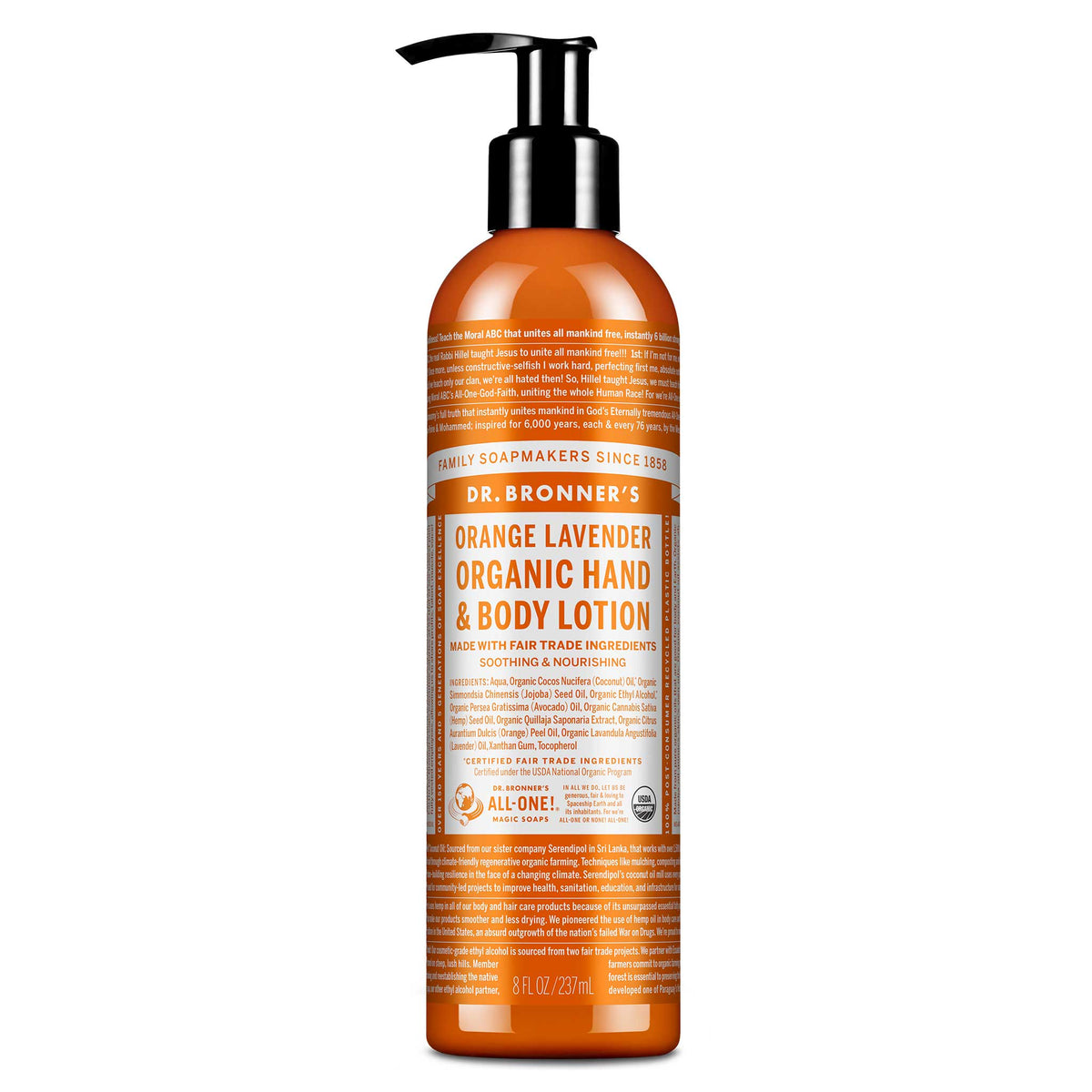
A highly ethical, multi-use lotion crafted with organic oils and fair trade ingredients, setting the industry standard for supply chain transparency and regenerative agriculture.
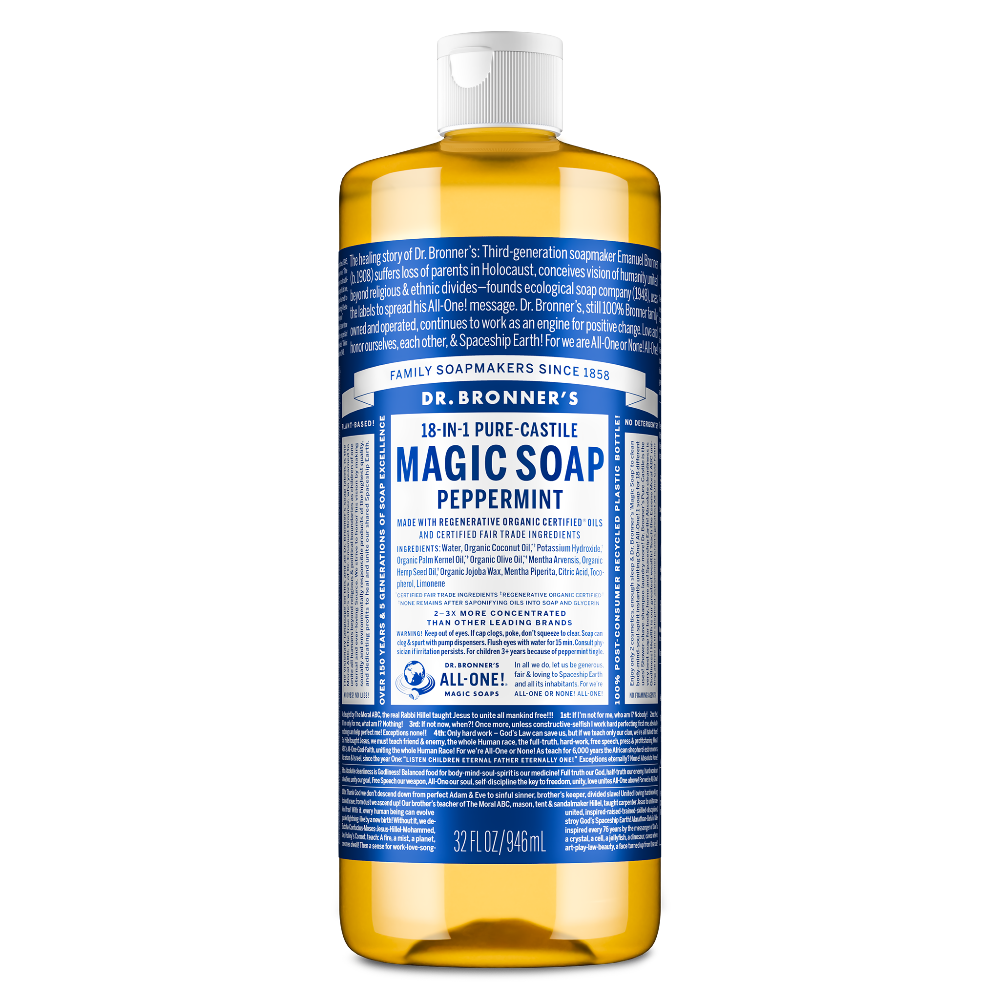
The gold standard of ethical cleaning. A highly concentrated, multi-surface liquid soap made from organic oils and fair trade ingredients in 100% PCR packaging.

The gold standard of ethical soaps, featuring regenerative organic palm oil and a legacy of fair-trade advocacy and radical transparency.
A zero-waste, plastic-free shampoo bar equivalent to three bottles of liquid shampoo, utilizing fair-trade cocoa butter and peppermint oil.
What Matchmakers is rated on
Matchmakers earns points for using organic and vegan materials, and for highlighting its transparent supply chain as a small UK brand. However, it holds no formal ethical certifications — no B Corp, Fairtrade, Leaping Bunny, or Vegan Society logo. Its animal-testing policy is also unstated, meaning shoppers cannot confirm whether any part of its supply chain involves animal testing. For ethically conscious buyers, these gaps may create uncertainty.
How the alternatives were picked
We searched for brands that compete in the same categories as Matchmakers — fashion apparel, beauty and personal care, and jewelry and accessories — but offer stronger, verifiable credentials. Each alternative below meets at least three of these criteria: Leaping Bunny or PETA-certified cruelty-free, Vegan Society or COSMOS-certified vegan, B Corp or Fairtrade certification, and public, detailed animal-testing policies. We also prioritised brands with transparent, third-party-audited supply chains.
What to check on the label
When shopping for ethical alternatives, look for these specific labels and certificates on product pages or packaging:
- Leaping Bunny logo — guarantees no animal testing at any stage of production.
- Vegan Society trademark — ensures no animal-derived ingredients or processes.
- B Corp certification — indicates verified social and environmental performance.
- Fairtrade mark — assures fair wages and ethical sourcing for raw materials.
- GOTS (Global Organic Textile Standard) — verifies organic status for textiles.
Always check the brand’s ‘About’ or ‘Ethics’ page for a written animal-testing policy and supply chain audit reports. If a brand doesn’t openly state its policy, it’s worth contacting customer service or looking elsewhere.
Frequently asked about Matchmakers alternatives
Does Matchmakers have any formal certifications?+
No. As of the latest public records, Matchmakers holds no third-party certifications such as B Corp, Fairtrade, Leaping Bunny, or Vegan Society. Their ethical claims are based on self-reported practices.
Is Matchmakers cruelty-free?+
The brand hasn't published an animal-testing policy, so there’s no confirmed information on whether its ingredients or products are tested on animals. The absence of a policy means it can't be independently verified as cruelty-free.
What alternatives have clear animal-testing policies?+
Brands like Pact (clothing) and Ethique (beauty) publicly state they are Leaping Bunny-certified and provide detailed no-testing guarantees. For jewelry, check brands like ABLE or Soko, which publish their supply chain and ethics policies.
Can I trust a brand without certifications if it claims to be ethical?+
Not without additional verification. Certifications provide third-party assurance. Without them, you rely on self-reported claims. Look for independent audits, open supply chain maps, and clear, written policies on animal testing and materials.