Ethical Alternatives to mercer amsterdam
Mercer Amsterdam is a premium sustainable footwear brand with strong environmental certifications, including Global Recycled Standard and PETA-Approved Vegan. However, some shoppers seek alternatives due to price, availability, or a desire for different brand values or material innovation.
Categories compared: Fashion & Apparel, Sports & Fitness, Travel & Luggage
Why shoppers look for alternatives to mercer amsterdam
- High price point (often over €200) may not fit all budgets for sustainable footwear.
- Limited size and color availability outside of core collections can reduce options.
- Plant-based leather alternatives may not suit those seeking fully bio-based or plastic-free materials.
- Some shoppers prefer brands with more explicit labor certifications beyond BSCI Social Audit.
Top-scoring alternatives to mercer amsterdam

A rugged, stylish wash bag made from recycled denim and organic cotton, designed for a circular economy by the world's leading sustainable denim brand.

An exquisite, one-of-a-kind quilted jacket handmade by a women's cooperative in West Bengal, utilizing 100% upcycled silk and cotton vintage saris.
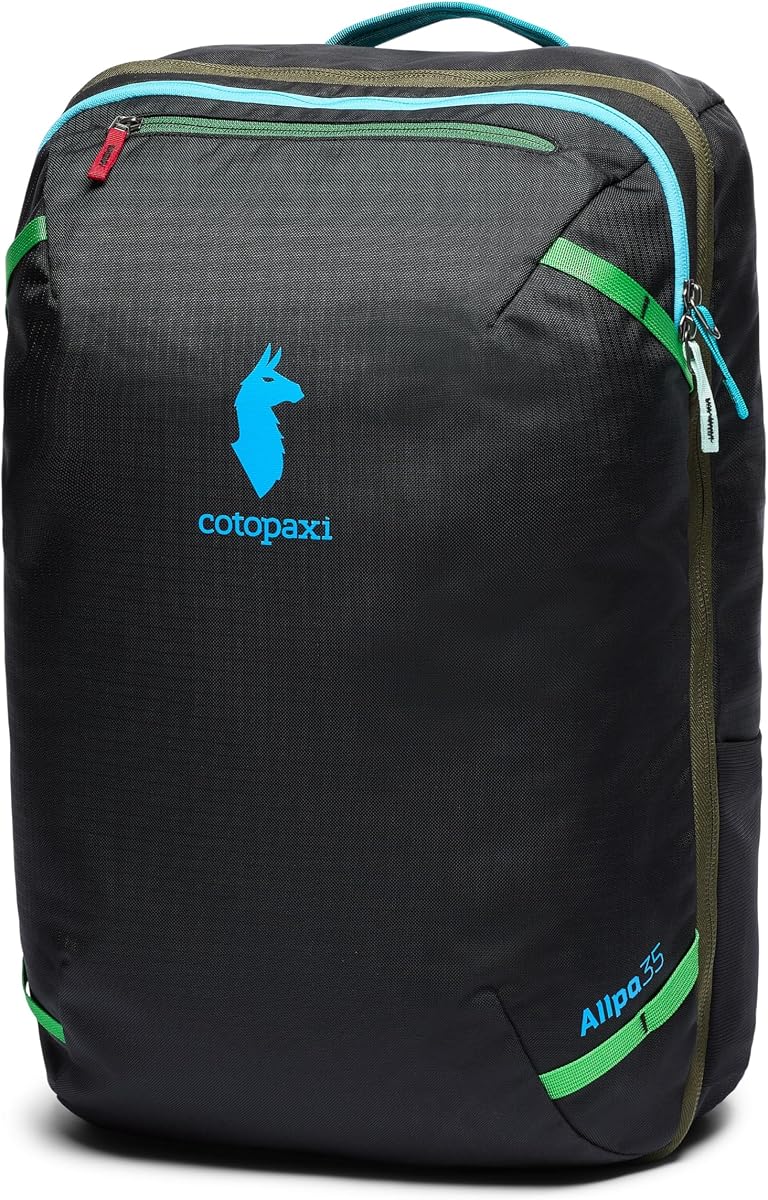
A one-of-a-kind travel pack made entirely from remnant fabric, ensuring no two bags are alike while keeping high-quality materials out of landfills.
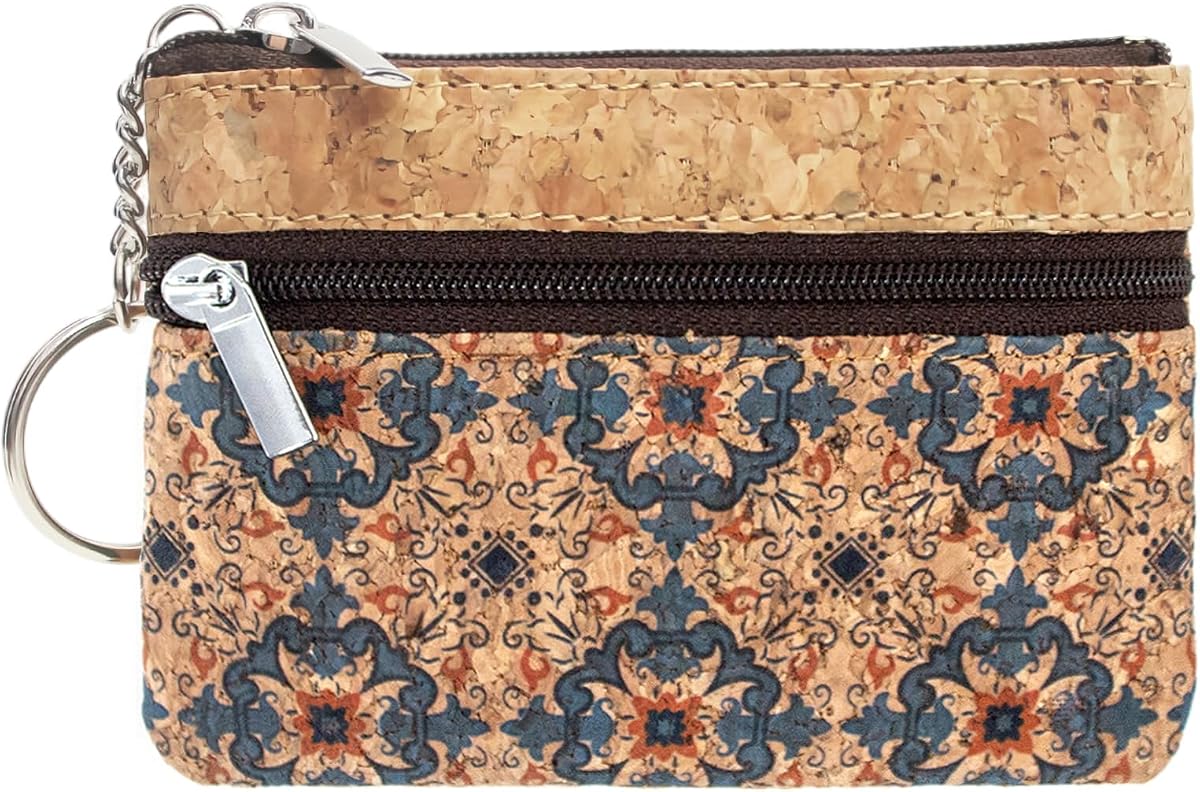
A handcrafted, water-resistant coin pouch made from sustainably harvested Portuguese cork—a farm-to-fashion staple.

A carbon-neutral, TSA-friendly travel staple made from recycled materials and Tencel, designed in Biarritz for maximum versatility.
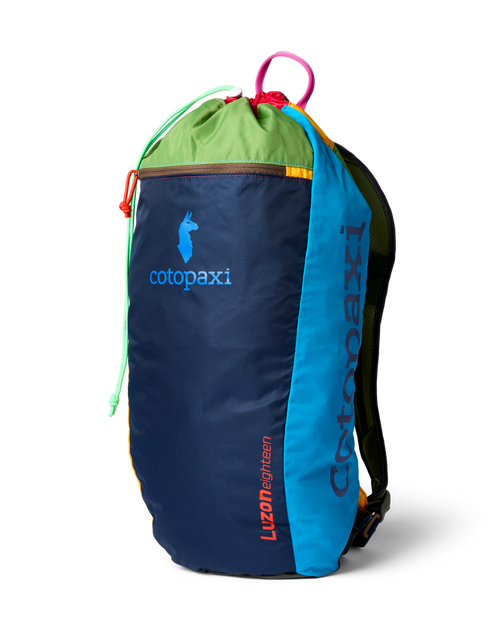
A colorful, highly sustainable backpack made from 100% remnant fabric, ensuring no two bags are exactly alike while keeping waste out of landfills.

A rugged, weather-resistant gym and travel bag made from 100% recycled body fabric, lining, and webbing.

A gold-standard ethical staple. This tee is crafted from GOTS-certified organic cotton through a transparent supply chain that supports small-scale farmers in Peru.

A premium, ethically sourced Pima cotton t-shirt that supports fair wages and education in Peru. Highly durable and fully biodegradable.

A rugged, travel-ready backpack built by a certified B Corp known for their 'Gear for Good' mission and rigorous fair labor standards.

The gold standard for ethical adventure gear, made from 100% recycled body fabric, lining, and webbing.

A premium, long-staple organic cotton tee produced in fair trade environments in Peru. Known for its 'forever' durability and ultra-soft hand feel.
What Mercer Amsterdam is rated on
Mercer Amsterdam holds the Global Recycled Standard (GRS), PETA-Approved Vegan certification, OEKO-TEX Standard 100, and BSCI Social Audit at factory level. They use recycled materials and plant-based leathers, and their animal testing policy prohibits animal testing. These certifications make them a strong leader in circular fashion, but no single brand fits every shopper’s priorities.
How the alternatives were picked
Alternatives were selected based on public certification records, material composition, and price transparency. We prioritized brands that offer similar or comparable certifications (e.g., GRS, B Corp, Fair Trade, or vegan credentials) and that operate in the same categories: fashion & apparel, sports & fitness, and travel & luggage. We also considered brands that disclose factory locations and supply chain details.
What to check on the label
When evaluating ethical sneakers, look for certifications like Global Recycled Standard (GRS) or Recycled Claim Standard (RCS) for recycled content. Vegan certifications from PETA or Vegan Society confirm no animal-derived materials. OEKO-TEX Standard 100 ensures no harmful chemicals. For labor ethics, look for Fair Trade Certified, SA8000, or BSCI audit reports. Also check the upper material—many plant-based leathers (e.g., Piñatex, Desserto) still contain synthetic backings. Finally, see if the brand offers a take-back or recycling program to close the loop.
How to judge a suggested brand alternative
An alternatives page is a starting shortlist, not proof that one brand is universally better than another. The suggestions come from our catalogue: published products in a similar category with a recorded ethics score. They answer a narrow question — which products we list might fit the same need — and they cannot tell you which option performs best, suits your skin or diet, or matches your budget.

Match the job before the score
Start with what the original product does for you: format, size, scent, skin or dietary requirements and where you buy it. A higher-scoring alternative is not useful if it comes in a format you cannot use or is not sold where you shop. Check the alternative's full record — purpose, ingredients, price and seller — before treating it as a replacement.
Compare evidence, not impressions
Read certifications at their stated scope: a scheme may cover one range, one material or a named entity rather than a whole brand. An animal-free ingredient list and an animal-testing policy are separate questions, and a parent company's record is a third. Where a claim matters to you, confirm it in the scheme's own directory or the manufacturer's current statement rather than relying on a badge alone.
Keep the limits of the comparison visible
Catalogue scores are AI-assisted assessments with documented limitations, not laboratory measurements. A missing score is a data gap, not a failing grade. The original brand's presence here reflects what our records contain, which may omit reformulations, regional differences or newer certifications. For health, safety or recall concerns, use official sources rather than any score.
| Check | Where to confirm it | Avoid assuming |
|---|---|---|
| Does the alternative do the same job? | Its full product record and the maker's current description | A similar category means a like-for-like replacement |
| Is a claimed certification current? | The certification scheme's official directory | A badge covers the whole brand or group |
| Is it actually available to you? | The retailer's current listing, price and delivery | A catalogue price tier is a live quote |
Frequently asked about mercer amsterdam alternatives
Does Mercer Amsterdam use animal-derived materials?+
No. Mercer Amsterdam is PETA-Approved Vegan and does not use animal-derived materials. Their sneakers are made from recycled materials and plant-based leathers.
Are there cheaper ethical alternatives to Mercer Amsterdam?+
Yes. Brands like Veja, Allbirds, and Cariuma offer lower-priced sustainable sneakers with vegan options and certifications, though their material standards and transparency levels vary.
What does the BSCI Social Audit cover?+
BSCI (Business Social Compliance Initiative) audits factory working conditions, including fair wages, working hours, health and safety, and prohibition of child labor. It is a foundation-level social audit, not as rigorous as Fair Trade certification.
Can I recycle my old Mercer Amsterdam sneakers?+
Mercer Amsterdam does not publicly advertise a take-back or recycling program. Check their website or contact customer service for current options. As a circular fashion leader, they may offer future programs.