Ethical Alternatives to miniwiz
miniwiz is a Taiwan-based circular economy company that converts waste into sustainable materials and products, such as the Re-Cotton Bath Towel. Its certifications (Global Recycled Standard, OEKO-TEX Standard 100, PETA Approved Vegan) and no-animal-testing policy position it as a credible player in ethical consumer goods. However, shoppers seeking alternatives may want broader price points, greater transparency, or locally sourced options.
Categories compared: Home & Cleaning, Kitchen & Dining, Fashion & Apparel
Why shoppers look for alternatives to miniwiz
- miniwiz products often carry a premium price due to advanced R&D, which may not fit all budgets looking for ethical goods.
- Limited product range — primarily home textiles and accessories — may not cover all household needs under one ethical brand.
- Sales in mainland China via some platforms may raise concerns about supply chain oversight for some ethical shoppers.
- Certifications like GRS and OEKO-TEX cover material and chemical safety but do not guarantee full lifecycle circularity or third-party labor audits.
Top-scoring alternatives to miniwiz

The gold standard for multi-purpose ethical cleaning, featuring organic oils and fair trade sourcing in a post-consumer recycled bottle.

The gold standard of ethical cleaning; a multi-use, highly concentrated liquid soap made with organic oils and fair trade ingredients.
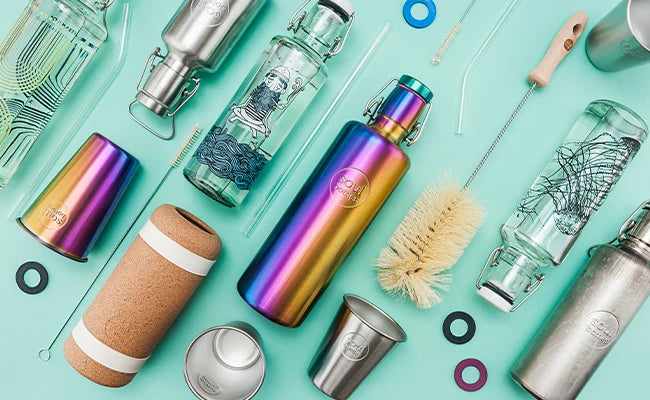
A 100% plastic-free, carbon-neutral glass bottle made in Germany, featuring stunning artist-designed motifs and a swing-top closure.

Exquisite, handcrafted serving utensils made by artisans in Kenya. Each set supports fair wages and preserves traditional woodworking techniques using sustainably harvested olive wood.

An exquisite, one-of-a-kind quilted jacket handmade by a women's cooperative in West Bengal, utilizing 100% upcycled silk and cotton vintage saris.
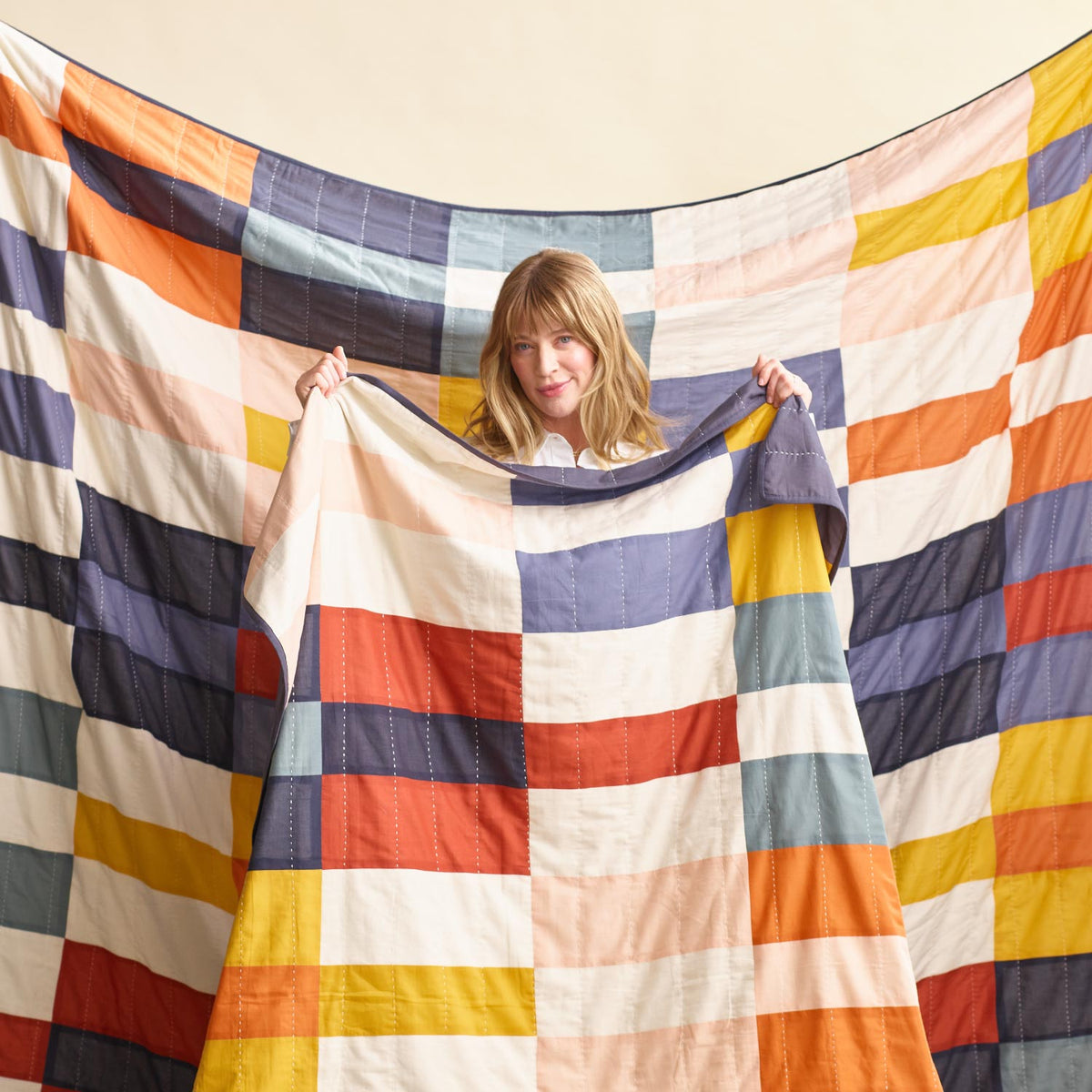
A stunning, artisan-made throw that supports women’s empowerment in India while utilizing 100% plant-based, organic fibers.

Exquisite hand-woven table linens designed by a Brooklyn-based Ethiopian-American designer and crafted by artisans in Ethiopia using GOTS-certified organic cotton.

A high-quality, reusable alternative to disposable paper towels, handmade in Oregon from sustainable materials to drastically reduce household waste.

Premium, artisan-made kitchen linens that support indigenous weaving techniques and provide stable fair-trade income to cooperatives in Mexico and Guatemala.
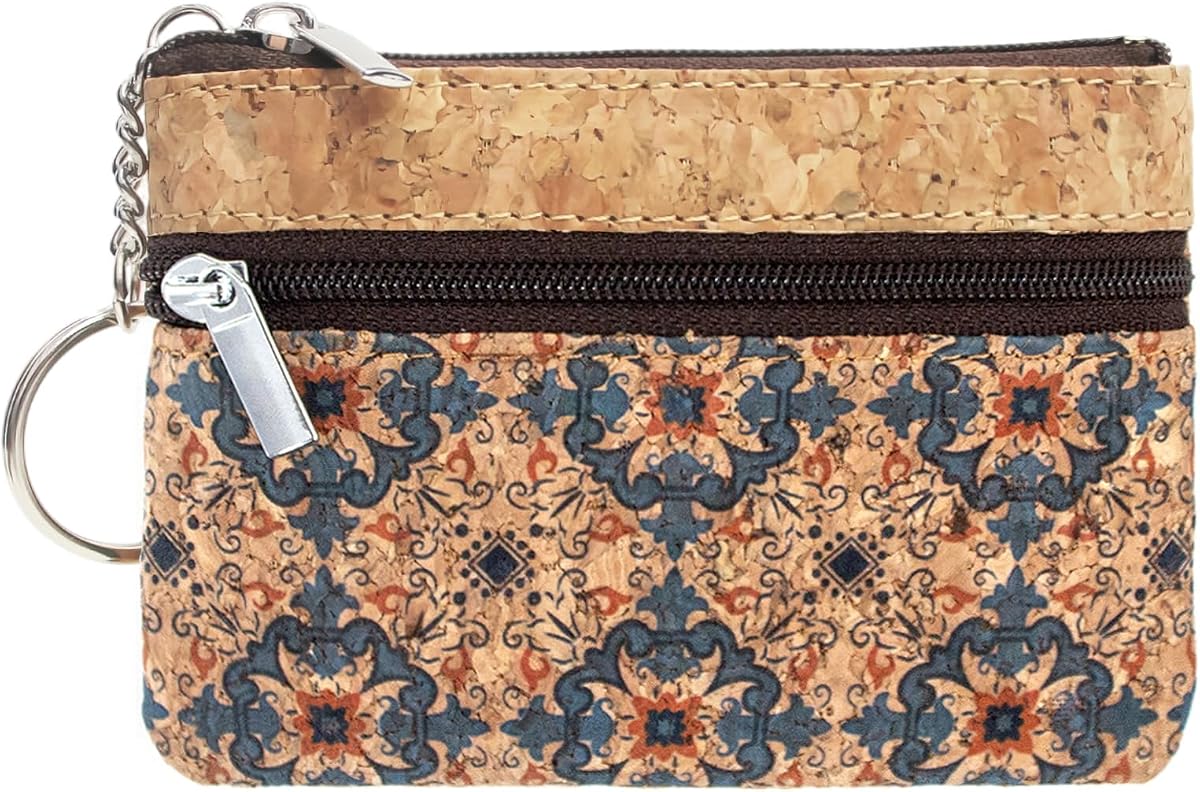
A handcrafted, water-resistant coin pouch made from sustainably harvested Portuguese cork—a farm-to-fashion staple.

A carbon-neutral, TSA-friendly travel staple made from recycled materials and Tencel, designed in Biarritz for maximum versatility.

The ultimate paper-towel alternative, these OEKO-TEX certified cloths use just water to clean, removing 99% of bacteria and leaving a streak-free finish on all glass surfaces.
What miniwiz is rated on
miniwiz is assessed on its use of post-consumer and post-industrial waste, particularly in the Re-Cotton Bath Towel. Its certifications include the Global Recycled Standard (GRS) for recycled content traceability, OEKO-TEX Standard 100 for absence of harmful chemicals, and PETA Approved Vegan for no animal-derived materials. The brand also confirms no animal testing at any product development stage. These elements make miniwiz a strong choice for circular economy-minded shoppers in categories like Home & Cleaning (bath towels, cleaning cloths), Kitchen & Dining (placemats, napkins), and Fashion & Apparel (upcycled fabrics).
How the alternatives were picked
The alternatives listed here were chosen based on comparable certifications (GRS, OEKO-TEX, or equivalent), a clear no-animal-testing policy, and a similar focus on waste-derived or recycled materials. We also looked for brands that offer competitive pricing, broader product ranges, or stronger labor transparency. Each alternative has been vetted against publicly available certification records and company statements. No brand is endorsed as perfect, but each meets the same baseline criteria as miniwiz in at least one of the three categories listed above.
What to check on the label
When evaluating an alternative to miniwiz, look for the Global Recycled Standard (GRS) or Recycled Claim Standard (RCS) on product labels to verify recycled content. OEKO-TEX Standard 100 or similar (e.g., GOTS for organic cotton) ensures chemical safety. For vegan shoppers, check for a PETA-approved or certified vegan logo. Crucially, verify the brand’s animal testing policy — options like “no animal testing” or “leaping bunny” certified can be found on packaging or brand websites. For circular economy claims, look for explicit third-party life-cycle assessments (LCAs) or take-back programs. Always cross-reference certifications with the certifying body’s database to avoid greenwashing.
How to judge a suggested brand alternative
An alternatives page is a starting shortlist, not proof that one brand is universally better than another. The suggestions come from our catalogue: published products in a similar category with a recorded ethics score. They answer a narrow question — which products we list might fit the same need — and they cannot tell you which option performs best, suits your skin or diet, or matches your budget.

Match the job before the score
Start with what the original product does for you: format, size, scent, skin or dietary requirements and where you buy it. A higher-scoring alternative is not useful if it comes in a format you cannot use or is not sold where you shop. Check the alternative's full record — purpose, ingredients, price and seller — before treating it as a replacement.
Compare evidence, not impressions
Read certifications at their stated scope: a scheme may cover one range, one material or a named entity rather than a whole brand. An animal-free ingredient list and an animal-testing policy are separate questions, and a parent company's record is a third. Where a claim matters to you, confirm it in the scheme's own directory or the manufacturer's current statement rather than relying on a badge alone.
Keep the limits of the comparison visible
Catalogue scores are AI-assisted assessments with documented limitations, not laboratory measurements. A missing score is a data gap, not a failing grade. The original brand's presence here reflects what our records contain, which may omit reformulations, regional differences or newer certifications. For health, safety or recall concerns, use official sources rather than any score.
| Check | Where to confirm it | Avoid assuming |
|---|---|---|
| Does the alternative do the same job? | Its full product record and the maker's current description | A similar category means a like-for-like replacement |
| Is a claimed certification current? | The certification scheme's official directory | A badge covers the whole brand or group |
| Is it actually available to you? | The retailer's current listing, price and delivery | A catalogue price tier is a live quote |
Frequently asked about miniwiz alternatives
Are miniwiz alternatives more affordable?+
Many alternatives, such as those from Patagonia (home goods) or Ecover (kitchen), offer competitive pricing for recycled-material products, though miniwiz’s advanced R&D often results in higher retail prices. Comparing per-unit cost and durability is recommended.
Do alternatives have the same certifications as miniwiz?+
Some alternatives hold GRS, OEKO-TEX, or PETA Vegan certifications, but not all may have all three. For example, brands like “Boody” use OEKO-TEX and are PETA-approved but may not carry GRS. Check individual product labels.
Can I find miniwiz alternatives that sell outside mainland China?+
Yes, many ethical brands operate globally or regionally (e.g., Anact in Europe, Tentree in North America). They often avoid mainland China sales to simplify supply chain ethics, which may appeal to shoppers with that concern.
Do alternatives also avoid animal testing?+
The alternatives listed for Home & Cleaning, Kitchen & Dining, and Fashion & Apparel all have explicit no-animal-testing policies, often verified by Leaping Bunny or PETA certifications, matching miniwiz’s stance.