Ethical Alternatives to Mondelez
Mondelez International owns iconic snack brands like Oreo, Cadbury, and Toblerone, with strong cocoa sustainability and deforestation commitments. However, its lack of a comprehensive animal-testing policy for food products and limited third-party certifications lead many conscious shoppers to seek alternatives.
Categories compared: Food & Nutrition
Why shoppers look for alternatives to Mondelez
- No brand-wide animal-testing policy for food: Mondelez may conduct or commission animal tests where required by law (e.g., China), which contradicts cruelty-free standards.
- Limited certification coverage: Only select Cadbury products in the UK/Commonwealth are Fairtrade; many items lack third-party ethical labels like B Corp or Vegan Certified.
- Lack of formal policy for non-cosmetic animal testing: Unlike strict cruelty-free brands, Mondelez has not prohibited animal testing for ingredients used in snack products.
- Palm oil sourcing is RSPO certified but not always segregated or fully traceable, raising concerns about deforestation and habitat impact.
Top-scoring alternatives to Mondelez

A gold-standard example of regenerative agriculture, these oats go beyond organic by actively restoring soil health and ensuring fair wages for farmers in a vertically integrated supply chain.

The gold standard for ethical food production, this coconut oil uses regenerative organic practices and fair trade labor to set a benchmark for corporate responsibility.
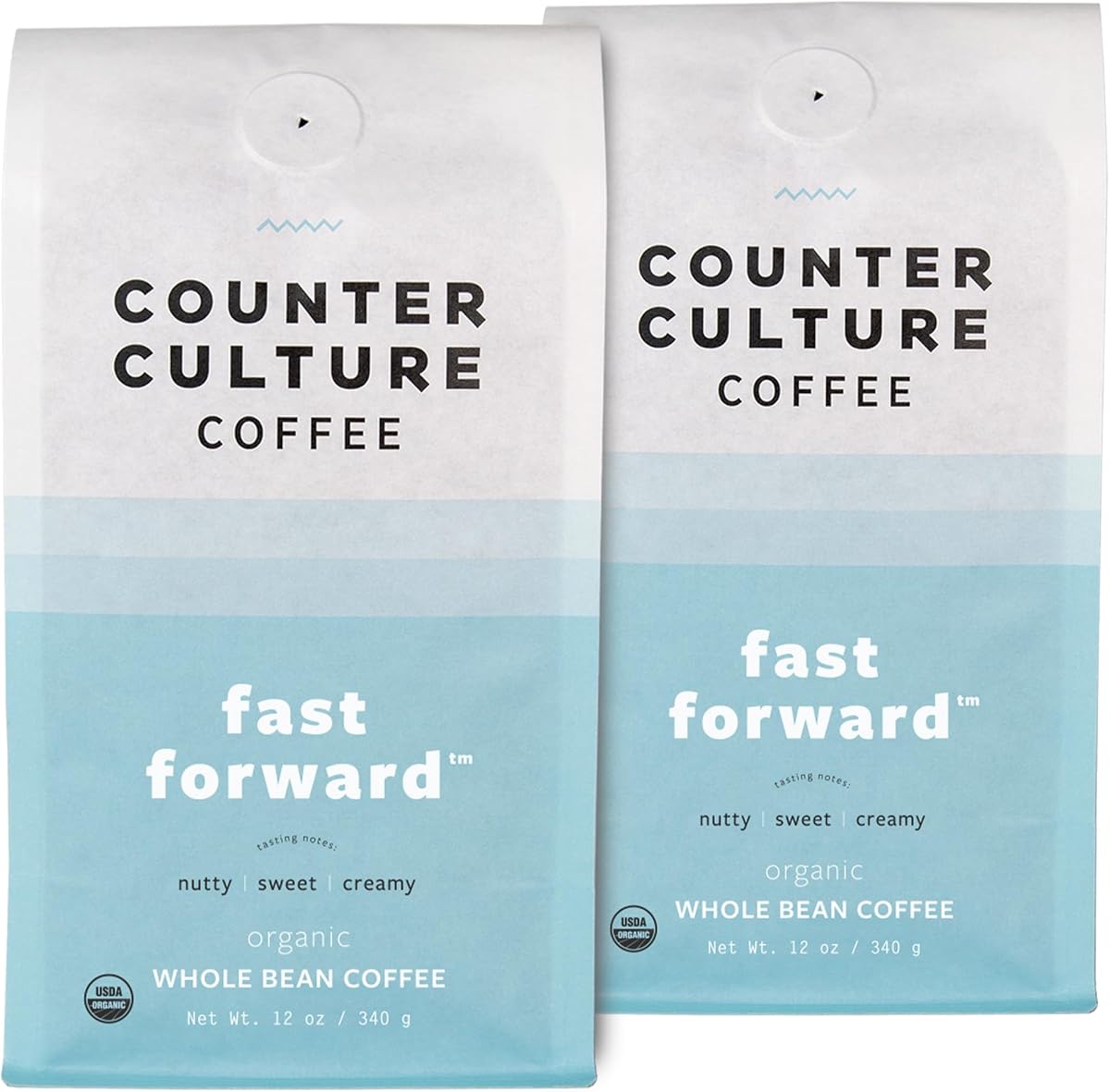
A 100% farmer-owned coffee cooperative that bypasses traditional middlemen to ensure maximum profits return to the growers.
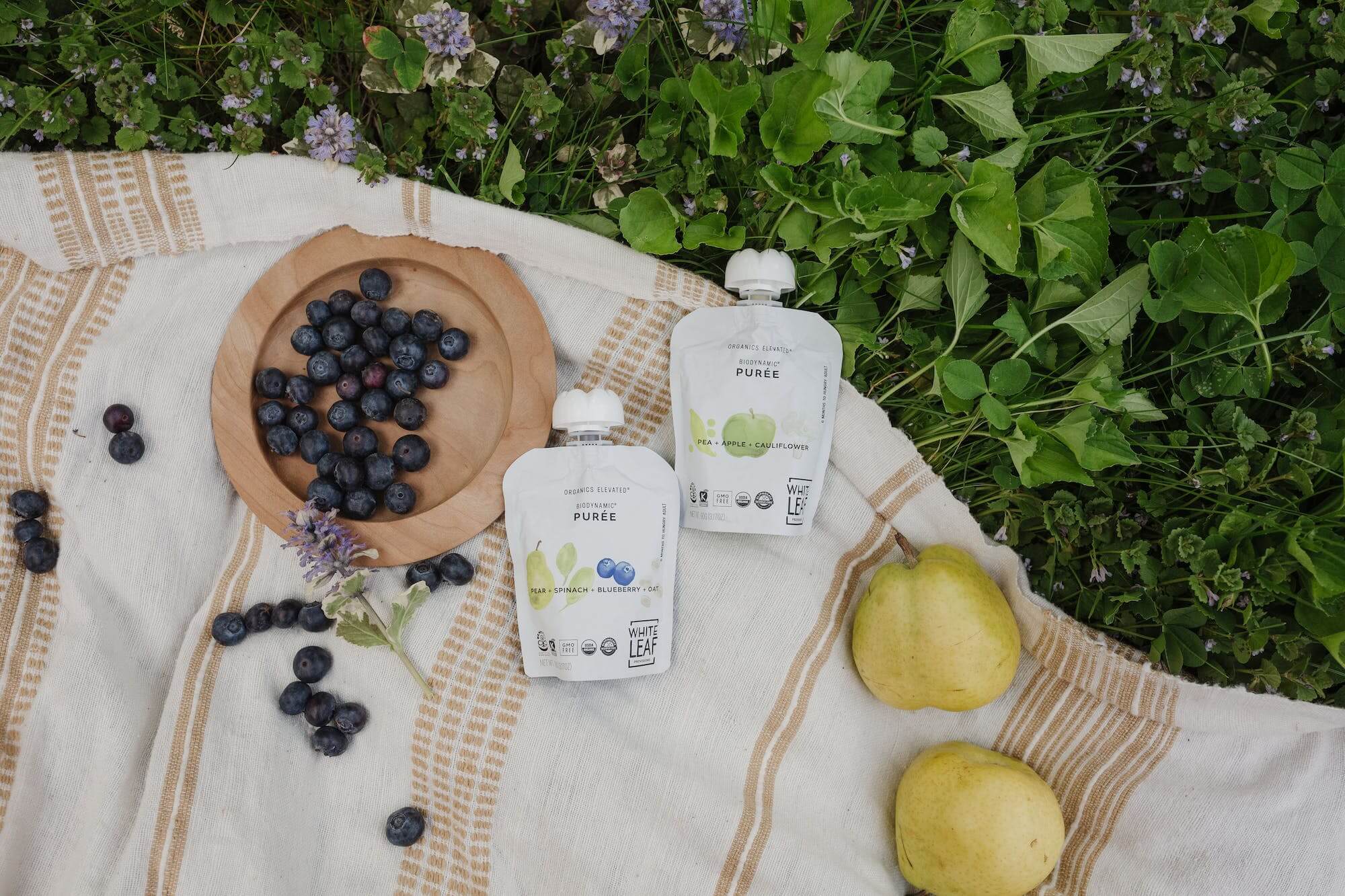
The gold standard in baby food, offering Demeter-certified biodynamic ingredients that exceed organic standards for soil health and purity.

A gold standard in ethical confectionery, combining fair-pay labor practices with regenerative cocoa farming that restores biodiversity in the Ivory Coast and Ghana.

A gold-standard breakfast staple sourced from family-owned farms in Montana using regenerative practices that actively sequester carbon and restore soil health.

Arguably the most ethical coconut oil on the market, sourced from 'Serendipol' in Sri Lanka using regenerative practices that revitalize soil and support a fair-trade community.
A gold standard in ethical confectionery, using regenerative farming to combat climate change while ensuring living wages for cocoa farmers.

A 100% farmer-owned cooperative coffee brand that bypasses middlemen to ensure maximum profits return to the growers.
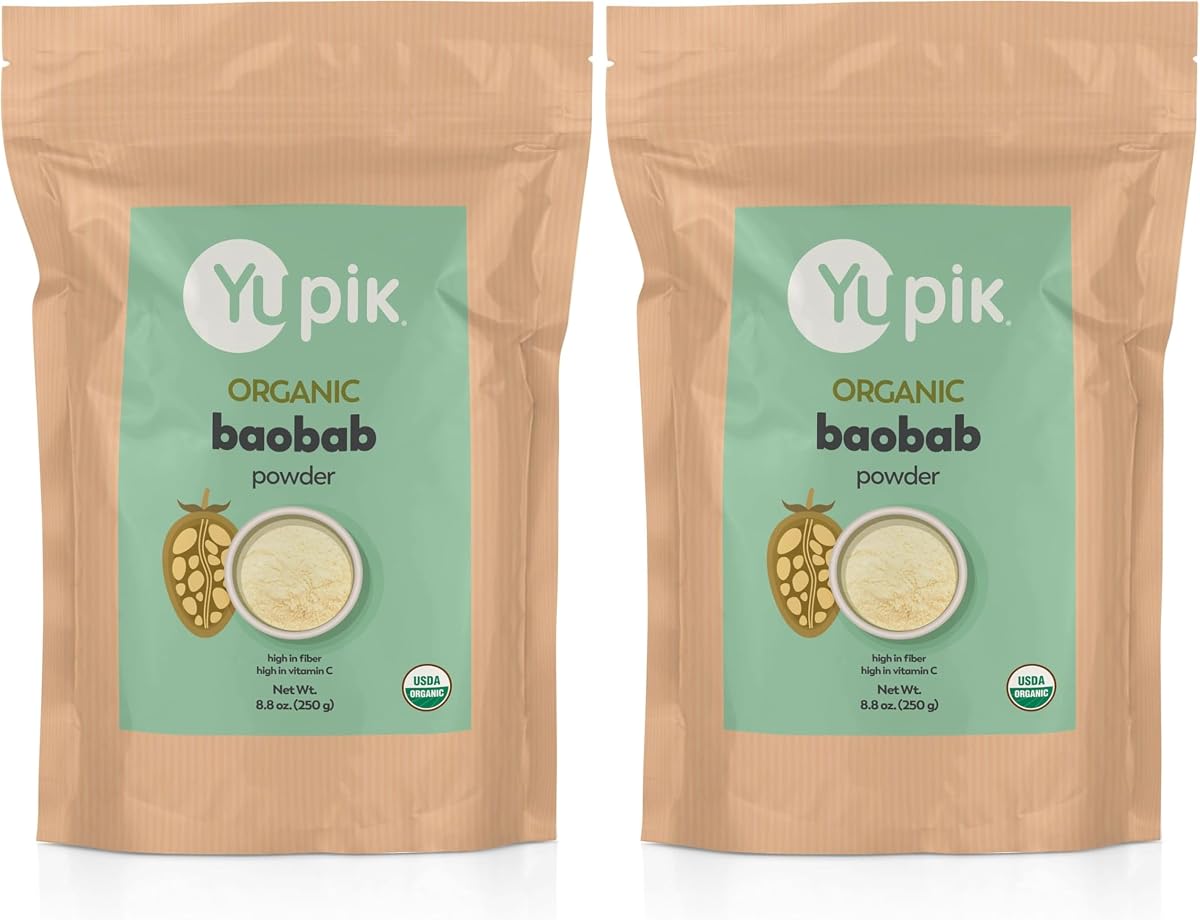
A nutrient-dense African superfood powder ethically harvested by women's cooperatives in Upper East Ghana, providing a massive vitamin C boost.

Exquisite heirloom Malagasy cocoa produced entirely at the source in Madagascar. This professional-grade bulk trunk supports direct-trade and lemur habitat conservation.

A gold standard in ethical food production, this virgin coconut oil is sourced from regenerative organic palms in Sri Lanka, ensuring soil health and fair wages.
What Mondelez is rated on
Mondelez has made notable commitments to sustainable cocoa through its ‘Cocoa Life’ program and supports Rainforest Alliance certification on select chocolate products. It uses RSPO Certified Palm Oil. However, the company does not have a brand-wide policy against animal testing for food products, meaning tests may occur where legally required (e.g., mainland China). Its Fairtrade certification is limited to certain Cadbury products in the UK and Commonwealth, leaving the majority of its portfolio with no third-party ethical label.
How the alternatives were picked
We selected brands that offer direct category equivalents to Mondelez’s core snack lines—chocolate, biscuits, and candy—while addressing the key gaps: no animal testing for food, full Fairtrade or Rainforest Alliance certification, and full palm oil traceability. Each alternative listed below has a published policy against animal testing for food products, holds at least one recognized third-party certification (Fairtrade, Rainforest Alliance, B Corp, or Leaping Bunny for relevant categories), and actively avoids ingredients sourced from controversial regions without certification.
What to check on the label
When replacing Mondelez, look for: 1. A clear “not tested on animals” or “cruelty-free” statement on the packaging for food items—some brands volunteer this even where not required. 2. Fairtrade, Rainforest Alliance, or UTZ certification marks, especially for cocoa and palm oil. 3. Palm oil labeled “RSPO Segregated” or “Organic” to ensure traceability. 4. A B Corp certification label, which indicates strong overall social and environmental performance. Products from UK- and EU-based ethical brands often list these clearly; if unclear, check the company’s website for an official policy.
Frequently asked about Mondelez alternatives
Does Mondelez test its food products on animals?+
Mondelez does not have a brand-wide policy prohibiting animal testing for food. It may conduct or commission animal tests where required by law, such as in mainland China for regulatory approvals. This is a key concern for shoppers seeking a cruelty-free snack brand.
Are all Cadbury products Fairtrade?+
No. Only select Cadbury products sold in the UK and Commonwealth carry Fairtrade certification. In other markets, including the United States, Cadbury products are not Fairtrade certified and may use non-certified cocoa.
Does Mondelez use sustainable palm oil?+
Yes, Mondelez is a member of the Roundtable on Sustainable Palm Oil (RSPO) and uses RSPO Certified Palm Oil. However, much of its palm oil is mass-balance rather than segregated, meaning it may not be fully traceable to certified sources.
What third-party certifications does Mondelez hold?+
Mondelez holds Rainforest Alliance certification on select chocolate products and Fairtrade certification on certain Cadbury items. It does not have B Corp certification, Leaping Bunny certification, or a brand-wide vegan certification.