Ethical Alternatives to moso natural
Moso Natural is a well-regarded brand known for its bamboo charcoal air purifying bags, backed by FSC certification, vegan and cruelty-free status, and a 1% for the Planet commitment. However, shoppers may still seek alternatives due to pricing, sourcing preferences, or a desire for locally made products. This guide outlines ethical options that meet similar standards.
Categories compared: Home & Cleaning, Health & Wellness, Gifts & Seasonal
Why shoppers look for alternatives to moso natural
- Moso Natural products are often sold at a premium price point; some alternatives offer comparable performance at lower cost.
- The brand operates in mainland China, which may raise concerns for shoppers prioritizing locally sourced or regionally manufactured goods.
- While Moso Natural has no controversies, some users prefer brands with explicit plastic-free packaging or third-party B Corp certification.
- Alternatives may offer specific variants (e.g., unscented, larger sizes) that Moso Natural does not provide.
Top-scoring alternatives to moso natural

The gold standard for multi-purpose ethical cleaning, featuring organic oils and fair trade sourcing in a post-consumer recycled bottle.

The gold standard of ethical cleaning; a multi-use, highly concentrated liquid soap made with organic oils and fair trade ingredients.

A fluoride-free, 70% organic toothpaste that leads the industry in fair trade sourcing and activist corporate governance.

A zero-waste bathroom essential hand-crafted by women's cooperatives, perfect for exfoliating and extending the life of soap.

The gold standard in ethical soap, these travel-sized bottles are perfect for wellness pros on the go, featuring 100% PCR packaging and fair-trade ingredients.

A hand-crafted, raw wellness balm produced by women’s cooperatives in Ghana, ideal for gluten-free skin nutrition and head-to-toe hydration.
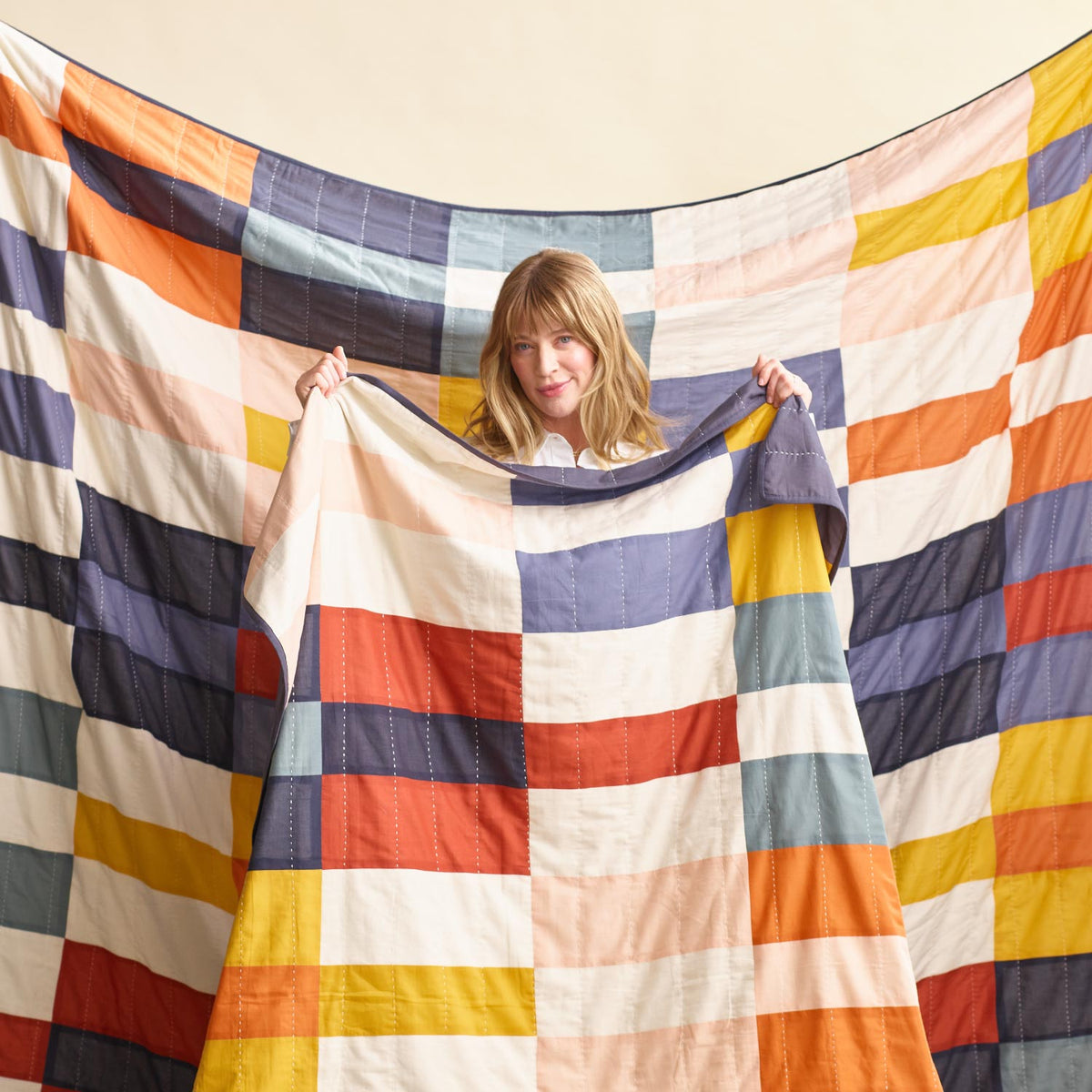
A stunning, artisan-made throw that supports women’s empowerment in India while utilizing 100% plant-based, organic fibers.
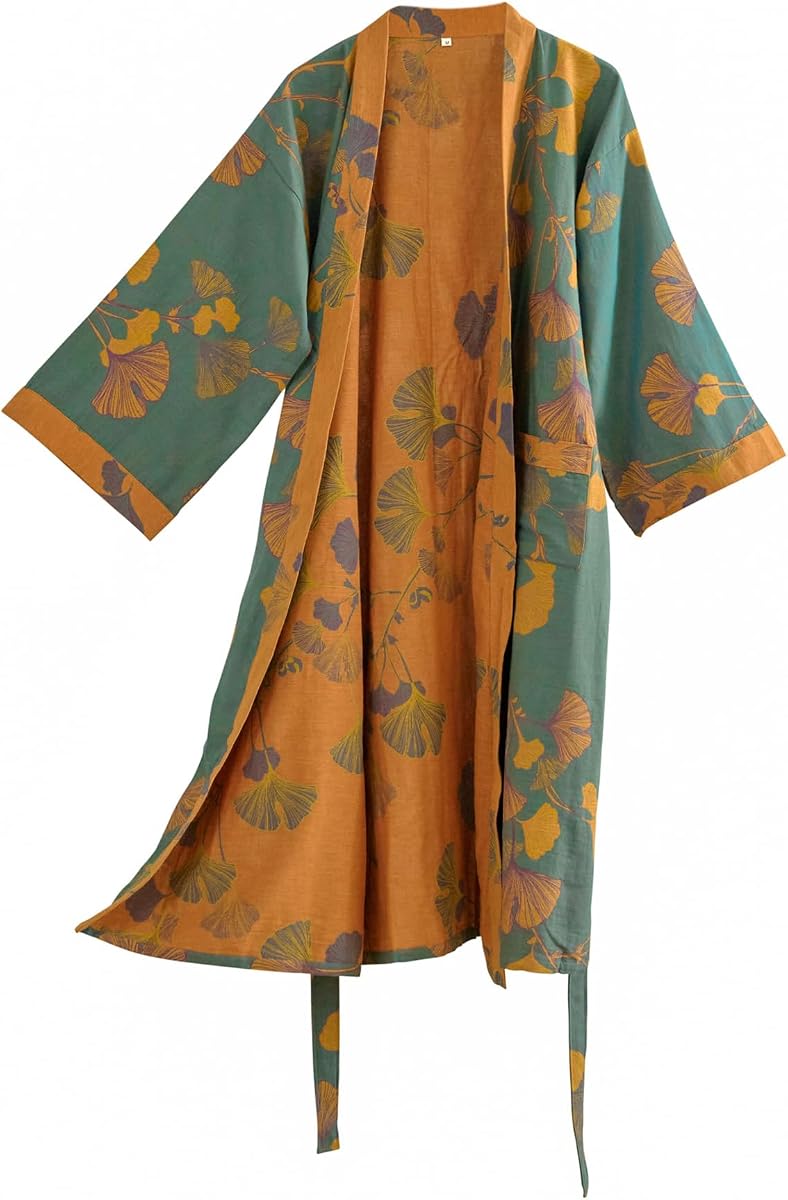
A luxurious, spa-weight robe made from 100% GOTS-certified organic cotton, produced under Fair Trade standards.

The ultimate paper-towel alternative, these OEKO-TEX certified cloths use just water to clean, removing 99% of bacteria and leaving a streak-free finish on all glass surfaces.

Exquisite hand-woven table linens designed in Brooklyn and artisan-made in Ethiopia. This Black-owned brand combines modern aesthetics with traditional Ethiopian weaving techniques.

Authentically hand-woven in Ghana, these baskets provide sustainable income for artisans while utilizing elephant grass—a renewable, natural resource. A versatile and nearly indestructible gift.

A premium selection of ethically sourced, regenerative organic dark chocolate bars that prioritize farmer equity and soil health over industrial shortcuts.
What Moso Natural is rated on
Moso Natural earns strong marks for ethical credentials: its bamboo charcoal bags are FSC Certified (ensuring responsible forestry), certified vegan and cruelty-free by recognized organizations, and the brand contributes 1% of sales to environmental causes through 1% for the Planet. No animal testing is conducted on products or ingredients. These standards make Moso Natural a solid choice, but not the only one.
How the alternatives were picked
We selected alternatives that match or exceed Moso Natural’s core criteria: FSC or equivalent renewable material certification, verified cruelty-free and vegan status, and a clear sustainability commitment (such as carbon offset or reforestation programs). We prioritized brands with transparent supply chains and, where possible, those manufacturing in regions outside mainland China. Each alternative is independently verified for at least two of Moso Natural’s key certifications.
What to check on the label
When evaluating a bamboo charcoal air purifier or similar product, look for these label details:
- FSC Certification – confirms bamboo is harvested sustainably.
- Vegan & Cruelty-Free logos – e.g., Leaping Bunny or PETA’s Beauty Without Bunnies.
- Animal testing policy – ensure no animal testing at any stage.
- Packaging materials – aim for plastic-free or recyclable packaging.
- Social impact – check for donations (like 1% for the Planet) or fair labor practices.
How to judge a suggested brand alternative
An alternatives page is a starting shortlist, not proof that one brand is universally better than another. The suggestions come from our catalogue: published products in a similar category with a recorded ethics score. They answer a narrow question — which products we list might fit the same need — and they cannot tell you which option performs best, suits your skin or diet, or matches your budget.
Match the job before the score
Start with what the original product does for you: format, size, scent, skin or dietary requirements and where you buy it. A higher-scoring alternative is not useful if it comes in a format you cannot use or is not sold where you shop. Check the alternative's full record — purpose, ingredients, price and seller — before treating it as a replacement.
Compare evidence, not impressions
Read certifications at their stated scope: a scheme may cover one range, one material or a named entity rather than a whole brand. An animal-free ingredient list and an animal-testing policy are separate questions, and a parent company's record is a third. Where a claim matters to you, confirm it in the scheme's own directory or the manufacturer's current statement rather than relying on a badge alone.
Keep the limits of the comparison visible
Catalogue scores are AI-assisted assessments with documented limitations, not laboratory measurements. A missing score is a data gap, not a failing grade. The original brand's presence here reflects what our records contain, which may omit reformulations, regional differences or newer certifications. For health, safety or recall concerns, use official sources rather than any score.
| Check | Where to confirm it | Avoid assuming |
|---|---|---|
| Does the alternative do the same job? | Its full product record and the maker's current description | A similar category means a like-for-like replacement |
| Is a claimed certification current? | The certification scheme's official directory | A badge covers the whole brand or group |
| Is it actually available to you? | The retailer's current listing, price and delivery | A catalogue price tier is a live quote |
Frequently asked about moso natural alternatives
Does Moso Natural test on animals?+
No. Moso Natural products and ingredients are verified cruelty-free by recognized organizations; no animal testing is conducted.
Why would I need an alternative to Moso Natural if it’s already ethical?+
While Moso Natural has strong credentials, you may prefer a brand with plastic-free packaging, local manufacturing, B Corp certification, or a lower price point. Some alternatives offer similar certifications with different product features.
Are all bamboo charcoal air purifying bags the same?+
Not always. Effectiveness depends on bamboo quality, charcoal activation process, and bag design. Look for FSC certification and third-party verified cruelty-free status to ensure ethical sourcing.
Do alternatives to Moso Natural support 1% for the Planet?+
Not necessarily. Some alternatives support similar initiatives like 1% for the Planet, carbon offset programs, or reforestation. Check the brand’s website or label for specific environmental commitments.