Ethical Alternatives to Nescafé
Nescafé is the world's biggest instant coffee brand. These alternatives offer comparable taste and convenience with stronger fair-trade and environmental credentials.
Categories compared: Food & Nutrition, Kitchen & Dining
Why shoppers look for alternatives to Nescafé
- Seeking Fair Trade or organic coffee
- Preferring brands with transparent farmer sourcing
- Looking for lower-waste packaging or bulk options
- Wanting B Corp or similarly rigorous certification
Top-scoring alternatives to Nescafé

A gold-standard example of regenerative agriculture, these oats go beyond organic by actively restoring soil health and ensuring fair wages for farmers in a vertically integrated supply chain.

The gold standard for ethical food production, this coconut oil uses regenerative organic practices and fair trade labor to set a benchmark for corporate responsibility.
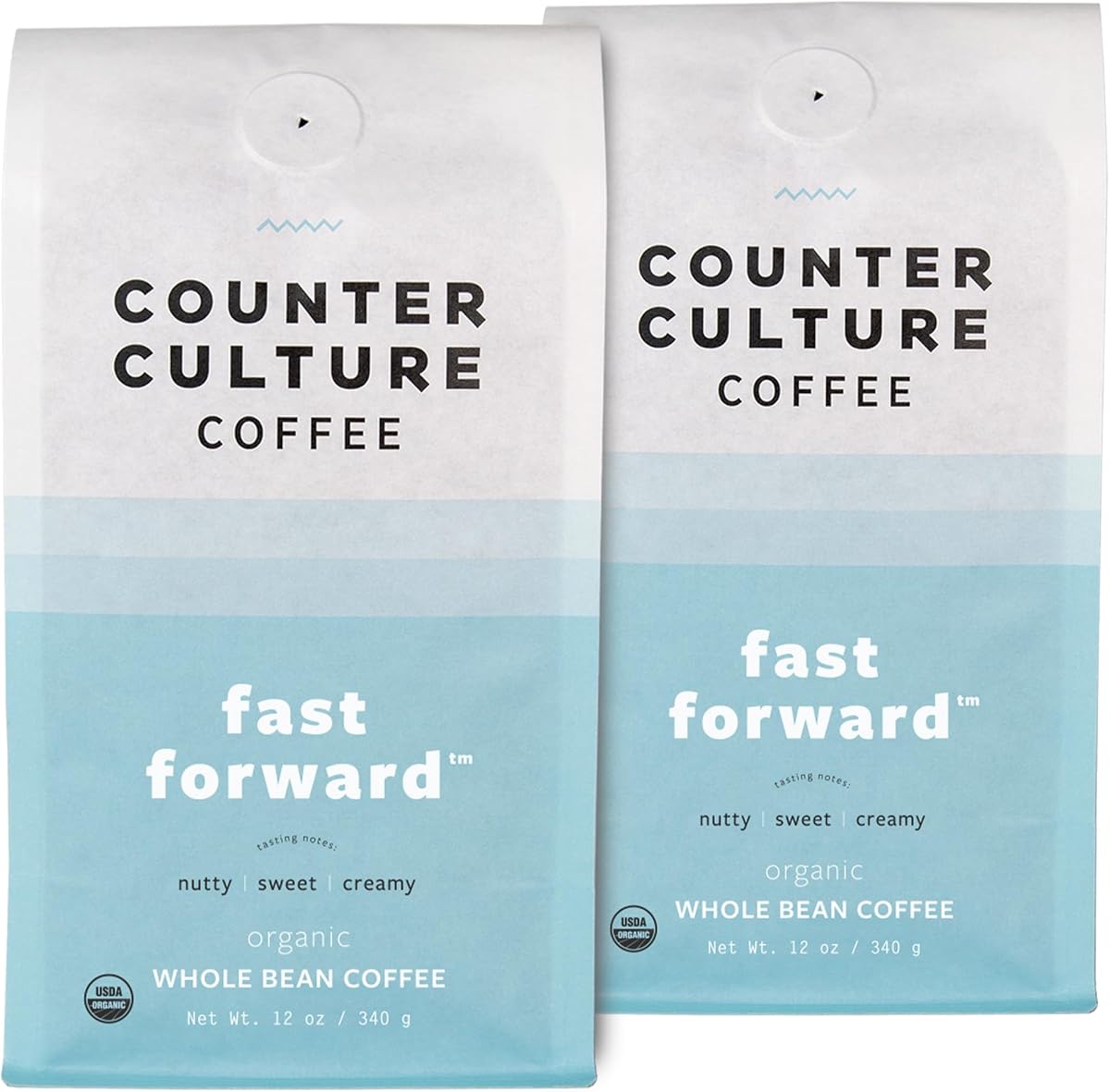
A 100% farmer-owned coffee cooperative that bypasses traditional middlemen to ensure maximum profits return to the growers.

A stunning glassware set made from repurposed wine bottles collected from the Dutch hospitality industry, processed in a social workplace that empowers people with disabilities.

An innovative, mushroom-based countertop composting solution that arrives as a 'living' kit, allowing you to grow your own bin from mycelium and agricultural waste.
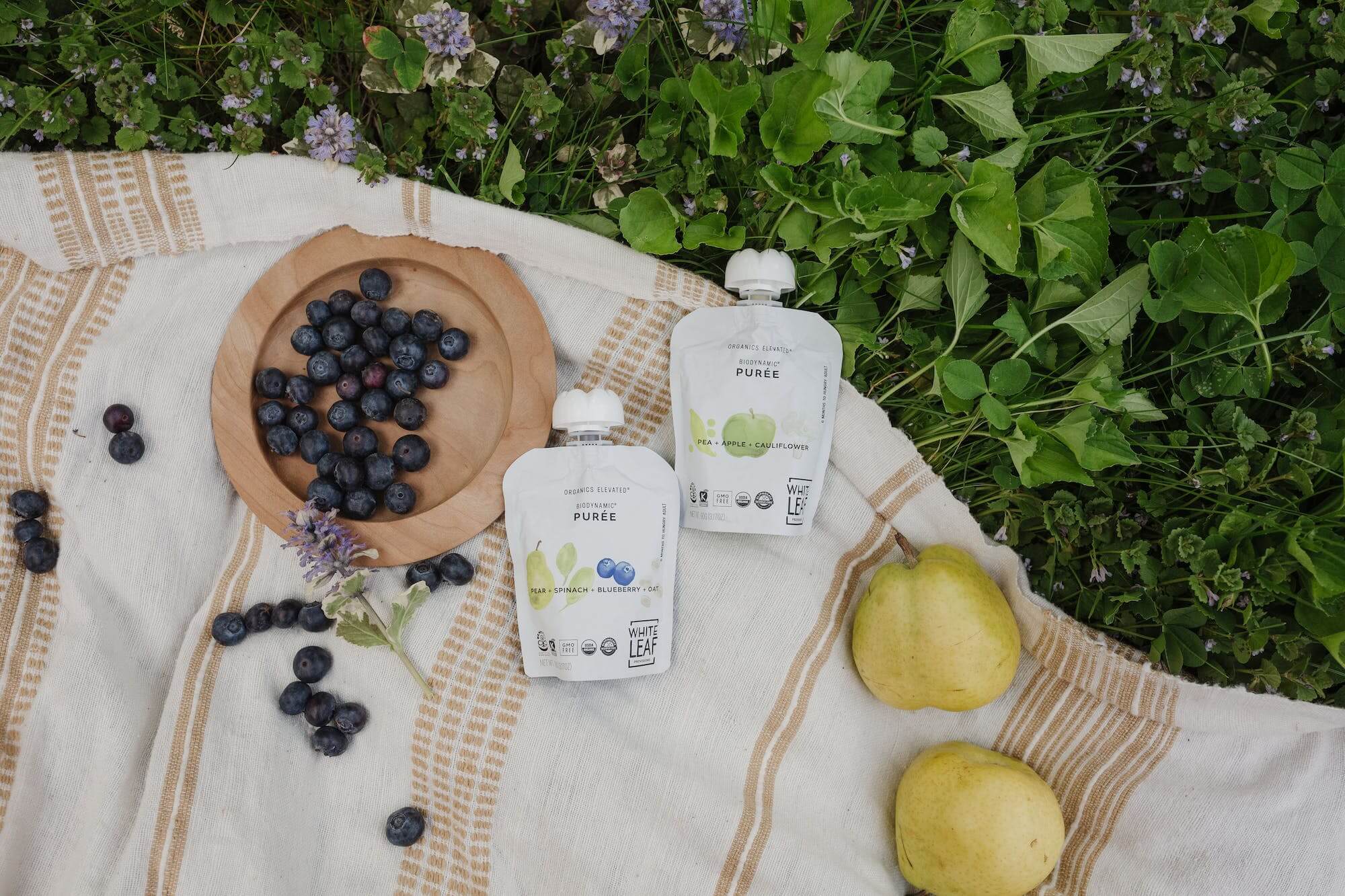
The gold standard in baby food, offering Demeter-certified biodynamic ingredients that exceed organic standards for soil health and purity.

A 100% plastic-free, carbon-neutral glass bottle made in Germany, featuring stunning artist-designed motifs and a swing-top closure.

A gold standard in ethical confectionery, combining fair-pay labor practices with regenerative cocoa farming that restores biodiversity in the Ivory Coast and Ghana.

A gold-standard breakfast staple sourced from family-owned farms in Montana using regenerative practices that actively sequester carbon and restore soil health.

Arguably the most ethical coconut oil on the market, sourced from 'Serendipol' in Sri Lanka using regenerative practices that revitalize soil and support a fair-trade community.

A pioneer in fair trade, Equal Exchange offers bird-friendly, organic coffee that directly supports small-scale farmer cooperatives globally.
A gold standard in ethical confectionery, using regenerative farming to combat climate change while ensuring living wages for cocoa farmers.
How to judge a suggested brand alternative
An alternatives page is a starting shortlist, not proof that one brand is universally better than another. The suggestions come from our catalogue: published products in a similar category with a recorded ethics score. They answer a narrow question — which products we list might fit the same need — and they cannot tell you which option performs best, suits your skin or diet, or matches your budget.

Match the job before the score
Start with what the original product does for you: format, size, scent, skin or dietary requirements and where you buy it. A higher-scoring alternative is not useful if it comes in a format you cannot use or is not sold where you shop. Check the alternative's full record — purpose, ingredients, price and seller — before treating it as a replacement.
Compare evidence, not impressions
Read certifications at their stated scope: a scheme may cover one range, one material or a named entity rather than a whole brand. An animal-free ingredient list and an animal-testing policy are separate questions, and a parent company's record is a third. Where a claim matters to you, confirm it in the scheme's own directory or the manufacturer's current statement rather than relying on a badge alone.
Keep the limits of the comparison visible
Catalogue scores are AI-assisted assessments with documented limitations, not laboratory measurements. A missing score is a data gap, not a failing grade. The original brand's presence here reflects what our records contain, which may omit reformulations, regional differences or newer certifications. For health, safety or recall concerns, use official sources rather than any score.
| Check | Where to confirm it | Avoid assuming |
|---|---|---|
| Does the alternative do the same job? | Its full product record and the maker's current description | A similar category means a like-for-like replacement |
| Is a claimed certification current? | The certification scheme's official directory | A badge covers the whole brand or group |
| Is it actually available to you? | The retailer's current listing, price and delivery | A catalogue price tier is a live quote |
Frequently asked about Nescafé alternatives
What is the best ethical alternative to Nescafé?+
The highest-scoring alternatives above offer comparable instant or ready-to-drink coffee with stronger fair-trade and environmental credentials.
Why look for alternatives to Nescafé?+
Shoppers switch for fair-trade sourcing, organic certification, or more sustainable packaging in coffee.
Are these alternatives more expensive?+
Fair-trade and organic options can cost slightly more per cup; each listing shows the price band.
How are these alternatives scored?+
Each product is rated 0-100 across sourcing, labor, environment, animal welfare and transparency using verified third-party certifications.