Ethical Alternatives to Nilla
Nilla vanilla wafers, owned by Mondelēz International, are a popular snack but lack independent ethical certifications such as Fair Trade, Non-GMO Project Verified, or Vegan certification. While Mondelēz has broad sustainability goals and avoids animal testing on finished products except where required by law, Nilla itself does not carry specific ethical labels that many conscious shoppers seek.
Categories compared: Food & Nutrition
Why shoppers look for alternatives to Nilla
- Nilla has no third-party certifications like Fair Trade, Organic, or Non-GMO Verified, making it difficult to verify ethical sourcing claims.
- Mondelēz International’s animal testing policy allows testing on finished products when required by local law, which may conflict with vegan or cruelty-free values.
- Parent company Mondelēz has faced criticism for palm oil sourcing and packaging sustainability, though no major scandals are directly tied to Nilla.
- Independent brands often offer transparent ingredient sourcing, such as vanilla from certified fair trade cooperatives, without corporate parent company complexity.
Top-scoring alternatives to Nilla

The gold standard for ethical food production, this coconut oil uses regenerative organic practices and fair trade labor to set a benchmark for corporate responsibility.
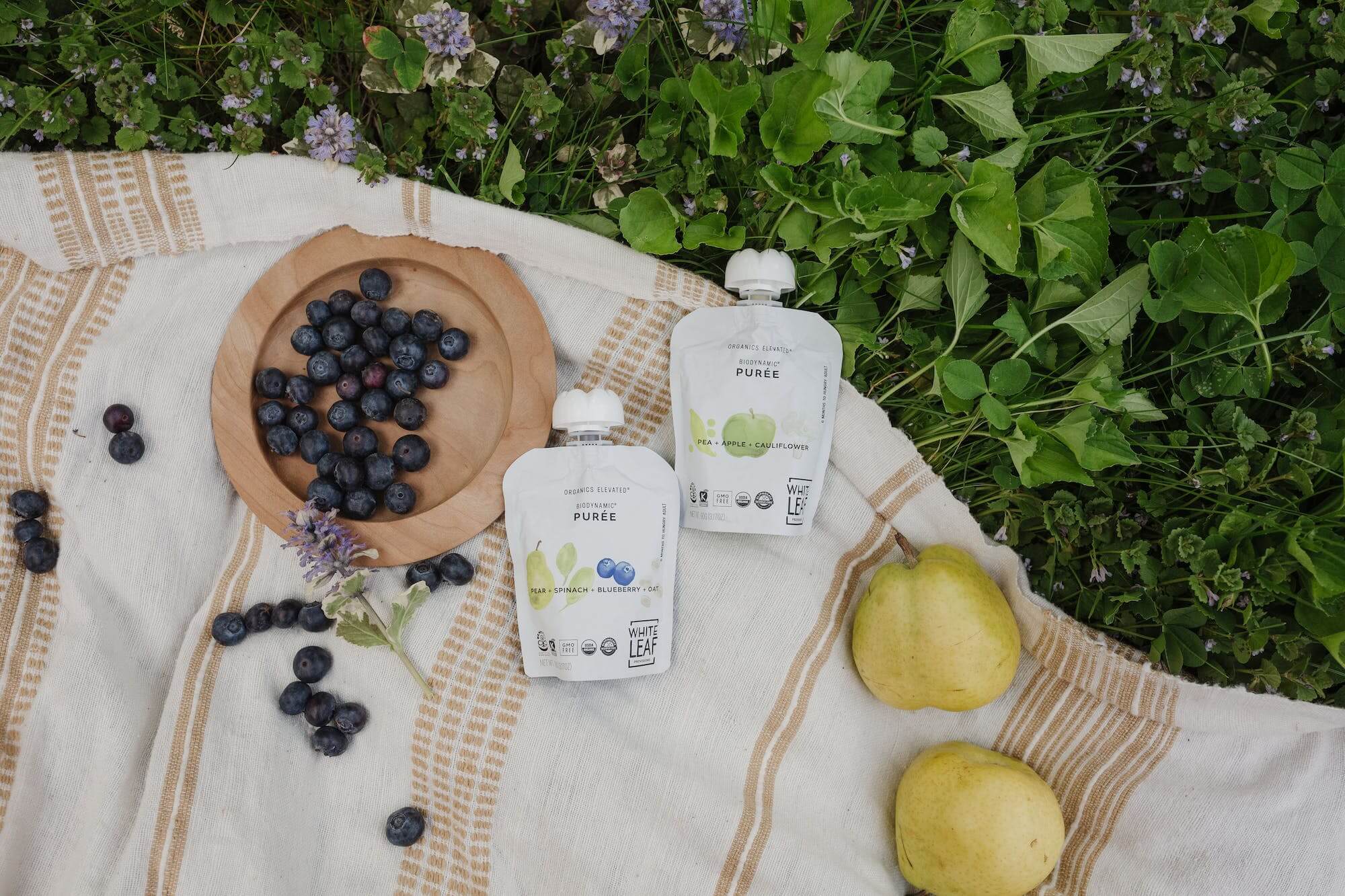
The gold standard in baby food, offering Demeter-certified biodynamic ingredients that exceed organic standards for soil health and purity.
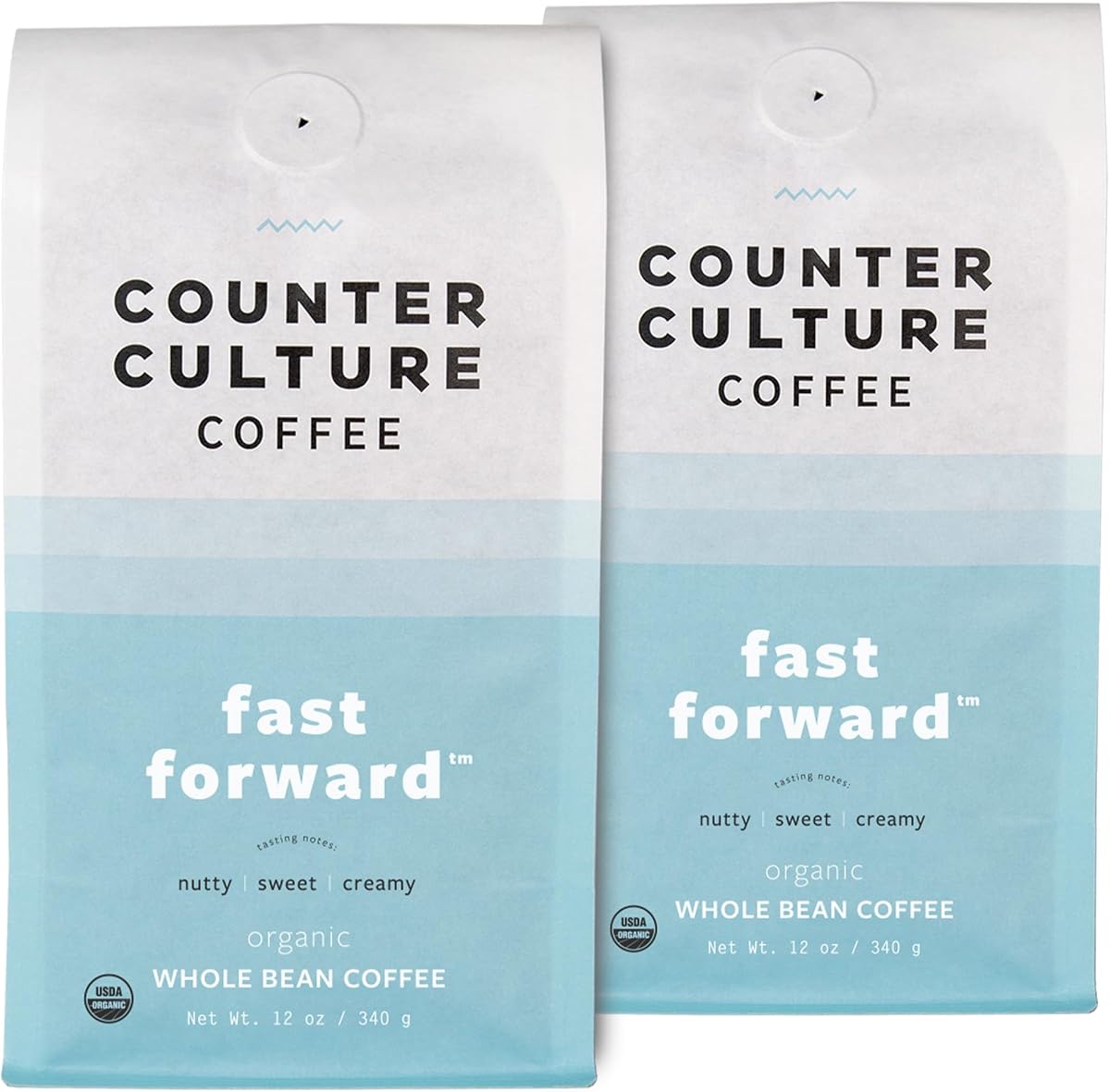
A 100% farmer-owned coffee cooperative that bypasses traditional middlemen to ensure maximum profits return to the growers.

A gold-standard example of regenerative agriculture, these oats go beyond organic by actively restoring soil health and ensuring fair wages for farmers in a vertically integrated supply chain.

Arguably the most ethical coconut oil on the market, sourced from 'Serendipol' in Sri Lanka using regenerative practices that revitalize soil and support a fair-trade community.

Exquisite heirloom Malagasy cocoa produced entirely at the source in Madagascar. This professional-grade bulk trunk supports direct-trade and lemur habitat conservation.

A 100% farmer-owned cooperative coffee brand that bypasses middlemen to ensure maximum profits return to the growers.

A gold standard in ethical confectionery, using regenerative farming to combat climate change while ensuring living wages for cocoa farmers.
A gold standard in ethical confectionery, combining fair-pay labor practices with regenerative cocoa farming that restores biodiversity in the Ivory Coast and Ghana.

A gold-standard breakfast staple sourced from family-owned farms in Montana using regenerative practices that actively sequester carbon and restore soil health.
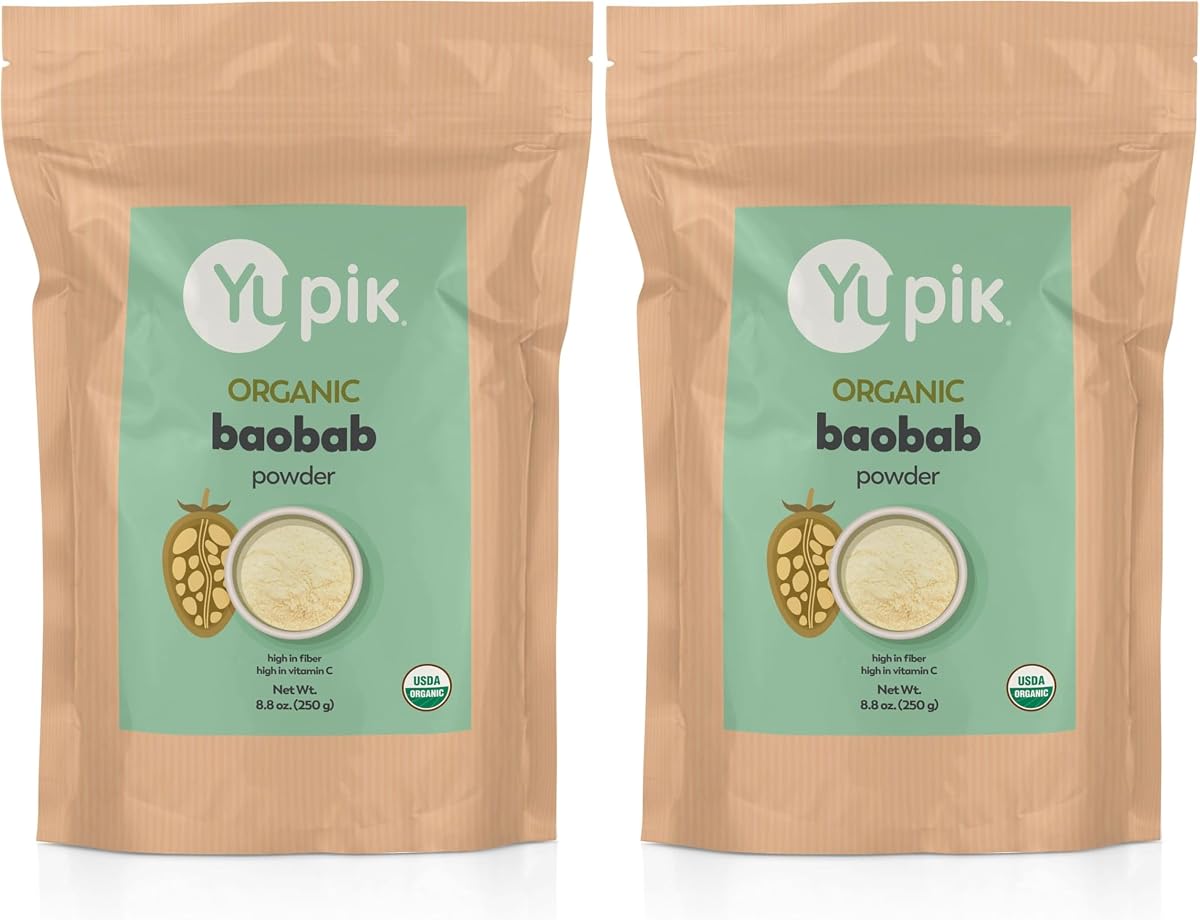
A nutrient-dense African superfood powder ethically harvested by women's cooperatives in Upper East Ghana, providing a massive vitamin C boost.

A French pioneer in organic fair-trade chocolate, Kaoka builds long-term partnerships with smallholder cooperatives to produce high-end, Kosher-certified dark chocolate.
What Nilla is rated on
Nilla vanilla wafers are evaluated on several common ethical shopping criteria. The brand currently holds no independent third-party certifications, such as Fair Trade Certified, USDA Organic, Non-GMO Project Verified, or Vegan Action. Its parent company, Mondelēz International, has published broad sustainability goals around responsible sourcing (e.g., cocoa and palm oil) and packaging reductions, but these commitments are not specific to Nilla products. Regarding animal testing, Mondelēz states it does not conduct tests on finished products unless required by local law, which means Nilla cannot be marketed as cruelty-free or vegan-friendly without further verification. No major controversies are on record, but the lack of certifications leaves uncertainty for shoppers prioritizing verified ethical standards.
How the alternatives were picked
The alternatives listed below were selected based on three criteria: (1) they are direct substitutes for vanilla wafer cookies, (2) they hold at least one recognized ethical certification (such as Fair Trade, Organic, or Non-GMO), and (3) they are produced by independent companies with transparent supply chains. Each alternative was cross-checked against public certification databases and brand statements. Brands with multiple certifications or verified small-scale sourcing were prioritized. The goal is to offer clear, evidence-based comparisons for shoppers seeking more assurance than Nilla currently provides.
What to check on the label
When evaluating vanilla wafer alternatives, look for these label indicators: Fair Trade Certified or Rainforest Alliance Certified for vanilla and sugar sourcing; USDA Organic or Non-GMO Project Verified for ingredient purity; Vegan or Vegetarian Society Approved if animal-derived ingredients or testing are a concern. Also check for palm oil certification (e.g., RSPO) if the product contains it. Many smaller brands list their sourcing origins directly on packaging or websites. Avoid vague claims like “natural” without a certification mark — these are not legally enforceable in many regions. For a fully traceable alternative, prioritize brands that disclose their vanilla supply chain or partner with fair trade cooperatives.
Frequently asked about Nilla alternatives
Does Nilla test on animals?+
Mondelēz International, Nilla’s parent company, states it does not conduct animal testing on finished products unless required by local law. However, Nilla has no vegan or cruelty-free certifications, and the policy does not cover ingredient suppliers or third-party testing.
Are any Nilla wafers organic or fair trade?+
No. Nilla products carry no organic, fair trade, or non-GMO certifications. Shoppers seeking verified ethical sourcing should look for independently certified alternatives.
What are the main ethical concerns with Nilla?+
The primary concerns are the lack of third-party certifications for ingredients like vanilla and sugar, and the parent company’s conditional animal testing policy. Additionally, Mondelēz’s palm oil sourcing, while under sustainability goals, has been criticized by some environmental groups.
Can I find vanilla wafer alternatives that are both vegan and fair trade?+
Yes. Several smaller brands produce vanilla wafers that are certified vegan and fair trade. Check labels for the Vegan Action or Certified Vegan logo alongside Fair Trade Certified or Rainforest Alliance seals.