Ethical Alternatives to no tox life
No Tox Life is a U.S.-based brand offering vegan, cruelty-free, and zero-waste cleaning and personal care products, with strong ethical certifications including Leaping Bunny, PETA Approved, and Palm Oil Free. While its dish soaps score highly for ethics, shoppers may seek alternatives due to availability, ingredient preferences, or budget considerations.
Categories compared: Beauty & Personal Care, Home & Cleaning, Health & Wellness
Why shoppers look for alternatives to no tox life
- No Tox Life products are primarily sold in the U.S., with limited international shipping options, making them hard to source outside North America.
- Some users prefer liquid formulations over the brand's solid bar soaps and powders, which can be less convenient for certain cleaning tasks.
- The brand’s product range is narrower than competitors, focusing mainly on dish soap, laundry powder, and personal care bars, lacking broader home cleaning or personal care categories.
- Price per use may be higher than some bulk or concentrate alternatives, which is a factor for budget-conscious ethical shoppers.
Top-scoring alternatives to no tox life
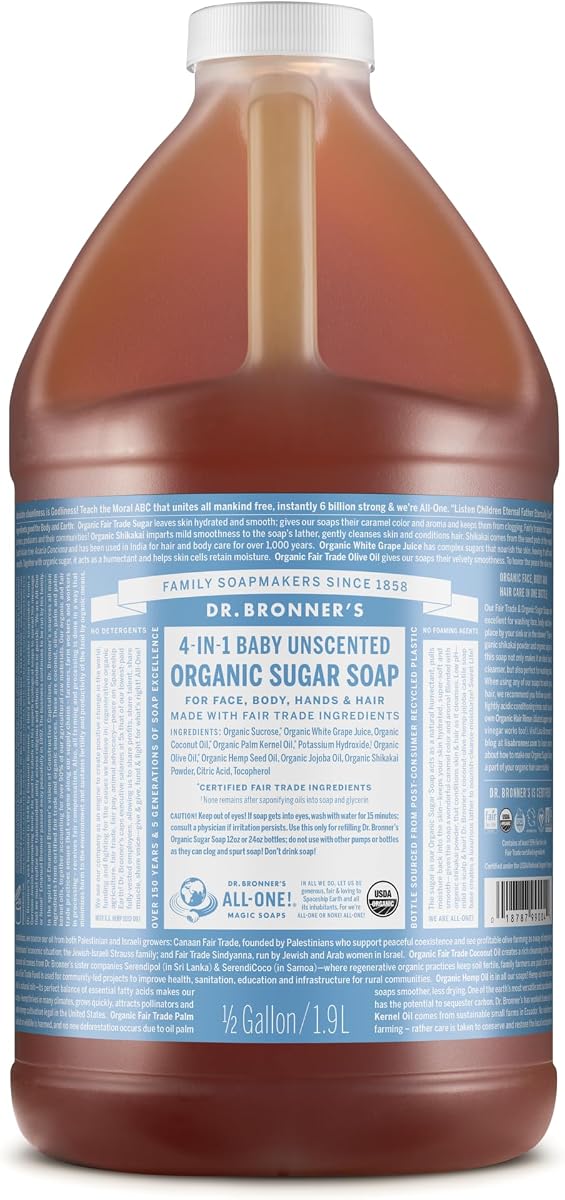
A multi-use, fair-trade organic soap that is gentle enough for pets yet effective at removing grime and odors.

The gold standard for multi-purpose ethical cleaning, featuring organic oils and fair trade sourcing in a post-consumer recycled bottle.

The gold standard for ethical personal and pet care. Dr. Bronner’s Peppermint Pure-Castile Soap is biodegradable, fair trade, and highly concentrated for multi-purpose use.

The gold standard of ethical cleaning; a multi-use, highly concentrated liquid soap made with organic oils and fair trade ingredients.

A fluoride-free, 70% organic toothpaste that leads the industry in fair trade sourcing and activist corporate governance.

A legendary multi-use soap that is widely recommended by groomers for pets due to its organic, fair-trade ingredients and complete lack of synthetic detergents.

The ultimate multi-tasker for minimalist hosts; one bottle can wash hands, body, hair, and even dishes.
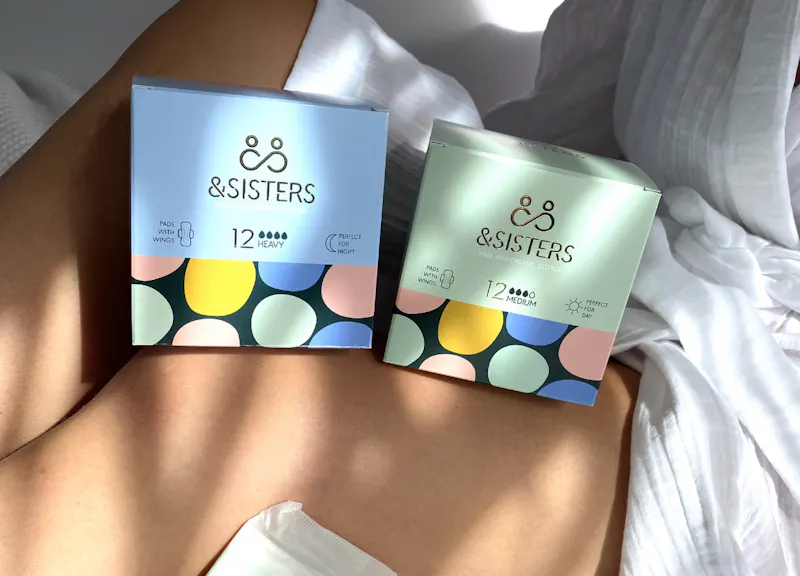
A UK-based, women-owned B Corp offering the highest ethical standard in menstrual care. This bulk 'Sisterhood' bundle features GOTS organic cotton tampons and pads with RSPO-segregated inputs, ensuring zero deforestation.

The gold standard of ethical soaps, featuring regenerative organic palm oil and a legacy of fair-trade advocacy and radical transparency.

A hand-crafted, raw wellness balm produced by women’s cooperatives in Ghana, ideal for gluten-free skin nutrition and head-to-toe hydration.
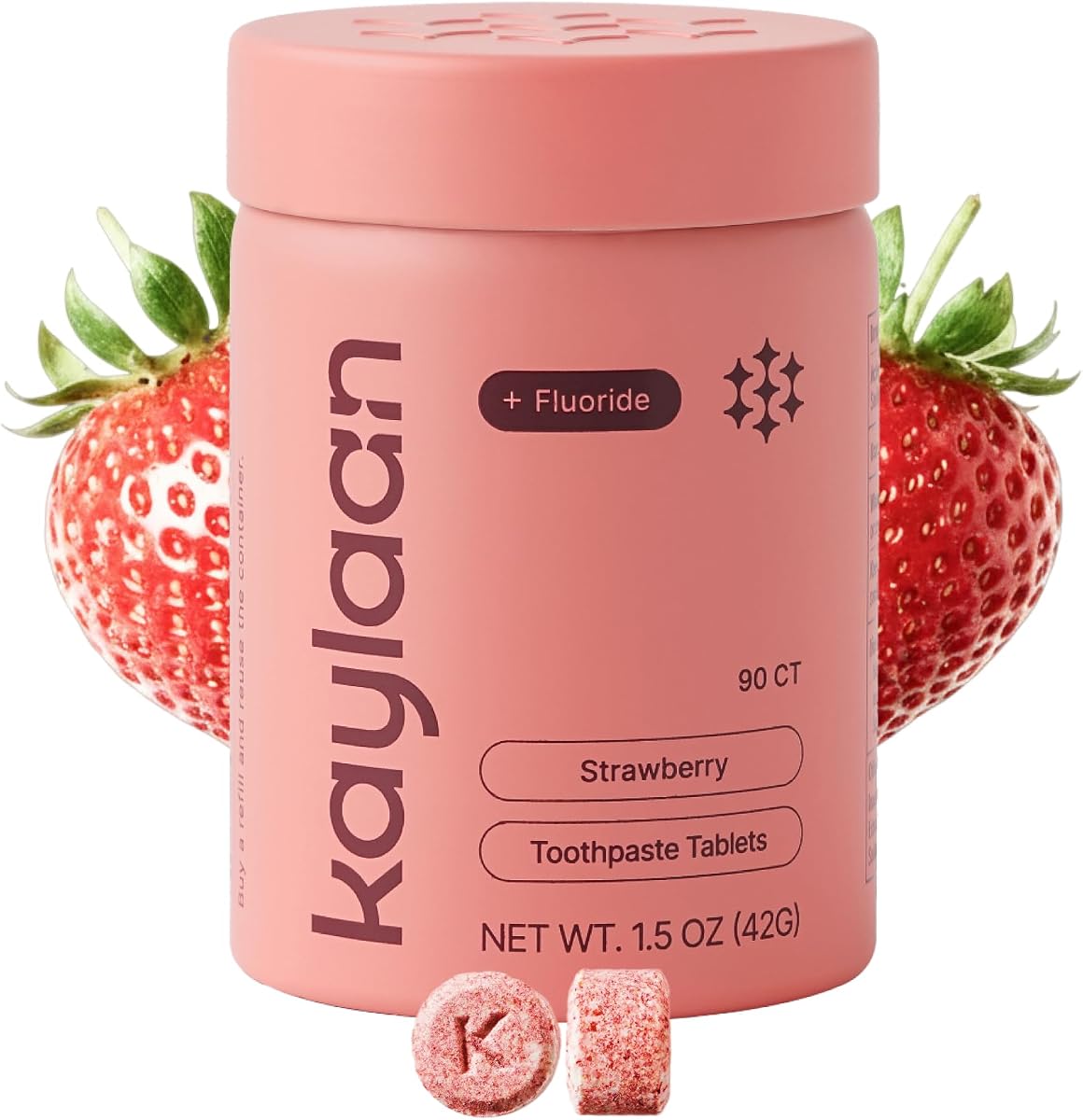
A zero-waste oral care system consisting of fluoride-free tablets in a refillable glass jar, featuring ingredients sourced from ethical Eastern European partners.

A high-potency, carbon-extracted rosehip oil designed specifically for sensitive skin, backed by rigorous B Corp standards and organic agricultural sourcing.
What No Tox Life is rated on
No Tox Life earns top marks for its vegan, Leaping Bunny, and PETA-approved cruelty-free certifications, plus a palm-oil-free policy. The brand’s dish soaps and personal care bars are non-toxic, minimally packaged, and supported by clean sourcing. However, its product line is limited primarily to solid bars and powders, with no liquid concentrates or multi-surface cleaners. The brand is also U.S.-centric, which can limit accessibility for international shoppers.
How the alternatives were picked
We evaluated alternatives based on three criteria: (1) verified certifications—Leaping Bunny or PETA cruelty-free, vegan, and ideally palm-oil-free or sustainable palm sourcing; (2) ingredient transparency, with no hidden synthetic fragrances or preservatives; (3) product range and availability, including price parity with No Tox Life. We also considered brands that offer liquid formulations or bulk refills for added convenience without sacrificing ethics. Each alternative listed here holds at least one major cruelty-free certification and publishes its full ingredient list online.
What to check on the label
When choosing a No Tox Life alternative, look for these label features: Vegan (no animal-derived glycerin, tallow, or lanolin), Leaping Bunny or PETA cruelty-free logo (not just “not tested on animals”), and a palm-oil-free claim or RSPO-certified sustainable palm oil. For cleaning products, avoid “fragrance” as a catch-all—opt for brands that list each scent component. Also confirm packaging is recyclable or compostable; some competitors offer refill pouches or bulk dispensers that reduce waste further than solid bars.
How to judge a suggested brand alternative
An alternatives page is a starting shortlist, not proof that one brand is universally better than another. The suggestions come from our catalogue: published products in a similar category with a recorded ethics score. They answer a narrow question — which products we list might fit the same need — and they cannot tell you which option performs best, suits your skin or diet, or matches your budget.
Match the job before the score
Start with what the original product does for you: format, size, scent, skin or dietary requirements and where you buy it. A higher-scoring alternative is not useful if it comes in a format you cannot use or is not sold where you shop. Check the alternative's full record — purpose, ingredients, price and seller — before treating it as a replacement.
Compare evidence, not impressions
Read certifications at their stated scope: a scheme may cover one range, one material or a named entity rather than a whole brand. An animal-free ingredient list and an animal-testing policy are separate questions, and a parent company's record is a third. Where a claim matters to you, confirm it in the scheme's own directory or the manufacturer's current statement rather than relying on a badge alone.
Keep the limits of the comparison visible
Catalogue scores are AI-assisted assessments with documented limitations, not laboratory measurements. A missing score is a data gap, not a failing grade. The original brand's presence here reflects what our records contain, which may omit reformulations, regional differences or newer certifications. For health, safety or recall concerns, use official sources rather than any score.
| Check | Where to confirm it | Avoid assuming |
|---|---|---|
| Does the alternative do the same job? | Its full product record and the maker's current description | A similar category means a like-for-like replacement |
| Is a claimed certification current? | The certification scheme's official directory | A badge covers the whole brand or group |
| Is it actually available to you? | The retailer's current listing, price and delivery | A catalogue price tier is a live quote |
Frequently asked about no tox life alternatives
Are there solid bar alternatives to No Tox Life's dish soap that are certified palm-oil-free?+
Yes, brands like Blueland and Booda Organics offer solid dish soap bars with Leaping Bunny certification and palm-oil-free formulations. However, always check the ingredient list because some solid bars use coconut-derived surfactants instead of palm.
Does No Tox Life test on animals or use suppliers that test?+
No. Public records confirm No Tox Life has a strict policy never to test on animals and does not work with suppliers that conduct animal testing. They are Leaping Bunny and PETA Approved certified.
Why would I choose a liquid cleaner over No Tox Life's solid bars?+
Liquid or concentrate cleaners (e.g., from Meliora or Common Good) can be easier to dispense for routine tasks like mopping or scrubbing. Many liquid alternatives also offer refill pouches that reduce packaging waste, while still holding Leaping Bunny and vegan certifications.
Are No Tox Life products available outside the U.S.?+
No Tox Life ships only within the U.S. and Canada. For international shoppers, alternatives like Fillaree (U.S. but ships internationally) or Seep (U.K.-based) offer similar vegan, cruelty-free cleaning products with zero-waste packaging.