Ethical Alternatives to Nutella
Nutella is a beloved hazelnut spread, but its ethical profile has nuances that may leave some shoppers seeking alternatives. While Ferrero has made progress in sustainable palm oil and packaging, the brand lacks third-party certifications and faces questions over ingredient sourcing.
Categories compared: Food & Nutrition
Why shoppers look for alternatives to Nutella
- Nutella uses RSPO Mass Balance palm oil, which allows mixing certified and non-certified palm oil in supply chains, not fully traceable to certified plantations.
- Ferrero’s animal testing policy allows ingredient supplier testing, and it sells in China where animal testing on finished products is legally required.
- Nutella lacks prominent third-party certifications like Fairtrade, Organic, or Rainforest Alliance, making it harder for shoppers to verify ethical claims.
- Sugar sourcing is not independently certified as ethical, and Ferrero has not disclosed full supply chain details for non-palm ingredients.
Top-scoring alternatives to Nutella

A gold-standard example of regenerative agriculture, these oats go beyond organic by actively restoring soil health and ensuring fair wages for farmers in a vertically integrated supply chain.

The gold standard for ethical food production, this coconut oil uses regenerative organic practices and fair trade labor to set a benchmark for corporate responsibility.
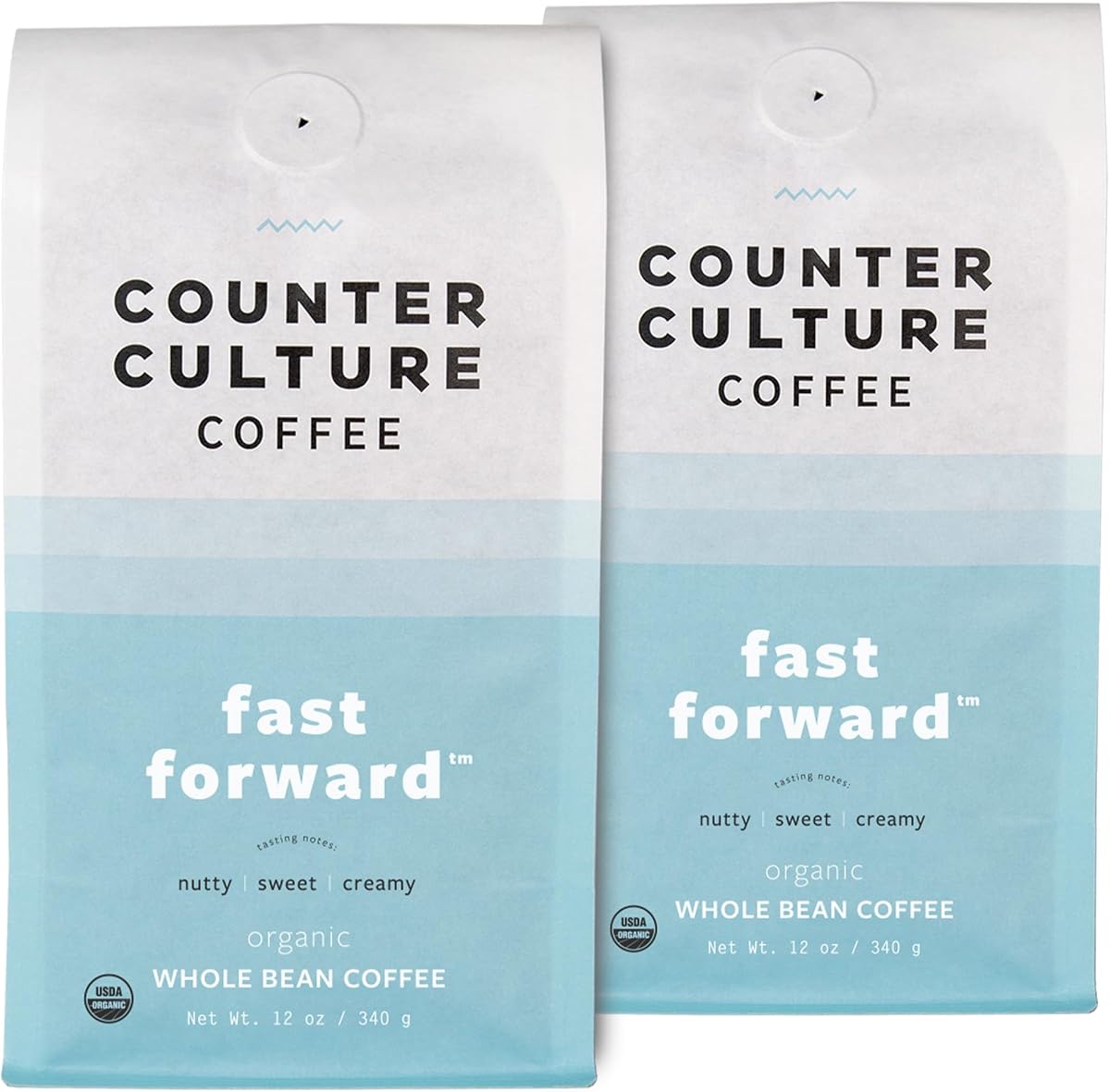
A 100% farmer-owned coffee cooperative that bypasses traditional middlemen to ensure maximum profits return to the growers.
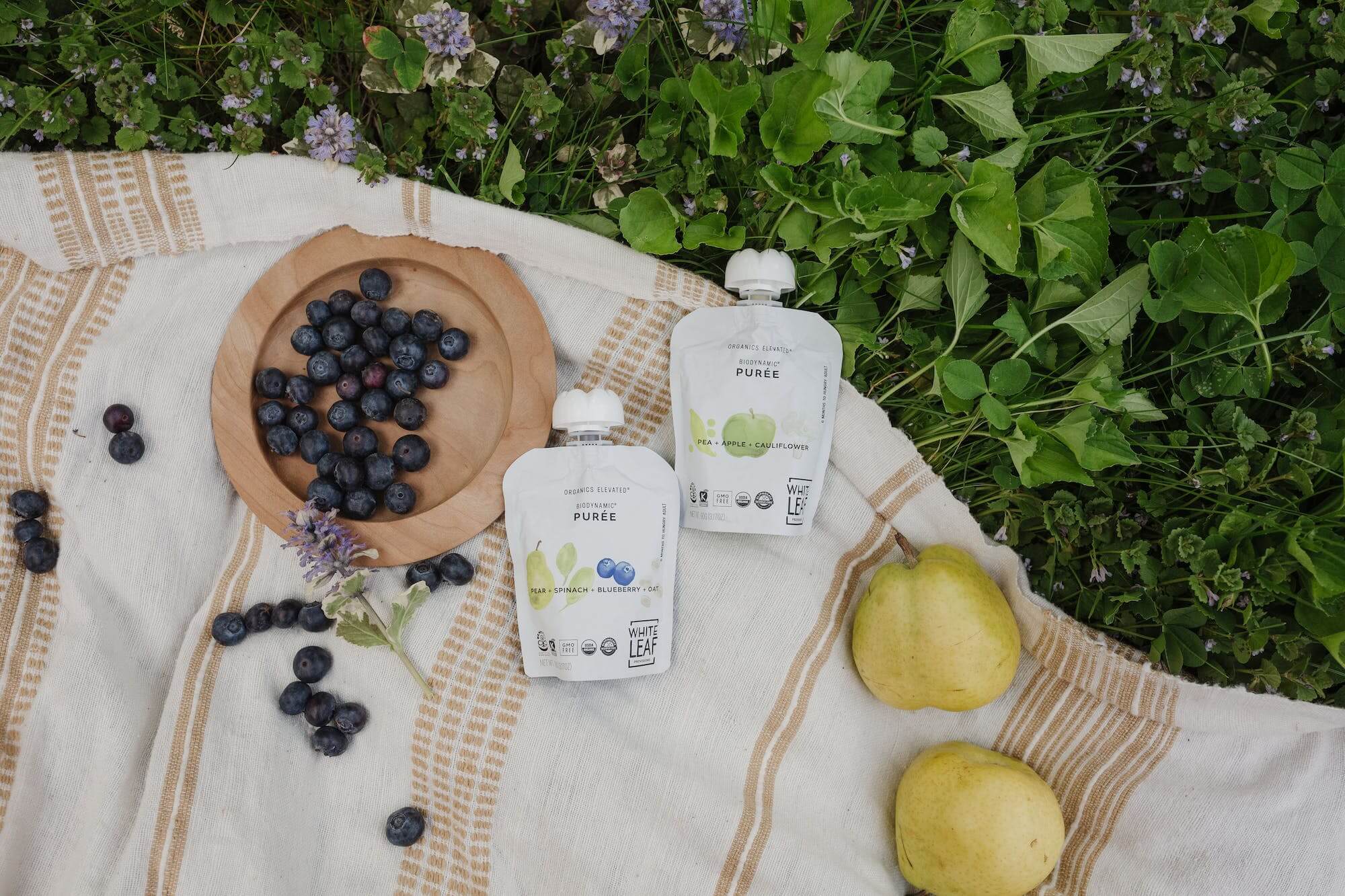
The gold standard in baby food, offering Demeter-certified biodynamic ingredients that exceed organic standards for soil health and purity.

A gold standard in ethical confectionery, combining fair-pay labor practices with regenerative cocoa farming that restores biodiversity in the Ivory Coast and Ghana.

A gold-standard breakfast staple sourced from family-owned farms in Montana using regenerative practices that actively sequester carbon and restore soil health.

Arguably the most ethical coconut oil on the market, sourced from 'Serendipol' in Sri Lanka using regenerative practices that revitalize soil and support a fair-trade community.
A gold standard in ethical confectionery, using regenerative farming to combat climate change while ensuring living wages for cocoa farmers.

A 100% farmer-owned cooperative coffee brand that bypasses middlemen to ensure maximum profits return to the growers.
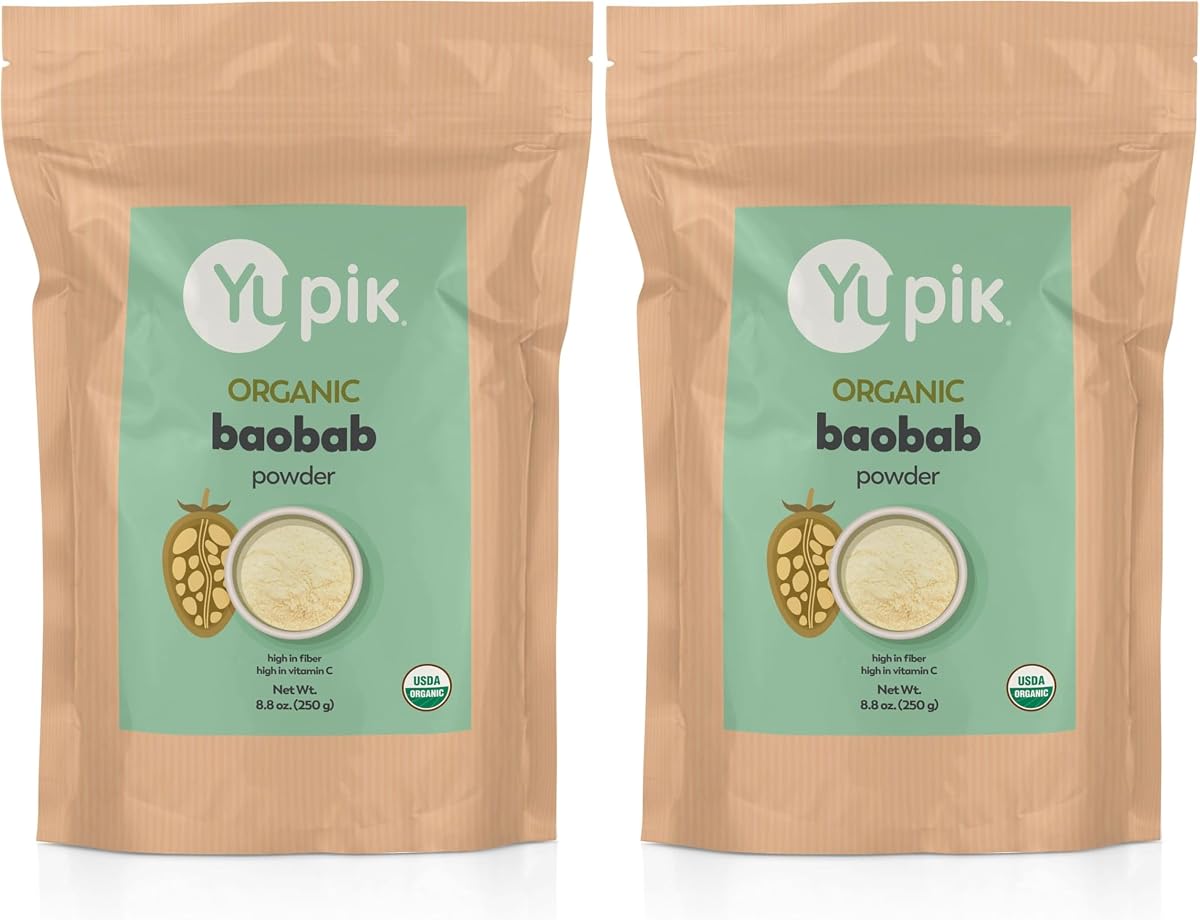
A nutrient-dense African superfood powder ethically harvested by women's cooperatives in Upper East Ghana, providing a massive vitamin C boost.

Exquisite heirloom Malagasy cocoa produced entirely at the source in Madagascar. This professional-grade bulk trunk supports direct-trade and lemur habitat conservation.

A gold standard in ethical food production, this virgin coconut oil is sourced from regenerative organic palms in Sri Lanka, ensuring soil health and fair wages.
What Nutella is rated on
Nutella is assessed on palm oil sustainability, packaging reductions, and animal testing policy. Its palm oil is certified under the RSPO Mass Balance model, which does not guarantee traceability to certified sources. Ferrero has reduced packaging weight and increased recycled content, but the brand holds no independent certifications such as Fairtrade, Organic, or Rainforest Alliance. Animal testing: Ferrero does not test finished products unless legally required (e.g., in China), but ingredient suppliers may conduct tests. The brand also sells in mainland China, where animal testing can be required by law.
How the alternatives were picked
We selected alternatives based on three criteria: (1) independent third-party certifications (e.g., Organic, Fairtrade, RSPO Identity Preserved, Vegan Certified), (2) transparent animal testing policies (no testing on final products or by suppliers), and (3) verified sustainable sourcing for palm oil and sugar. Each alternative was cross-checked against public certification databases and company statements. For hazelnut spreads, we prioritized brands that use certified organic ingredients, direct-trade cocoa, or fully traceable palm oil.
What to check on the label
When comparing ethical hazelnut spreads, look for these label markers: Certified Organic (USDA Organic, EU Organic) ensures no synthetic pesticides or fertilizers. Fairtrade Certified ensures farmers receive fair wages and ethical treatment. RSPO Identity Preserved (IP) palm oil means the oil is fully traceable to a single certified plantation, unlike Nutella’s Mass Balance. Vegan or Cruelty-Free logos (e.g., Leaping Bunny) indicate no animal testing at any stage. Non-GMO Project Verified is common on ethical brands. Avoid vague terms like 'sustainable' or 'ethical' without a certification—check the brand’s website for third-party audits. Also, note the sugar source: some alternatives use coconut sugar or date syrup, which may have lower environmental impact.
Frequently asked about Nutella alternatives
Does Nutella test on animals?+
Ferrero states it does not test finished products on animals unless required by local laws, such as in China. However, ingredient suppliers may conduct animal testing on components used in Nutella. The brand sells in mainland China, where animal testing on finished products is legally mandated for certain products.
What is RSPO Mass Balance and how does it differ from fully traceable palm oil?+
RSPO Mass Balance allows certified and non-certified palm oil to be mixed in the supply chain, with only the total volume claimed as certified. This means Nutella’s palm oil may not come directly from certified plantations. In contrast, 'Identity Preserved' (IP) palm oil is fully traceable to a single certified source.
Are there any Nutella alternatives that are certified organic and fair trade?+
Yes, brands like Artisana Organics, Nutiva, and some local producers offer hazelnut spreads that are USDA Organic and often Fairtrade certified. These brands typically use RSPO Identity Preserved palm oil or no palm oil at all.
Why doesn’t Nutella have a third-party certification like Fairtrade or Rainforest Alliance?+
Ferrero uses its own internal 'Ferrero Farming Values' program for supplier standards, but this is not independently audited or publicly recognized by external certification bodies. The company has not pursued third-party certifications for Nutella, likely due to cost and supply chain complexity.