Ethical Alternatives to Olay
Olay is a mass-market skincare brand owned by Procter & Gamble. While widely available, it lacks cruelty-free certification and sells in mainland China where animal testing is legally required for imported cosmetics. This page helps you find ethical alternatives that match Olay’s core categories of moisturizers, anti-aging products, and cleansers.
Categories compared: Beauty & Personal Care, Health & Wellness
Why shoppers look for alternatives to Olay
- Olay’s parent company P&G is not certified cruelty-free by any major program (e.g., Leaping Bunny, PETA).
- P&G sells Olay in mainland China, where post-market animal testing is legally required for imported cosmetics.
- Olay holds no third-party ethical certifications (e.g., vegan, B Corp, or Fair Trade) for its skincare range.
- P&G funds alternative-testing research but continues to rely on animal tests where required by Chinese law.
- Many shoppers seek brands with transparent, certified-cruelty-free supply chains and no animal testing dependency.
Top-scoring alternatives to Olay

An ultra-ethical, multipurpose skin salve made with organic oils and fair-trade beeswax, setting the gold standard for corporate responsibility.

Quite literally the gold standard for ethical sourcing, this coconut oil supports regenerative agriculture and fair wages for thousands of farmers in Sri Lanka.

A zero-waste, plastic-free solid shampoo bar that replaces three plastic bottles, featuring fair-trade ingredients and a focus on water conservation.

A mass-market accessible body wash that funds community empowerment projects in Togo, West Africa, using fair-trade unrefined shea butter.
A zero-waste, plastic-free body cleanser bar that replaces three bottles of liquid soap and uses regenerative fair-trade ingredients.

A fluoride-free, 70% organic toothpaste that leads the industry in fair trade sourcing and activist corporate governance.

The ultimate multi-tasker for minimalist hosts; one bottle can wash hands, body, hair, and even dishes.

A zero-waste, plastic-free solution for hair and body, specifically curated for the minimalist traveler looking to bypass liquid restrictions.
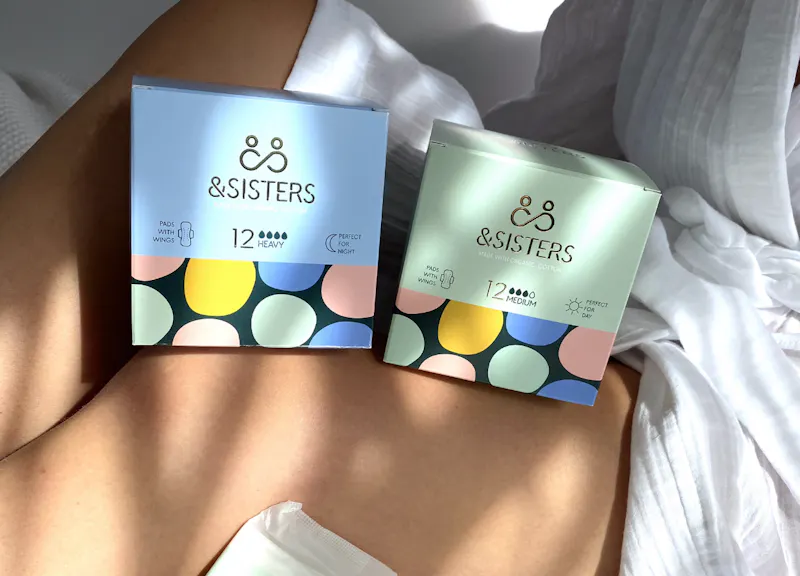
A UK-based, women-owned B Corp offering the highest ethical standard in menstrual care. This bulk 'Sisterhood' bundle features GOTS organic cotton tampons and pads with RSPO-segregated inputs, ensuring zero deforestation.
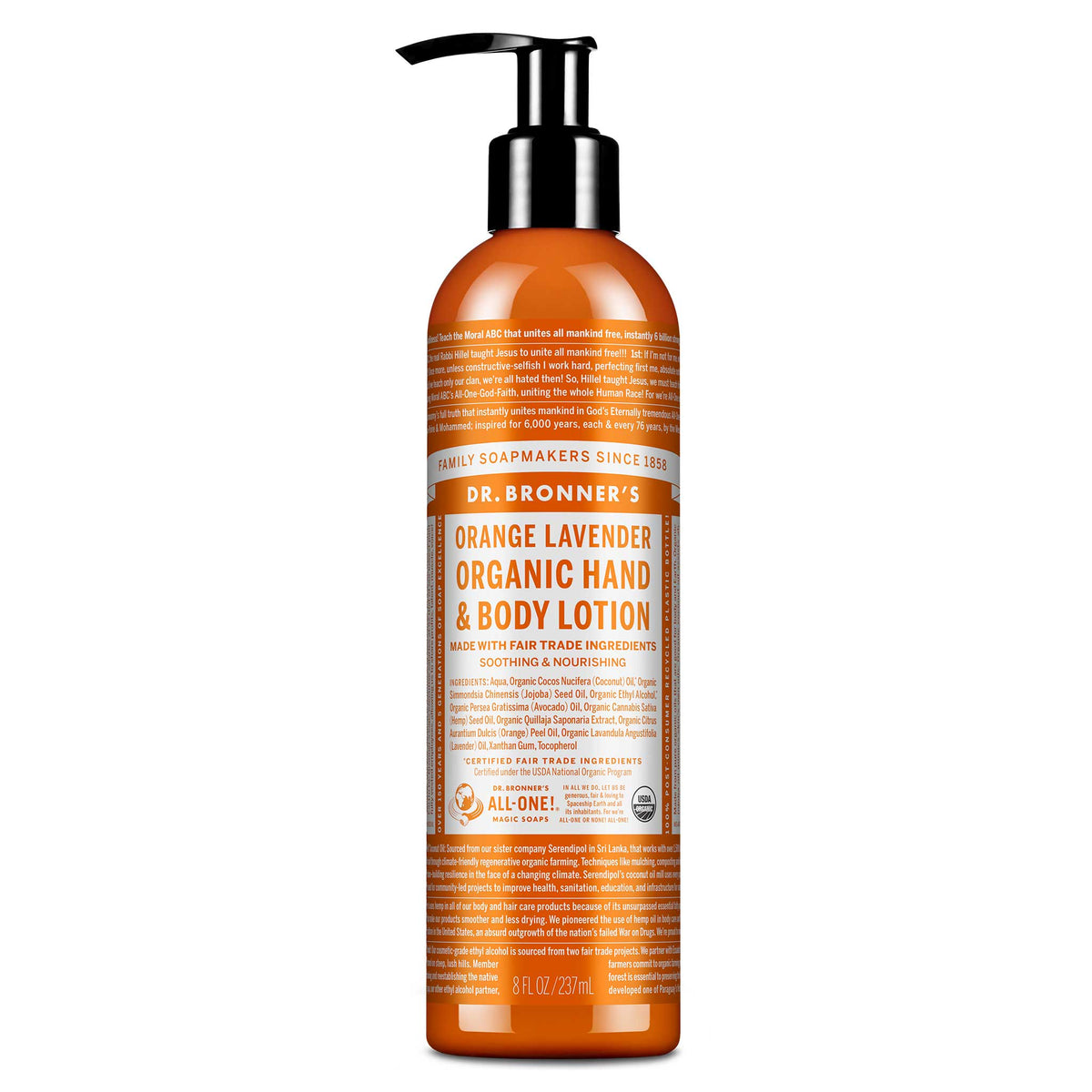
A highly ethical, multi-use lotion crafted with organic oils and fair trade ingredients, setting the industry standard for supply chain transparency and regenerative agriculture.
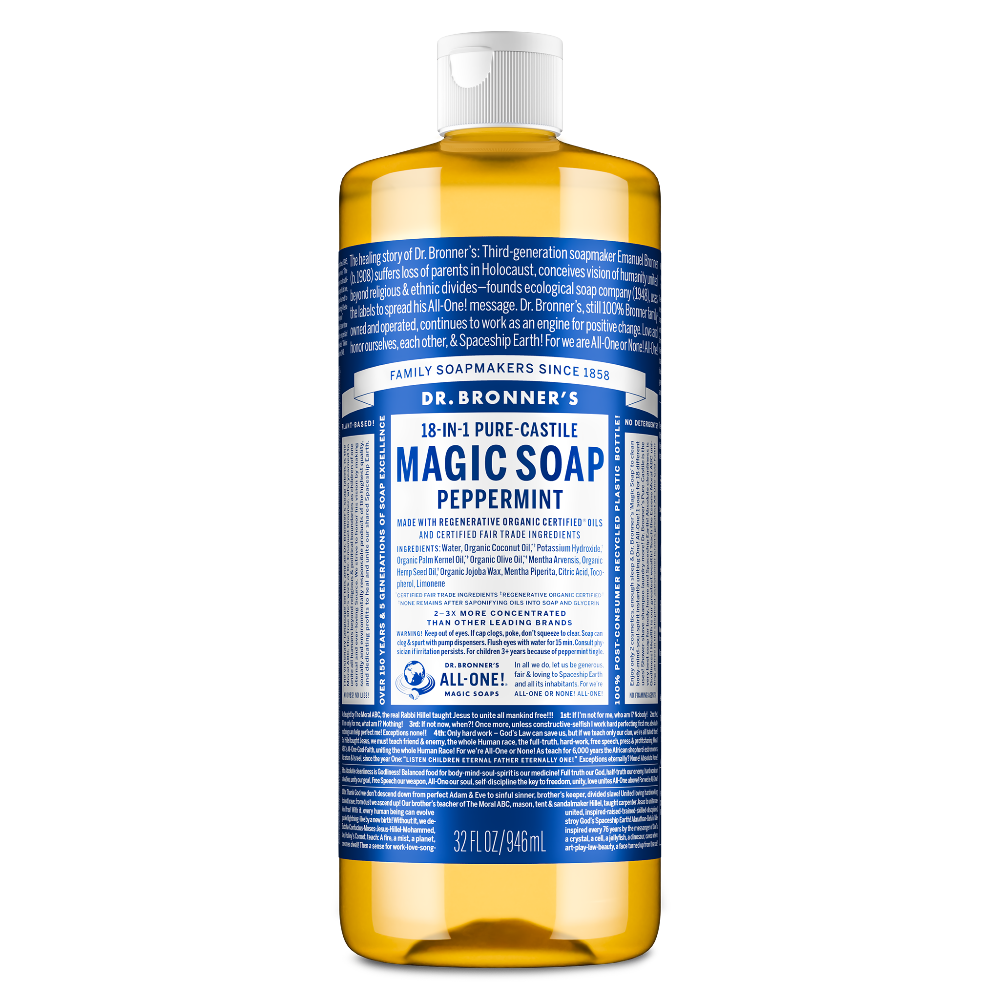
The gold standard of ethical cleaning. A highly concentrated, multi-surface liquid soap made from organic oils and fair trade ingredients in 100% PCR packaging.

The gold standard of ethical soaps, featuring regenerative organic palm oil and a legacy of fair-trade advocacy and radical transparency.
What Olay is rated on
Olay competes primarily in Beauty & Personal Care and Health & Wellness, with products like moisturizers, serums, cleansers, and anti-aging treatments. On ethical shopping comparisons, Olay scores poorly due to its lack of cruelty-free certification. The brand is not certified by Leaping Bunny, PETA’s Beauty Without Bunnies, or any other independent cruelty-free program. P&G states it does not test on animals unless required by law, but because Olay is sold in mainland China—where animal testing is legally mandated for imported cosmetics—the brand cannot claim to be fully cruelty-free. Olay also holds no vegan, organic, or B Corp certifications.
How the alternatives were picked
We selected alternatives that directly compete in Olay’s core categories: moisturizers, anti-aging treatments, and face cleansers. Each alternative meets at least three of these criteria: (1) certified cruelty-free by Leaping Bunny or PETA, (2) does not sell in mainland China or has confirmed they meet EU-style animal testing bans, (3) uses transparent, ethically sourced ingredients, and (4) offers comparable price points or value. Brands like Paula’s Choice, The Ordinary (DECIEM), and Youth to the People are examples of certified cruelty-free alternatives that avoid the China retail risk and invest in alternative testing methods.
What to check on the label
When switching from Olay, look for these label markers: a Leaping Bunny or PETA cruelty-free logo; a statement like “not tested on animals” paired with a company policy that does not rely on third-party testing; a vegan certification if that matters to you; and a clear “no animal testing” commitment that covers both the brand and its suppliers. Avoid brands that say “tested only where required by law” because that usually indicates they sell in markets like China. Also check if the parent company is owned by a conglomerate that tests on animals—some small brands under large, non-cruelty-free parent companies may still be considered ethically questionable.
Frequently asked about Olay alternatives
Why isn’t Olay considered cruelty-free?+
Olay is owned by Procter & Gamble, which has not obtained cruelty-free certification from major programs like Leaping Bunny or PETA. P&G sells Olay in mainland China, where imported cosmetics are legally required to undergo animal testing post-market. The company funds alternative-testing research but still complies with China’s testing mandates.
Does Olay use any certified organic ingredients?+
Olay products are not certified organic by any recognized body (e.g., USDA Organic, COSMOS). The brand’s focus is on synthetic active ingredients (like niacinamide and peptides) rather than organic or natural formulations. For certified organic skincare, consider brands like Dr. Hauschka or Pai Skincare.
What are affordable alternatives to Olay’s Regenerist line?+
Affordable certified cruelty-free alternatives include The Ordinary’s Buffet and Multi-Peptide serums (around $15–$20) and COSRX’s Advanced Snail 96 Mucin Power Essence (around $25). Both are Leaping Bunny approved and do not sell in mainland China.
Can I trust brands that say ‘we do not test on animals’ without a certification?+
You should treat such claims with caution. Without a third-party certification like Leaping Bunny or PETA’s Beauty Without Bunnies, the brand may still test on animals indirectly (e.g., through suppliers) or sell in markets where animal testing is required. Certification provides independent verification.