Ethical Alternatives to Origins
Origins is a plant-based skincare and body-care brand. These alternatives offer similar botanical formulas with stronger independent certification and supply-chain transparency.
Categories compared: Beauty & Personal Care
Why shoppers look for alternatives to Origins
- Seeking cruelty-free plant-based skincare
- Preferring brands with fully disclosed botanical sourcing
- Looking for refillable or recyclable packaging
- Wanting independent ethics verification beyond green marketing
Top-scoring alternatives to Origins

A zero-waste, plastic-free solution for hair and body, specifically curated for the minimalist traveler looking to bypass liquid restrictions.

The gold standard of ethical soaps, featuring regenerative organic palm oil and a legacy of fair-trade advocacy and radical transparency.
A zero-waste, plastic-free shampoo bar equivalent to three bottles of liquid shampoo, utilizing fair-trade cocoa butter and peppermint oil.
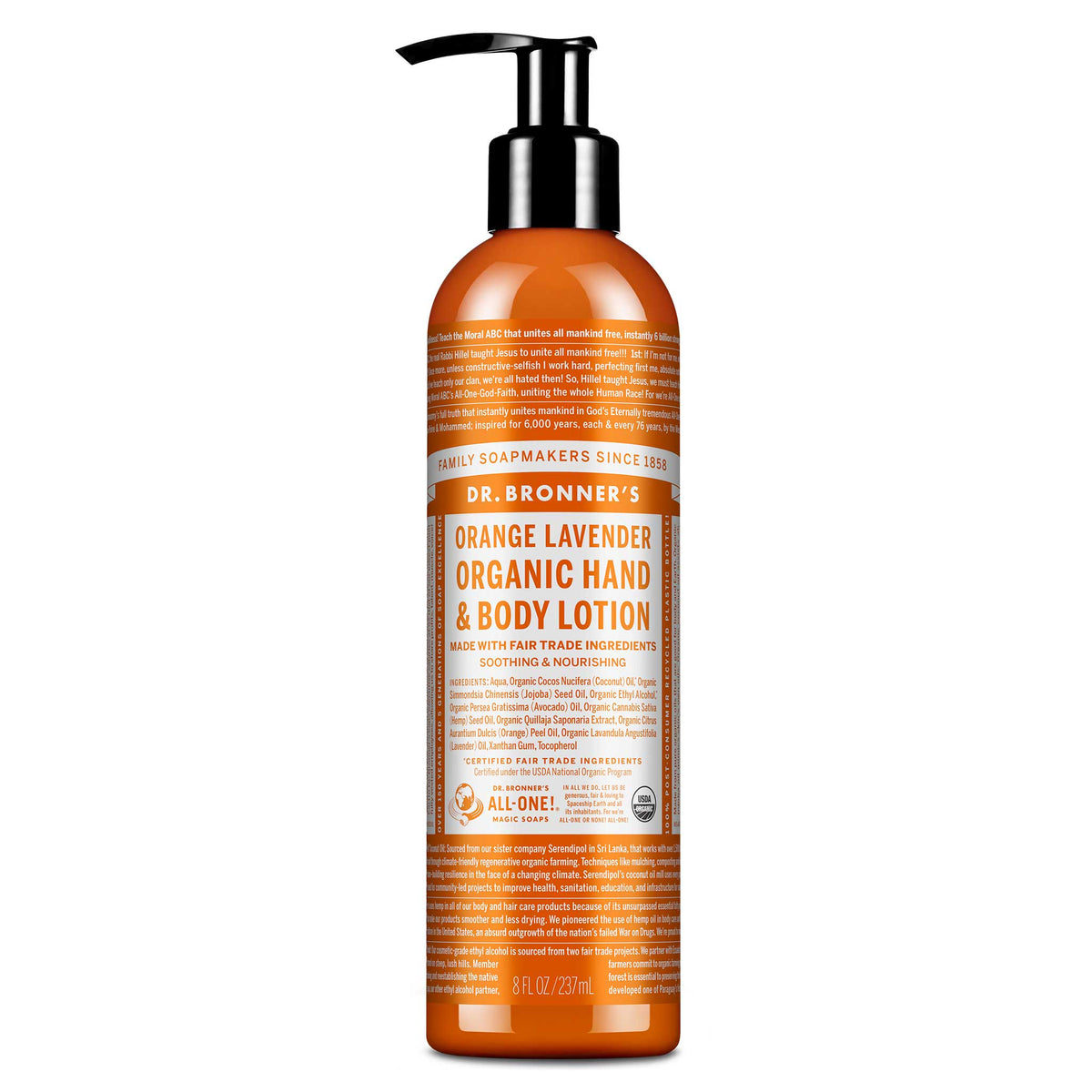
A highly ethical, multi-use lotion crafted with organic oils and fair trade ingredients, setting the industry standard for supply chain transparency and regenerative agriculture.
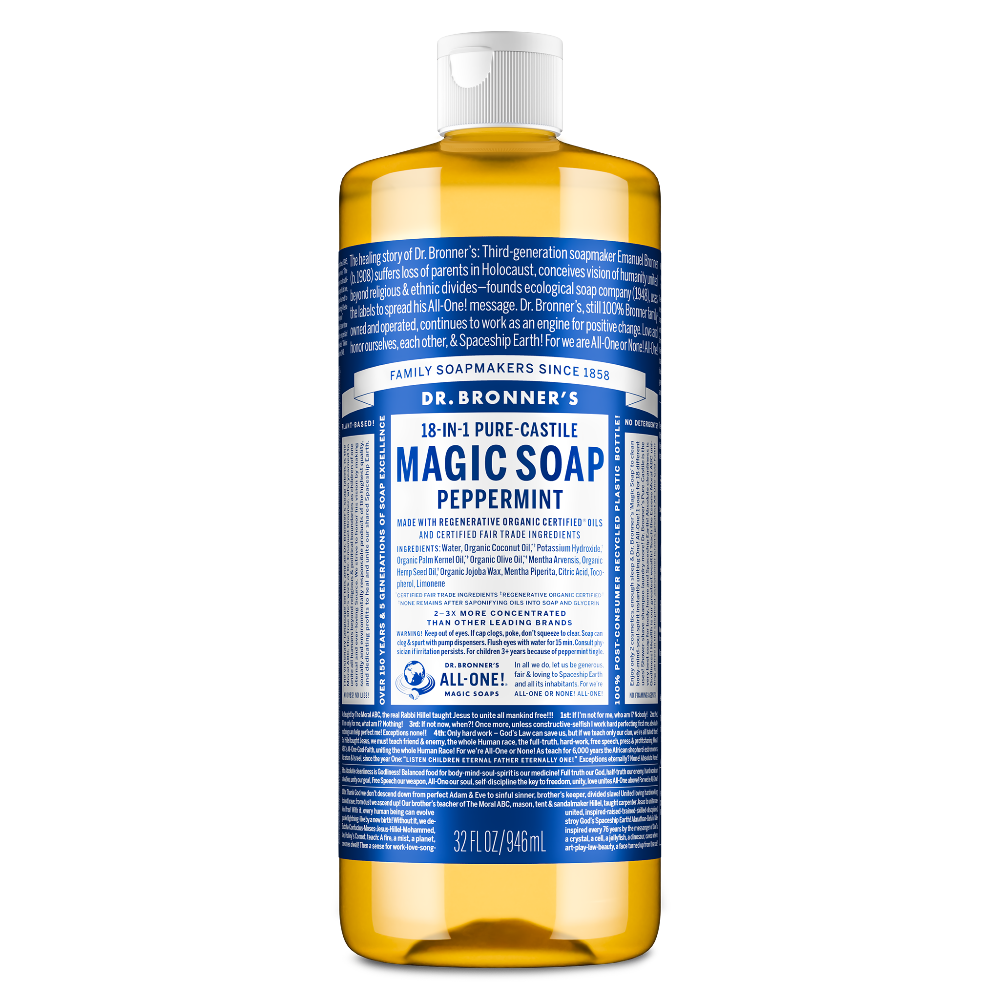
The gold standard of ethical cleaning. A highly concentrated, multi-surface liquid soap made from organic oils and fair trade ingredients in 100% PCR packaging.

A zero-waste, plastic-free solid shampoo bar that replaces three plastic bottles, featuring fair-trade ingredients and a focus on water conservation.

A mass-market accessible body wash that funds community empowerment projects in Togo, West Africa, using fair-trade unrefined shea butter.
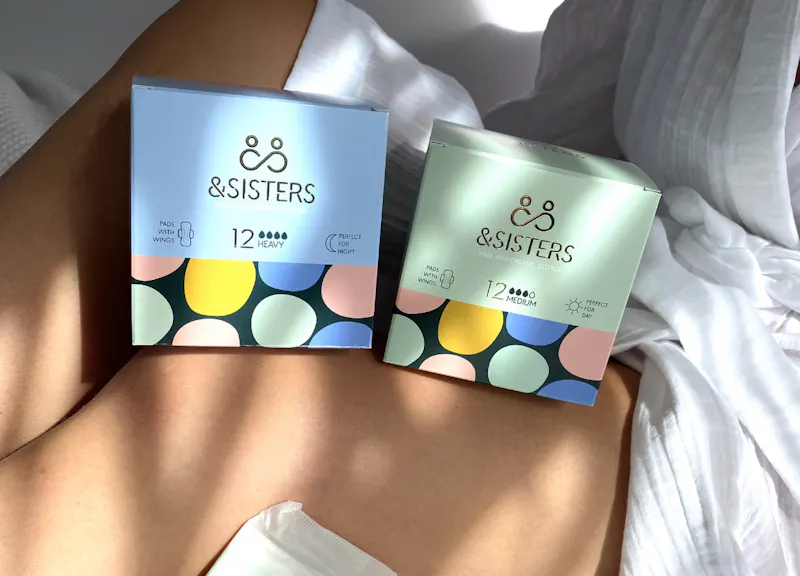
A UK-based, women-owned B Corp offering the highest ethical standard in menstrual care. This bulk 'Sisterhood' bundle features GOTS organic cotton tampons and pads with RSPO-segregated inputs, ensuring zero deforestation.

The ultimate multi-tasker for minimalist hosts; one bottle can wash hands, body, hair, and even dishes.

A zero-waste, plastic-free body cleanser bar that replaces three bottles of liquid soap and uses regenerative fair-trade ingredients.
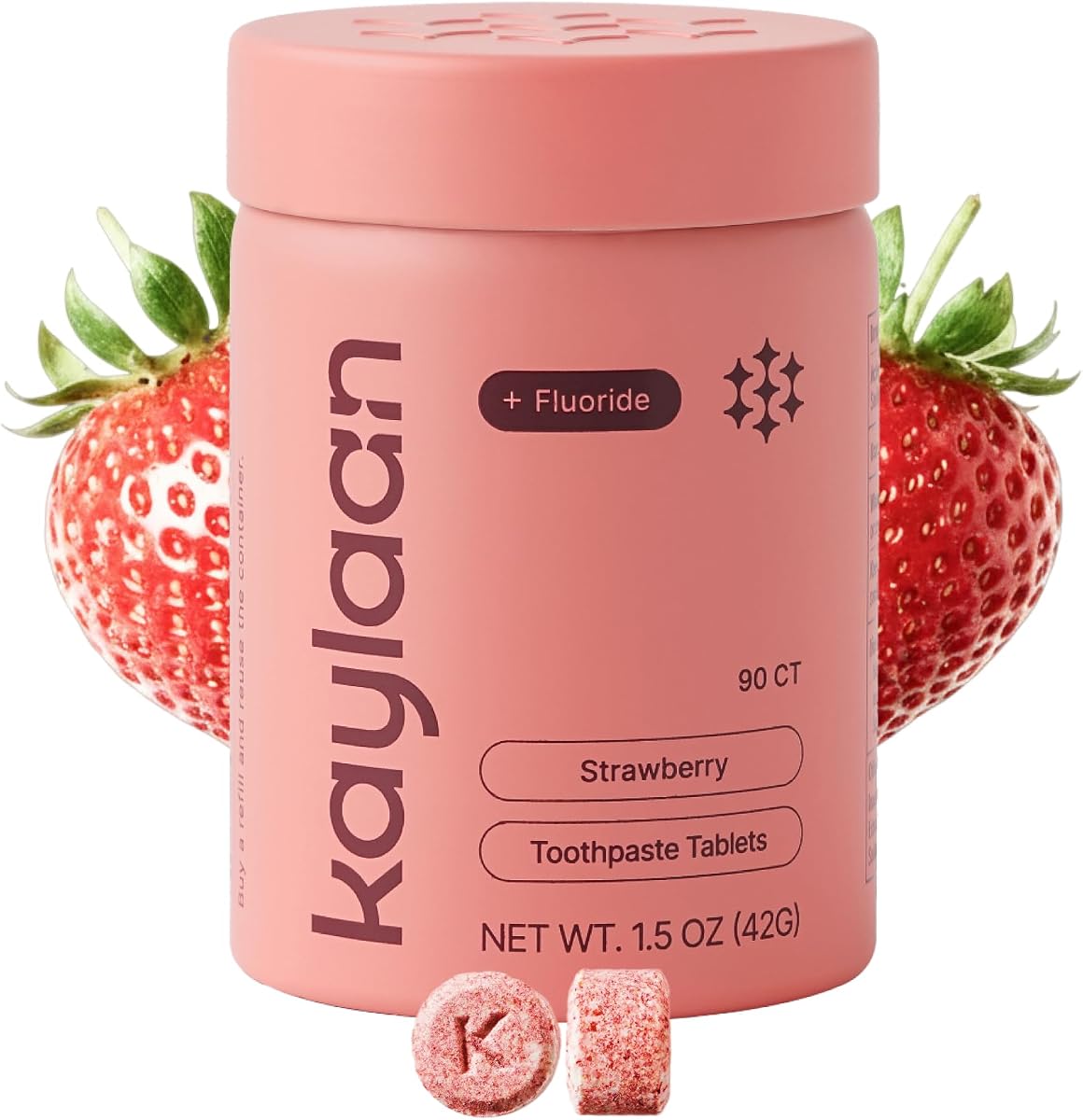
A zero-waste oral care system consisting of fluoride-free tablets in a refillable glass jar, featuring ingredients sourced from ethical Eastern European partners.

A high-potency, carbon-extracted rosehip oil designed specifically for sensitive skin, backed by rigorous B Corp standards and organic agricultural sourcing.
How to judge a suggested brand alternative
An alternatives page is a starting shortlist, not proof that one brand is universally better than another. The suggestions come from our catalogue: published products in a similar category with a recorded ethics score. They answer a narrow question — which products we list might fit the same need — and they cannot tell you which option performs best, suits your skin or diet, or matches your budget.
Match the job before the score
Start with what the original product does for you: format, size, scent, skin or dietary requirements and where you buy it. A higher-scoring alternative is not useful if it comes in a format you cannot use or is not sold where you shop. Check the alternative's full record — purpose, ingredients, price and seller — before treating it as a replacement.
Compare evidence, not impressions
Read certifications at their stated scope: a scheme may cover one range, one material or a named entity rather than a whole brand. An animal-free ingredient list and an animal-testing policy are separate questions, and a parent company's record is a third. Where a claim matters to you, confirm it in the scheme's own directory or the manufacturer's current statement rather than relying on a badge alone.
Keep the limits of the comparison visible
Catalogue scores are AI-assisted assessments with documented limitations, not laboratory measurements. A missing score is a data gap, not a failing grade. The original brand's presence here reflects what our records contain, which may omit reformulations, regional differences or newer certifications. For health, safety or recall concerns, use official sources rather than any score.
| Check | Where to confirm it | Avoid assuming |
|---|---|---|
| Does the alternative do the same job? | Its full product record and the maker's current description | A similar category means a like-for-like replacement |
| Is a claimed certification current? | The certification scheme's official directory | A badge covers the whole brand or group |
| Is it actually available to you? | The retailer's current listing, price and delivery | A catalogue price tier is a live quote |
Frequently asked about Origins alternatives
What is the best ethical alternative to Origins?+
The highest-scoring alternatives above cover skincare and body care with strong plant-based and cruelty-free credentials.
Why look for alternatives to Origins?+
Shoppers switch for stronger cruelty-free certification, clearer supply-chain disclosure, or more sustainable packaging.
Are these alternatives more expensive?+
Price tiers are displayed so you can compare cost alongside ethics score.
How are these alternatives scored?+
Each product is rated 0-100 across sourcing, labor, environment, animal welfare and transparency using verified third-party certifications.