Ethical Alternatives to outerknown
Outerknown, founded by pro-surfer Kelly Slater, is a leading sustainable apparel brand praised for its use of organic fibers, fair labor practices, and circularity initiatives. Its certifications—including Fair Trade Certified, GOTS, and FLA Accreditation—set a high bar for ethical fashion. However, some shoppers seek alternatives due to price, style preferences, or a desire for even deeper supply-chain transparency.
Categories compared: Fashion & Apparel, Sports & Fitness, Garden & Outdoors
Why shoppers look for alternatives to outerknown
- Price point: Outerknown’s premium pricing may not suit all budgets, leading shoppers to more affordable ethical labels.
- Style variety: Outerknown’s coastal-surf aesthetic may lack options for formal, urban, or minimalist wardrobes.
- Size inclusivity: While Outerknown offers extended sizes, some buyers look for brands with broader size ranges or petite/tall options.
- Supply chain depth: Outerknown uses GOTS-certified organic cotton and Fair Trade factories, but some shoppers want brands with fully traceable, direct-trade sourcing.
- Product scope: Outerknown focuses on apparel, so shoppers wanting ethical accessories, footwear, or outdoor gear may seek alternatives.
Top-scoring alternatives to outerknown

A revolutionary compostable alternative to styrofoam coolers, made from hemp hurdles and mushroom mycelium. Perfect for sustainable camping and outdoor events.

An exquisite, one-of-a-kind quilted jacket handmade by a women's cooperative in West Bengal, utilizing 100% upcycled silk and cotton vintage saris.

A luxurious, carbon-neutral flax linen throw that serves as a durable camping blanket or a high-end picnic base for outdoor wedding celebrations.

A 100% organic and handcrafted fertilizer enriched with soil microbes and mycorrhizae, formulated without synthetic chemicals or 'factory farm' byproducts.
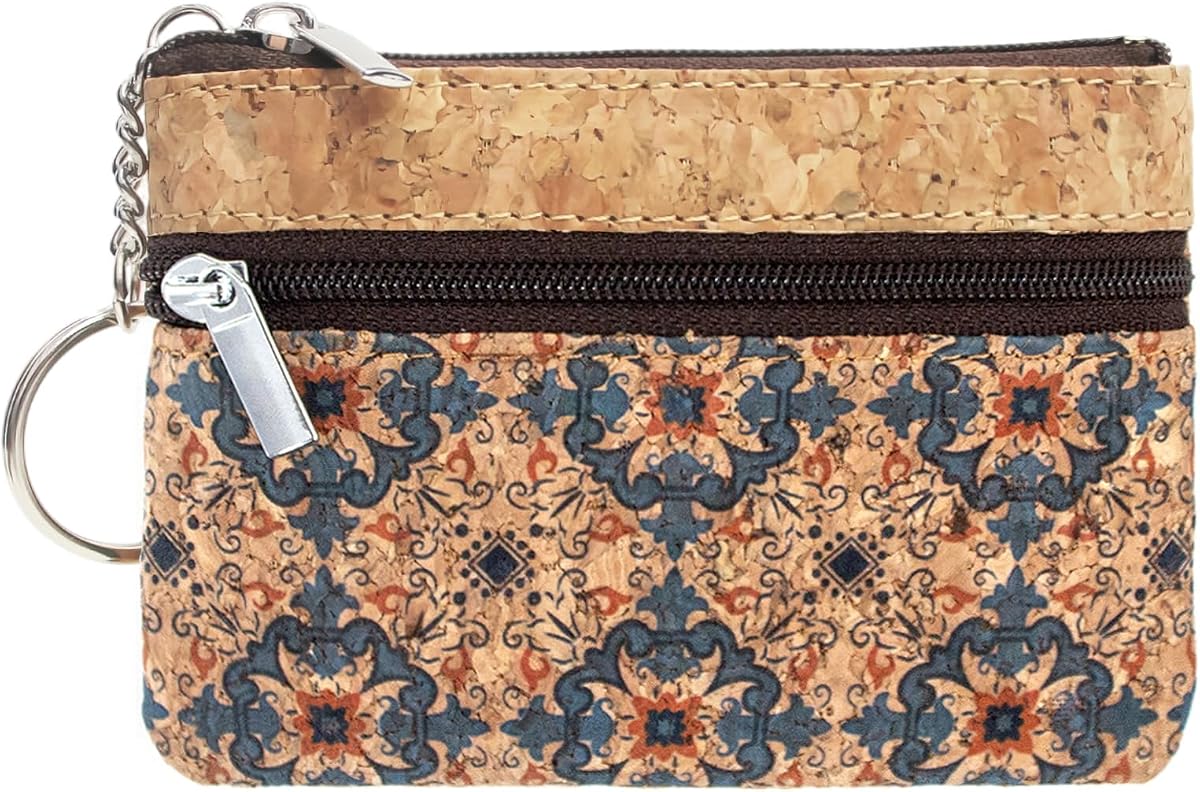
A handcrafted, water-resistant coin pouch made from sustainably harvested Portuguese cork—a farm-to-fashion staple.

A carbon-neutral, TSA-friendly travel staple made from recycled materials and Tencel, designed in Biarritz for maximum versatility.

A rugged, weather-resistant gym and travel bag made from 100% recycled body fabric, lining, and webbing.
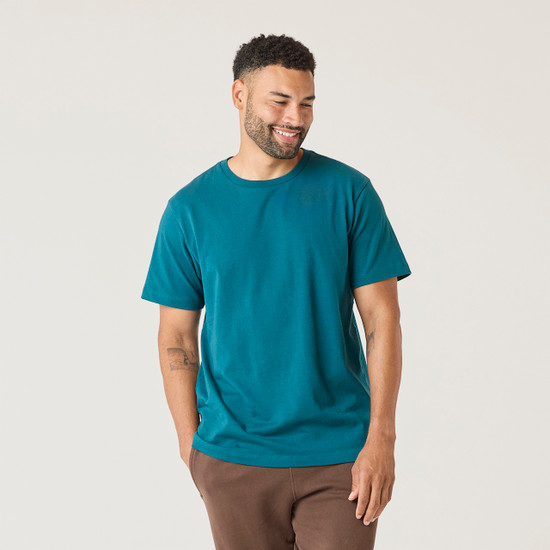
A gold-standard ethical staple. This tee is crafted from GOTS-certified organic cotton through a transparent supply chain that supports small-scale farmers in Peru.

A premium, ethically sourced Pima cotton t-shirt that supports fair wages and education in Peru. Highly durable and fully biodegradable.

A peat-free, carbon-negative potting soil formulated with biochar and plant-based nutrients to support soil health without destroying wetlands.
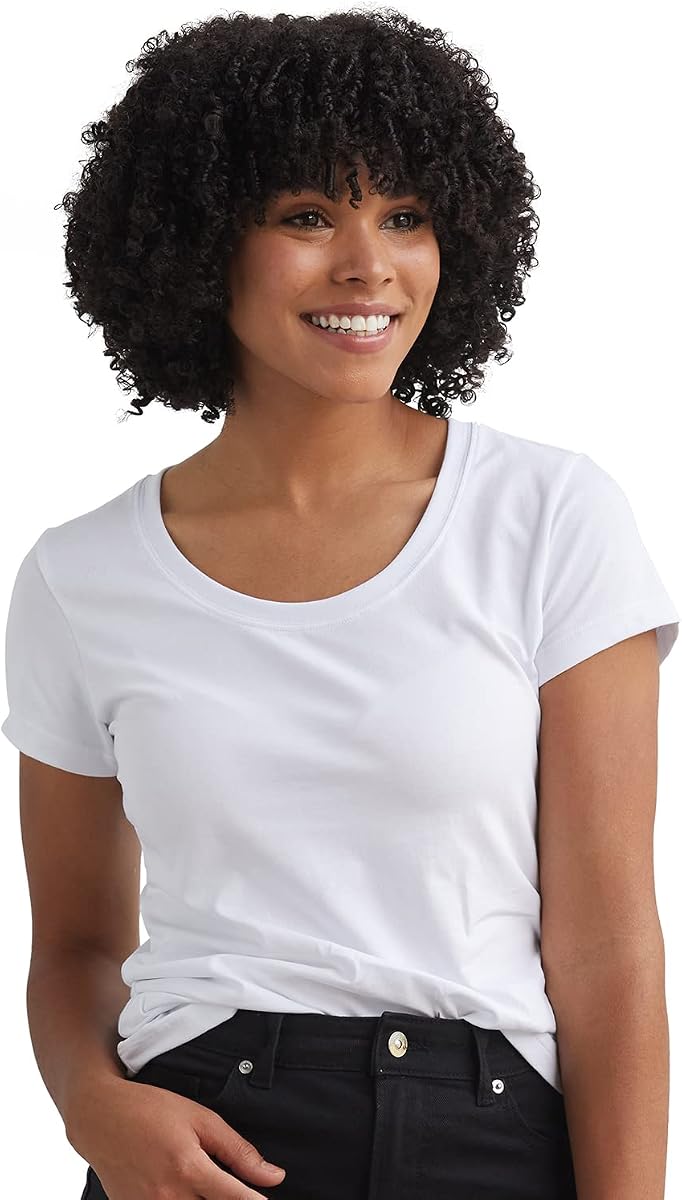
A premium, long-staple organic cotton tee produced in fair trade environments in Peru. Known for its 'forever' durability and ultra-soft hand feel.

A high-performance organic fertilizer that avoids all synthetic chemicals, utilizing soil microbes and sustainably sourced ingredients to feed plants naturally.
What outerknown is rated on
Outerknown excels on several key ethical benchmarks. It holds Fair Trade Certified status, ensuring workers receive fair wages and community development premiums. Its GOTS certification guarantees organic fibers and strict environmental and social criteria throughout the supply chain. As an FLA Accredited brand, Outerknown submits to independent audits of labor practices. It also contributes 1% of sales to environmental causes via 1% for the Planet and uses Bluesign Approved fabrics to limit hazardous substances. It does not test on animals.
How the alternatives were picked
Our research team curated alternatives that match or exceed Outerknown’s commitment to ethics but address common shopper pain points. We prioritized brands with at least two of these certifications: Fair Trade, GOTS, B Corp, or Bluesign. We also considered price accessibility, size inclusivity, and style diversity—looking for labels that offer comparable transparency without the premium price tag or limited aesthetic. Brands with strong circularity programs (repair, resale, or recycling) received additional weight.
What to check on the label
When evaluating any ethical apparel alternative, verify these items on the product label or website: 1) Organic certification – Look for GOTS or OCS 100 labels to ensure fibers are truly organic. 2) Fair labor – Check for Fair Trade Certified, FLA, or SA8000 marks. 3) Material composition – Avoid virgin synthetics; prefer recycled polyester, organic cotton, Tencel, or hemp. 4) Chemical management – Bluesign or OEKO-TEX Standard 100 indicates safer dyes and finishes. 5) Transparency – Brands that publish factory lists or supply chain maps (like Outerknown does) are more accountable.
How to judge a suggested brand alternative
An alternatives page is a starting shortlist, not proof that one brand is universally better than another. The suggestions come from our catalogue: published products in a similar category with a recorded ethics score. They answer a narrow question — which products we list might fit the same need — and they cannot tell you which option performs best, suits your skin or diet, or matches your budget.
Match the job before the score
Start with what the original product does for you: format, size, scent, skin or dietary requirements and where you buy it. A higher-scoring alternative is not useful if it comes in a format you cannot use or is not sold where you shop. Check the alternative's full record — purpose, ingredients, price and seller — before treating it as a replacement.
Compare evidence, not impressions
Read certifications at their stated scope: a scheme may cover one range, one material or a named entity rather than a whole brand. An animal-free ingredient list and an animal-testing policy are separate questions, and a parent company's record is a third. Where a claim matters to you, confirm it in the scheme's own directory or the manufacturer's current statement rather than relying on a badge alone.
Keep the limits of the comparison visible
Catalogue scores are AI-assisted assessments with documented limitations, not laboratory measurements. A missing score is a data gap, not a failing grade. The original brand's presence here reflects what our records contain, which may omit reformulations, regional differences or newer certifications. For health, safety or recall concerns, use official sources rather than any score.
| Check | Where to confirm it | Avoid assuming |
|---|---|---|
| Does the alternative do the same job? | Its full product record and the maker's current description | A similar category means a like-for-like replacement |
| Is a claimed certification current? | The certification scheme's official directory | A badge covers the whole brand or group |
| Is it actually available to you? | The retailer's current listing, price and delivery | A catalogue price tier is a live quote |
Frequently asked about outerknown alternatives
Does Outerknown use any animal-derived materials?+
Outerknown does not conduct or commission animal testing. Its product line includes wool (sheep) and down (ducks/geese), but these are sourced with animal welfare policies. For a fully vegan alternative, look for brands with PETA-approved or Vegan certification.
Are Outerknown’s certifications independently verified?+
Yes. Outerknown’s Fair Trade, GOTS, and FLA certifications require independent third-party audits of factories and supply chains. These are publicly verifiable via the certifying bodies’ online databases.
Why might someone choose an alternative if Outerknown is already highly ethical?+
Some shoppers find Outerknown’s price range ($40–$200+) prohibitive. Others may prefer a different style (e.g., luxury, workwear, or streetwear) or require a larger size range beyond Outerknown’s XS–3XL. Brands like Patagonia, Kotn, or Pact offer competitive ethics at lower price points or with broader sizing.
Do any alternatives have better circularity programs than Outerknown?+
Outerknown has a resale program (Outerworn) and uses recycled materials in some styles. However, Patagonia’s Worn Wear program and repair-as-a-service model, or Eileen Fisher’s take-back and resale system, are often cited as more comprehensive circularity efforts.