Ethical Alternatives to pala eyewear
Pala Eyewear is a UK-based B Corp known for sustainable sunglasses and optical frames made from bio-acetate and recycled materials, with a strong social mission funding vision centers in Africa. While Pala scores well on transparency and circularity, some shoppers seek alternatives for different price points, style preferences, or certification coverage.
Categories compared: Fashion & Apparel, Jewelry & Accessories, Health & Wellness
Why shoppers look for alternatives to pala eyewear
- Price sensitivity: Pala Eyewear’s frames typically fall in the mid-to-premium range (around £95–£145), which may be higher than some comparable ethical brands.
- Style variety: Pala offers a focused but limited catalog; shoppers wanting a wider range of frame shapes or lens tints may find alternatives with broader selections.
- Local manufacturing preference: Pala produces primarily in Italy and China; buyers prioritizing domestic or regional production may look for brands with local manufacturing.
- Additional certifications: While Pala holds B Corp, Global Recycled Standard, 1% for the Planet, and PETA-Approved Vegan, it does not carry other third-party verifications like Fair Trade or Climate Neutral, which some shoppers require.
Top-scoring alternatives to pala eyewear

A premium, biodegradable beanie made from seed-to-garment organic cotton under strict fair trade conditions.

A fluoride-free, 70% organic toothpaste that leads the industry in fair trade sourcing and activist corporate governance.

A rugged, carbon-neutral backpack made from Fairtrade-certified organic cotton canvas, designed to eliminate plastic waste from the accessories industry.

An exquisite, one-of-a-kind quilted jacket handmade by a women's cooperative in West Bengal, utilizing 100% upcycled silk and cotton vintage saris.

A hand-crafted, raw wellness balm produced by women’s cooperatives in Ghana, ideal for gluten-free skin nutrition and head-to-toe hydration.

A fully compostable and vegan watch strap made from apple waste and bio-polymers, offering a sustainable alternative to animal leather and silicone.
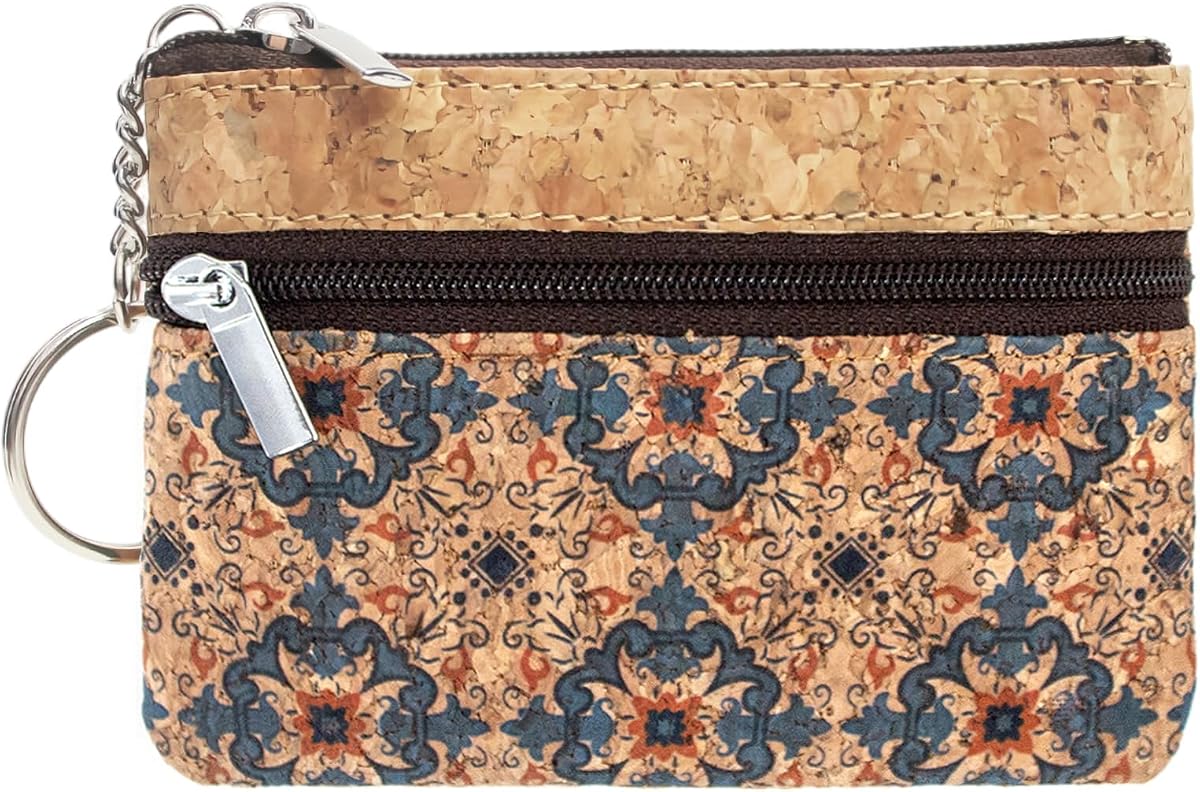
A handcrafted, water-resistant coin pouch made from sustainably harvested Portuguese cork—a farm-to-fashion staple.

A carbon-neutral, TSA-friendly travel staple made from recycled materials and Tencel, designed in Biarritz for maximum versatility.

A gold-standard ethical staple. This tee is crafted from GOTS-certified organic cotton through a transparent supply chain that supports small-scale farmers in Peru.

A premium, ethically sourced Pima cotton t-shirt that supports fair wages and education in Peru. Highly durable and fully biodegradable.
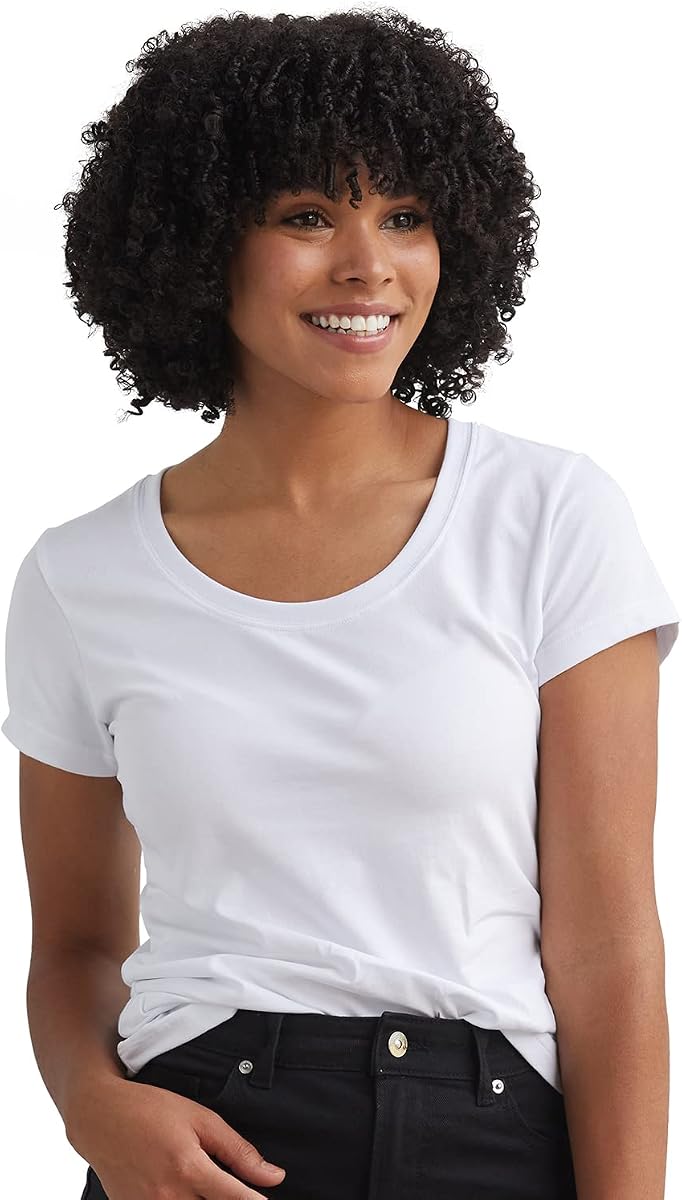
A premium, long-staple organic cotton tee produced in fair trade environments in Peru. Known for its 'forever' durability and ultra-soft hand feel.

Handcrafted in Kenya using a mobile-tech platform to connect independent artisans with global markets, these hoops are a masterpiece of ethical fashion.
What Pala Eyewear is rated on
In our independent comparison, Pala Eyewear is evaluated on several criteria: environmental materials (bio-acetate, recycled metals, and recycled nylon), social impact (funds vision centers in Africa, provides over 100,000 eye tests to date), transparency (detailed supply chain reports, B Corp impact assessment publicly available), animal welfare (100% vegan, PETA-Approved, no animal testing), and circularity (repair service, take-back program for recycling old frames). It scores highly on all counts, but no brand is perfect for every shopper.
How the alternatives were picked
We curated this list from brands that directly compete in the sustainable eyewear space. Each alternative meets at least three of these thresholds: uses recycled or bio-based materials (bioplastics, recycled acetate, or reclaimed metals), holds a recognized third-party certification (such as B Corp, Fair Trade, or 1% for the Planet), offers a take-back or repair program, and is transparent about its supply chain. We also looked for brands with a clearly stated animal testing policy. The result is a shortlist of options that maintain ethical standards while offering different aesthetics, price points, or additional certifications.
What to check on the label
When comparing alternatives, look for these key indicators on the product page or packaging: material composition (e.g., “100% recycled acetate” or “plant-based bio-acetate” with a statement on biodegradability), certification logos (B Corp, Global Recycled Standard, 1% for the Planet, PETA-Approved Vegan are widely used), lens quality and UV protection (look for UV400 protection, which blocks 99–100% of UVA and UVB rays), repair and return policies (does the brand offer free repairs or a recycling program?), and social mission (does the brand donate a percentage of sales to eye care or other causes? If so, how is the impact measured?). These details help you verify that the alternative matches your ethical priorities without greenwashing.
How to judge a suggested brand alternative
An alternatives page is a starting shortlist, not proof that one brand is universally better than another. The suggestions come from our catalogue: published products in a similar category with a recorded ethics score. They answer a narrow question — which products we list might fit the same need — and they cannot tell you which option performs best, suits your skin or diet, or matches your budget.

Match the job before the score
Start with what the original product does for you: format, size, scent, skin or dietary requirements and where you buy it. A higher-scoring alternative is not useful if it comes in a format you cannot use or is not sold where you shop. Check the alternative's full record — purpose, ingredients, price and seller — before treating it as a replacement.
Compare evidence, not impressions
Read certifications at their stated scope: a scheme may cover one range, one material or a named entity rather than a whole brand. An animal-free ingredient list and an animal-testing policy are separate questions, and a parent company's record is a third. Where a claim matters to you, confirm it in the scheme's own directory or the manufacturer's current statement rather than relying on a badge alone.
Keep the limits of the comparison visible
Catalogue scores are AI-assisted assessments with documented limitations, not laboratory measurements. A missing score is a data gap, not a failing grade. The original brand's presence here reflects what our records contain, which may omit reformulations, regional differences or newer certifications. For health, safety or recall concerns, use official sources rather than any score.
| Check | Where to confirm it | Avoid assuming |
|---|---|---|
| Does the alternative do the same job? | Its full product record and the maker's current description | A similar category means a like-for-like replacement |
| Is a claimed certification current? | The certification scheme's official directory | A badge covers the whole brand or group |
| Is it actually available to you? | The retailer's current listing, price and delivery | A catalogue price tier is a live quote |
Frequently asked about pala eyewear alternatives
Are all sustainable eyewear brands vegan like Pala?+
Not necessarily. While Pala Eyewear is PETA-Approved Vegan and does not test on animals, some competitors may use silk, leather, or animal-derived glues in components like nose pads or temple tips. Always check for a vegan certification or a clear animal testing policy on the brand's website.
Do any alternatives offer a wider range of prescription lens options than Pala?+
Yes. Several brands in this space – such as Zenni, Warby Parker (B Corp), and Goodr – offer more extensive prescription lens options, including progressive, blue light blocking, and high-index lenses. Pala’s prescription range is more limited and mostly focused on standard single-vision lenses.
How do alternatives compare on price to Pala Eyewear?+
Pala frames cost between £95 and £145. Alternatives like Zenni and Goodr start as low as £15–£30 for basic sunglasses, while mid-range ethical brands (e.g., Proof Eyewear, 1% for the Planet member) range from £80–£130. Higher-end options like MONC (B Corp, Fairmined gold) can exceed £200. Quality and certifications vary, so compare the full value.
Is it true that all sustainable eyewear uses bio-acetate?+
No. Bio-acetate is common among premium brands like Pala, but many ethical alternatives use recycled acetate, post-consumer recycled plastics (e.g., from fishing nets), or even reclaimed wood. Each material has different environmental impacts; recycled materials often have lower carbon footprints, while bio-acetate is biodegradable under industrial conditions.