Ethical Alternatives to Pampers
Pampers is the biggest disposable diaper brand in the world. These alternatives offer comparable absorbency with safer materials, better labor credentials and lower environmental impact.
Categories compared: Baby & Kids
Why shoppers look for alternatives to Pampers
- Looking for chlorine-free or plant-based diapers
- Preferring brands with transparent material sourcing
- Seeking reusable or compostable options
- Wanting independent verification of safety claims
Top-scoring alternatives to Pampers

An award-winning sensory play gym handcrafted in Malawi, pairing traditional wicker weaving with modern, 100% biodegradable corn-starch (PLA) hanging charms.
A gold-standard organic crib mattress that eliminates PFAS, flame retardants, and polyurethane foam, utilizing food-grade waterproofing.

A sustainable, carbon-neutral dollhouse made from reclaimed rubberwood and non-toxic PlanWood.

A 100% natural rubber pacifier that is completely plant-based, plastic-free, and compostable, meeting the highest circularity standards.

The first and only baby brand to be Gold Seal Fair Trade certified, Under the Nile offers exceptionally soft Egyptian cotton towels made in a sustainable community in Egypt.

A world-renowned sustainable pull toy made from kiln-dried chemical-free rubberwood and non-toxic dyes.

A highly concentrated, pH-balanced 2-in-1 bar that replaces two plastic bottles, featuring fair-trade cocoa butter.

A stunning, artisan-made changing station hand-woven in Northern Ghana, featuring a unique biodegradable PHA bioplastic waterproof liner insert for eco-conscious infant care.

A 100% organic and sustainable activity center that pair FSC-certified birch wood with hand-knit GOTS cotton toys, ensuring a plastic-free and heirloom-quality developmental tool.

A hand-dyed, veteran-led artisan masterpiece from Nairobi. This premium bamboo-silk blend offers a buttery, plant-based alternative to wool for conscious new parents.
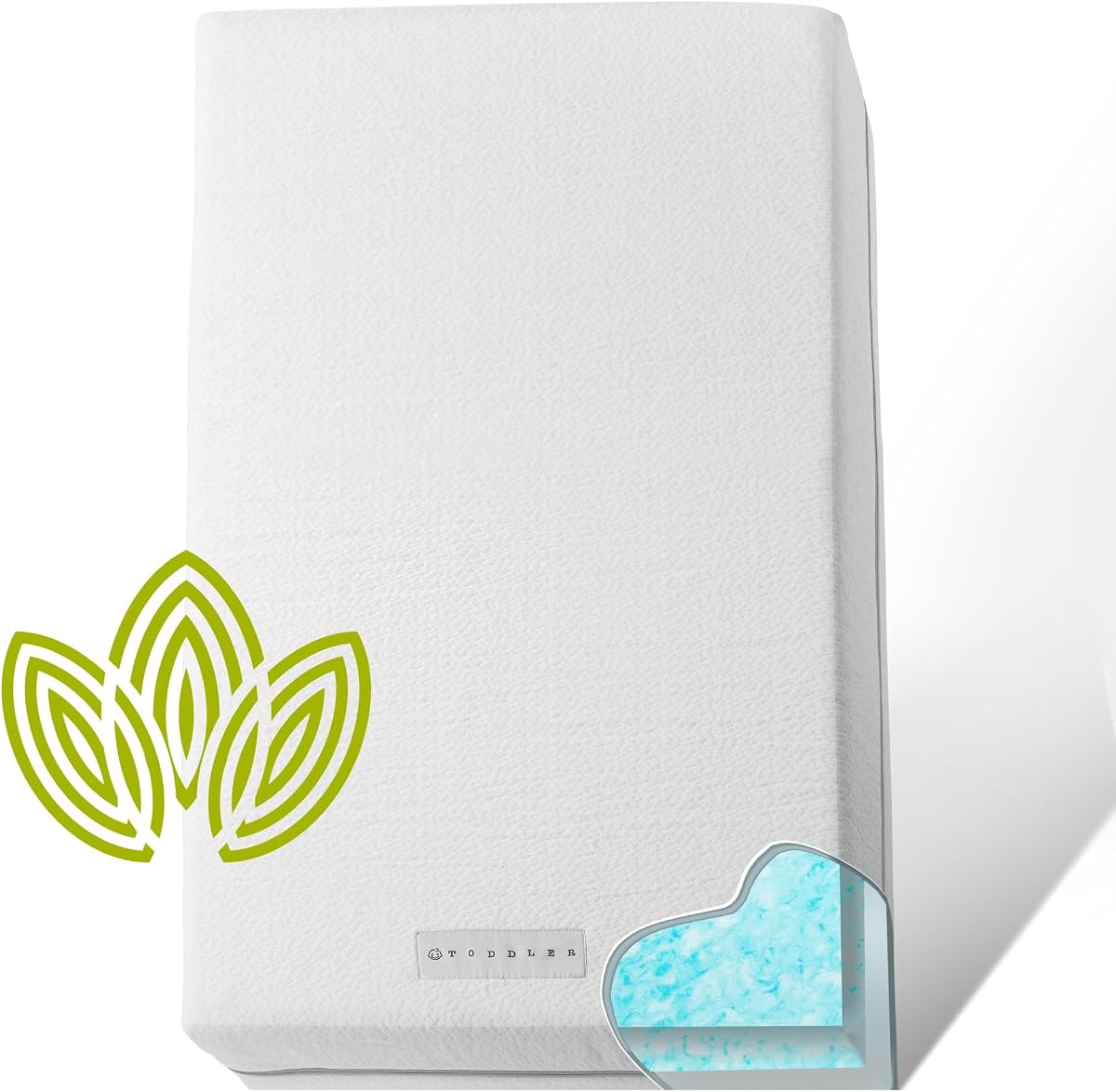
A handmade, non-toxic crib mattress featuring certified organic materials and a dual-firmness design to support infant and toddler development without off-gassing.

An iconic, ultra-budget multi-purpose oil that provides a protective layer for sensitive skin against harsh winds and trail chafing.
How to judge a suggested brand alternative
An alternatives page is a starting shortlist, not proof that one brand is universally better than another. The suggestions come from our catalogue: published products in a similar category with a recorded ethics score. They answer a narrow question — which products we list might fit the same need — and they cannot tell you which option performs best, suits your skin or diet, or matches your budget.
Match the job before the score
Start with what the original product does for you: format, size, scent, skin or dietary requirements and where you buy it. A higher-scoring alternative is not useful if it comes in a format you cannot use or is not sold where you shop. Check the alternative's full record — purpose, ingredients, price and seller — before treating it as a replacement.
Compare evidence, not impressions
Read certifications at their stated scope: a scheme may cover one range, one material or a named entity rather than a whole brand. An animal-free ingredient list and an animal-testing policy are separate questions, and a parent company's record is a third. Where a claim matters to you, confirm it in the scheme's own directory or the manufacturer's current statement rather than relying on a badge alone.
Keep the limits of the comparison visible
Catalogue scores are AI-assisted assessments with documented limitations, not laboratory measurements. A missing score is a data gap, not a failing grade. The original brand's presence here reflects what our records contain, which may omit reformulations, regional differences or newer certifications. For health, safety or recall concerns, use official sources rather than any score.
| Check | Where to confirm it | Avoid assuming |
|---|---|---|
| Does the alternative do the same job? | Its full product record and the maker's current description | A similar category means a like-for-like replacement |
| Is a claimed certification current? | The certification scheme's official directory | A badge covers the whole brand or group |
| Is it actually available to you? | The retailer's current listing, price and delivery | A catalogue price tier is a live quote |
Frequently asked about Pampers alternatives
What is the best ethical alternative to Pampers?+
The top-ranked alternatives above include plant-based and reusable diaper options with higher ethics scores.
Why look for alternatives to Pampers?+
Shoppers switch for chlorine-free materials, transparent sourcing, or reusable options with lower landfill impact.
Are these alternatives more expensive?+
Reusable options save money over time; plant-based disposables can cost slightly more per diaper. Each listing shows the price band.
How are these alternatives scored?+
Each product is rated 0-100 across sourcing, labor, environment, animal welfare and transparency using verified third-party certifications.