Ethical Alternatives to Patrick Roger
Patrick Roger is a high-end French chocolatier known for artistic, bean-to-bar creations, organic certification (AB), and FSC-certified packaging. While the brand has no major controversies, some shoppers seek alternatives due to price, availability, or a desire for even broader ethical sourcing. Here are evidence-based alternatives to consider.
Categories compared: Food & Nutrition, Gifts & Seasonal
Why shoppers look for alternatives to Patrick Roger
- Patrick Roger’s single-origin cacao is ethically sourced, but its premium pricing (often €50+/box) may not suit all budgets.
- The brand is primarily available in France and select European countries, limiting access for international shoppers.
- Certifications are limited to organic (AB) and self-declared Non-GMO; some buyers prefer brands with additional third-party certifications like Fair Trade or Rainforest Alliance.
- Patrick Roger focuses on high-end patisserie and gift boxes, which may not cater to everyday chocolate consumers seeking bulk or affordable options.
Top-scoring alternatives to Patrick Roger

A gold-standard example of regenerative agriculture, these oats go beyond organic by actively restoring soil health and ensuring fair wages for farmers in a vertically integrated supply chain.

The gold standard for ethical food production, this coconut oil uses regenerative organic practices and fair trade labor to set a benchmark for corporate responsibility.

A premium gift set of dark chocolate bars that redefine ethical sourcing through regenerative organic farming and fair trade wages.
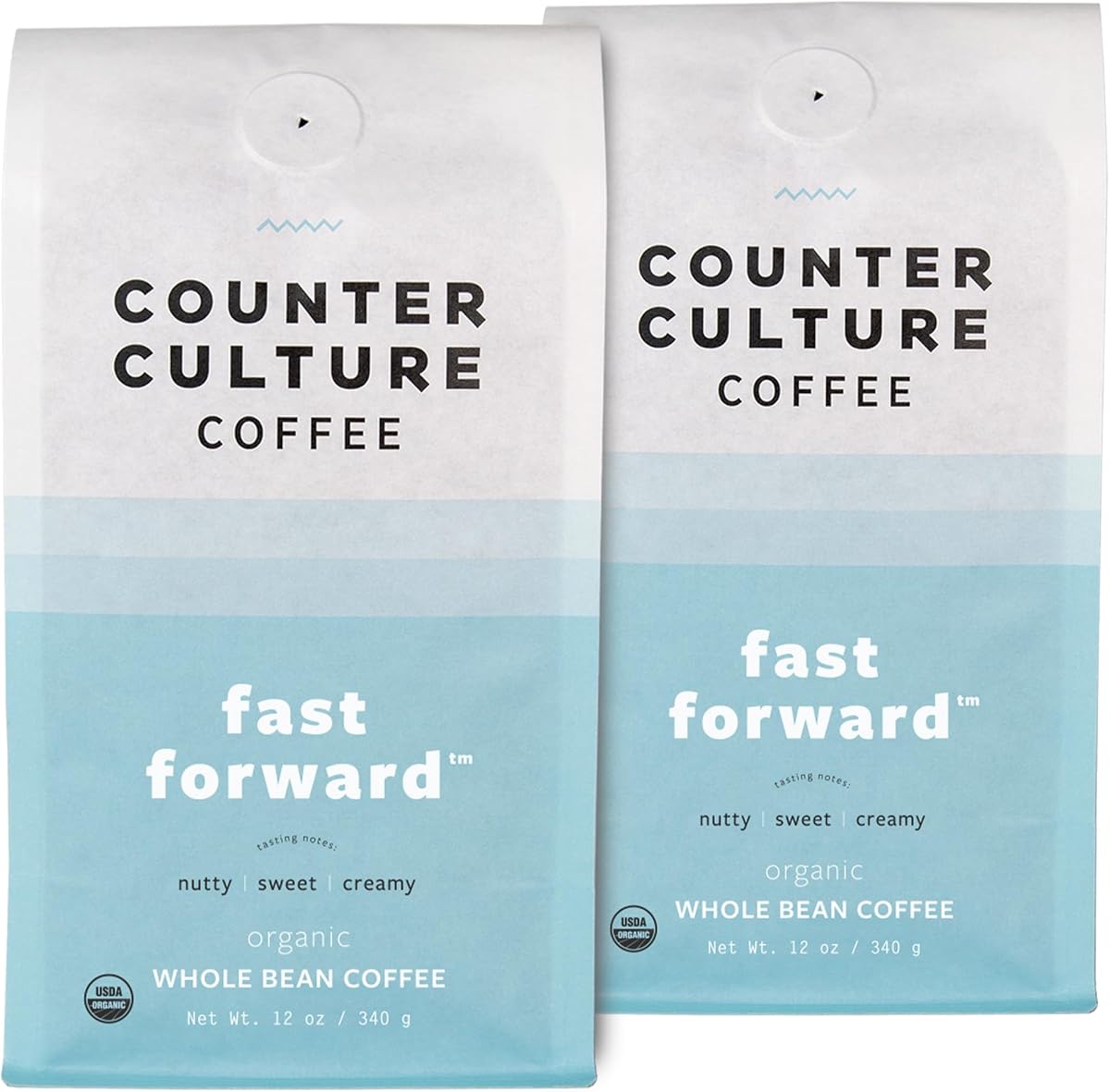
A 100% farmer-owned coffee cooperative that bypasses traditional middlemen to ensure maximum profits return to the growers.

A zero-waste bathroom essential hand-crafted by women's cooperatives, perfect for exfoliating and extending the life of soap.

Handcrafted by women artisans in Ghana, these cold-processed soaps use wild-harvested shea butter. A zero-waste, high-impact gift for a major milestone.

The gold standard in ethical soap, these travel-sized bottles are perfect for wellness pros on the go, featuring 100% PCR packaging and fair-trade ingredients.

The gold standard in baby food, offering Demeter-certified biodynamic ingredients that exceed organic standards for soil health and purity.

A gold standard in ethical confectionery, combining fair-pay labor practices with regenerative cocoa farming that restores biodiversity in the Ivory Coast and Ghana.

A gold-standard breakfast staple sourced from family-owned farms in Montana using regenerative practices that actively sequester carbon and restore soil health.

Arguably the most ethical coconut oil on the market, sourced from 'Serendipol' in Sri Lanka using regenerative practices that revitalize soil and support a fair-trade community.
A gold standard in ethical confectionery, using regenerative farming to combat climate change while ensuring living wages for cocoa farmers.
What Patrick Roger is rated on
Patrick Roger scores well on environmental sustainability and ethical sourcing. The brand uses single-origin cacao, holds Agriculture Biologique (AB) certification, and packages its products in FSC-certified materials. No animal testing is conducted by the brand or its suppliers. However, the brand does not carry Fair Trade or Rainforest Alliance certifications, and its self-declared Non-GMO Project Verified status is not independently audited.
How the alternatives were picked
The alternatives listed below were selected based on public certification records, transparency reports, and independent reviews. Each brand offers bean-to-bar chocolate with verified ethical sourcing (organic, fair trade, or direct trade), and all are free from animal testing. We prioritized brands with multiple third-party certifications and accessible global shipping. Price range and product variety (bars, gifts, baking) were also considered.
What to check on the label
When comparing alternatives, look for these markers: Organic certification (USDA Organic, EU Organic, or AB), Fair Trade or Rainforest Alliance logos for social justice, and bean-to-bar or tree-to-bar wording to ensure traceability. Check for FSC-certified packaging if environmental impact is a concern. Avoid brands with ambiguous “natural” claims lacking third-party verification. Also, confirm the brand’s animal testing policy—most ethical chocolatiers are cruelty-free, but it’s worth verifying.
Frequently asked about Patrick Roger alternatives
Does Patrick Roger use child labor in its supply chain?+
No publicly available evidence indicates child labor in Patrick Roger’s supply chain. The brand sources single-origin cacao through direct relationships and holds organic certification (AB), which requires traceability. However, it does not carry Fair Trade certification, which includes specific child-labor safeguards.
Are there cheaper ethical alternatives to Patrick Roger?+
Yes. Brands like Alter Eco (Fair Trade, organic, $5-$10 per bar) and Tony’s Chocolonely (100% slave-free, $4-$7 per bar) offer verified ethical sourcing at lower price points. Both are widely available online and in stores.
Is Patrick Roger’s Non-GMO Project Verified certification reliable?+
The certification is self-declared, not independently audited. While the brand’s organic certification (AB) inherently prohibits GMOs, the self-declared status may lack the rigor of third-party verified labels. You can request their Non-GMO compliance documentation for full transparency.
Can I find Patrick Roger alternatives that ship internationally?+
Yes. Brands like Raaka (bean-to-bar, organic, ships worldwide) and Pump Street Bakery (direct trade, UK-based, global shipping) provide ethical options with transparent sourcing. Check each brand’s shipping policies for your location.