Ethical Alternatives to Perrier
Perrier is a popular sparkling mineral water owned by Nestlé Waters. While it meets basic safety standards, it lacks independent ethical certifications and its parent company has drawn scrutiny over water extraction practices and plastic pollution. This page highlights alternatives with stronger transparency and sustainability credentials.
Categories compared: Food & Nutrition, Health & Wellness
Why shoppers look for alternatives to Perrier
- Perrier has no independent certifications (e.g., B Corp, Fair Trade, or vegan) to verify its ethical claims.
- Nestlé, its parent company, has been criticized for water extraction in drought-prone regions and for contributing to plastic waste with single-use bottles.
- Unlike many smaller brands, Perrier has no published animal testing policy, though this is not applicable to beverages; the lack of transparency is notable.
- Perrier’s packaging is recyclable, but its reliance on virgin plastic and global shipping increases its carbon footprint compared to local alternatives.
Top-scoring alternatives to Perrier

A gold-standard example of regenerative agriculture, these oats go beyond organic by actively restoring soil health and ensuring fair wages for farmers in a vertically integrated supply chain.

An ultra-ethical, multipurpose skin salve made with organic oils and fair-trade beeswax, setting the gold standard for corporate responsibility.

Quite literally the gold standard for ethical sourcing, this coconut oil supports regenerative agriculture and fair wages for thousands of farmers in Sri Lanka.

The gold standard for ethical food production, this coconut oil uses regenerative organic practices and fair trade labor to set a benchmark for corporate responsibility.
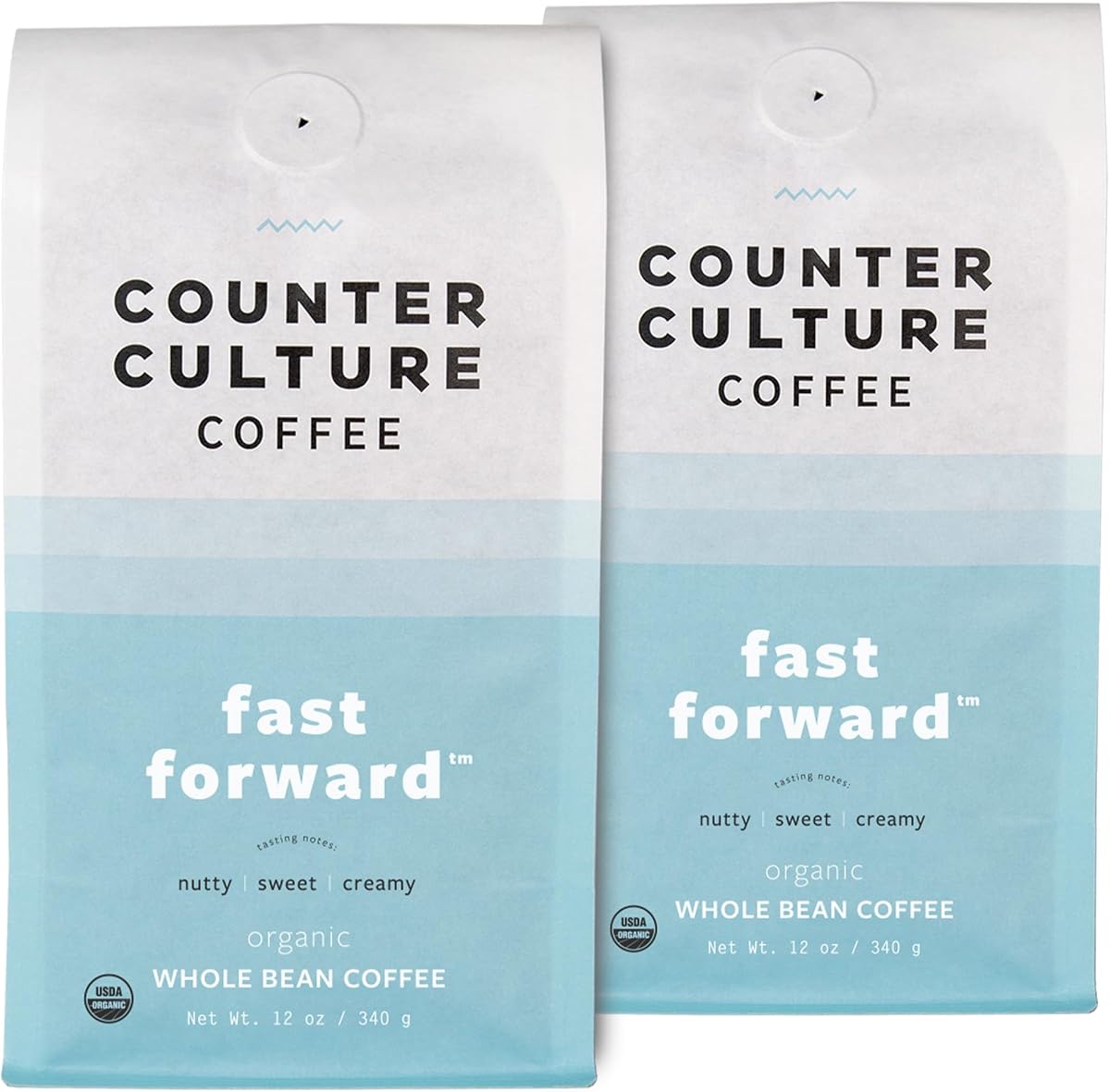
A 100% farmer-owned coffee cooperative that bypasses traditional middlemen to ensure maximum profits return to the growers.

A fluoride-free, 70% organic toothpaste that leads the industry in fair trade sourcing and activist corporate governance.
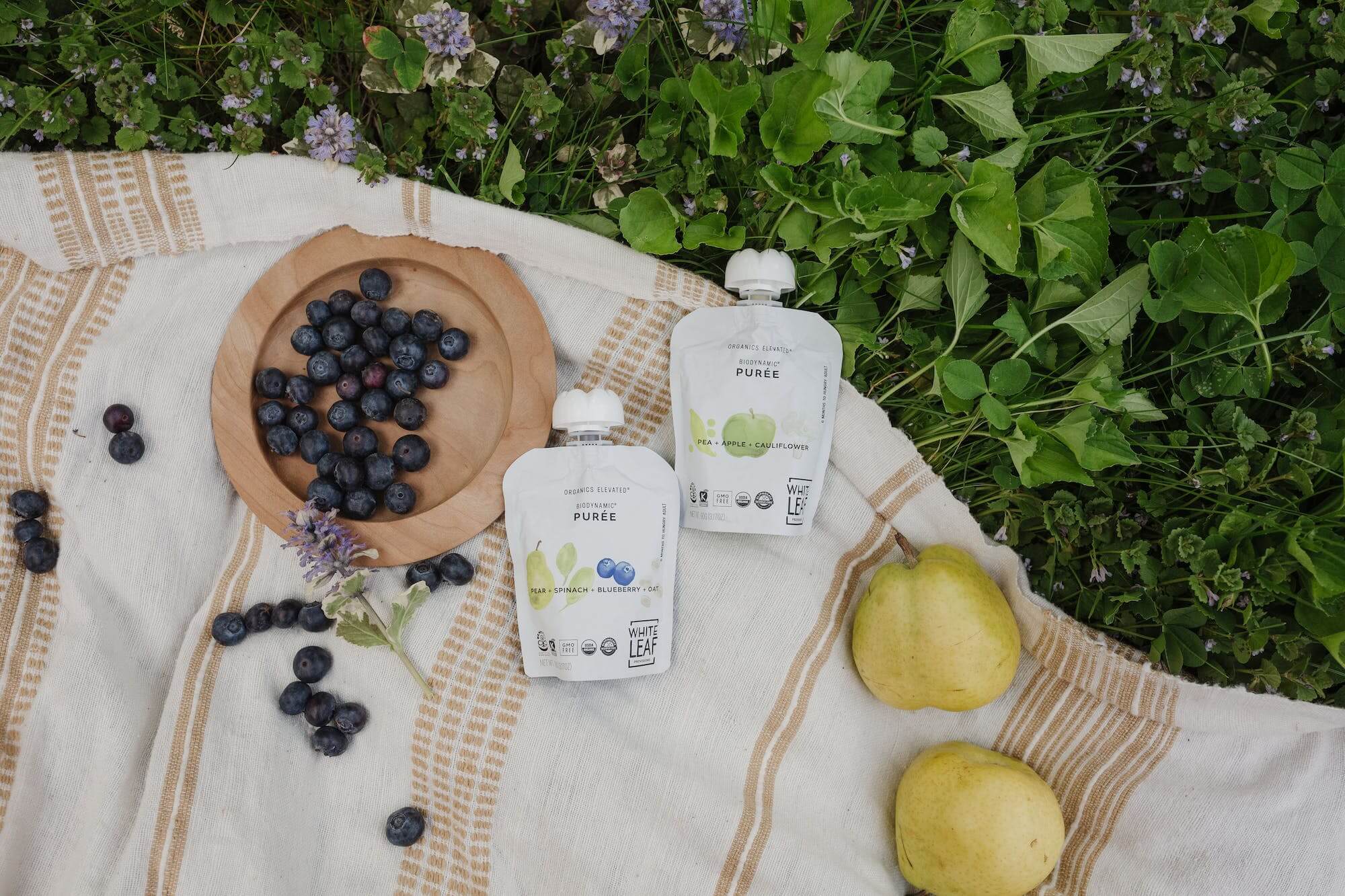
The gold standard in baby food, offering Demeter-certified biodynamic ingredients that exceed organic standards for soil health and purity.

A gold standard in ethical confectionery, combining fair-pay labor practices with regenerative cocoa farming that restores biodiversity in the Ivory Coast and Ghana.

A gold-standard breakfast staple sourced from family-owned farms in Montana using regenerative practices that actively sequester carbon and restore soil health.

Arguably the most ethical coconut oil on the market, sourced from 'Serendipol' in Sri Lanka using regenerative practices that revitalize soil and support a fair-trade community.
A gold standard in ethical confectionery, using regenerative farming to combat climate change while ensuring living wages for cocoa farmers.

A 100% farmer-owned cooperative coffee brand that bypasses middlemen to ensure maximum profits return to the growers.
What Perrier is rated on
Perrier is assessed on our platform using publicly available data. It has zero third-party certifications such as B Corp, Fair Trade, Vegan, or Carbon Neutral. Its parent company, Nestlé, has made sustainability pledges for 2050 (net zero) and uses 30% recycled PET in some markets, but these are not independently verified for Perrier specifically. There is no official animal testing policy—while not applicable to beverages, the absence of a policy is noted. Perrier is widely sold, including in mainland China, but lacks the traceability that ethical shoppers often seek.
How the alternatives were picked
We selected alternatives based on three criteria: (1) independent ethical certifications (e.g., B Corp, Non-GMO, vegan, cruelty-free), (2) transparent water sourcing and packaging practices, and (3) smaller or regional production to reduce transport emissions. Brands that publish annual sustainability reports, use 100% recycled or refillable packaging, and donate a portion of profits to water conservation projects ranked higher. We excluded any brand owned by large conglomerates with contested environmental records.
What to check on the label
When comparing sparkling water brands, look for: Certification logos (B Corp, Fair Trade, CarbonNeutral, Vegan). Packaging claims like '100% post-consumer recycled plastic' or 'glass bottle return scheme'. Water source information—opt for brands that disclose their aquifer location and recharge rates. Also check if the company is independently owned or part of a multinational with controversial water rights. Smaller local brands often have lower transport emissions and clearer ethical policies.
How to judge a suggested brand alternative
An alternatives page is a starting shortlist, not proof that one brand is universally better than another. The suggestions come from our catalogue: published products in a similar category with a recorded ethics score. They answer a narrow question — which products we list might fit the same need — and they cannot tell you which option performs best, suits your skin or diet, or matches your budget.
Match the job before the score
Start with what the original product does for you: format, size, scent, skin or dietary requirements and where you buy it. A higher-scoring alternative is not useful if it comes in a format you cannot use or is not sold where you shop. Check the alternative's full record — purpose, ingredients, price and seller — before treating it as a replacement.
Compare evidence, not impressions
Read certifications at their stated scope: a scheme may cover one range, one material or a named entity rather than a whole brand. An animal-free ingredient list and an animal-testing policy are separate questions, and a parent company's record is a third. Where a claim matters to you, confirm it in the scheme's own directory or the manufacturer's current statement rather than relying on a badge alone.
Keep the limits of the comparison visible
Catalogue scores are AI-assisted assessments with documented limitations, not laboratory measurements. A missing score is a data gap, not a failing grade. The original brand's presence here reflects what our records contain, which may omit reformulations, regional differences or newer certifications. For health, safety or recall concerns, use official sources rather than any score.
| Check | Where to confirm it | Avoid assuming |
|---|---|---|
| Does the alternative do the same job? | Its full product record and the maker's current description | A similar category means a like-for-like replacement |
| Is a claimed certification current? | The certification scheme's official directory | A badge covers the whole brand or group |
| Is it actually available to you? | The retailer's current listing, price and delivery | A catalogue price tier is a live quote |
Frequently asked about Perrier alternatives
Does Perrier have any ethical certifications?+
No, Perrier currently has no third-party ethical certifications (e.g., B Corp, Fair Trade, Vegan, or Carbon Neutral) on file.
Why is Nestlé’s ownership a concern for Perrier?+
Nestlé has faced ongoing criticism for water extraction in water-stressed regions (e.g., California, Pakistan) and for plastic pollution. While Perrier’s own operations may differ, the parent company’s record influences ethical shoppers’ decisions.
Are there any vegan or animal-testing concerns with Perrier?+
Perrier is a mineral water brand, so animal testing is not directly applicable. However, the company has no published policy on animal testing, which contrasts with many certified vegan or cruelty-free brands that provide clear statements.
What packaging alternatives does Perrier offer?+
Perrier primarily uses recyclable plastic and glass bottles. It has pledged to use 30% recycled PET in some markets by 2025, but does not offer refillable or aluminum can options in all regions, unlike some competitors.