Ethical Alternatives to Peter Rabbit Organics
Peter Rabbit Organics is a UK-based organic baby and toddler food brand known for its simple fruit and vegetable pouches. While it holds strong organic certifications and complies with animal testing bans, some shoppers seek alternatives for reasons such as parent company transparency or packaging sustainability. This guide compares ethical alternatives based on publicly available certifications and sourcing practices.
Categories compared: Baby & Kids, Food & Nutrition
Why shoppers look for alternatives to Peter Rabbit Organics
- Parent company (The Clearspring Group) owns multiple brands, making independent supply chain scrutiny more complex for some shoppers.
- Pouches predominantly use flexible plastic packaging, which is less recyclable than glass jars or Tetra Pak alternatives from competitors.
- Limited product variety beyond fruit/vegetable blends; some families prefer brands offering full meal options or baby-led weaning textures.
- No public reporting on carbon footprint or fair-trade sourcing for ingredients beyond organic certification.
- Select products are Vegan Society certified, but not all, which may matter for families strictly avoiding animal-derived ingredients.
Top-scoring alternatives to Peter Rabbit Organics

The gold standard for ethical food production, this coconut oil uses regenerative organic practices and fair trade labor to set a benchmark for corporate responsibility.
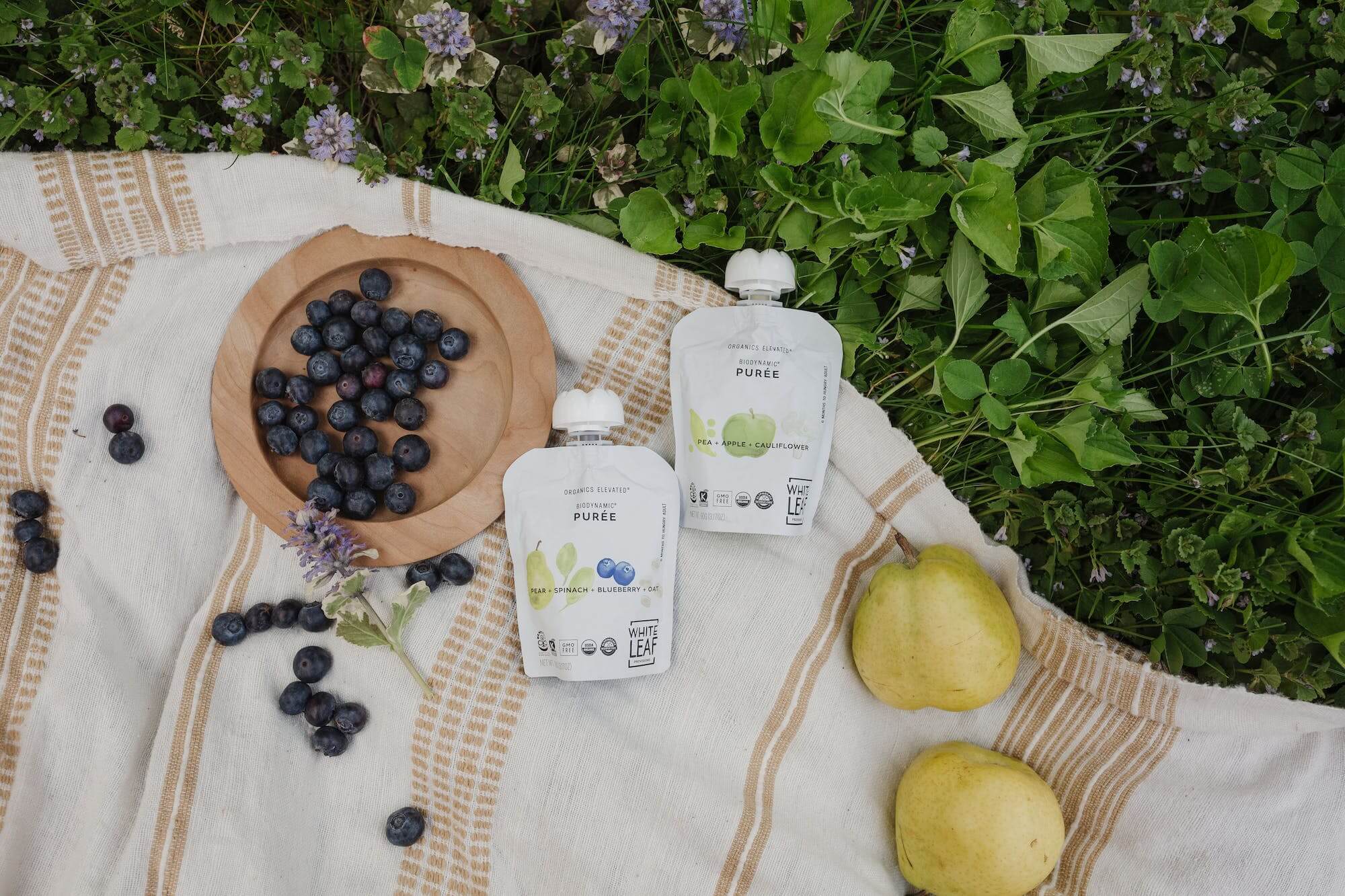
The gold standard in baby food, offering Demeter-certified biodynamic ingredients that exceed organic standards for soil health and purity.

A gold standard in ethical confectionery, combining fair-pay labor practices with regenerative cocoa farming that restores biodiversity in the Ivory Coast and Ghana.

The first and only baby brand to be Gold Seal Fair Trade certified, Under the Nile offers exceptionally soft Egyptian cotton towels made in a sustainable community in Egypt.

A sustainable, carbon-neutral dollhouse made from reclaimed rubberwood and non-toxic PlanWood.
A gold standard in ethical confectionery, using regenerative farming to combat climate change while ensuring living wages for cocoa farmers.

A 100% natural rubber pacifier that is completely plant-based, plastic-free, and compostable, meeting the highest circularity standards.

Exquisite heirloom Malagasy cocoa produced entirely at the source in Madagascar. This professional-grade bulk trunk supports direct-trade and lemur habitat conservation.

A nutrient-dense heirloom grain sourced through fully transparent supply chains that support regenerative farming practices in the Peruvian Andes.

A 100% organic and sustainable activity center that pair FSC-certified birch wood with hand-knit GOTS cotton toys, ensuring a plastic-free and heirloom-quality developmental tool.

A world-renowned sustainable pull toy made from kiln-dried chemical-free rubberwood and non-toxic dyes.
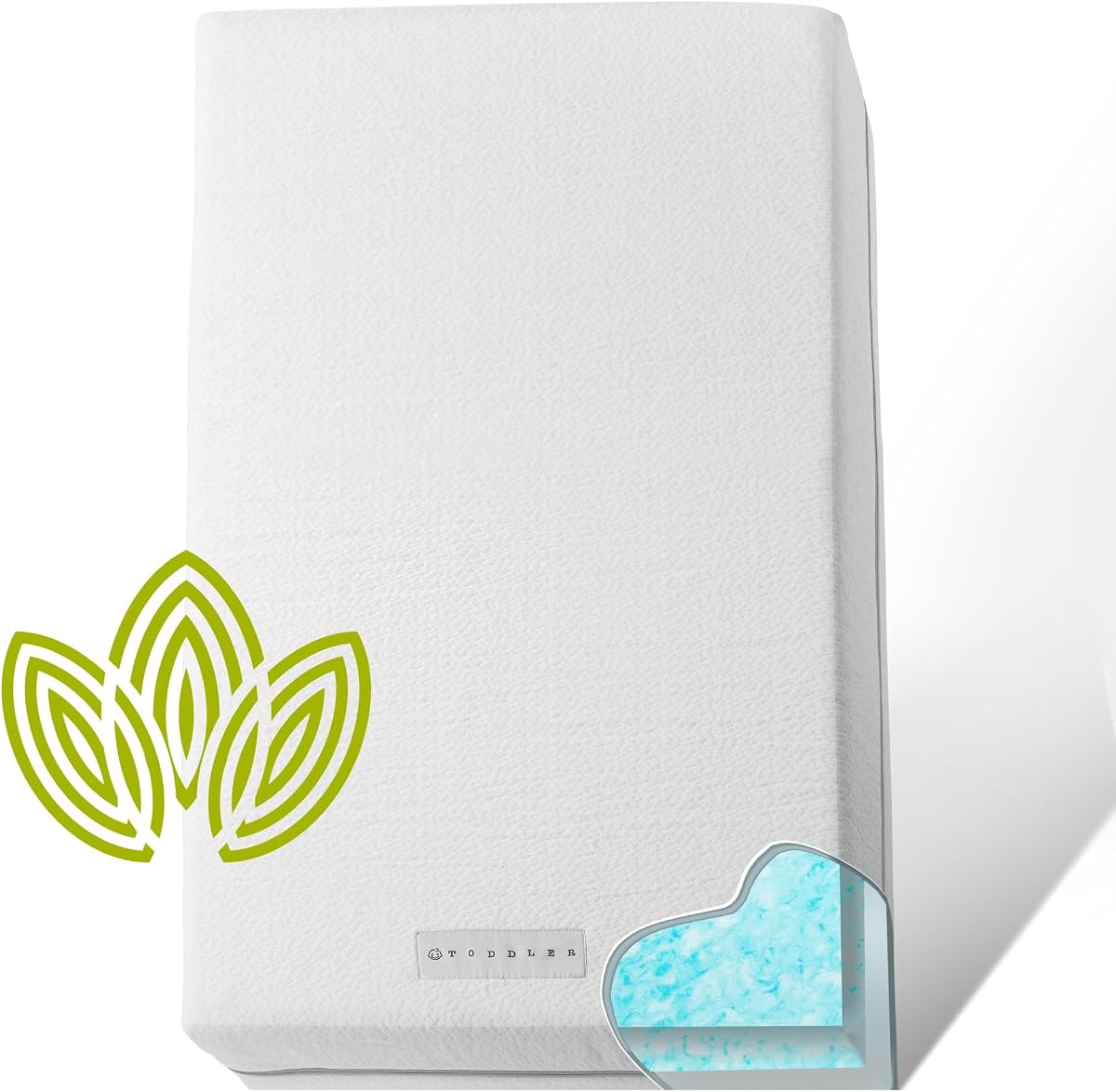
A handmade, non-toxic crib mattress featuring certified organic materials and a dual-firmness design to support infant and toddler development without off-gassing.
What Peter Rabbit Organics is rated on
Peter Rabbit Organics is certified by the Soil Association (UK organic standard) and carries the EU Organic Logo. Its manufacturing holds BRC Food Safety Certification, and select products are Vegan Society approved. The brand does not test on animals and complies with EU/UK bans on animal testing for food. However, it does not publish a standalone ethical report or list all suppliers publicly.
How the alternatives were picked
We selected alternatives based on three criteria: certifications equivalent to or exceeding those of Peter Rabbit Organics (e.g., Soil Association, EU Organic), independent ownership or clear supply chain transparency, and packaging with lower environmental impact. All featured brands do not test on animals and meet UK/EU food safety standards. We excluded brands that are owned by major confectionery or multinational conglomerates without separate ethical disclosures.
What to check on the label
Look for the Soil Association or EU Organic leaf logo to confirm organic status. For vegan families, check the Vegan Society trademark (or equivalent) on each product. Note packaging material: glass jars or recyclable cardboard pouches (e.g., Tetra Pak) are generally more sustainable than multilayer plastic. Some alternatives also carry Fairtrade certification for specific ingredients like bananas or cocoa. Finally, check the parent company name—brands owned by dedicated baby food companies often share more supply chain details than those under larger conglomerates.
How to judge a suggested brand alternative
An alternatives page is a starting shortlist, not proof that one brand is universally better than another. The suggestions come from our catalogue: published products in a similar category with a recorded ethics score. They answer a narrow question — which products we list might fit the same need — and they cannot tell you which option performs best, suits your skin or diet, or matches your budget.
Match the job before the score
Start with what the original product does for you: format, size, scent, skin or dietary requirements and where you buy it. A higher-scoring alternative is not useful if it comes in a format you cannot use or is not sold where you shop. Check the alternative's full record — purpose, ingredients, price and seller — before treating it as a replacement.
Compare evidence, not impressions
Read certifications at their stated scope: a scheme may cover one range, one material or a named entity rather than a whole brand. An animal-free ingredient list and an animal-testing policy are separate questions, and a parent company's record is a third. Where a claim matters to you, confirm it in the scheme's own directory or the manufacturer's current statement rather than relying on a badge alone.
Keep the limits of the comparison visible
Catalogue scores are AI-assisted assessments with documented limitations, not laboratory measurements. A missing score is a data gap, not a failing grade. The original brand's presence here reflects what our records contain, which may omit reformulations, regional differences or newer certifications. For health, safety or recall concerns, use official sources rather than any score.
| Check | Where to confirm it | Avoid assuming |
|---|---|---|
| Does the alternative do the same job? | Its full product record and the maker's current description | A similar category means a like-for-like replacement |
| Is a claimed certification current? | The certification scheme's official directory | A badge covers the whole brand or group |
| Is it actually available to you? | The retailer's current listing, price and delivery | A catalogue price tier is a live quote |
Frequently asked about Peter Rabbit Organics alternatives
Does Peter Rabbit Organics test on animals?+
No. The brand does not test on animals and complies with EU and UK bans on animal testing for food products. None of its certifications indicate animal testing involvement.
What organic certifications does Peter Rabbit Organics have?+
It holds Soil Association Organic certification (UK) and the EU Organic Logo. Select products are also certified by the Vegan Society.
Are Peter Rabbit Organics pouches recyclable?+
The pouches are typically made from flexible multilayer plastic, which is not widely recyclable in standard kerbside collections. Some local recycling programs accept these through Terracycle or specific drop-off points, but the brand does not offer a take-back scheme.
Which ethical alternatives offer similar organic baby food but with better packaging?+
Brands like Ella’s Kitchen (packed in Tetra Pak cartons), Babease, and Piccolo offer organic baby food in more recyclable packaging. Always check the specific product’s packaging material, as some lines still use pouches.