Ethical Alternatives to Raised Real
Raised Real is a direct-to-consumer brand offering organic, plant-based baby and toddler meals with a focus on convenience and clean ingredients. It operates under parent company Yumi, a Certified B Corporation, and holds USDA Organic and Non-GMO Project Verified certifications. While there are no major controversies, shoppers may still seek alternatives for cost, sourcing transparency, or broader dietary options.
Categories compared: Food & Nutrition, Baby & Kids, Health & Wellness
Why shoppers look for alternatives to Raised Real
- Raised Real meals are priced higher than many store-bought organic baby foods, making bulk or budget-friendly options hard to find.
- The brand's plant-only focus may not suit families introducing meat or seeking higher protein diversity.
- Limited retail availability (online DTC only) can cause shipping delays and packaging waste compared to local alternatives.
- Parent company Yumi has no public third-party audit reports for supply chain labor or environmental metrics beyond B Corp certification.
Top-scoring alternatives to Raised Real

The gold standard for ethical food production, this coconut oil uses regenerative organic practices and fair trade labor to set a benchmark for corporate responsibility.

A fluoride-free, 70% organic toothpaste that leads the industry in fair trade sourcing and activist corporate governance.
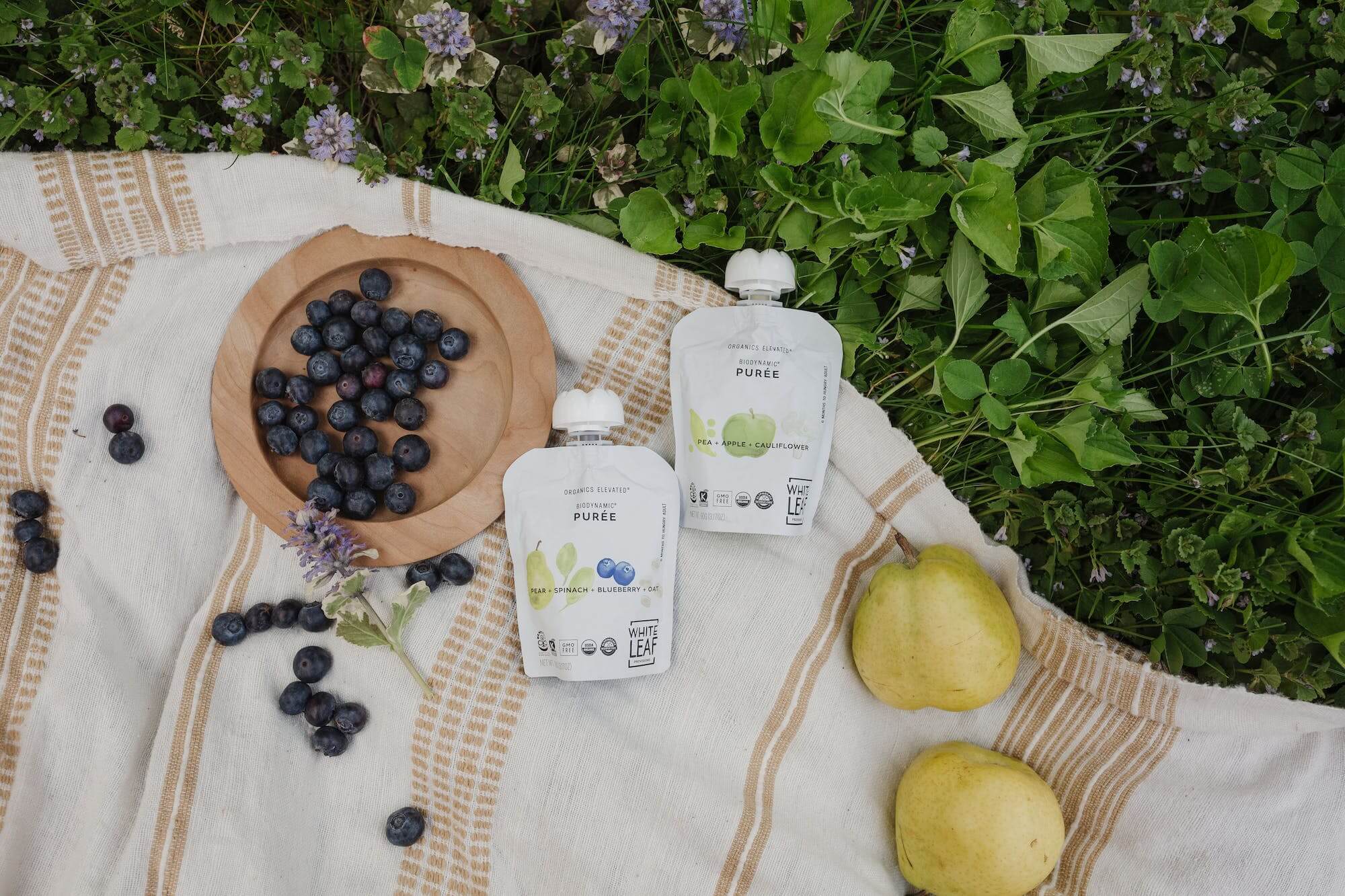
The gold standard in baby food, offering Demeter-certified biodynamic ingredients that exceed organic standards for soil health and purity.

A gold standard in ethical confectionery, combining fair-pay labor practices with regenerative cocoa farming that restores biodiversity in the Ivory Coast and Ghana.

The first and only baby brand to be Gold Seal Fair Trade certified, Under the Nile offers exceptionally soft Egyptian cotton towels made in a sustainable community in Egypt.

A sustainable, carbon-neutral dollhouse made from reclaimed rubberwood and non-toxic PlanWood.
A gold standard in ethical confectionery, using regenerative farming to combat climate change while ensuring living wages for cocoa farmers.

A 100% natural rubber pacifier that is completely plant-based, plastic-free, and compostable, meeting the highest circularity standards.

A hand-crafted, raw wellness balm produced by women’s cooperatives in Ghana, ideal for gluten-free skin nutrition and head-to-toe hydration.

Exquisite heirloom Malagasy cocoa produced entirely at the source in Madagascar. This professional-grade bulk trunk supports direct-trade and lemur habitat conservation.

A nutrient-dense heirloom grain sourced through fully transparent supply chains that support regenerative farming practices in the Peruvian Andes.

A 100% organic and sustainable activity center that pair FSC-certified birch wood with hand-knit GOTS cotton toys, ensuring a plastic-free and heirloom-quality developmental tool.
What Raised Real is rated on
Raised Real earns strong marks for organic certification (USDA Organic, Non-GMO Project Verified) and its parent company Yumi's B Corp status, which signals accountability in social and environmental performance. The brand conducts no animal testing and complies with FDA food safety regulations. However, independent reviews often flag the narrow product range (plant-based only) and high per-serving cost relative to conventional or homemade options.
How the alternatives were picked
We selected alternatives based on five criteria: (1) certified organic or equivalent third-party verification, (2) transparent ingredient sourcing and processing, (3) affordable per-serving cost or bulk purchasing options, (4) wider diet inclusivity (including meat or allergen-friendly varieties), and (5) retail accessibility to reduce shipping emissions and packaging. We excluded brands with unresolved ethical controversies or opaque supply chains.
What to check on the label
When comparing baby food labels, look for explicit USDA Organic seal or equivalent EU Organic certification. Avoid added sugars, preservatives, and artificial flavors. For protein diversity, verify whether the product includes legumes, grains, or responsibly sourced meat/fish. Check for third-party certifications like Non-GMO Project, B Corp, or Fair Trade, and review the brand's animal testing policy—most ethical baby food brands today are cruelty-free. Finally, examine packaging: glass jars or recyclable pouches generally have lower environmental impact than multilayer plastics.
How to judge a suggested brand alternative
An alternatives page is a starting shortlist, not proof that one brand is universally better than another. The suggestions come from our catalogue: published products in a similar category with a recorded ethics score. They answer a narrow question — which products we list might fit the same need — and they cannot tell you which option performs best, suits your skin or diet, or matches your budget.
Match the job before the score
Start with what the original product does for you: format, size, scent, skin or dietary requirements and where you buy it. A higher-scoring alternative is not useful if it comes in a format you cannot use or is not sold where you shop. Check the alternative's full record — purpose, ingredients, price and seller — before treating it as a replacement.
Compare evidence, not impressions
Read certifications at their stated scope: a scheme may cover one range, one material or a named entity rather than a whole brand. An animal-free ingredient list and an animal-testing policy are separate questions, and a parent company's record is a third. Where a claim matters to you, confirm it in the scheme's own directory or the manufacturer's current statement rather than relying on a badge alone.
Keep the limits of the comparison visible
Catalogue scores are AI-assisted assessments with documented limitations, not laboratory measurements. A missing score is a data gap, not a failing grade. The original brand's presence here reflects what our records contain, which may omit reformulations, regional differences or newer certifications. For health, safety or recall concerns, use official sources rather than any score.
| Check | Where to confirm it | Avoid assuming |
|---|---|---|
| Does the alternative do the same job? | Its full product record and the maker's current description | A similar category means a like-for-like replacement |
| Is a claimed certification current? | The certification scheme's official directory | A badge covers the whole brand or group |
| Is it actually available to you? | The retailer's current listing, price and delivery | A catalogue price tier is a live quote |
Frequently asked about Raised Real alternatives
Are Raised Real meals fully organic?+
Yes. Raised Real holds USDA Organic certification, meaning all ingredients are grown without synthetic pesticides, fertilizers, or GMOs. The brand is also Non-GMO Project Verified.
Does Raised Real test on animals?+
No. Raised Real does not conduct animal testing and complies with FDA food safety regulations, which do not require animal testing for baby food products.
Is Yumi (the parent company) a Certified B Corporation?+
Yes. Yumi is a Certified B Corporation, indicating it meets verified standards of social and environmental performance, accountability, and transparency.
What are the main drawbacks of Raised Real compared to homemade baby food?+
Raised Real meals are significantly more expensive per serving than homemade organic purees. They also generate more packaging waste (individual pouches) and offer limited flavor/texture variety for older toddlers accustomed to solids.