Ethical Alternatives to Refreshers
Refreshers is a UK brand of chewy, sugar-coated fruit candies produced by Tangerine Confectionery (Valeo Foods Group). While the brand has no major controversies on record, it lacks prominent third-party certifications and has not publicly disclosed its animal testing policy or sustainability commitments, making it uncertain for ethically-focused shoppers.
Categories compared: Food & Nutrition, Baby & Kids, Gifts & Seasonal
Why shoppers look for alternatives to Refreshers
- Refreshers has no third-party certifications (e.g., Fairtrade, Organic, Vegan, or Rainforest Alliance) to verify ethical claims.
- The brand's animal testing policy is unknown, which is a concern for shoppers avoiding products tested on animals.
- No public sustainability commitments or supply chain transparency have been found for Refreshers or its parent company.
- Limited ingredient sourcing information makes it difficult to assess environmental or social impact of the candies.
Top-scoring alternatives to Refreshers

The gold standard for ethical food production, this coconut oil uses regenerative organic practices and fair trade labor to set a benchmark for corporate responsibility.

A zero-waste bathroom essential hand-crafted by women's cooperatives, perfect for exfoliating and extending the life of soap.

The gold standard in ethical soap, these travel-sized bottles are perfect for wellness pros on the go, featuring 100% PCR packaging and fair-trade ingredients.
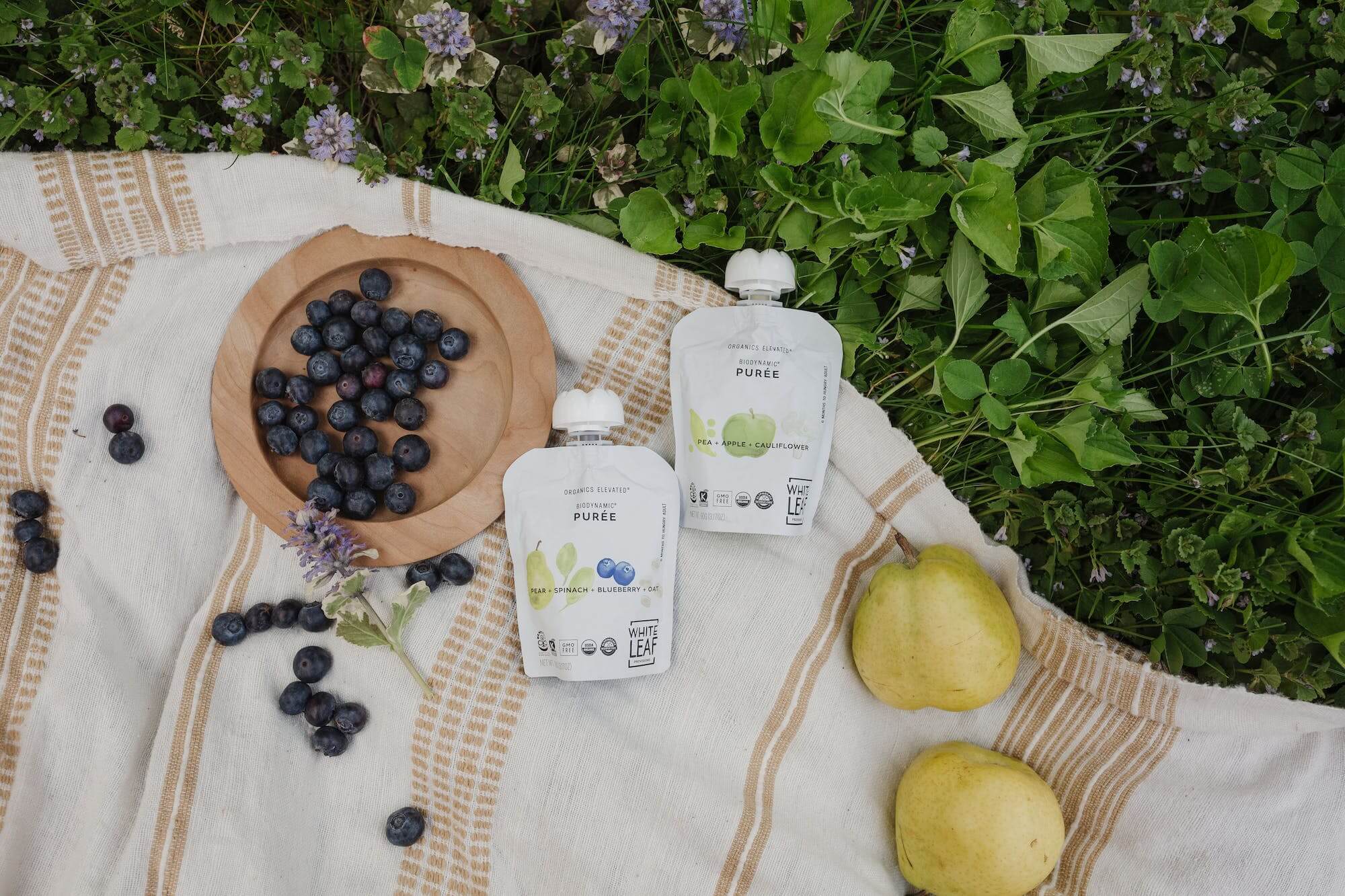
The gold standard in baby food, offering Demeter-certified biodynamic ingredients that exceed organic standards for soil health and purity.

A gold standard in ethical confectionery, combining fair-pay labor practices with regenerative cocoa farming that restores biodiversity in the Ivory Coast and Ghana.

The first and only baby brand to be Gold Seal Fair Trade certified, Under the Nile offers exceptionally soft Egyptian cotton towels made in a sustainable community in Egypt.

A sustainable, carbon-neutral dollhouse made from reclaimed rubberwood and non-toxic PlanWood.
A gold standard in ethical confectionery, using regenerative farming to combat climate change while ensuring living wages for cocoa farmers.

A 100% natural rubber pacifier that is completely plant-based, plastic-free, and compostable, meeting the highest circularity standards.

Exquisite heirloom Malagasy cocoa produced entirely at the source in Madagascar. This professional-grade bulk trunk supports direct-trade and lemur habitat conservation.

A nutrient-dense heirloom grain sourced through fully transparent supply chains that support regenerative farming practices in the Peruvian Andes.

A luxurious, spa-weight robe made from 100% GOTS-certified organic cotton, produced under Fair Trade standards.
What Refreshers is rated on
Refreshers has no third-party certifications on file. The brand does not appear on major ethical certification lists (e.g., Fairtrade, Vegan Society, Leaping Bunny, or B Corp). Its parent company, Valeo Foods Group, has not published an animal testing policy or sustainability targets specific to the Refreshers line. While the brand has no known scandals, the lack of verifiable ethical standards means shoppers cannot easily confirm its practices align with their values.
How the alternatives were picked
We selected alternatives based on: (1) confirmed third-party certifications like Fairtrade, Vegan, Organic, or Leaping Bunny; (2) a clear, public animal testing policy; (3) published sustainability or ethical sourcing commitments; and (4) comparable product type — chewy, fruit-flavored candies. Each alternative listed below meets at least two of these criteria, providing shoppers with verifiable choices.
- Seed & Soul Organics — Organic fruit chews, certified vegan and gluten-free. Uses natural fruit concentrates and has a published no-animal-testing policy.
- Love Raw — Plant-based, gluten-free chewy sweets with Vegan Society certification and a transparent supply chain.
- Biona Organic — Organic fruit chews with no artificial additives, carrying EU Organic certification and a parent company that publishes an ethical sourcing policy.
What to check on the label
When choosing an ethical alternative, look for these on the packaging: (1) a specific certification logo (e.g., Vegan Society, Fairtrade, Leaping Bunny, or Soil Association Organic); (2) a clear statement on animal testing (e.g., ‘not tested on animals’); (3) ingredient sourcing details — fair trade sugarcane or fruit from known sources; (4) whether the brand’s parent company publishes a sustainability or modern slavery statement. Avoid brands that only use vague terms like ‘natural’ without independent verification.
How to judge a suggested brand alternative
An alternatives page is a starting shortlist, not proof that one brand is universally better than another. The suggestions come from our catalogue: published products in a similar category with a recorded ethics score. They answer a narrow question — which products we list might fit the same need — and they cannot tell you which option performs best, suits your skin or diet, or matches your budget.
Match the job before the score
Start with what the original product does for you: format, size, scent, skin or dietary requirements and where you buy it. A higher-scoring alternative is not useful if it comes in a format you cannot use or is not sold where you shop. Check the alternative's full record — purpose, ingredients, price and seller — before treating it as a replacement.
Compare evidence, not impressions
Read certifications at their stated scope: a scheme may cover one range, one material or a named entity rather than a whole brand. An animal-free ingredient list and an animal-testing policy are separate questions, and a parent company's record is a third. Where a claim matters to you, confirm it in the scheme's own directory or the manufacturer's current statement rather than relying on a badge alone.
Keep the limits of the comparison visible
Catalogue scores are AI-assisted assessments with documented limitations, not laboratory measurements. A missing score is a data gap, not a failing grade. The original brand's presence here reflects what our records contain, which may omit reformulations, regional differences or newer certifications. For health, safety or recall concerns, use official sources rather than any score.
| Check | Where to confirm it | Avoid assuming |
|---|---|---|
| Does the alternative do the same job? | Its full product record and the maker's current description | A similar category means a like-for-like replacement |
| Is a claimed certification current? | The certification scheme's official directory | A badge covers the whole brand or group |
| Is it actually available to you? | The retailer's current listing, price and delivery | A catalogue price tier is a live quote |
Frequently asked about Refreshers alternatives
Does Refreshers test on animals?+
Refreshers' parent company, Valeo Foods Group, has not disclosed an animal testing policy for its confectionery brands. There is no public record of animal testing, but also no commitment to being cruelty-free. For shoppers seeking guaranteed no animal testing, choose brands with Leaping Bunny or PETA certification.
Are Refreshers suitable for vegans?+
Refreshers are not certified vegan. Some varieties may contain ingredients like glucose syrup from uncertain sources or natural flavors that could be derived from animals. Always check the specific product label, but for a reliable vegan option, look for the Vegan Society trademark on alternatives.
What certifications do ethical alternatives typically have?+
Common certifications for ethical chewy candies include Fairtrade (for fair labor practices), Vegan Society (no animal ingredients), Organic (EU Organic or USDA Organic), and Leaping Bunny (no animal testing). Also look for B Corp certification, which assesses overall social and environmental performance.
Is there a plastic-free alternative to Refreshers?+
Some ethical brands offer fruit chews in compostable or paper packaging. For example, Love Raw uses plastic-free packaging, and Biona Organic uses glass jars or cardboard boxes. Always check the product's packaging details, as Refreshers typically uses plastic wrappers with no recycling claims.