Ethical Alternatives to Ritz
Ritz crackers, owned by Mondelēz International, are a pantry staple known for their buttery taste. However, the brand’s ethical profile is mixed: it lacks formal animal testing certifications, offers limited vegan options, and faces scrutiny over palm oil sourcing and packaging sustainability. This page highlights alternatives that address these concerns.
Categories compared: Food & Nutrition
Why shoppers look for alternatives to Ritz
- Ritz has no formal certification for animal testing; while Mondelēz doesn't test finished products, ingredient testing by suppliers is possible.
- Palm oil sourcing remains a concern, as Mondelēz has faced criticism for not fully eliminating deforestation-linked supply chains.
- Limited vegan options: Ritz Original contains dairy, and the brand has not introduced a fully vegan cracker line.
- Packaging sustainability: Ritz uses mixed materials that are not widely recyclable, and the company lacks a public commitment to 100% recyclable packaging by 2025.
Top-scoring alternatives to Ritz

The gold standard for ethical food production, this coconut oil uses regenerative organic practices and fair trade labor to set a benchmark for corporate responsibility.
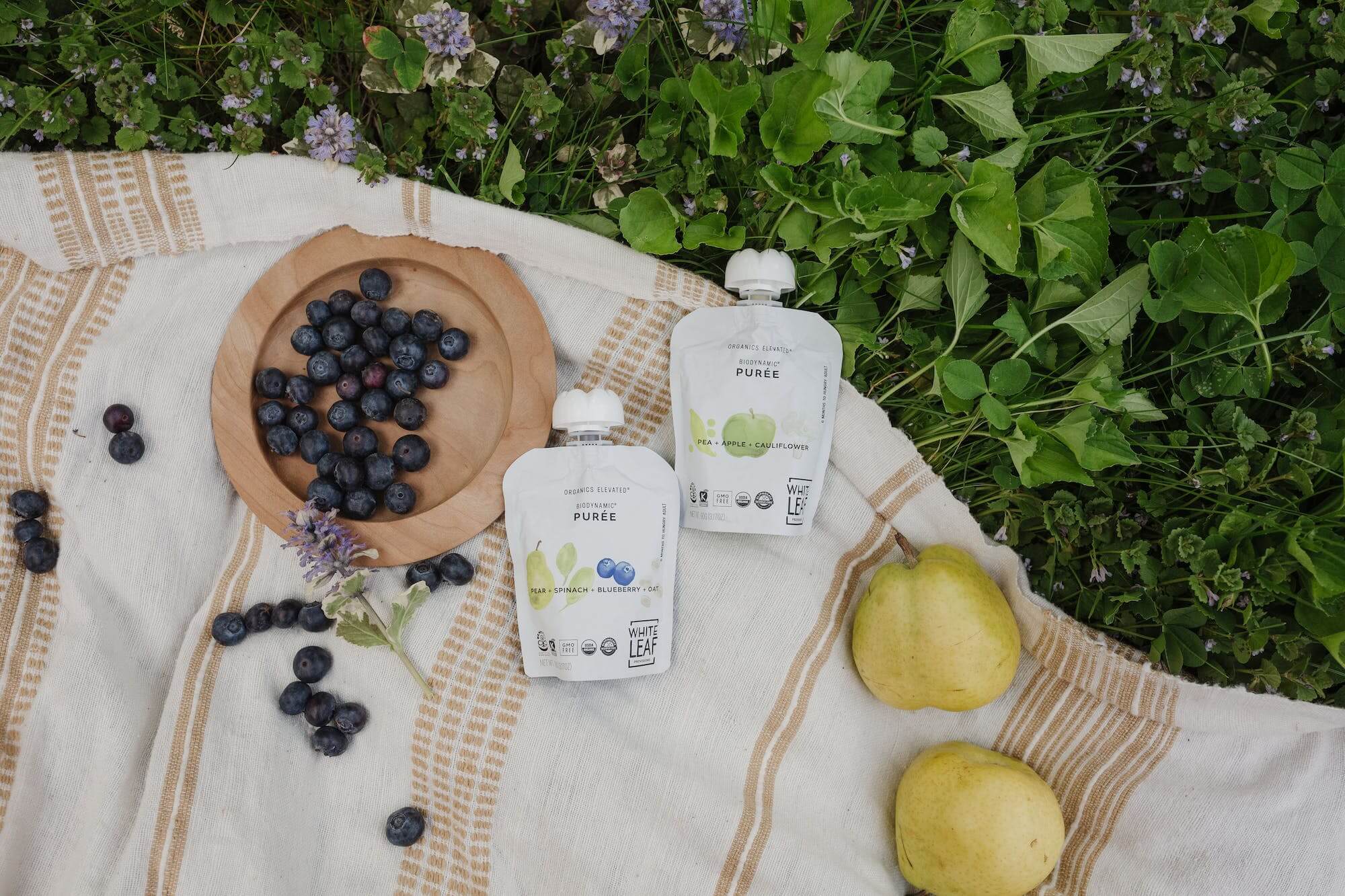
The gold standard in baby food, offering Demeter-certified biodynamic ingredients that exceed organic standards for soil health and purity.
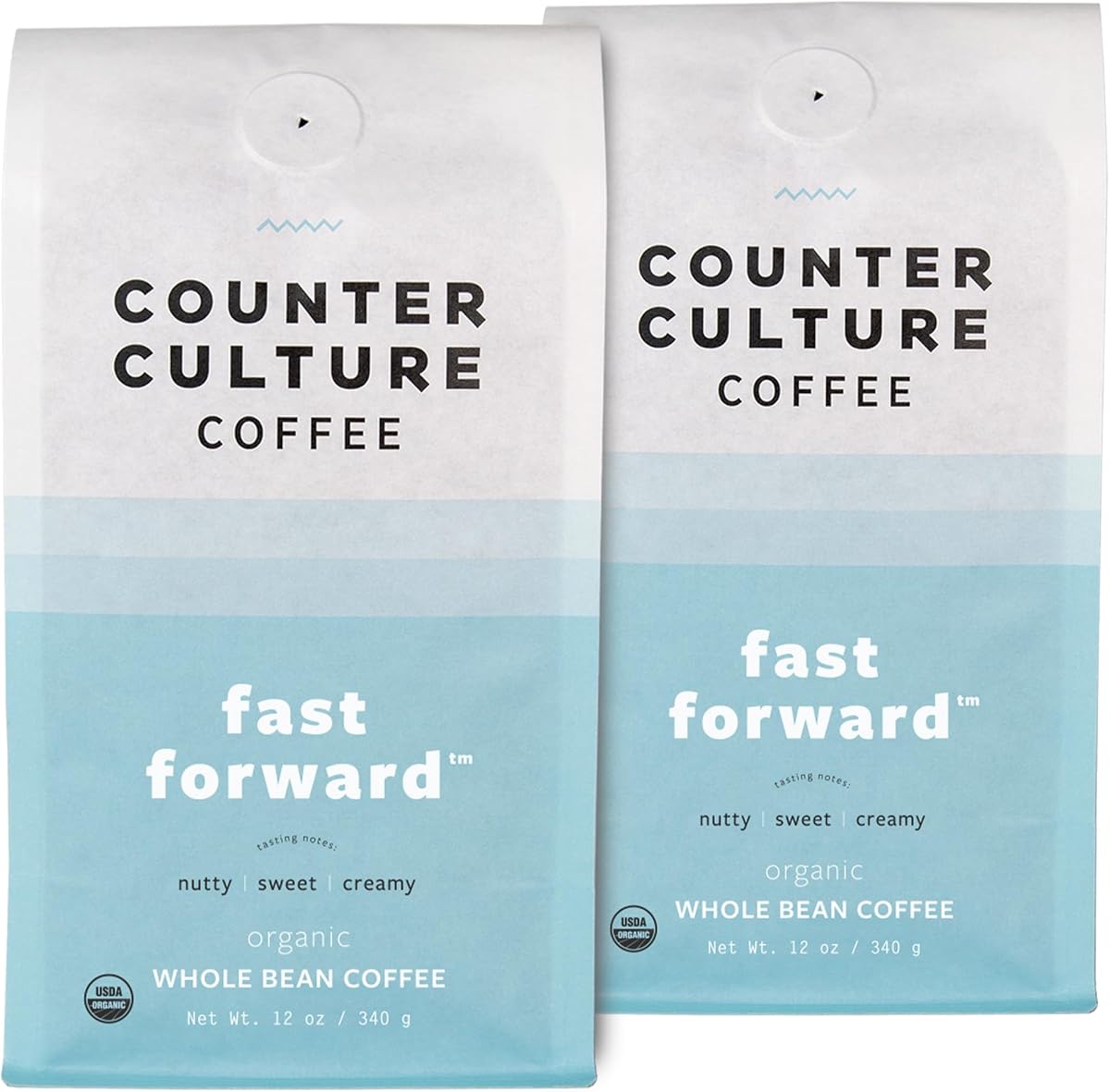
A 100% farmer-owned coffee cooperative that bypasses traditional middlemen to ensure maximum profits return to the growers.

A gold-standard example of regenerative agriculture, these oats go beyond organic by actively restoring soil health and ensuring fair wages for farmers in a vertically integrated supply chain.

Arguably the most ethical coconut oil on the market, sourced from 'Serendipol' in Sri Lanka using regenerative practices that revitalize soil and support a fair-trade community.

Exquisite heirloom Malagasy cocoa produced entirely at the source in Madagascar. This professional-grade bulk trunk supports direct-trade and lemur habitat conservation.

A 100% farmer-owned cooperative coffee brand that bypasses middlemen to ensure maximum profits return to the growers.

A gold standard in ethical confectionery, using regenerative farming to combat climate change while ensuring living wages for cocoa farmers.
A gold standard in ethical confectionery, combining fair-pay labor practices with regenerative cocoa farming that restores biodiversity in the Ivory Coast and Ghana.

A gold-standard breakfast staple sourced from family-owned farms in Montana using regenerative practices that actively sequester carbon and restore soil health.
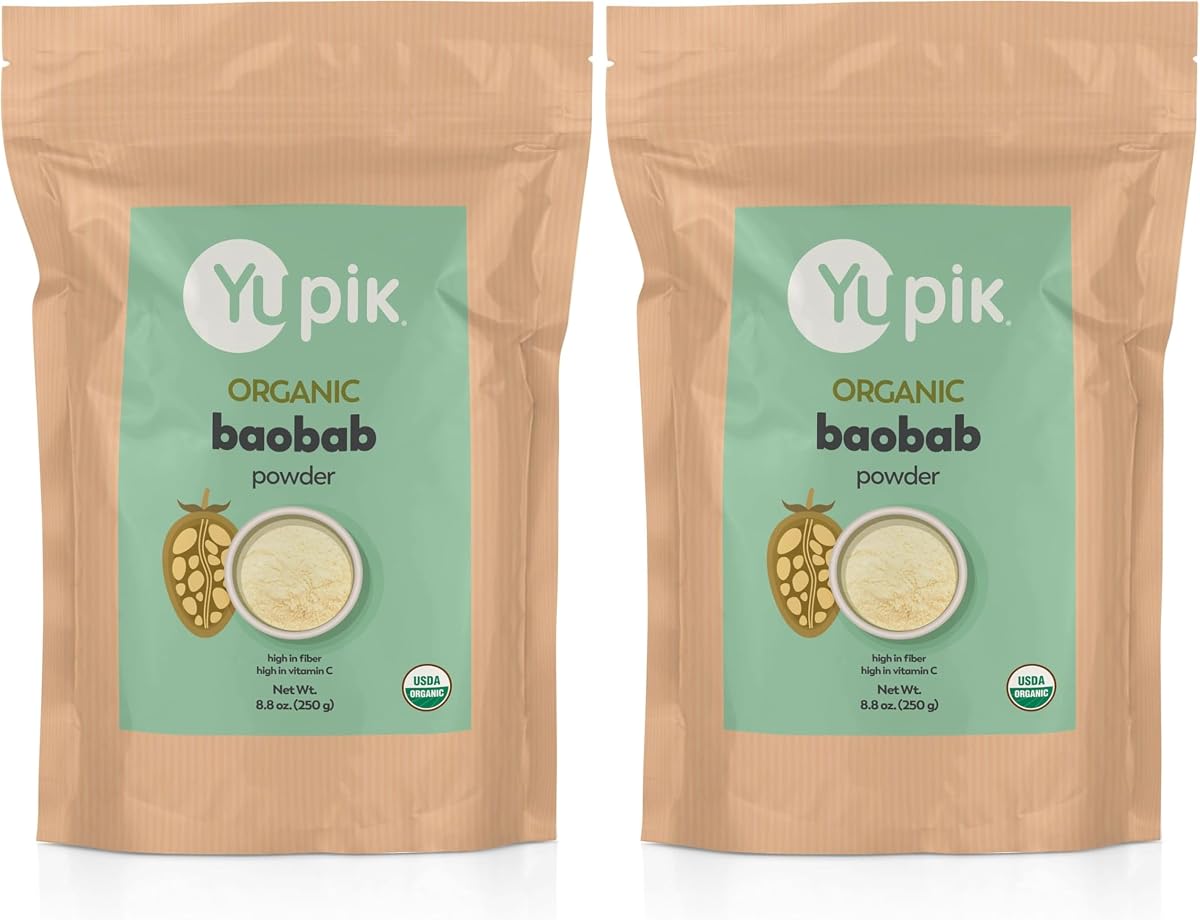
A nutrient-dense African superfood powder ethically harvested by women's cooperatives in Upper East Ghana, providing a massive vitamin C boost.

A French pioneer in organic fair-trade chocolate, Kaoka builds long-term partnerships with smallholder cooperatives to produce high-end, Kosher-certified dark chocolate.
What Ritz is rated on
Our rating system evaluates brands across several ethical criteria. Ritz (Mondelēz) scores poorly on animal welfare: it has no Leaping Bunny or other animal-testing certifications, and its policy states that third-party ingredient suppliers may test on animals. On environment, the company reports some progress on palm oil certification but still sources from regions with deforestation risk. Vegan options are minimal — the original recipe contains butter and whey. Recycling infrastructure for its plastic-and-foil wrappers is limited.
How the alternatives were picked
We selected alternatives that score higher in at least two of these areas: certified vegan, transparent palm oil sourcing (RSPO-certified or deforestation-free), fully recyclable or compostable packaging, and formal animal-testing certification. All alternatives are available in the UK and US markets and provide a comparable buttery cracker experience.
What to check on the label
When choosing an ethical cracker, look for: 1. Vegan certifications — e.g., the Vegan Society logo or a plant-based claim. 2. Palm oil certification — RSPO-certified or a ‘sustainable palm oil’ statement. 3. Packaging recyclability — cardboard boxes are easier to recycle than plastic wrappers; check for ‘widely recyclable’ labels. 4. Animal testing policy — look for Leaping Bunny or PETA cruelty-free logos. 5. Brand ownership — independent brands often have stronger ethics than multinationals.
Frequently asked about Ritz alternatives
Does Ritz test on animals?+
Mondelēz International, which owns Ritz, states it does not test finished products on animals. However, it may rely on third-party suppliers who conduct ingredient testing, and it holds no formal animal-testing certifications like Leaping Bunny.
Are Ritz crackers vegan?+
No. Ritz Original crackers contain butter, whey, and other dairy ingredients. Most flavored varieties also contain dairy. Mondelēz does not offer a verified vegan Ritz product.
What is Ritz's palm oil policy?+
Mondelēz sources palm oil from suppliers that are RSPO-certified but has been criticized by NGOs for links to deforestation in Southeast Asia. The company aims for 100% certified sustainable palm oil by 2025 but has not fully eliminated deforestation risk.
Can Ritz packaging be recycled?+
Ritz wrappers are typically a plastic-and-foil laminate, which most curbside recycling programs cannot process. The outer cardboard is recyclable, but the inner sleeve and wrapper are not widely accepted.