Ethical Alternatives to Roman
Roman is a direct-to-consumer men's health brand offering prescription treatments for hair loss and ED. While it prioritizes patient privacy and avoids animal testing, it lacks independent ethical certifications and transparent sustainability commitments. This page highlights alternatives with stronger third-party verified practices.
Categories compared: Health & Wellness
Why shoppers look for alternatives to Roman
- Roman has no third-party certifications (e.g., B Corp, Leaping Bunny, Fair Trade) to verify its ethical or sustainability claims.
- The brand does not provide a publicly available animal testing policy for its contract manufacturers, leaving supply chain practices unconfirmed.
- Roman offers no transparent sustainability reporting or carbon footprint disclosure, making it hard to assess environmental impact.
- For shoppers seeking verified ethical sourcing, Roman’s lack of certification means relying solely on self-reported claims.
Top-scoring alternatives to Roman

An ultra-ethical, multipurpose skin salve made with organic oils and fair-trade beeswax, setting the gold standard for corporate responsibility.

Quite literally the gold standard for ethical sourcing, this coconut oil supports regenerative agriculture and fair wages for thousands of farmers in Sri Lanka.

A fluoride-free, 70% organic toothpaste that leads the industry in fair trade sourcing and activist corporate governance.

A hand-crafted, raw wellness balm produced by women’s cooperatives in Ghana, ideal for gluten-free skin nutrition and head-to-toe hydration.

A world-leader in regenerative agriculture, this adaptogenic tea supports stress relief while revitalizing rural Indian farming communities.

A high-performance, medical-grade silicone menstrual cup from a women-owned B Corp dedicated to period equity and sustainability.

A 100% biodegradable air purifier that replaces plastic HEPA filters with natural materials like moss, coconut, and charcoal.
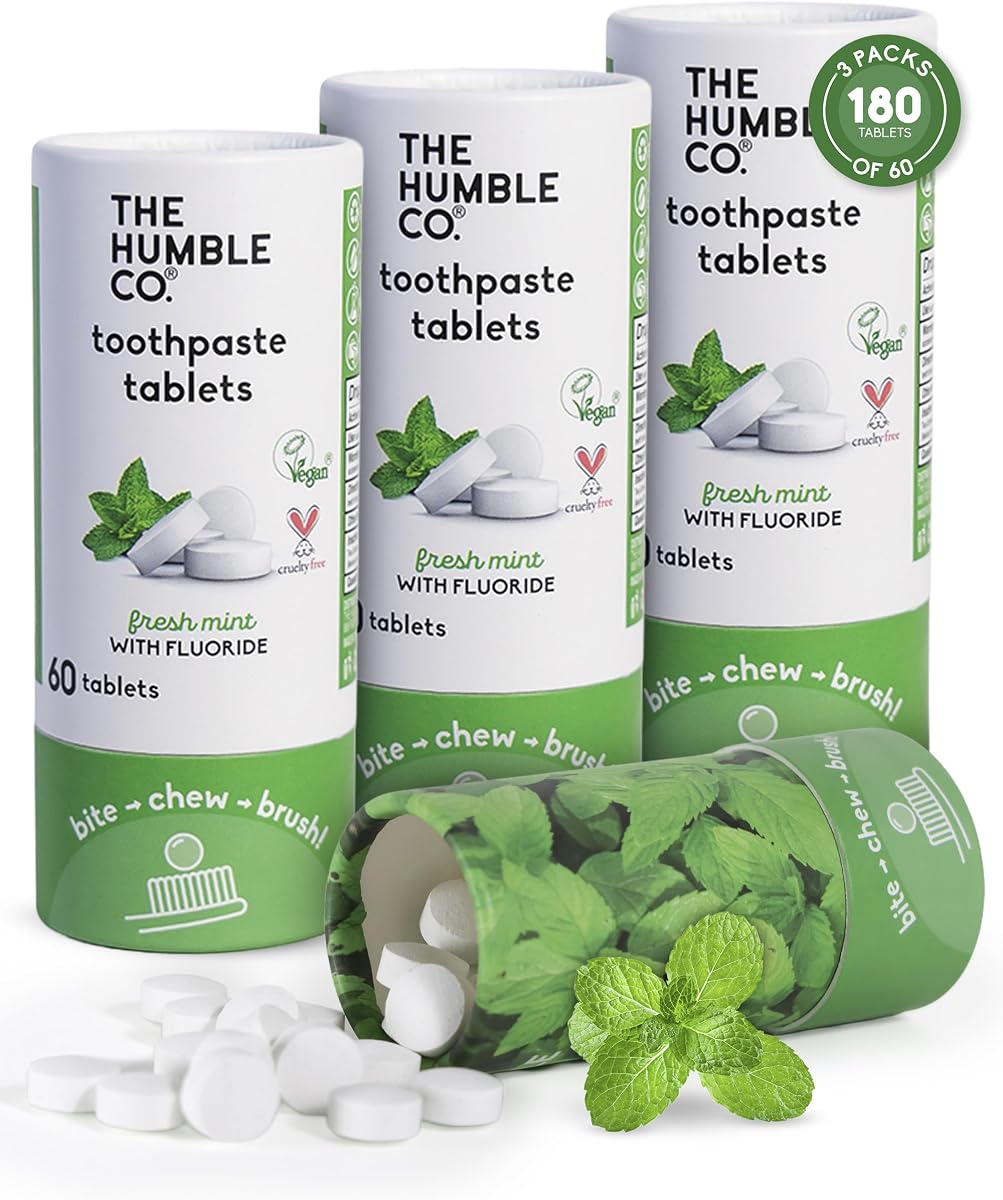
An innovative, zero-waste alternative to traditional toothpaste. Bite eliminates plastic tubes and harsh chemicals, offering a dry-tablet format that is travel-friendly and carbon-neutral.
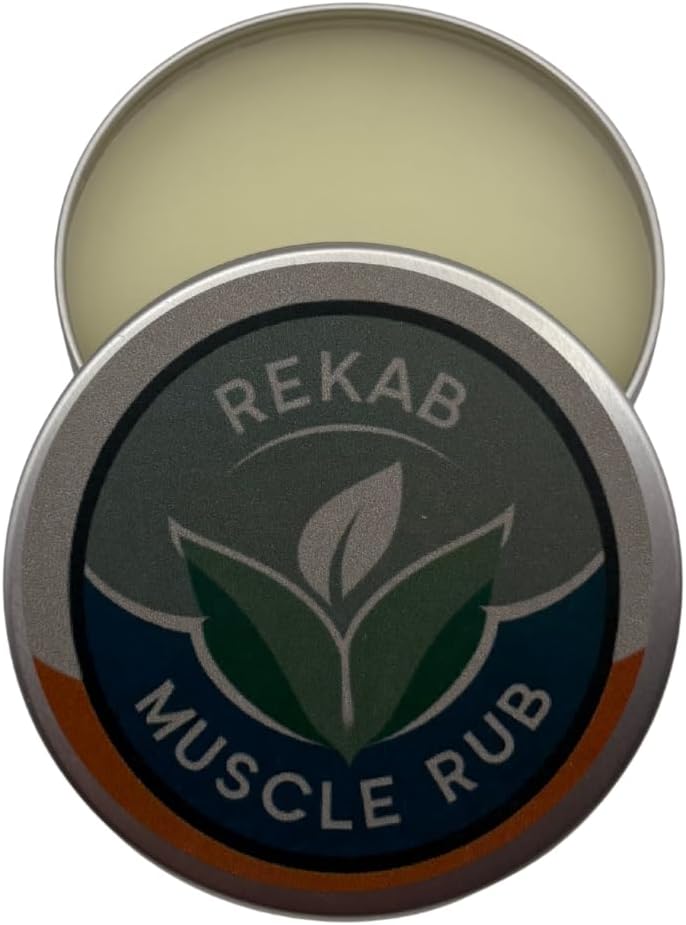
A family-owned, Vermont-based classic that uses pure botanical extracts to provide soothing heat and cooling relief for sore muscles.

A plastic-free, highly sustainable alternative to traditional wood-pulp toilet paper that donates 50% of profits to global sanitation projects.

A plastic-free, waterless alternative to traditional toothpaste, featuring Nano-Hydroxyapatite to strengthen enamel without fluoride.

A gold-standard adaptogenic supplement produced through regenerative agriculture and fair trade partnerships with small family farmers in India.
What Roman is rated on
Roman operates a telemedicine model that respects patient privacy, and the company states no animal testing is conducted on its products. However, the brand does not hold any major independent certifications such as B Corp, Leaping Bunny, or Fair Trade. It also does not publish a dedicated sustainability report or environmental policy, and no third-party verification exists for its contract manufacturers’ animal testing or labor practices. Public records show no controversies, but the lack of transparency in certification and supply chain details is a key concern for ethical shoppers.
How the alternatives were picked
Each alternative listed here was vetted for at least one of the following: third-party cruelty-free certification (e.g., Leaping Bunny, PETA), B Corp certification, transparent sustainability reporting, or verified ethical sourcing of ingredients and packaging. We prioritized brands that make their manufacturing and ingredient sourcing publicly available, and that demonstrate a commitment to reducing environmental impact through recyclable or minimal packaging. Brands that provide physician oversight or licensed telehealth services were also considered to ensure effectiveness and safety.
What to check on the label
When evaluating an alternative to Roman, look for these key indicators on the product or brand website: Cruelty-free certification from Leaping Bunny or PETA to confirm no animal testing at any stage. Sustainability certifications like CarbonNeutral, FSC (for paper packaging), or a clearly stated carbon footprint reduction plan. Ingredient transparency – the brand should list all active and inactive ingredients and their sources. For prescription products, verify that the brand uses licensed healthcare providers and complies with local telemedicine regulations. Avoid brands that use vague terms like “natural” without third-party backing.
Frequently asked about Roman alternatives
Does Roman test on animals?+
Roman states it does not conduct animal testing on its products, but it does not provide a third-party certification or written policy for its contract manufacturers, so there is no independent verification of this claim.
Are there any ethical certifications Roman holds?+
No. Roman does not hold any major ethical certifications such as B Corp, Leaping Bunny, Fair Trade, or CarbonNeutral based on publicly available records.
What alternatives offer verified cruelty-free products?+
Brands like Hims (similar telemedicine model, some products Leaping Bunny certified), and Nutrafol (plant-based, Leaping Bunny certified hair supplements) are examples of alternatives with third-party cruelty-free verification.
Why is transparency important when choosing a men's health brand?+
Without transparent sourcing and manufacturing policies, it is difficult to confirm that a brand’s claims about animal testing, environmental impact, or ingredient safety are accurate. Third-party certifications provide independent assurance.