Ethical Alternatives to Schick
Schick, owned by Edgewell Personal Care, is a major razor and shaving brand with limited public commitments to sustainability and ethics. It has no third-party certifications and offers no clear policy on labor practices, while selling in mainland China where animal testing may be required.
Categories compared: Beauty & Personal Care
Why shoppers look for alternatives to Schick
- No animal testing policy: Schick states no animal testing on finished products unless required by law, but sells in China where mandatory animal testing for imported cosmetics can occur.
- Lack of third-party certifications: Schick holds no recognized certifications such as Leaping Bunny, Cruelty Free International, or B Corp, making independent verification of ethical claims impossible.
- Limited transparency on labor practices: Schick does not publicly disclose factory audits, supply chain labor standards, or worker welfare policies compared to ethical competitors.
- Sustainability commitments unclear: Schick has no publicly available targets for reducing plastic waste, carbon emissions, or using recycled materials, unlike many dedicated eco-brands.
Top-scoring alternatives to Schick
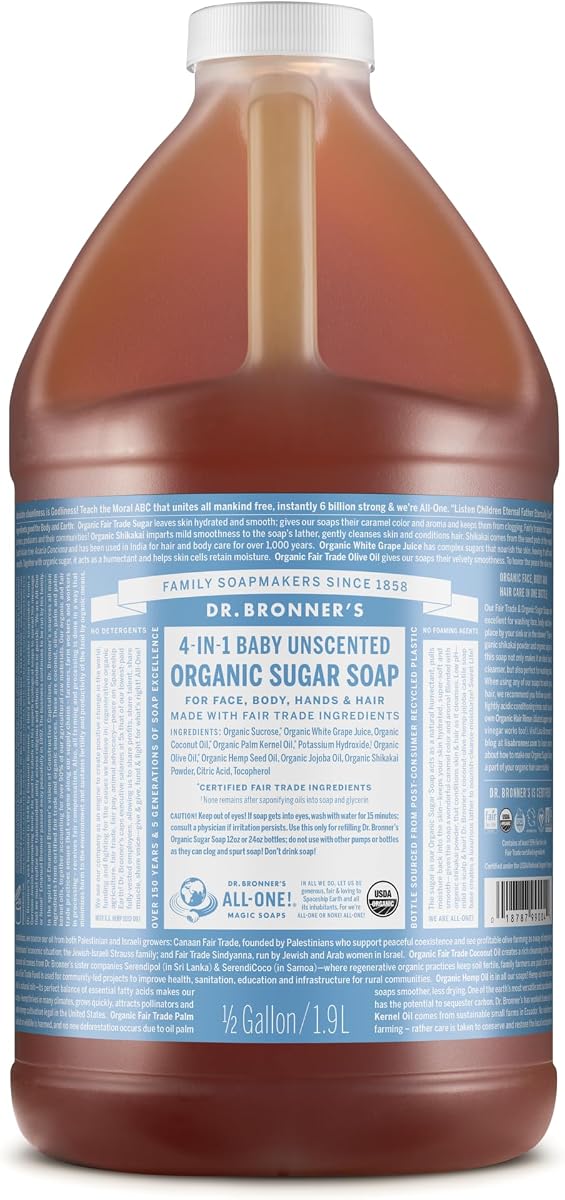
A multi-use, fair-trade organic soap that is gentle enough for pets yet effective at removing grime and odors.

The gold standard for ethical personal and pet care. Dr. Bronner’s Peppermint Pure-Castile Soap is biodegradable, fair trade, and highly concentrated for multi-purpose use.

A legendary multi-use soap that is widely recommended by groomers for pets due to its organic, fair-trade ingredients and complete lack of synthetic detergents.

The ultimate multi-tasker for minimalist hosts; one bottle can wash hands, body, hair, and even dishes.
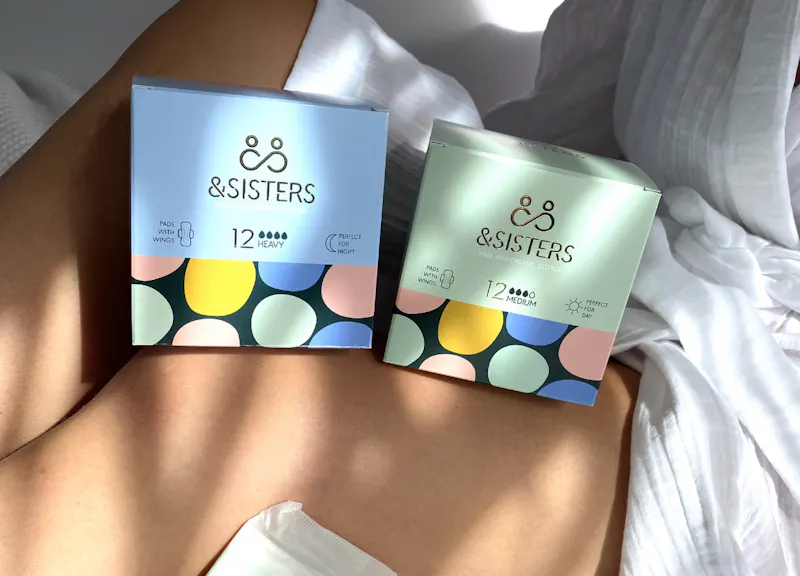
A UK-based, women-owned B Corp offering the highest ethical standard in menstrual care. This bulk 'Sisterhood' bundle features GOTS organic cotton tampons and pads with RSPO-segregated inputs, ensuring zero deforestation.

The gold standard of ethical soaps, featuring regenerative organic palm oil and a legacy of fair-trade advocacy and radical transparency.
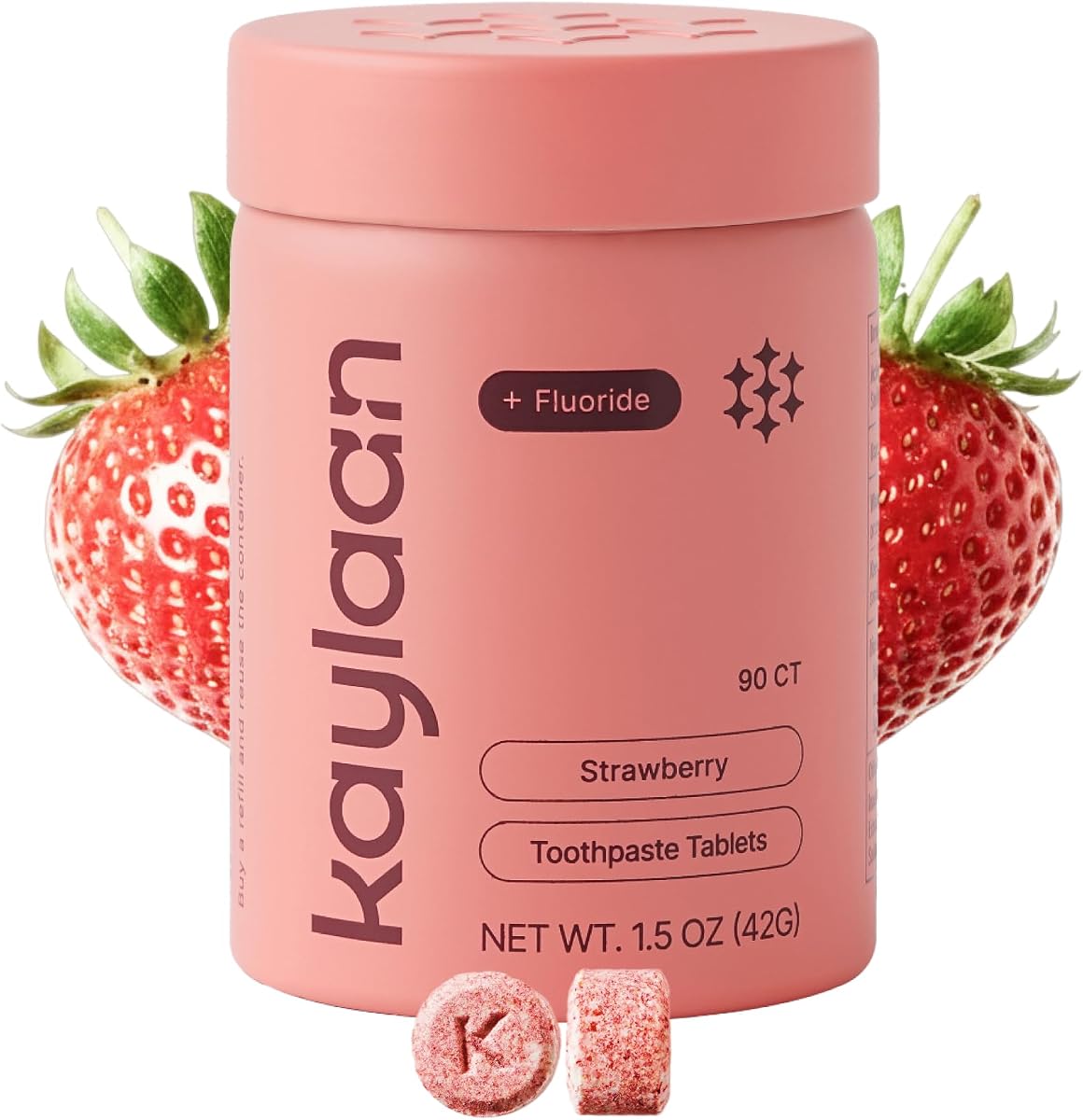
A zero-waste oral care system consisting of fluoride-free tablets in a refillable glass jar, featuring ingredients sourced from ethical Eastern European partners.

A high-potency, carbon-extracted rosehip oil designed specifically for sensitive skin, backed by rigorous B Corp standards and organic agricultural sourcing.
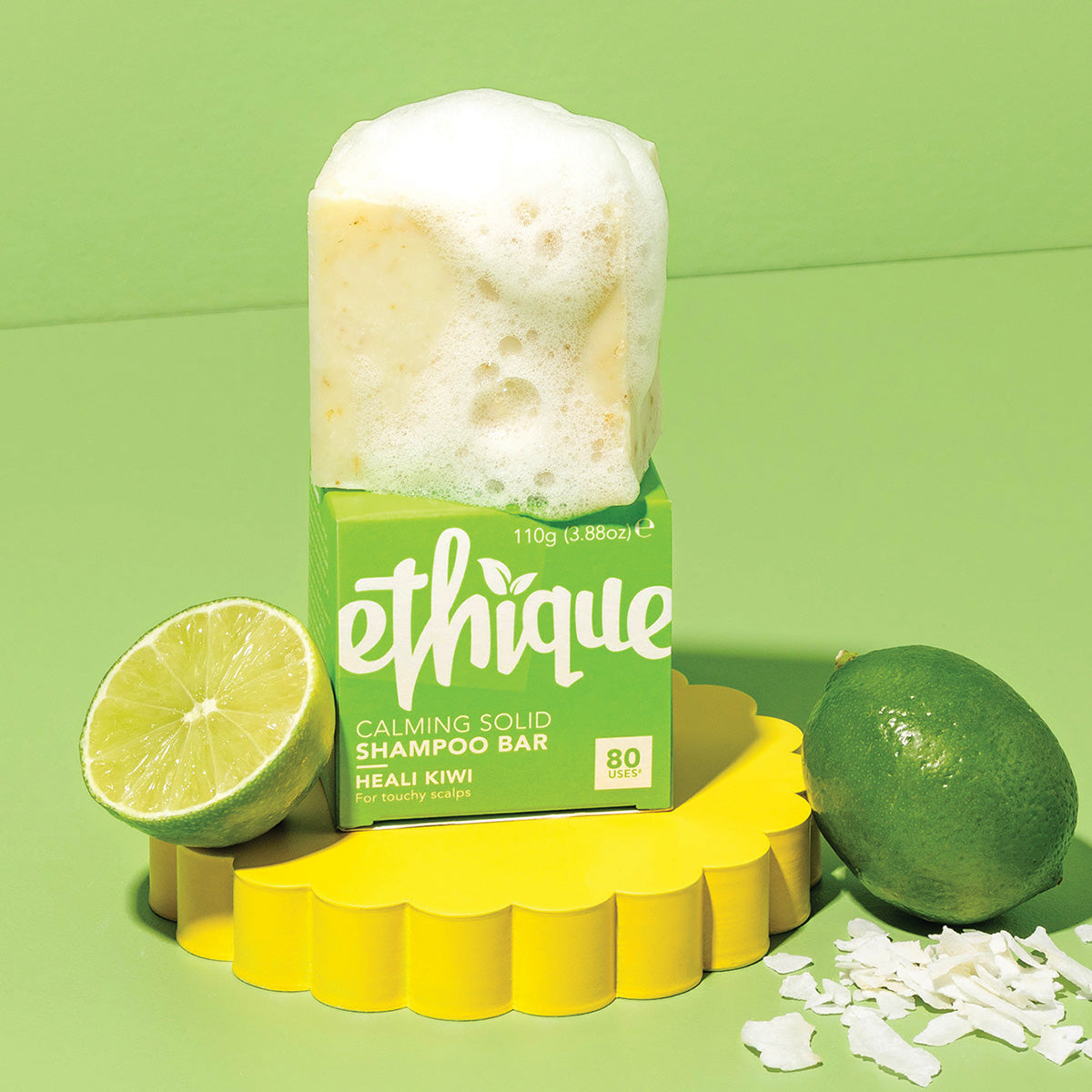
A plastic-free, highly concentrated shampoo bar that replaces three plastic bottles, featuring fair-trade ingredients and carbon-neutral shipping.

A moisturizing, sulfate-free bubble bath featuring handcrafted fair-trade shea butter and calming lavender oil.
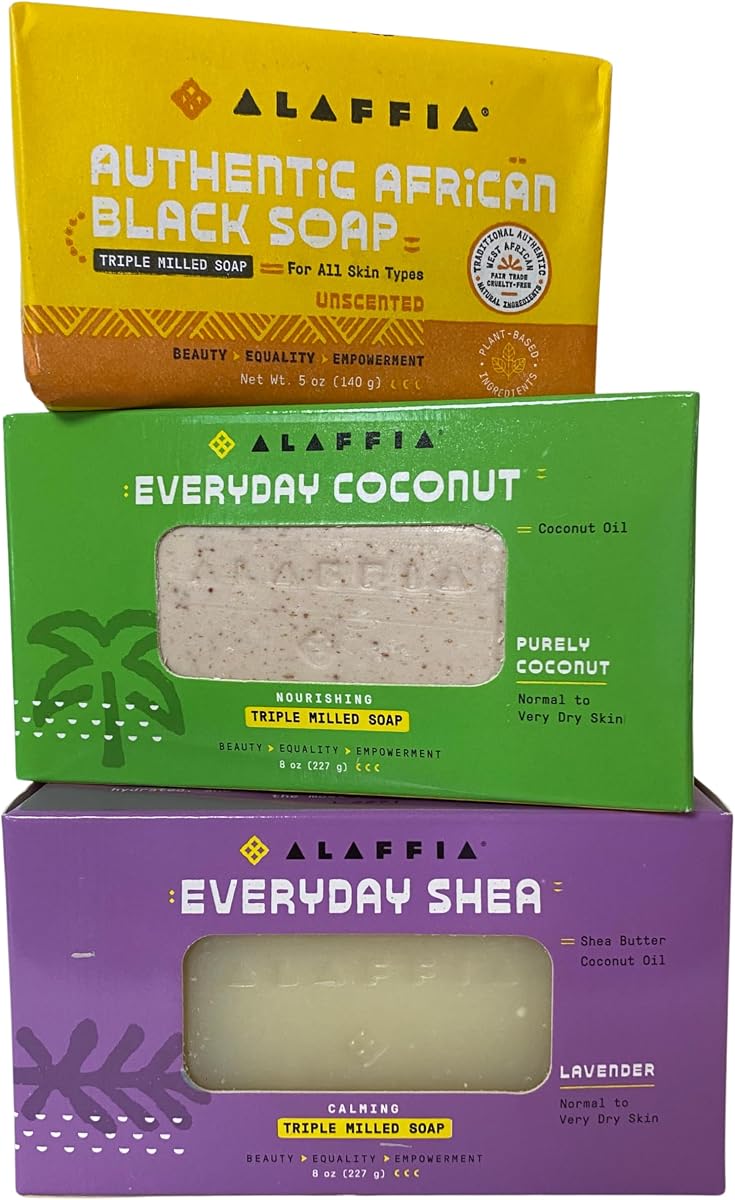
A culturally authentic, multipurpose soap that funds community empowerment projects in Togo through a direct-trade model.

A revolutionary carbon-neutral alternative to single-use cotton pads, designed to be used up to 1,750 times and fully compostable at the end of its life.
What Schick is rated on
Schick is a major global razor brand, but it fails to meet most ethical benchmarks. The company has no animal testing policy beyond a statement that finished products are not tested on animals 'unless required by law.' Because Schick sells in mainland China, where imported cosmetics may be subject to mandatory animal testing, this is a significant ethical gap. Schick also lacks any third-party certifications (e.g., Leaping Bunny, Cruelty Free International, B Corp, or Fair Trade), meaning there is no independent verification of its claims. On environmental and labor fronts, Schick does not publicly disclose factory conditions, supply chain audits, or detailed sustainability targets. Compared to smaller ethical shaving brands, Schick’s transparency is minimal.
How the alternatives were picked
We reviewed shaving brands that score higher on ethics, focusing on three key criteria: clear and enforceable cruelty-free policies (e.g., Leaping Bunny or PETA certification, no sales in China where testing is required), full supply chain transparency (public factory lists, labor audits, or B Corp status), and meaningful environmental commitments (recycled or biodegradable packaging, refillable systems, carbon offset programs). Only brands with publicly verifiable certifications or detailed policies were included as alternatives. We excluded brands that still sell in China or that rely on vague 'not tested on animals' statements without third-party verification.
What to check on the label
When shopping for an ethical razor or shaving product, look for these certifications: Leaping Bunny or Cruelty Free International logo ensures no animal testing at any stage. B Corp certification indicates high social and environmental standards. FSC (Forest Stewardship Council) on packaging means the cardboard comes from responsibly managed forests. Plastic Neutral or Carbon Neutral claims should be backed by a third party (e.g., ClimatePartner). Check for made from recycled or stainless steel (long-lasting handles) and refillable or compostable blade cartridges. Avoid brands that sell in mainland China if you prioritize fully cruelty-free products.
How to judge a suggested brand alternative
An alternatives page is a starting shortlist, not proof that one brand is universally better than another. The suggestions come from our catalogue: published products in a similar category with a recorded ethics score. They answer a narrow question — which products we list might fit the same need — and they cannot tell you which option performs best, suits your skin or diet, or matches your budget.
Match the job before the score
Start with what the original product does for you: format, size, scent, skin or dietary requirements and where you buy it. A higher-scoring alternative is not useful if it comes in a format you cannot use or is not sold where you shop. Check the alternative's full record — purpose, ingredients, price and seller — before treating it as a replacement.
Compare evidence, not impressions
Read certifications at their stated scope: a scheme may cover one range, one material or a named entity rather than a whole brand. An animal-free ingredient list and an animal-testing policy are separate questions, and a parent company's record is a third. Where a claim matters to you, confirm it in the scheme's own directory or the manufacturer's current statement rather than relying on a badge alone.
Keep the limits of the comparison visible
Catalogue scores are AI-assisted assessments with documented limitations, not laboratory measurements. A missing score is a data gap, not a failing grade. The original brand's presence here reflects what our records contain, which may omit reformulations, regional differences or newer certifications. For health, safety or recall concerns, use official sources rather than any score.
| Check | Where to confirm it | Avoid assuming |
|---|---|---|
| Does the alternative do the same job? | Its full product record and the maker's current description | A similar category means a like-for-like replacement |
| Is a claimed certification current? | The certification scheme's official directory | A badge covers the whole brand or group |
| Is it actually available to you? | The retailer's current listing, price and delivery | A catalogue price tier is a live quote |
Frequently asked about Schick alternatives
Does Schick test on animals?+
Schick states it does not test finished products on animals unless required by law. However, because it sells in mainland China, where imported cosmetics may undergo mandatory animal testing, the brand cannot be considered fully cruelty-free by Leaping Bunny or PETA standards.
Are there any ethical certifications for Schick?+
No. Schick holds no third-party certifications such as Leaping Bunny, Cruelty Free International, B Corp, or Fair Trade. This lack of independent verification makes it difficult to confirm any ethical claims.
What are the best cruelty-free alternatives to Schick?+
Brands like Leaf Shave (Leaping Bunny certified, plastic-free), One Blade (PETA certified, recycled steel handles), and Hanni (Leaping Bunny, refillable, made in USA) offer verified cruelty-free and more sustainable shaving options.
Why should I avoid Schick if I care about labor practices?+
Schick does not publicly disclose its supply chain labor audits, factory working conditions, or whether it monitors child labor or fair wages. Ethical alternatives often share detailed supplier lists and worker welfare standards.