Ethical Alternatives to Smashbox
Smashbox, owned by Estée Lauder, states it does not test on animals but faces scrutiny because its products are sold in mainland China, where post-market animal testing may be required by law. The brand has limited vegan options and partial sustainability efforts without strong third-party certification, making it a mixed choice for ethical shoppers.
Categories compared: Beauty & Personal Care
Why shoppers look for alternatives to Smashbox
- Smashbox sells in mainland China, where animal testing may be required post-market, conflicting with its stated cruelty-free policy.
- No independent certifications (e.g., Leaping Bunny, PETA) are on file to verify its animal testing claims.
- The brand offers limited vegan options, lacking a comprehensive vegan product line.
- Sustainability claims are partial and not backed by strong third-party certifications, leaving gaps in environmental accountability.
Top-scoring alternatives to Smashbox

The ultimate multi-tasker for minimalist hosts; one bottle can wash hands, body, hair, and even dishes.
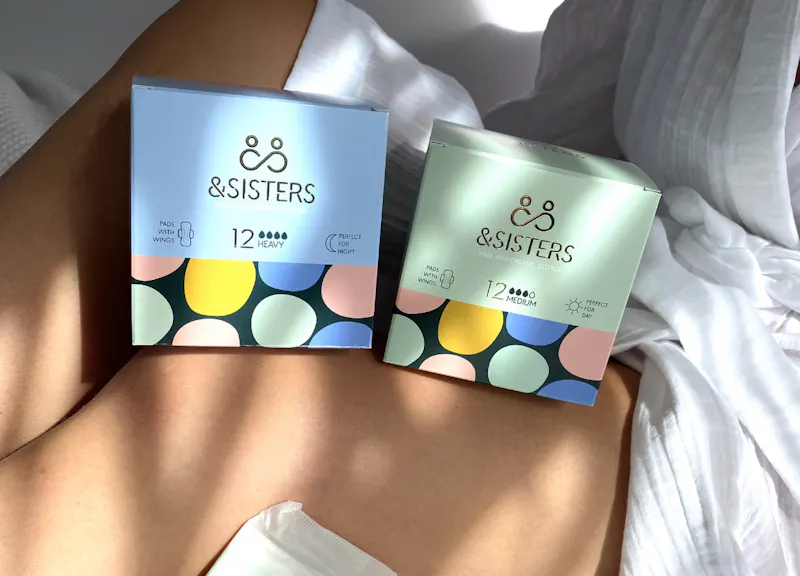
A UK-based, women-owned B Corp offering the highest ethical standard in menstrual care. This bulk 'Sisterhood' bundle features GOTS organic cotton tampons and pads with RSPO-segregated inputs, ensuring zero deforestation.
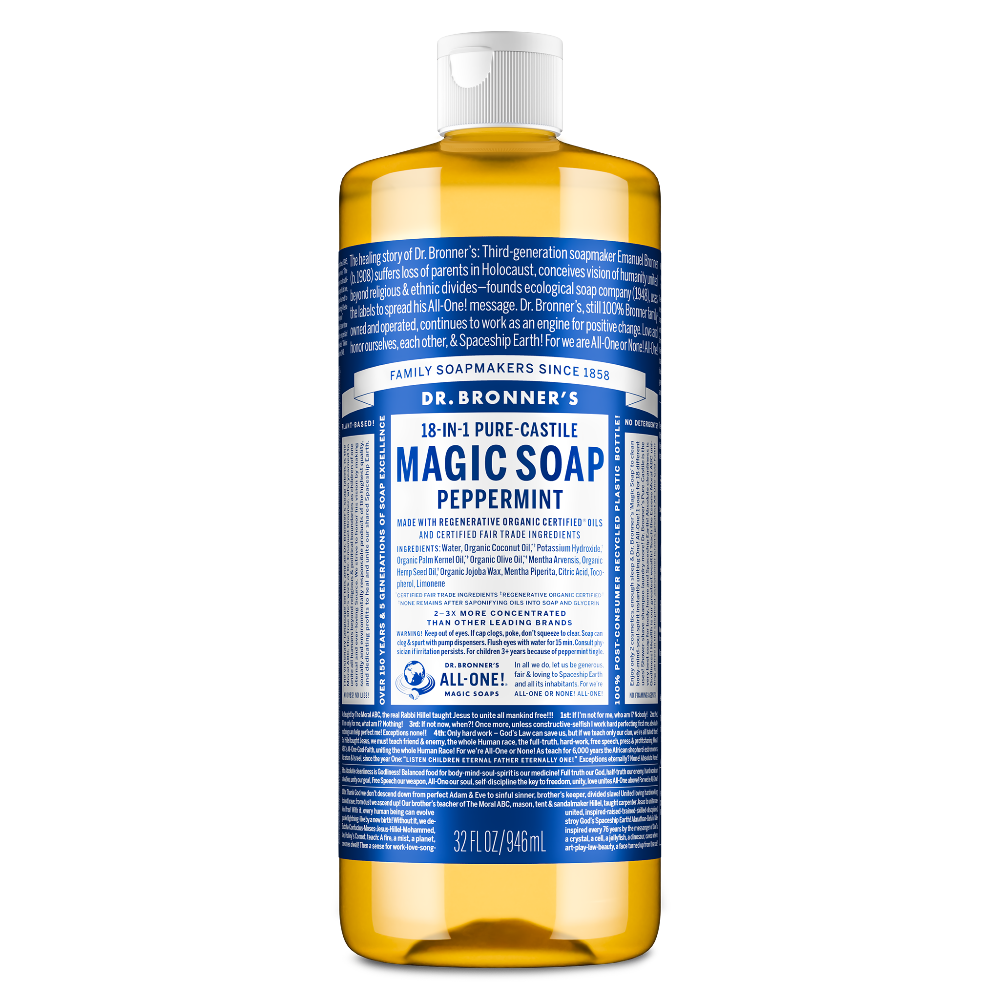
The gold standard of ethical cleaning. A highly concentrated, multi-surface liquid soap made from organic oils and fair trade ingredients in 100% PCR packaging.

The gold standard of ethical soaps, featuring regenerative organic palm oil and a legacy of fair-trade advocacy and radical transparency.
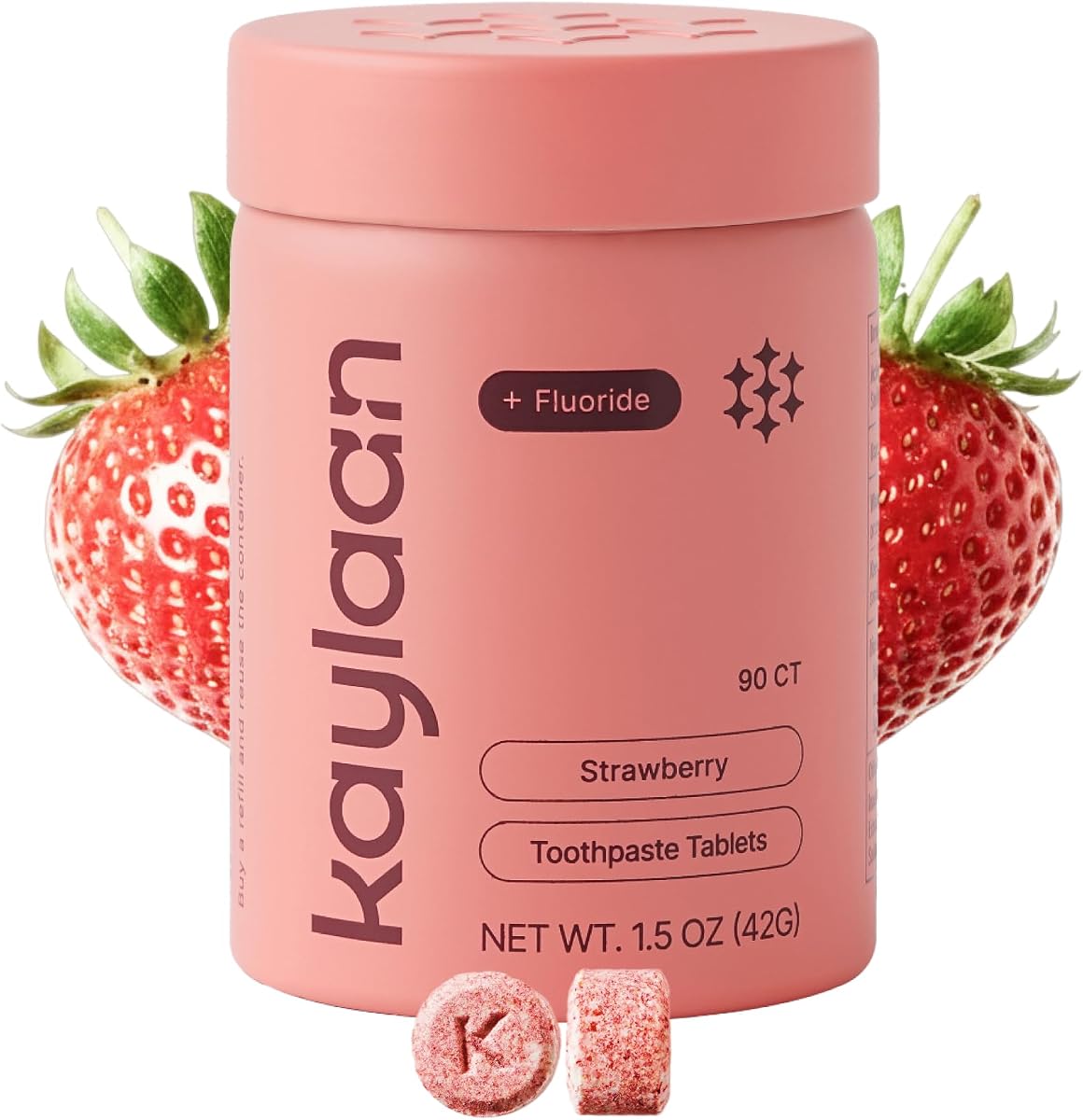
A zero-waste oral care system consisting of fluoride-free tablets in a refillable glass jar, featuring ingredients sourced from ethical Eastern European partners.

A high-potency, carbon-extracted rosehip oil designed specifically for sensitive skin, backed by rigorous B Corp standards and organic agricultural sourcing.
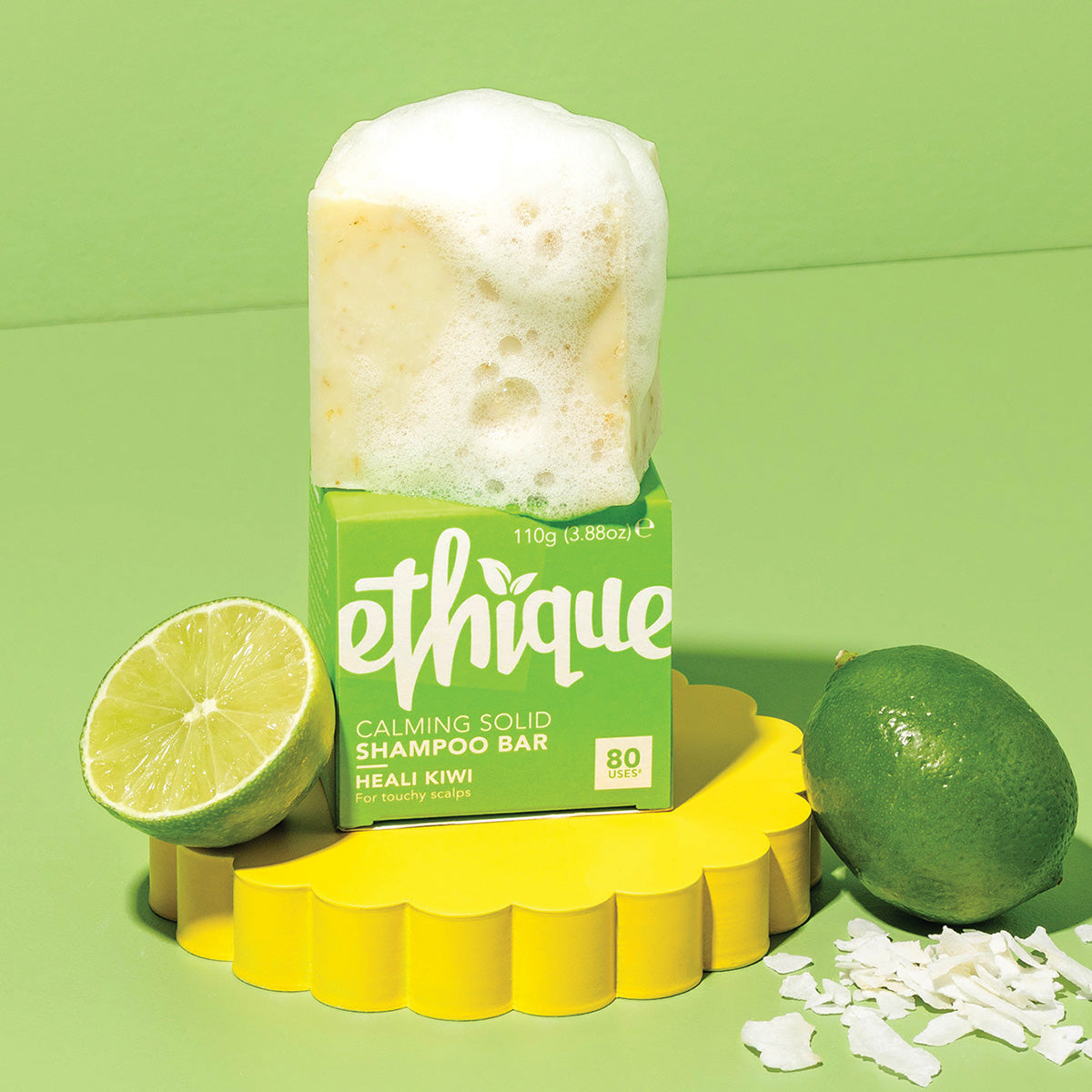
A plastic-free, highly concentrated shampoo bar that replaces three plastic bottles, featuring fair-trade ingredients and carbon-neutral shipping.

A moisturizing, sulfate-free bubble bath featuring handcrafted fair-trade shea butter and calming lavender oil.
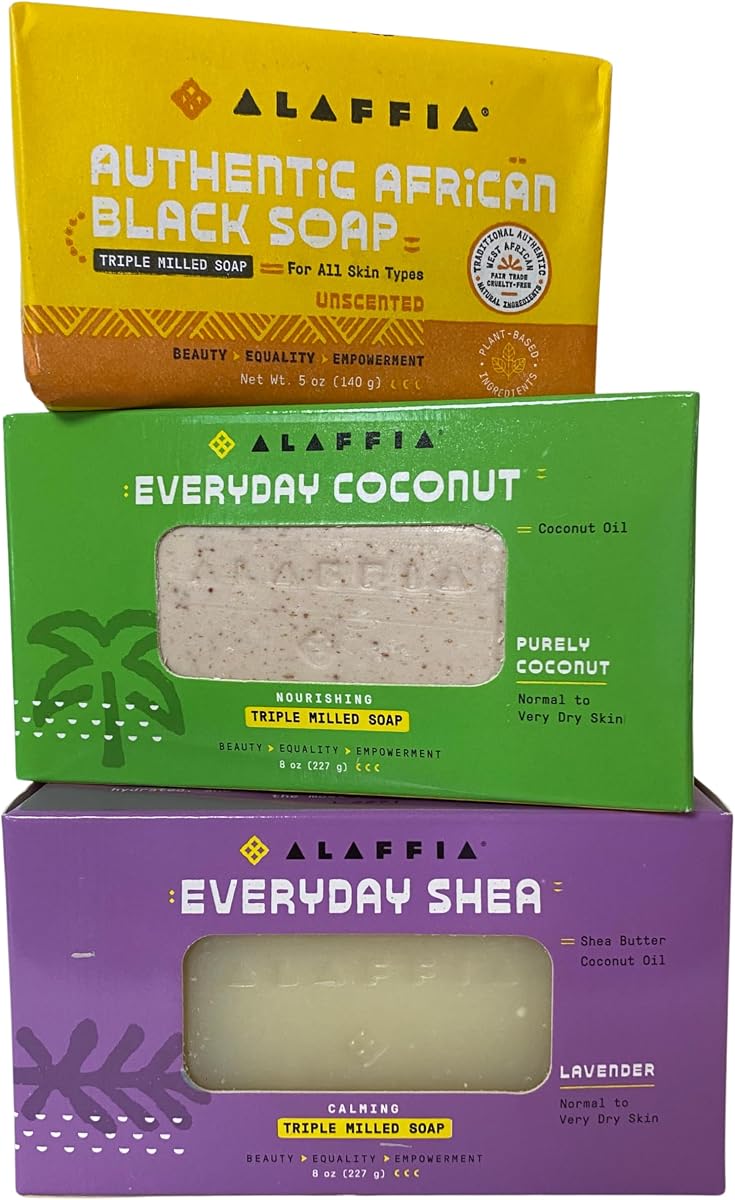
A culturally authentic, multipurpose soap that funds community empowerment projects in Togo through a direct-trade model.

A revolutionary carbon-neutral alternative to single-use cotton pads, designed to be used up to 1,750 times and fully compostable at the end of its life.

A high-performance, absorbent, and leak-proof intimate care solution from an Eastern European-sourced supply chain, replacing thousands of single-use plastics.

A socially conscious fragrance house that empowers female harvesters, offering a travel-sized discovery set perfect for gifting.
What Smashbox is rated on
Smashbox is rated on its animal testing policy, vegan product range, and environmental sustainability efforts. The brand states it does not test on animals for most markets, but its sale of products in mainland China means that post-market animal testing may be required by law, creating a transparency gap. Smashbox has no Leaping Bunny or PETA Cruelty-Free certification on file. Its vegan offerings are limited, and its sustainability initiatives lack independent third-party verification, such as B Corp or EcoCert.
How the alternatives were picked
Each alternative on this page was chosen because they meet at least one of the following criteria: They are officially certified cruelty-free by Leaping Bunny or PETA, they do not sell in China where animal testing is required, they offer a broad range of vegan and/or plant-based products, or they have credible third-party sustainability certifications (e.g., B Corp, USDA Organic, or Ecocert). We also prioritized brands that provide full ingredient transparency and clear supply chain information.
What to check on the label
When evaluating a beauty brand as an ethical alternative, look for the following on packaging or the brand’s website: (1) A Leaping Bunny or PETA Cruelty-Free logo—this confirms no animal testing at any stage, including in China. (2) A vegan label (e.g., “100% Vegan” or a Vegan Society trademark) if avoiding animal-derived ingredients like carmine, lanolin, or beeswax. (3) Third-party sustainability certifications such as B Corp, USDA Organic, or Rainforest Alliance, which indicate verified environmental and ethical practices. Avoid brands that sell in mainland China without a clear statement on animal testing exemptions under local law.
How to judge a suggested brand alternative
An alternatives page is a starting shortlist, not proof that one brand is universally better than another. The suggestions come from our catalogue: published products in a similar category with a recorded ethics score. They answer a narrow question — which products we list might fit the same need — and they cannot tell you which option performs best, suits your skin or diet, or matches your budget.
Match the job before the score
Start with what the original product does for you: format, size, scent, skin or dietary requirements and where you buy it. A higher-scoring alternative is not useful if it comes in a format you cannot use or is not sold where you shop. Check the alternative's full record — purpose, ingredients, price and seller — before treating it as a replacement.
Compare evidence, not impressions
Read certifications at their stated scope: a scheme may cover one range, one material or a named entity rather than a whole brand. An animal-free ingredient list and an animal-testing policy are separate questions, and a parent company's record is a third. Where a claim matters to you, confirm it in the scheme's own directory or the manufacturer's current statement rather than relying on a badge alone.
Keep the limits of the comparison visible
Catalogue scores are AI-assisted assessments with documented limitations, not laboratory measurements. A missing score is a data gap, not a failing grade. The original brand's presence here reflects what our records contain, which may omit reformulations, regional differences or newer certifications. For health, safety or recall concerns, use official sources rather than any score.
| Check | Where to confirm it | Avoid assuming |
|---|---|---|
| Does the alternative do the same job? | Its full product record and the maker's current description | A similar category means a like-for-like replacement |
| Is a claimed certification current? | The certification scheme's official directory | A badge covers the whole brand or group |
| Is it actually available to you? | The retailer's current listing, price and delivery | A catalogue price tier is a live quote |
Frequently asked about Smashbox alternatives
Does Smashbox actually test on animals?+
Smashbox states it does not test on animals, but because its products are sold in mainland China, they may be subject to post-market animal testing required by Chinese law. This means the brand does not fully guarantee no animal testing across its entire supply chain.
Are Smashbox products vegan?+
No—Smashbox offers only a limited selection of vegan products. Many items contain animal-derived ingredients like beeswax or carmine, and the brand does not label all products as vegan.
What certifications does Smashbox have?+
Smashbox currently holds no independent cruelty-free or environmental certifications (such as Leaping Bunny, PETA, or B Corp) on file with major ethical accreditation bodies.
What should I look for in an alternative brand?+
Look for a Leaping Bunny or PETA Cruelty-Free logo, explicit vegan labeling, and third-party sustainability certifications. Avoid brands that sell in mainland China without clear exemption documentation.