Ethical Alternatives to Spree
Spree is a direct-to-consumer apparel brand known for affordable, minimalist essentials. However, it lacks third-party certifications and transparent labor policies, making it difficult to verify its ethical claims. This page highlights comparable brands that offer verified ethical standards.
Categories compared: Fashion & Apparel
Why shoppers look for alternatives to Spree
- Spree has no third-party certifications (e.g., Fair Trade, GOTS, B Corp) to confirm its sustainability or labor claims.
- Labor policies are not transparent — no public factory lists, wage data, or audit results.
- Animal testing policy is unknown, so shoppers cannot be sure about materials or cruelty-free status.
- Limited public ethical commitments beyond general sustainability initiatives, with no independent verification.
Top-scoring alternatives to Spree

An exquisite, one-of-a-kind quilted jacket handmade by a women's cooperative in West Bengal, utilizing 100% upcycled silk and cotton vintage saris.
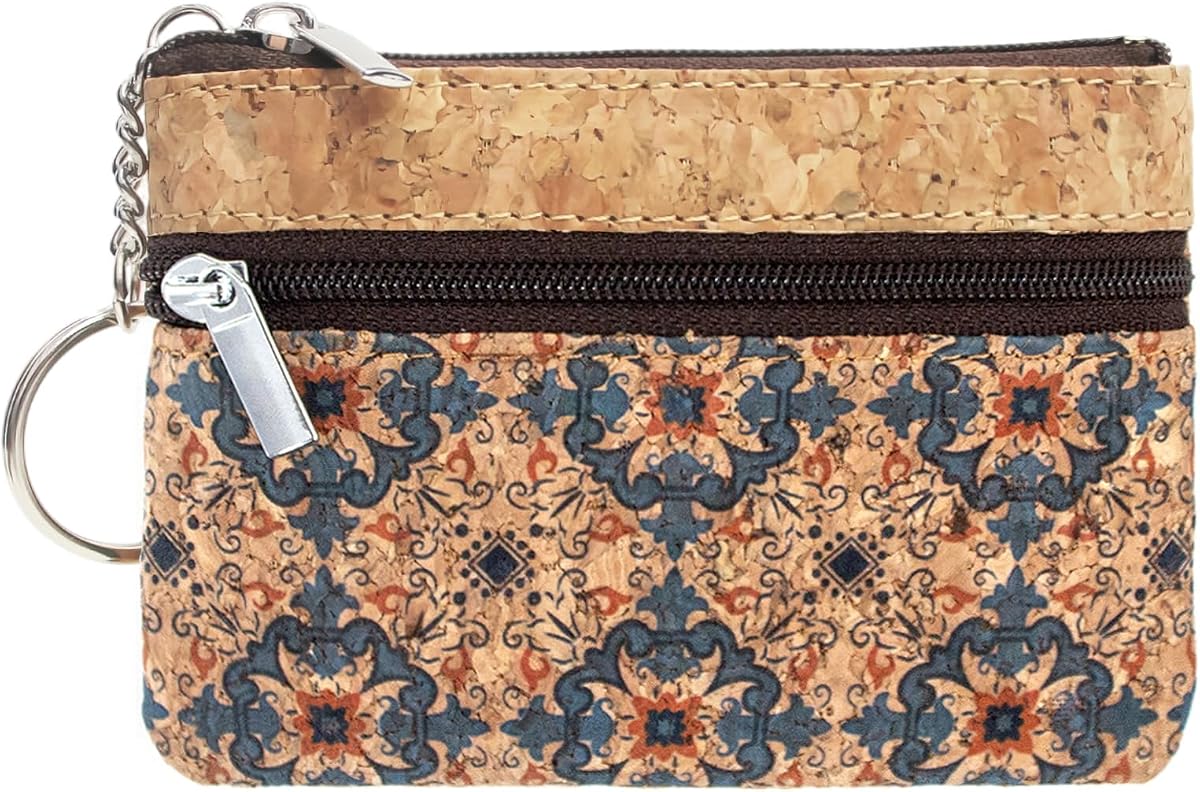
A handcrafted, water-resistant coin pouch made from sustainably harvested Portuguese cork—a farm-to-fashion staple.

A carbon-neutral, TSA-friendly travel staple made from recycled materials and Tencel, designed in Biarritz for maximum versatility.
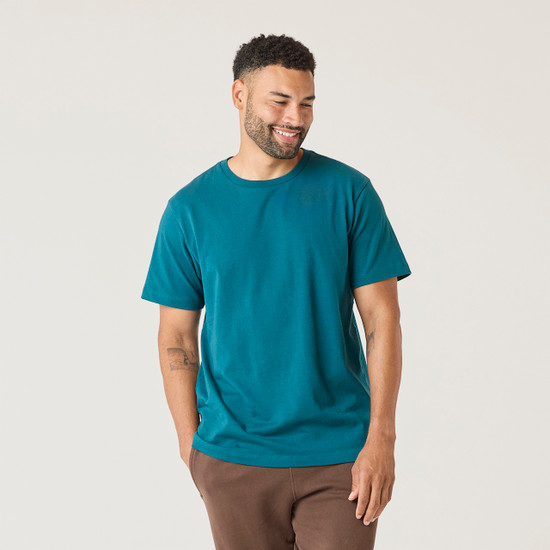
A gold-standard ethical staple. This tee is crafted from GOTS-certified organic cotton through a transparent supply chain that supports small-scale farmers in Peru.

A premium, ethically sourced Pima cotton t-shirt that supports fair wages and education in Peru. Highly durable and fully biodegradable.
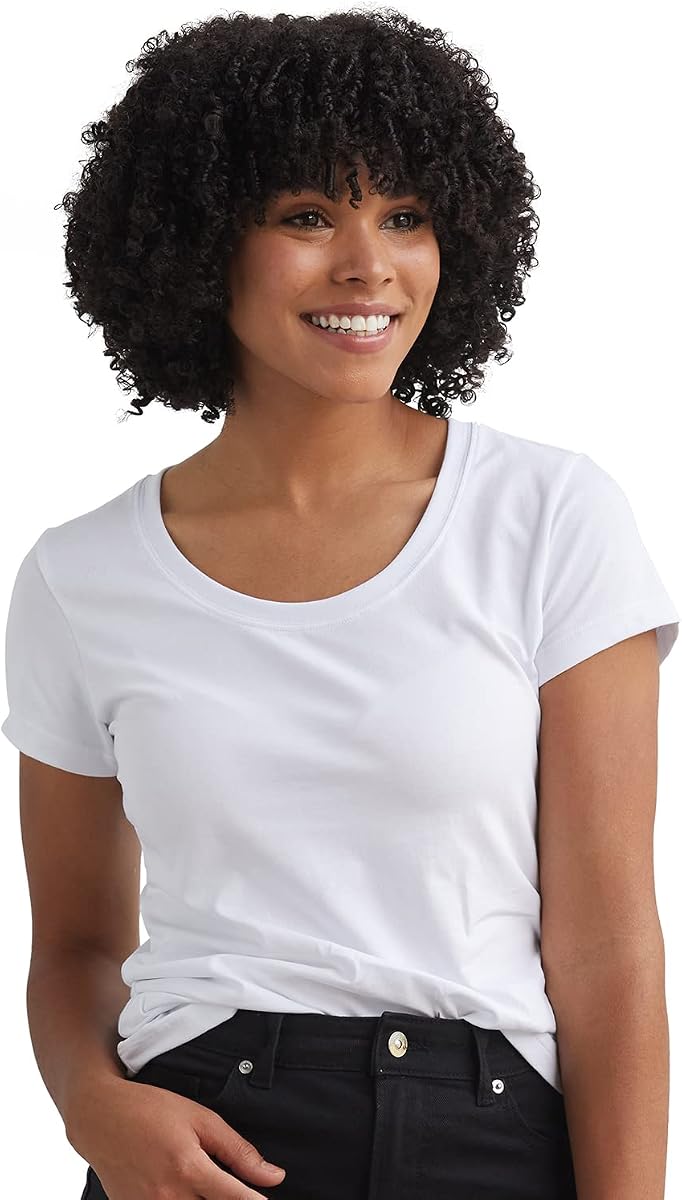
A premium, long-staple organic cotton tee produced in fair trade environments in Peru. Known for its 'forever' durability and ultra-soft hand feel.

A zero-waste, farm-to-pocket handkerchief crafted in a family-run Tuscan workshop using surplus GOTS-certified organic cotton.

Durability-focused kids' leggings from a Swedish-heritage brand with a strong UK presence, designed to be handed down through three children.

An eco-engineered sneaker made from responsibly sourced eucalyptus tree fibers. Renowned for comfort and a carbon-neutral footprint, these shoes represent the pinnacle of regenerative material science in footwear.

A high-performance, compressive sports bra made from recycled plastic bottles, produced in an SA8000-certified facility with a complete circular recycling program.

A fully recyclable, closed-loop basic made from 100% organic cotton. For Days operates a unique 'Take Back Bag' program to ensure zero waste.

A women-owned brand's premium lounge pant made in LA using non-toxic dyes and organic cotton.
What Spree is rated on
Spree competes in the fashion and apparel category, specifically minimalist essentials. While the brand promotes affordability and some sustainability efforts, it does not hold any recognized certifications (e.g., Fair Trade Certified, Global Organic Textile Standard, or B Corp). Its animal testing policy is unstated, and labor transparency is minimal — no factory names or audit results are published. This lack of verifiable data means shoppers cannot confidently assess its ethical impact.
How the alternatives were picked
Each alternative brand was selected for its presence in the same category (minimalist, affordable essentials for adults) and its provision of at least one of the following: third-party certification (e.g., Fair Trade, GOTS, OEKO-TEX), publicly available factory lists, clear labor policies (including wages and working hours), or a known animal testing policy (e.g., PETA-approved or vegan). We prioritize brands that make their supply chain information easy to find and verify.
What to check on the label
When choosing an ethical alternative to Spree, look for these indicators on product pages or brand websites: a certification seal from Fair Trade, GOTS, or B Corp; a published factory list with country and audit date; a clear statement on animal testing (e.g., 'cruelty-free' or 'vegan'); and details on material sourcing (organic, recycled, or certified low-impact). Avoid brands that use vague terms like 'sustainable' without backing them up with third-party audits or transparent data. A brand that answers customer questions about labor and materials directly in its FAQ or policy pages is a strong sign of genuine commitment.
How to judge a suggested brand alternative
An alternatives page is a starting shortlist, not proof that one brand is universally better than another. The suggestions come from our catalogue: published products in a similar category with a recorded ethics score. They answer a narrow question — which products we list might fit the same need — and they cannot tell you which option performs best, suits your skin or diet, or matches your budget.
Match the job before the score
Start with what the original product does for you: format, size, scent, skin or dietary requirements and where you buy it. A higher-scoring alternative is not useful if it comes in a format you cannot use or is not sold where you shop. Check the alternative's full record — purpose, ingredients, price and seller — before treating it as a replacement.
Compare evidence, not impressions
Read certifications at their stated scope: a scheme may cover one range, one material or a named entity rather than a whole brand. An animal-free ingredient list and an animal-testing policy are separate questions, and a parent company's record is a third. Where a claim matters to you, confirm it in the scheme's own directory or the manufacturer's current statement rather than relying on a badge alone.
Keep the limits of the comparison visible
Catalogue scores are AI-assisted assessments with documented limitations, not laboratory measurements. A missing score is a data gap, not a failing grade. The original brand's presence here reflects what our records contain, which may omit reformulations, regional differences or newer certifications. For health, safety or recall concerns, use official sources rather than any score.
| Check | Where to confirm it | Avoid assuming |
|---|---|---|
| Does the alternative do the same job? | Its full product record and the maker's current description | A similar category means a like-for-like replacement |
| Is a claimed certification current? | The certification scheme's official directory | A badge covers the whole brand or group |
| Is it actually available to you? | The retailer's current listing, price and delivery | A catalogue price tier is a live quote |
Frequently asked about Spree alternatives
Does Spree have any Fair Trade or GOTS certifications?+
No. As of the latest records, Spree does not hold any third-party certifications such as Fair Trade, GOTS, or B Corp. Their sustainability claims are self-reported and not independently verified.
Is Spree’s labor policy transparent?+
No. Spree does not publicly disclose factory locations, wage data, or audit results. This lack of transparency makes it difficult to assess working conditions across their supply chain.
Does Spree test on animals?+
Spree has not published an animal testing policy. Without a clear statement or certification (e.g., PETA-approved, Leaping Bunny), shoppers cannot assume the brand is cruelty-free.
Are there other affordable minimalist brands that are more ethical than Spree?+
Yes. Brands like Pact (Fair Trade, organic cotton), Kotn (direct trade, transparent factory list), and Everlane (published factory list, some Fair Trade options) offer similar minimalist essentials with greater transparency and certifications, often at comparable price points.