Ethical Alternatives to sustainacar
Sustainacar offers eco-conscious automotive accessories like the Bambū Pure Car Air Purifier, balancing sustainability with performance. Their operations emphasize ethical sourcing and certification, avoiding major controversies. However, some shoppers may seek alternatives for broader product selection or deeper traceability.
Categories compared: Automotive, Home & Cleaning, Health & Wellness
Why shoppers look for alternatives to sustainacar
- Limited product range – sustainacar focuses primarily on automotive accessories, whereas some shoppers need comparable ethical standards for home or personal care items.
- Certification transparency – while sustainacar holds FSC, Vegan, and Total Chlorine Free certifications, alternative brands may offer additional or overlapping labels like B Corp or Leaping Bunny.
- Price point – sustainacar’s curated products sometimes carry premium pricing; alternatives may provide similar certifications at lower cost.
- Market availability – sustainacar products may not be widely stocked in all regions; alternatives with broader distribution could be easier to purchase.
Top-scoring alternatives to sustainacar

The gold standard for multi-purpose ethical cleaning, featuring organic oils and fair trade sourcing in a post-consumer recycled bottle.

The gold standard of ethical cleaning; a multi-use, highly concentrated liquid soap made with organic oils and fair trade ingredients.

A fluoride-free, 70% organic toothpaste that leads the industry in fair trade sourcing and activist corporate governance.

A hand-crafted, raw wellness balm produced by women’s cooperatives in Ghana, ideal for gluten-free skin nutrition and head-to-toe hydration.
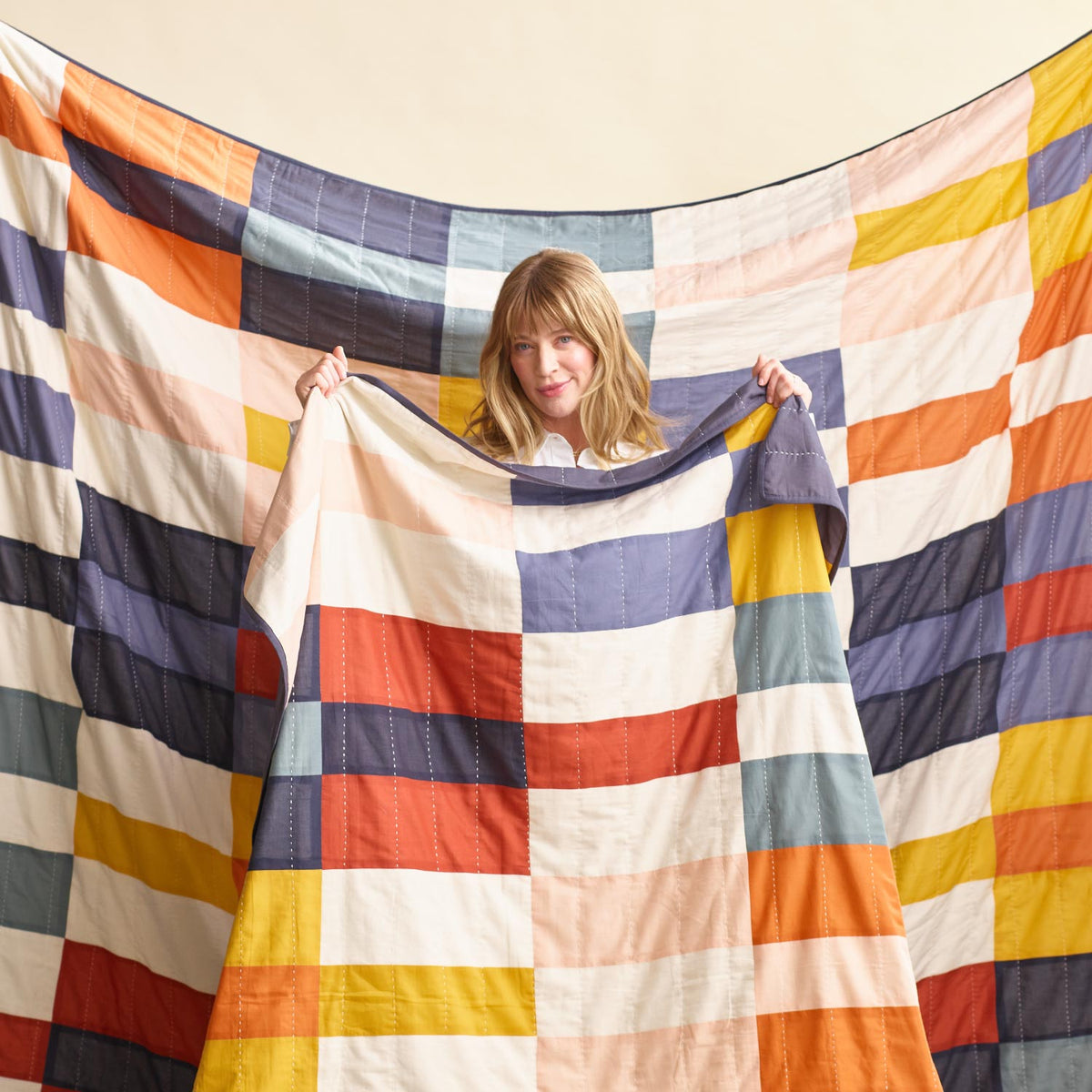
A stunning, artisan-made throw that supports women’s empowerment in India while utilizing 100% plant-based, organic fibers.

The ultimate paper-towel alternative, these OEKO-TEX certified cloths use just water to clean, removing 99% of bacteria and leaving a streak-free finish on all glass surfaces.
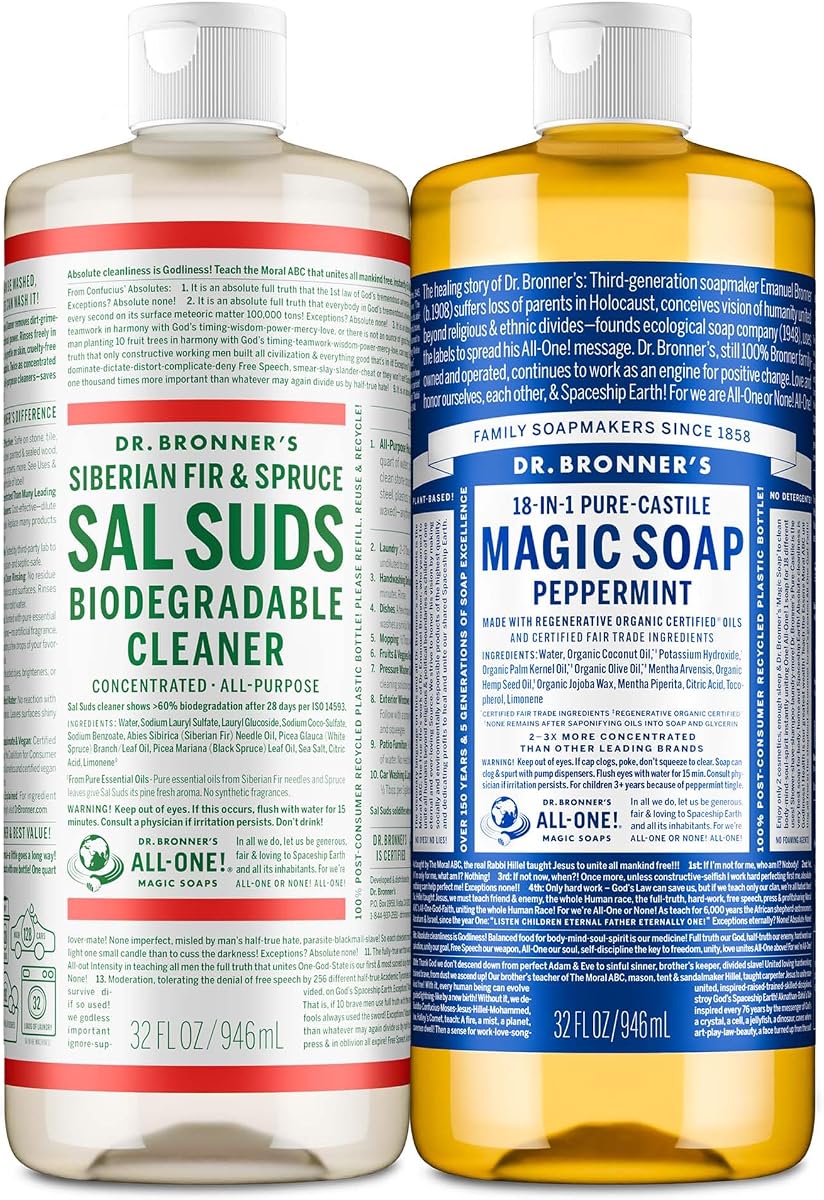
A highly concentrated, biodegradable cleaner that is safe for washing cars without harming local waterways or aquatic life.

A gold standard in ethical manufacturing, this concentrated multi-surface cleaner uses regenerative organic oils and fair trade sourcing to provide a zero-waste, non-toxic solution for every room in the home.

A gold-standard adaptogenic supplement produced through regenerative agriculture and fair trade partnerships with small family farmers in India.

An artisanal floor care solution handcrafted in Bolgatanga, Ghana, featuring naturally antimicrobial vetiver root for deep cleaning and holistic aromatherapy.

A traditional, cold-process dish soap bar handmade in the UK/EU border regions, offering a high-sudsing, plastic-free alternative to liquid soaps for the eco-conscious kitchen.

A premium, heirloom-quality home cleaning bundle from one of the oldest soap makers in Marseille. This set features traditional Savon de Marseille formulated with single-origin French olive oil.
What sustainacar is rated on
sustainacar is assessed on its use of certified sustainable materials: FSC Certified (for wood-based components), Vegan (no animal-derived inputs), and Total Chlorine Free (for filters/packaging). Their animal testing policy is strict: no testing at any stage, and the brand does not sell in regions requiring mandatory animal tests. These credentials place sustainacar as a solid choice within Automotive, Home & Cleaning, and Health & Wellness categories.
How the alternatives were picked
We selected alternatives that match sustainacar’s core ethical criteria: no animal testing, at least one third-party certification (FSC, Vegan, or Total Chlorine Free), and a demonstrable commitment to sustainable sourcing. Each alternative was also reviewed for comparable product categories—automotive air purifiers, home air purifiers, and wellness accessories—while offering broader options or lower prices. Brands with verified public certification records were prioritized over those relying solely on self-declarations.
What to check on the label
When comparing alternatives, look for these on the label or brand website: 1. Animal testing policy – ensure the brand states ‘no animal testing at any stage’ and does not sell in China (where mandatory tests may apply). 2. Material certifications – FSC for wood/paper components, Vegan for no animal by-products, and Total Chlorine Free for filter media or packaging. 3. Broad category coverage – some alternatives may double as home air purifiers or personal care devices, expanding your ethical purchasing options. 4. Third-party audits – certifications should be verifiable via public databases (e.g., FSC Certificate Database). Avoid brands with vague claims like ‘eco-friendly’ without supporting specifics.
How to judge a suggested brand alternative
An alternatives page is a starting shortlist, not proof that one brand is universally better than another. The suggestions come from our catalogue: published products in a similar category with a recorded ethics score. They answer a narrow question — which products we list might fit the same need — and they cannot tell you which option performs best, suits your skin or diet, or matches your budget.

Match the job before the score
Start with what the original product does for you: format, size, scent, skin or dietary requirements and where you buy it. A higher-scoring alternative is not useful if it comes in a format you cannot use or is not sold where you shop. Check the alternative's full record — purpose, ingredients, price and seller — before treating it as a replacement.
Compare evidence, not impressions
Read certifications at their stated scope: a scheme may cover one range, one material or a named entity rather than a whole brand. An animal-free ingredient list and an animal-testing policy are separate questions, and a parent company's record is a third. Where a claim matters to you, confirm it in the scheme's own directory or the manufacturer's current statement rather than relying on a badge alone.
Keep the limits of the comparison visible
Catalogue scores are AI-assisted assessments with documented limitations, not laboratory measurements. A missing score is a data gap, not a failing grade. The original brand's presence here reflects what our records contain, which may omit reformulations, regional differences or newer certifications. For health, safety or recall concerns, use official sources rather than any score.
| Check | Where to confirm it | Avoid assuming |
|---|---|---|
| Does the alternative do the same job? | Its full product record and the maker's current description | A similar category means a like-for-like replacement |
| Is a claimed certification current? | The certification scheme's official directory | A badge covers the whole brand or group |
| Is it actually available to you? | The retailer's current listing, price and delivery | A catalogue price tier is a live quote |
Frequently asked about sustainacar alternatives
Does sustainacar test on animals?+
No. sustainacar has a stated policy of no animal testing at any stage, and they do not sell in regions where mandatory animal testing is required, such as under China's cosmetics regulations (not applicable to automotive accessories, but consistent across their operations).
What certifications does sustainacar hold?+
sustainacar holds FSC Certified (for forest-based materials), Vegan (no animal-derived ingredients), and Total Chlorine Free (for processing or packaging). These are verified and publicly listed on their product pages.
Are there alternatives to sustainacar with similar certifications but lower prices?+
Yes. Some brands offer comparable FSC or Vegan certified air purifiers or accessories at lower price points. We recommend checking the ‘What to check on the label’ section above for certification specifics.
Can I find sustainacar alternatives that also cover home air purification?+
Absolutely. Many ethical brands produce both automotive and home air purifiers using the same certifications (e.g., FSC, Vegan, Total Chlorine Free). Look for brands that explicitly state their animal testing and material sourcing policies.