Ethical Alternatives to Taza
Taza Chocolate is a well-regarded small-batch, stone-ground chocolate brand known for its Direct Trade relationships and organic, non-GMO ingredients. However, some shoppers seek alternatives due to differences in certifications, flavor profiles, or sourcing transparency. This page highlights other ethical chocolate options that meet rigorous standards.
Categories compared: Food & Nutrition
Why shoppers look for alternatives to Taza
- Taza lacks formal animal-testing policies (though as a food company it does not test on animals); some shoppers prefer brands with explicit cruelty-free certifications.
- Taza's stone-ground texture and intense, slightly gritty mouthfeel may not suit all palates; alternatives offer smoother or more varied textures.
- Some consumers look for additional certifications such as Fair Trade, Rainforest Alliance, or B Corp that Taza does not hold (beyond Direct Trade and USDA Organic).
- Taza's product line is focused on a limited range of stone-ground chocolate formats; alternatives may offer more diverse products (e.g., bars, chips, baking chocolate).
Top-scoring alternatives to Taza

A gold-standard example of regenerative agriculture, these oats go beyond organic by actively restoring soil health and ensuring fair wages for farmers in a vertically integrated supply chain.

The gold standard for ethical food production, this coconut oil uses regenerative organic practices and fair trade labor to set a benchmark for corporate responsibility.
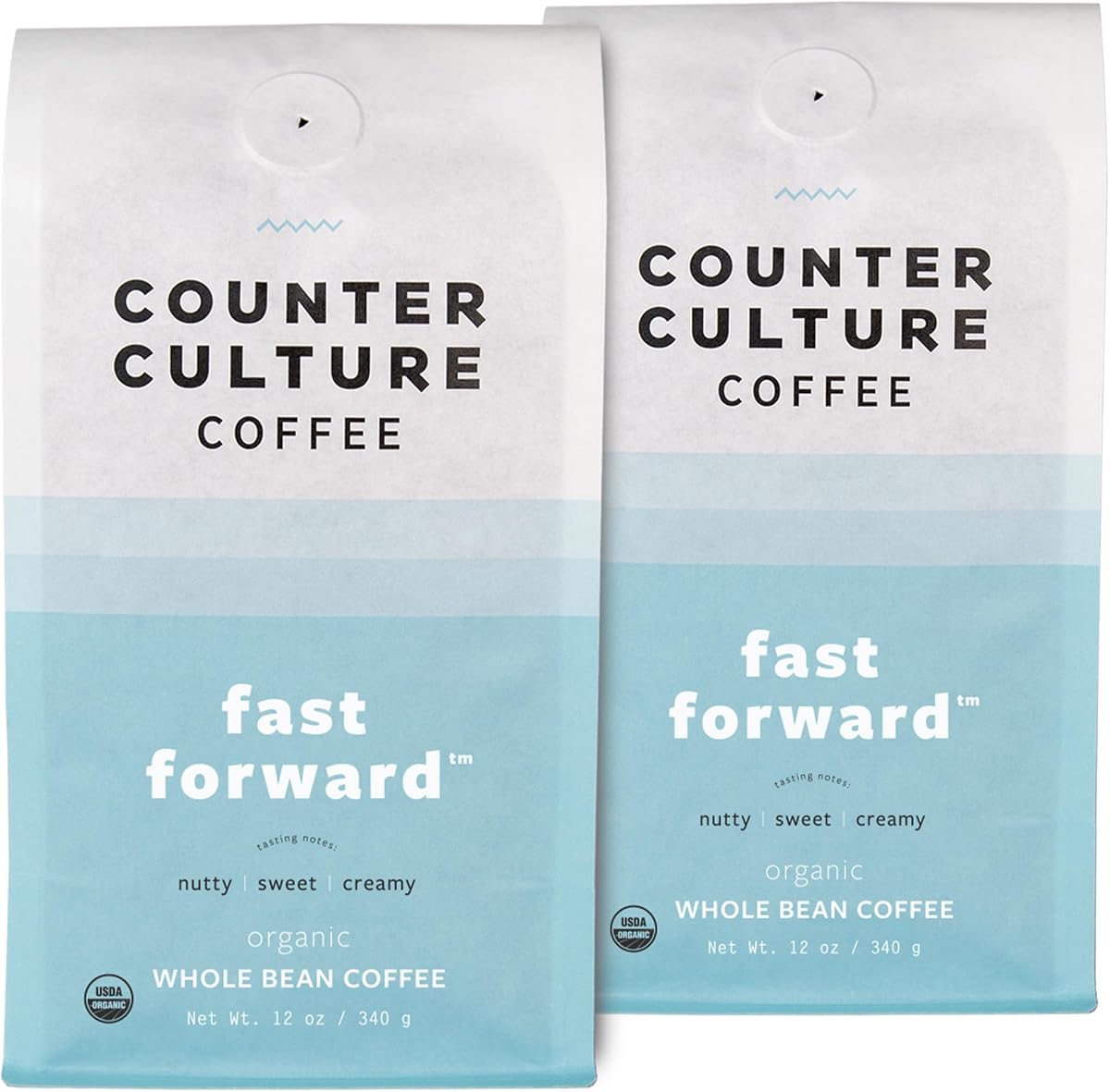
A 100% farmer-owned coffee cooperative that bypasses traditional middlemen to ensure maximum profits return to the growers.

The gold standard in baby food, offering Demeter-certified biodynamic ingredients that exceed organic standards for soil health and purity.

A gold standard in ethical confectionery, combining fair-pay labor practices with regenerative cocoa farming that restores biodiversity in the Ivory Coast and Ghana.

A gold-standard breakfast staple sourced from family-owned farms in Montana using regenerative practices that actively sequester carbon and restore soil health.

Arguably the most ethical coconut oil on the market, sourced from 'Serendipol' in Sri Lanka using regenerative practices that revitalize soil and support a fair-trade community.
A gold standard in ethical confectionery, using regenerative farming to combat climate change while ensuring living wages for cocoa farmers.

A 100% farmer-owned cooperative coffee brand that bypasses middlemen to ensure maximum profits return to the growers.
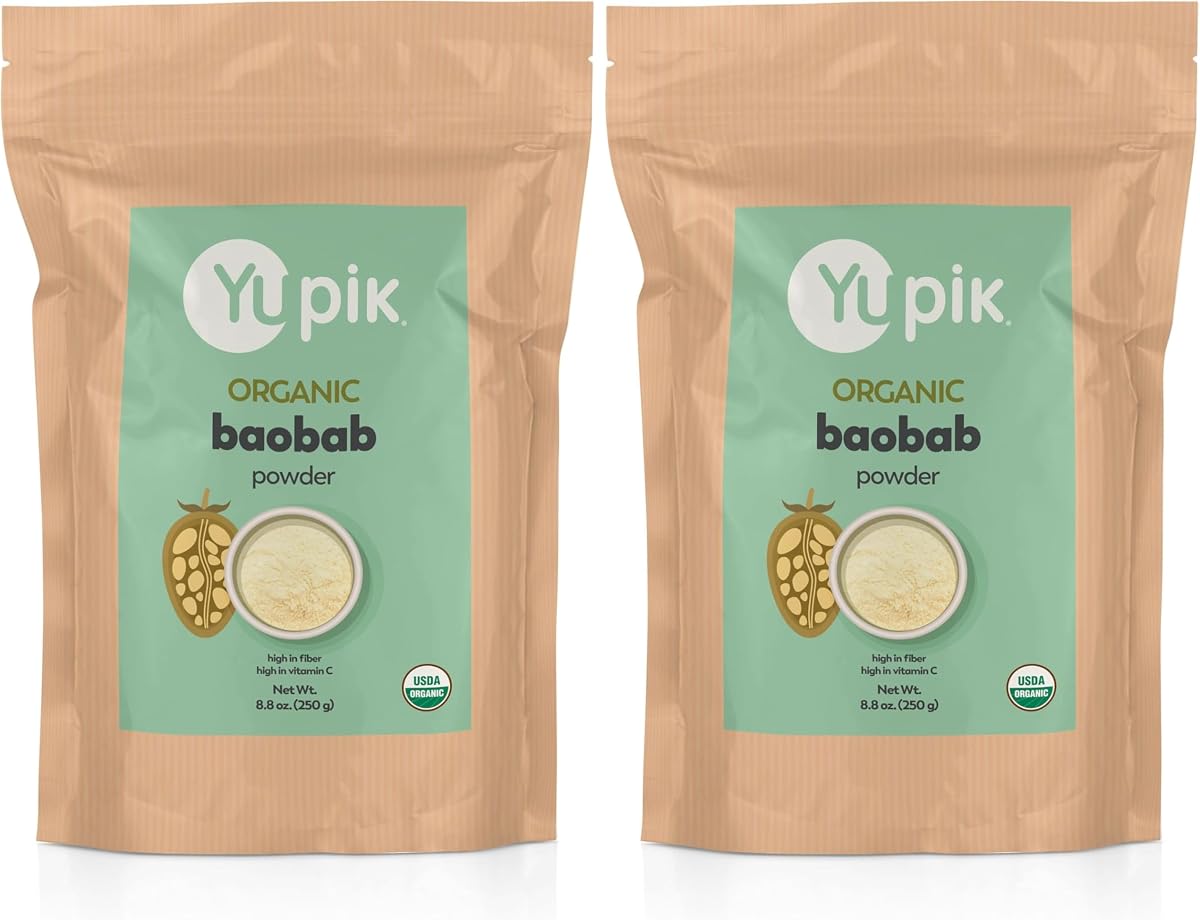
A nutrient-dense African superfood powder ethically harvested by women's cooperatives in Upper East Ghana, providing a massive vitamin C boost.

Exquisite heirloom Malagasy cocoa produced entirely at the source in Madagascar. This professional-grade bulk trunk supports direct-trade and lemur habitat conservation.

A gold standard in ethical food production, this virgin coconut oil is sourced from regenerative organic palms in Sri Lanka, ensuring soil health and fair wages.
What Taza is rated on
Taza Chocolate scores highly for its Direct Trade sourcing model, which ensures farmers receive above-market prices and long-term partnerships. It holds USDA Organic, Non-GMO Project Verified, Gluten-Free (GFCO), and Kosher (OU) certifications. As a food company, Taza does not conduct or commission animal testing—a policy consistent with food industry standards. However, it lacks explicit cruelty-free or vegan certifications often sought by ethically minded shoppers.
How the alternatives were picked
We selected alternatives based on publicly available certifications, company transparency, and alignment with key ethical criteria. Each alternative must hold at least two of the following: USDA Organic, Non-GMO Project Verified, Fair Trade certification (Fairtrade International or Fair for Life), B Corp certification, or Rainforest Alliance certification. We also prioritized brands that publish annual impact reports or have transparent sourcing maps. Brands that explicitly test on animals or have unresolved ethical controversies were excluded.
What to check on the label
When comparing ethical chocolate alternatives, look for these markers: 1. Certification seals – USDA Organic, Non-GMO Project Verified, Fair Trade, or Rainforest Alliance indicate third-party auditing. 2. Sourcing claims – Terms like 'Direct Trade' or 'Bean-to-Bar' are not regulated; verify if the brand publishes farmer payments or field-level data. 3. Animal testing policy – While most food brands do not test on animals, some explicitly state 'cruelty-free' or carry Leaping Bunny certification. 4. Ingredient transparency – Avoid ambiguous terms like 'natural flavors' unless sourced from named origins. 5. Packaging – Check for recyclable, compostable, or minimal packaging; some brands use plastic-free wraps.
Frequently asked about Taza alternatives
Does Taza test on animals?+
Taza is a food company and does not conduct or commission animal testing. It has no formal animal-testing policy because it is not a cosmetics or personal care company. However, some consumers still seek a brand with an explicit 'cruelty-free' certification.
What are the main certifications Taza holds?+
Taza holds USDA Organic, Direct Trade Certified (self-managed), Non-GMO Project Verified, Gluten-Free (GFCO), and Kosher (Orthodox Union) certifications. It does not hold Fair Trade, Rainforest Alliance, or B Corp certifications.
What should I look for in an ethical chocolate alternative?+
Prioritize brands with third-party certifications like Fair Trade, Rainforest Alliance, or B Corp. Also check for organic and non-GMO labels, and look for brands that publish farmer payment data or sustainability reports. If vegan or cruelty-free is important, seek a brand with explicit vegan or Leaping Bunny certification.
Are there chocolate brands that combine Direct Trade with other certifications?+
Yes. Some bean-to-bar brands use Direct Trade models while also holding Fair Trade or Rainforest Alliance certifications. Examples include Alter Eco (Fair Trade, B Corp, Organic) and Endangered Species Chocolate (Rainforest Alliance, Non-GMO). Always verify current certifications on the brand's website.