Ethical Alternatives to The Body Shop
The Body Shop has long been a pioneer in cruelty-free and Fair Trade cosmetics, holding Leaping Bunny, Vegan Society, and B Corp certifications. However, following its 2024 UK administration and ownership under Aurelius Group, shoppers seeking stable ethical stewardship may want to explore comparable alternatives.
Categories compared: Beauty & Personal Care
Why shoppers look for alternatives to The Body Shop
- Ownership uncertainty: After multiple acquisitions (L'Oréal, Natura, Aurelius) and UK administration in early 2024, long-term ethical commitments are less predictable.
- Certification gaps: While The Body Shop holds key certifications, its parent company (Aurelius Group) is not itself B Corp certified, raising questions about corporate alignment.
- Independent alternatives: Smaller brands often offer deeper traceability, transparent supply chains, and direct farmer partnerships without corporate restructuring risks.
- Ingredient sourcing: Some alternatives provide full ingredient origin transparency beyond Fair Trade, addressing concerns about synthetic additives in Body Shop formulations.
Top-scoring alternatives to The Body Shop
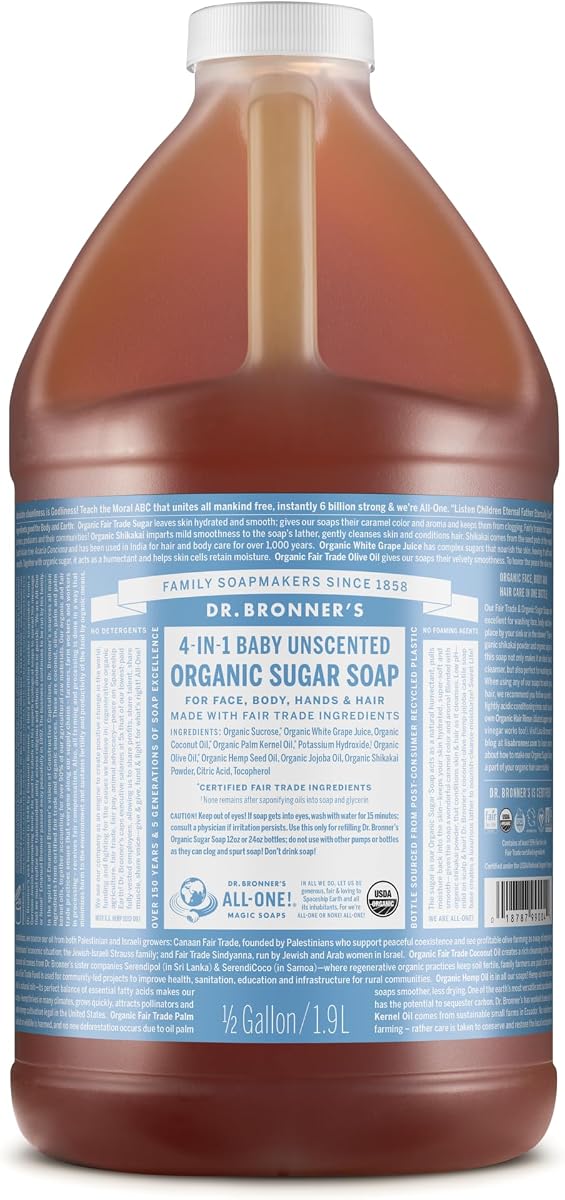
A multi-use, fair-trade organic soap that is gentle enough for pets yet effective at removing grime and odors.

The gold standard for ethical personal and pet care. Dr. Bronner’s Peppermint Pure-Castile Soap is biodegradable, fair trade, and highly concentrated for multi-purpose use.

A legendary multi-use soap that is widely recommended by groomers for pets due to its organic, fair-trade ingredients and complete lack of synthetic detergents.

The ultimate multi-tasker for minimalist hosts; one bottle can wash hands, body, hair, and even dishes.
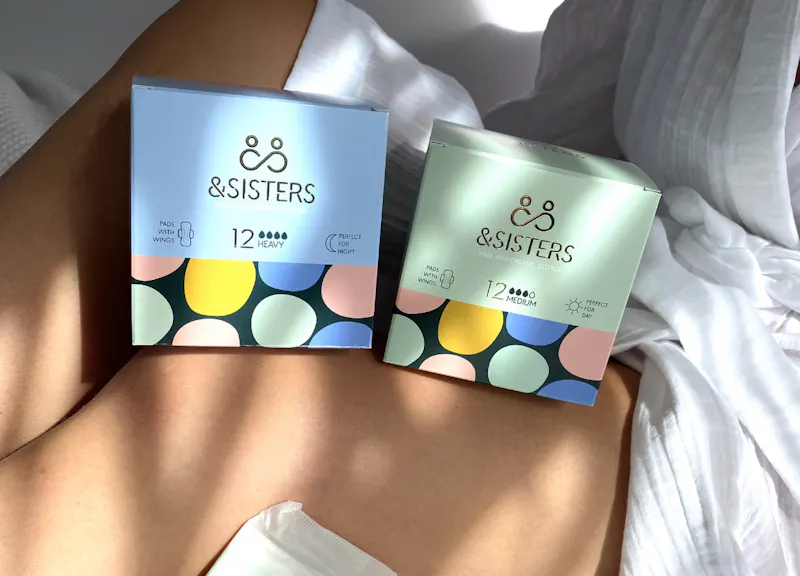
A UK-based, women-owned B Corp offering the highest ethical standard in menstrual care. This bulk 'Sisterhood' bundle features GOTS organic cotton tampons and pads with RSPO-segregated inputs, ensuring zero deforestation.

The gold standard of ethical soaps, featuring regenerative organic palm oil and a legacy of fair-trade advocacy and radical transparency.
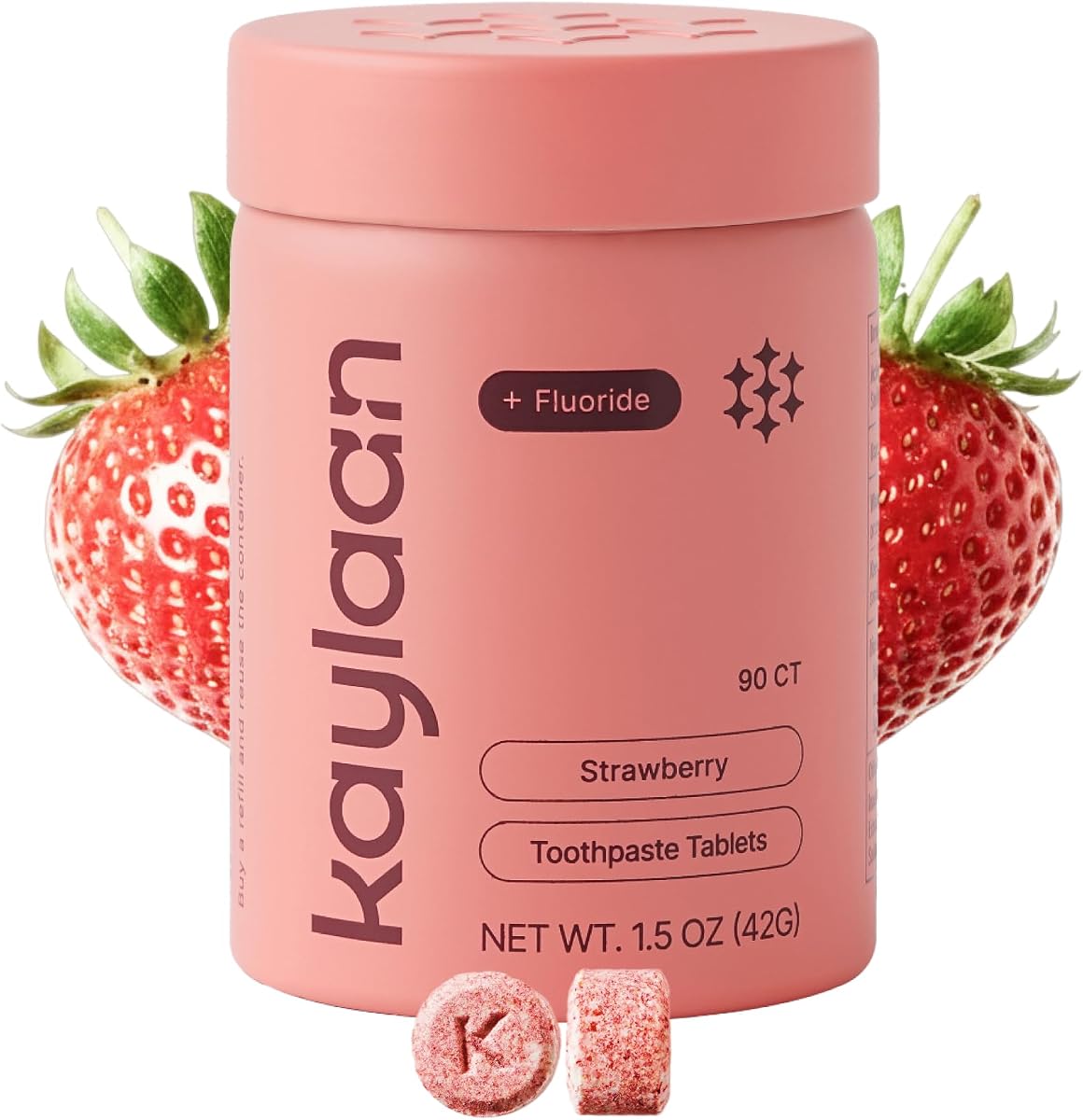
A zero-waste oral care system consisting of fluoride-free tablets in a refillable glass jar, featuring ingredients sourced from ethical Eastern European partners.

A high-potency, carbon-extracted rosehip oil designed specifically for sensitive skin, backed by rigorous B Corp standards and organic agricultural sourcing.
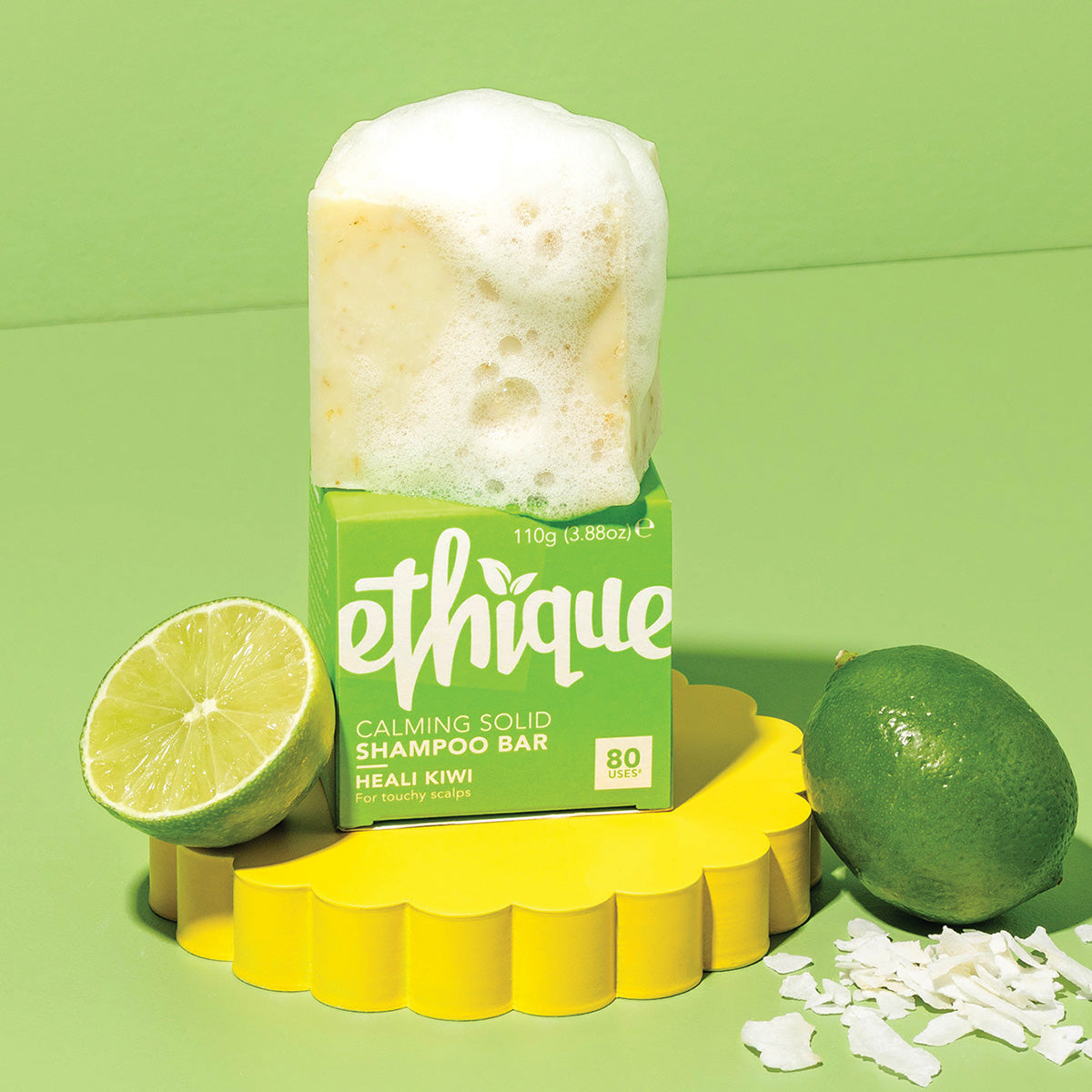
A plastic-free, highly concentrated shampoo bar that replaces three plastic bottles, featuring fair-trade ingredients and carbon-neutral shipping.

A moisturizing, sulfate-free bubble bath featuring handcrafted fair-trade shea butter and calming lavender oil.
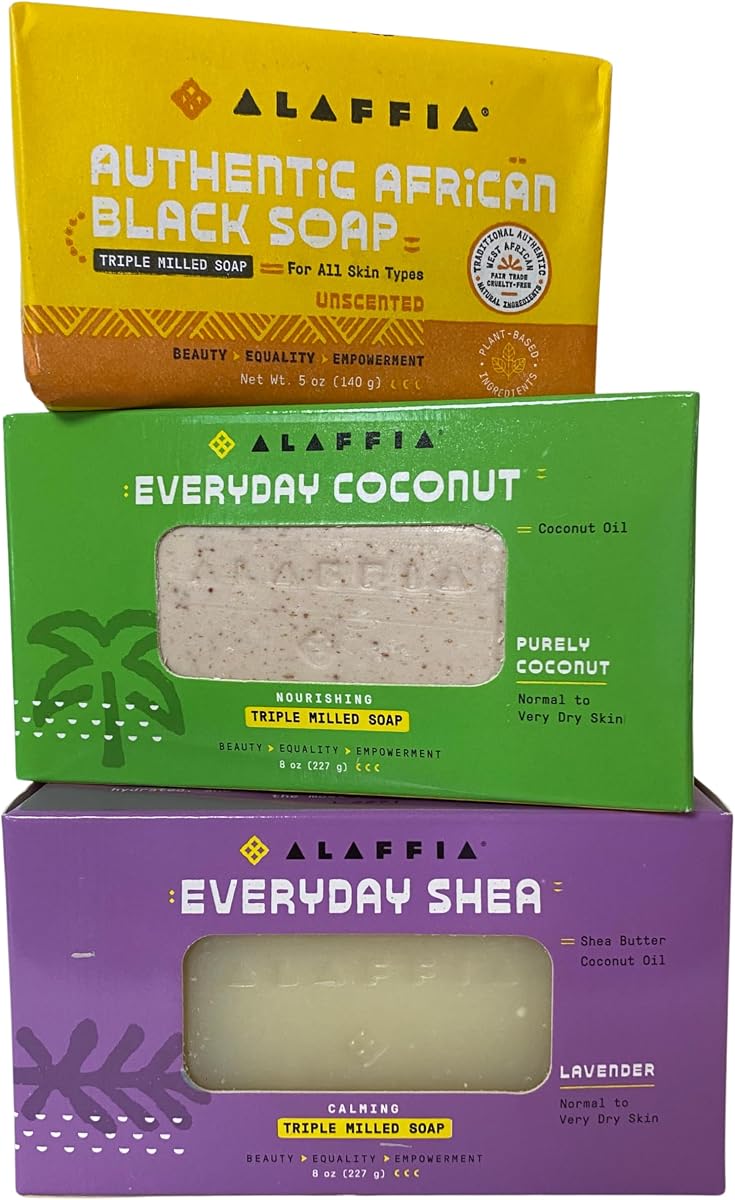
A culturally authentic, multipurpose soap that funds community empowerment projects in Togo through a direct-trade model.

A revolutionary carbon-neutral alternative to single-use cotton pads, designed to be used up to 1,750 times and fully compostable at the end of its life.
What The Body Shop is rated on
The Body Shop is recognized for its Leaping Bunny and Cruelty Free International certifications, its longstanding ban on animal testing, and its B Corp status. It also holds Vegan Society certification for many products and has pioneered Fair Trade ingredient sourcing. However, after the 2024 administration of its UK arm and ownership by private equity firm Aurelius Group, its ethical reputation faces scrutiny — especially regarding long-term commitment to transparency and worker welfare.
How the alternatives were picked
We selected alternatives that match or exceed The Body Shop's core ethical standards — cruelty-free certification (Leaping Bunny or PETA), vegan options, and fair trade sourcing — while being independently owned (no large conglomerates or private equity). Each brand has public, third-party certification records and transparent ownership structures. We prioritized brands with direct farmer or cooperative relationships and full ingredient disclosure. The list excludes companies owned by parent groups with known ethical controversies.
What to check on the label
When evaluating alternatives, look for: 1) Cruelty-free certification — Leaping Bunny or Cruelty Free International logo are the most rigorous. 2) Vegan Society trademark if you avoid animal-derived ingredients like beeswax or lanolin. 3) Fair Trade certification — Fair Trade USA or Fair for Life ensure farmers are paid fairly. 4) Owner transparency — check the brand’s parent company on their website or B Corp directory. 5) Ingredient lists — avoid PEGs, parabens, and synthetic fragrances if you prefer cleaner formulations. Independent brands often highlight these on packaging.
How to judge a suggested brand alternative
An alternatives page is a starting shortlist, not proof that one brand is universally better than another. The suggestions come from our catalogue: published products in a similar category with a recorded ethics score. They answer a narrow question — which products we list might fit the same need — and they cannot tell you which option performs best, suits your skin or diet, or matches your budget.
Match the job before the score
Start with what the original product does for you: format, size, scent, skin or dietary requirements and where you buy it. A higher-scoring alternative is not useful if it comes in a format you cannot use or is not sold where you shop. Check the alternative's full record — purpose, ingredients, price and seller — before treating it as a replacement.
Compare evidence, not impressions
Read certifications at their stated scope: a scheme may cover one range, one material or a named entity rather than a whole brand. An animal-free ingredient list and an animal-testing policy are separate questions, and a parent company's record is a third. Where a claim matters to you, confirm it in the scheme's own directory or the manufacturer's current statement rather than relying on a badge alone.
Keep the limits of the comparison visible
Catalogue scores are AI-assisted assessments with documented limitations, not laboratory measurements. A missing score is a data gap, not a failing grade. The original brand's presence here reflects what our records contain, which may omit reformulations, regional differences or newer certifications. For health, safety or recall concerns, use official sources rather than any score.
| Check | Where to confirm it | Avoid assuming |
|---|---|---|
| Does the alternative do the same job? | Its full product record and the maker's current description | A similar category means a like-for-like replacement |
| Is a claimed certification current? | The certification scheme's official directory | A badge covers the whole brand or group |
| Is it actually available to you? | The retailer's current listing, price and delivery | A catalogue price tier is a live quote |
Frequently asked about The Body Shop alternatives
Is The Body Shop still cruelty-free after the 2024 administration?+
Yes, The Body Shop still holds Leaping Bunny and Cruelty Free International certifications as of early 2025, but its UK administration raised concerns about future commitment. The brand’s ownership by Aurelius Group (a private equity firm) does not guarantee long-term maintenance of these policies.
Which independent brand is most similar to The Body Shop's Fair Trade model?+
Pacifica and Dr. Bronner's are strong alternatives — both are independently owned, Leaping Bunny certified, and use Fair Trade ingredients. Dr. Bronner’s is also B Corp certified with transparent supply chain reports.
Do any alternatives use more natural ingredients than The Body Shop?+
Yes, brands like Ethique and Lush (though Lush is larger, it’s still founder-led) focus on solid, preservative-free formulas with minimal synthetics. Ethique is also B Corp certified and vegan.
How do I verify a brand’s ownership to avoid private equity?+
Check the 'About Us' page for parent company information, or search the brand on the B Corp directory. Independent brands often explicitly state 'family-owned' or 'founder-led.' Avoid brands owned by multinationals like Unilever, Procter & Gamble, or L'Oréal.