Ethical Alternatives to the house of marley
House of Marley is a consumer electronics brand that combines music with sustainability, using FSC-certified wood, recycled plastics, and organic cotton while donating 1% of profits to environmental causes. It scores 82/100 on ethics with certifications like FSC, Global Recycled Standard, and 1% for the Planet, but sells in mainland China, which may concern some shoppers.
Categories compared: Electronics & Tech, Gifts & Seasonal
Why shoppers look for alternatives to the house of marley
- House of Marley sells in mainland China, where supply chain transparency and labor rights enforcement are less robust than in some other markets.
- The brand’s 82/100 ethics score leaves room for improvement on worker rights and full traceability, as it does not disclose all tier-1 supplier factories publicly.
- Some shoppers seek brands with stronger third-party labor certifications (e.g., Fair Trade, B Corp) for peace of mind beyond environmental materials.
- House of Marley’s product range is limited to audio gear (headphones, speakers, turntables) — alternatives may offer similar sustainability in other electronics categories.
Top-scoring alternatives to the house of marley

A zero-waste bathroom essential hand-crafted by women's cooperatives, perfect for exfoliating and extending the life of soap.

The gold standard in ethical soap, these travel-sized bottles are perfect for wellness pros on the go, featuring 100% PCR packaging and fair-trade ingredients.
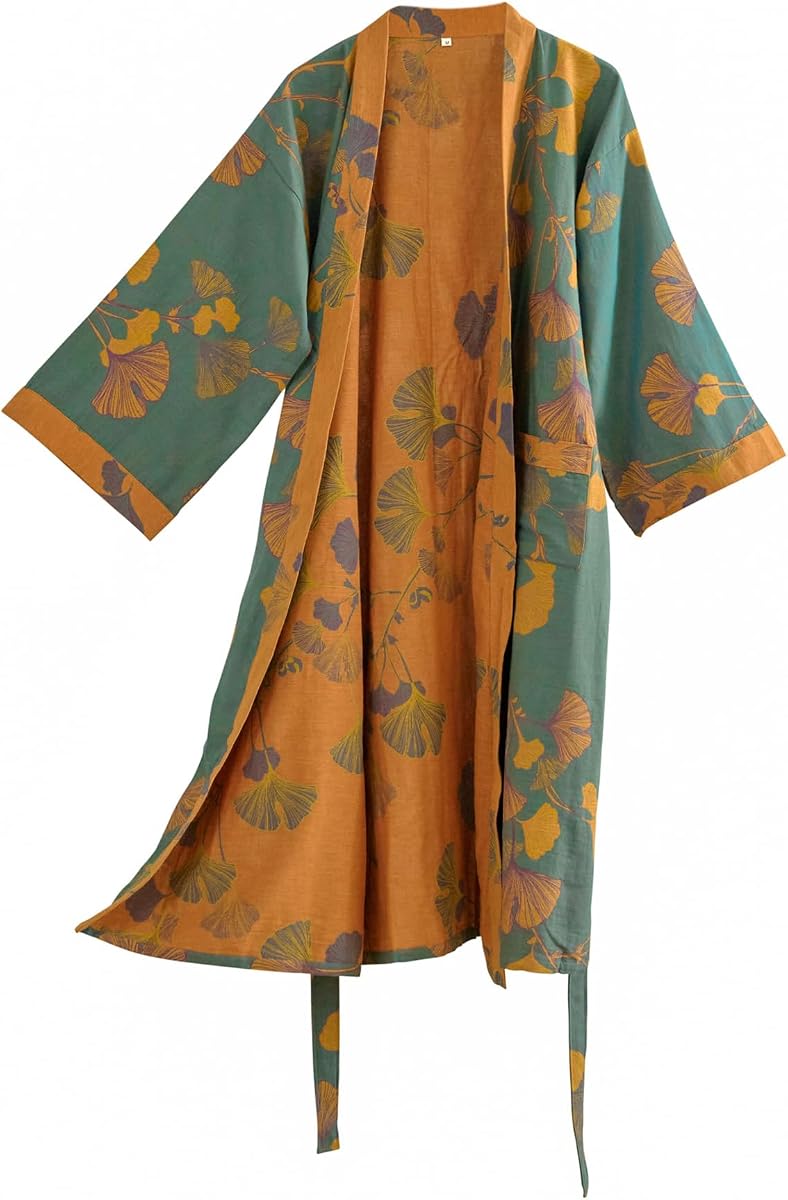
A luxurious, spa-weight robe made from 100% GOTS-certified organic cotton, produced under Fair Trade standards.

Exquisite hand-woven table linens designed in Brooklyn and artisan-made in Ethiopia. This Black-owned brand combines modern aesthetics with traditional Ethiopian weaving techniques.

The Fairphone 5 is the industry leader in modular design, offering a 5-year warranty and fair-sourced minerals to ensure longevity and worker rights.

Authentically hand-woven in Ghana, these baskets provide sustainable income for artisans while utilizing elephant grass—a renewable, natural resource. A versatile and nearly indestructible gift.

A premium selection of ethically sourced, regenerative organic dark chocolate bars that prioritize farmer equity and soil health over industrial shortcuts.

A hand-woven, sustainable masterpiece that supports female artisans in Ghana while providing a durable, multi-purpose storage solution for any home.

A premium, GOTS-certified organic cotton tablecloth that combines rigorous environmental standards with a Fair Trade labor model.

A giftable set of premium chocolate bars from a brand on a mission to end modern slavery in the cocoa industry.

High-quality organic cotton socks where every pair purchased triggers a donation to Trees for the Future to plant ten trees.

A curated gift set of organic, whole bean coffees sourced entirely from small-scale farmer cooperatives that empower regional communities.
What the House of Marley is rated on
House of Marley earns an 82/100 on our ethics scale, driven by strong environmental practices: FSC-certified wood, Global Recycled Standard-certified recycled plastics, organic cotton, and a 1% for the Planet donation. It is also cruelty-free and vegan. However, it does not hold certifications like Fair Trade or B Corp, and its sale in mainland China raises questions about supply chain visibility, as labor audits in that region are often less transparent.
How the alternatives were picked
We selected alternatives that match or exceed House of Marley’s environmental commitments while addressing its gaps. Each alternative: (1) avoids selling in mainland China or provides full supplier transparency, (2) holds third-party certifications for fair labor (e.g., Fair Trade, B Corp, or SA8000), and (3) uses similar eco-materials (recycled plastics, FSC wood, organic cotton) in their electronics or audio products. We prioritized brands with publicly listed factories and multi-dimensional ethics scores above 80/100.
What to check on the label
When comparing ethical audio or electronics brands, look for: FSC Certification on wood components, Global Recycled Standard (GRS) for recycled plastics, and 1% for the Planet membership. For labor ethics, check B Corp or Fair Trade Certified status, and whether the brand discloses its factory list on its website. Avoid brands that sell in mainland China unless they publish independent social audits (e.g., SMETA or SEDEX reports) for those facilities. Also confirm vegan/cruelty-free claims — most headphones use animal-free materials, but leather options may not be.
How to judge a suggested brand alternative
An alternatives page is a starting shortlist, not proof that one brand is universally better than another. The suggestions come from our catalogue: published products in a similar category with a recorded ethics score. They answer a narrow question — which products we list might fit the same need — and they cannot tell you which option performs best, suits your skin or diet, or matches your budget.
Match the job before the score
Start with what the original product does for you: format, size, scent, skin or dietary requirements and where you buy it. A higher-scoring alternative is not useful if it comes in a format you cannot use or is not sold where you shop. Check the alternative's full record — purpose, ingredients, price and seller — before treating it as a replacement.
Compare evidence, not impressions
Read certifications at their stated scope: a scheme may cover one range, one material or a named entity rather than a whole brand. An animal-free ingredient list and an animal-testing policy are separate questions, and a parent company's record is a third. Where a claim matters to you, confirm it in the scheme's own directory or the manufacturer's current statement rather than relying on a badge alone.
Keep the limits of the comparison visible
Catalogue scores are AI-assisted assessments with documented limitations, not laboratory measurements. A missing score is a data gap, not a failing grade. The original brand's presence here reflects what our records contain, which may omit reformulations, regional differences or newer certifications. For health, safety or recall concerns, use official sources rather than any score.
| Check | Where to confirm it | Avoid assuming |
|---|---|---|
| Does the alternative do the same job? | Its full product record and the maker's current description | A similar category means a like-for-like replacement |
| Is a claimed certification current? | The certification scheme's official directory | A badge covers the whole brand or group |
| Is it actually available to you? | The retailer's current listing, price and delivery | A catalogue price tier is a live quote |
Frequently asked about the house of marley alternatives
Why does House of Marley score 82/100 if it is sustainable?+
The 82/100 reflects strong environmental scores (material sourcing, recycling, donations) but lower marks for supply chain transparency and labor rights, partly due to sales in mainland China without full factory disclosure.
Are there audio brands with better labor certifications than House of Marley?+
Yes, brands like <strong>Marshall</strong> (B Corp certified) and <strong>JLab</strong> (Fair Trade factory partnerships) offer similar eco-audio products with verifiable labor audits, often scoring above 90/100 on ethics.
Does House of Marley test on animals?+
No. House of Marley has a no-animal-testing policy and all products are vegan and cruelty-free, making it a good choice for animal-conscious shoppers.
What certifications should I look for in an ethical audio brand?+
Prioritize <strong>FSC Certified</strong> (for wood), <strong>Global Recycled Standard</strong> (for plastics), and <strong>B Corp</strong> or <strong>Fair Trade Certified</strong> for overall ethics. Also check <strong>1% for the Planet</strong> for donation commitments.