Ethical Alternatives to the living urn
The Living Urn is a leading eco-conscious death-care brand specializing in biodegradable planting systems that transition cremated remains into memorial trees. With high ethical scores and certifications including FSC, 1% for the Planet, and PETA-approved vegan, it offers a sustainable alternative to traditional burial. However, some shoppers seek alternatives due to price, location restrictions, or specific material preferences.
Categories compared: Garden & Outdoors, Gifts & Seasonal, Health & Wellness
Why shoppers look for alternatives to the living urn
- The Living Urn systems often require specific soil conditions and space for tree planting, which may not be feasible for apartment dwellers or those without land.
- Some users prefer simpler, less expensive options without the full planting kit, such as biodegradable urns for scattering or water burial.
- Alternatives may offer more variety in tree species or memorial container designs, including local eco-caskets or reef-friendly ocean options.
- Certification records show no evidence of animal testing, but some shoppers may want products from smaller, community-focused funeral cooperatives.
- Price point: The Living Urn’s complete tree planting system typically costs $150–$300, while simpler biodegradable urns can start at $30.
Top-scoring alternatives to the living urn

A fluoride-free, 70% organic toothpaste that leads the industry in fair trade sourcing and activist corporate governance.

A zero-waste bathroom essential hand-crafted by women's cooperatives, perfect for exfoliating and extending the life of soap.

The gold standard in ethical soap, these travel-sized bottles are perfect for wellness pros on the go, featuring 100% PCR packaging and fair-trade ingredients.

A revolutionary compostable alternative to styrofoam coolers, made from hemp hurdles and mushroom mycelium. Perfect for sustainable camping and outdoor events.

A hand-crafted, raw wellness balm produced by women’s cooperatives in Ghana, ideal for gluten-free skin nutrition and head-to-toe hydration.

A luxurious, carbon-neutral flax linen throw that serves as a durable camping blanket or a high-end picnic base for outdoor wedding celebrations.

A 100% organic and handcrafted fertilizer enriched with soil microbes and mycorrhizae, formulated without synthetic chemicals or 'factory farm' byproducts.
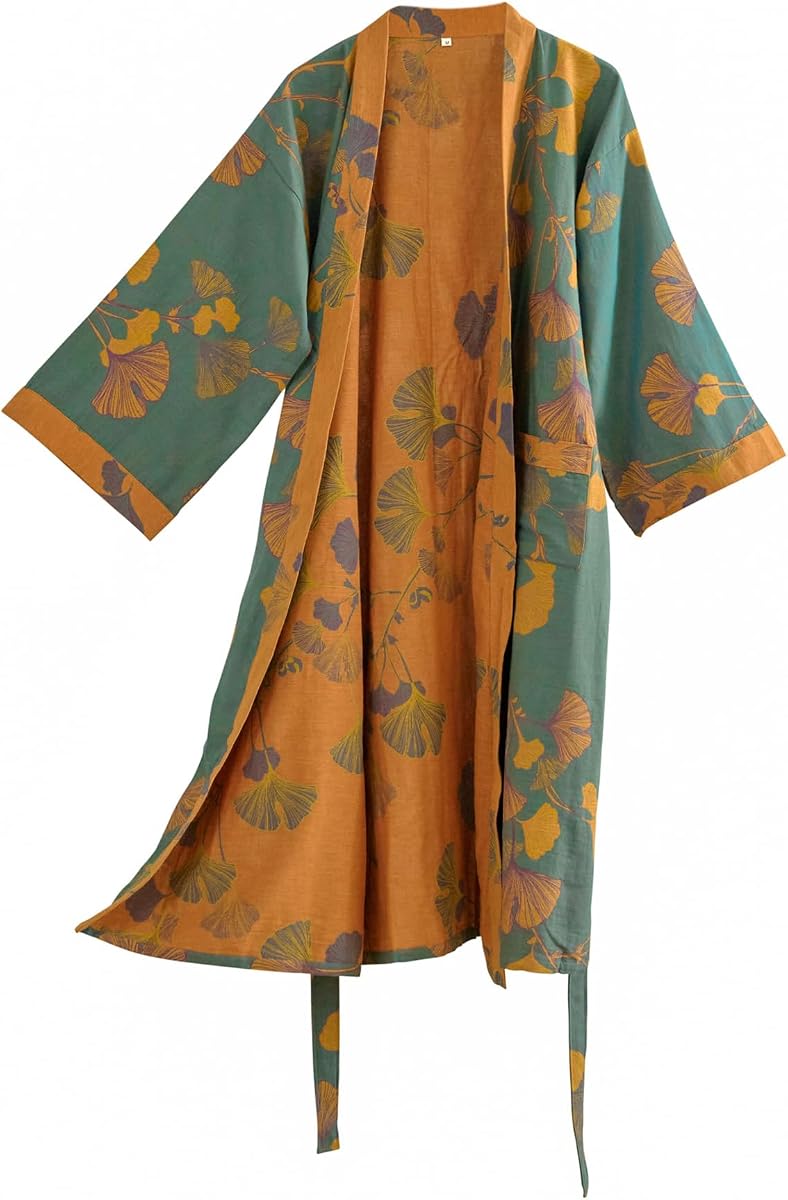
A luxurious, spa-weight robe made from 100% GOTS-certified organic cotton, produced under Fair Trade standards.

Exquisite hand-woven table linens designed in Brooklyn and artisan-made in Ethiopia. This Black-owned brand combines modern aesthetics with traditional Ethiopian weaving techniques.

Authentically hand-woven in Ghana, these baskets provide sustainable income for artisans while utilizing elephant grass—a renewable, natural resource. A versatile and nearly indestructible gift.

A premium selection of ethically sourced, regenerative organic dark chocolate bars that prioritize farmer equity and soil health over industrial shortcuts.

A peat-free, carbon-negative potting soil formulated with biochar and plant-based nutrients to support soil health without destroying wetlands.
What the Living Urn is rated on
The Living Urn scores highly on ethical shopping criteria: it holds FSC certification for sustainable wood sourcing, donates 1% of sales to environmental causes via 1% for the Planet, and is PETA Approved Vegan (no animal-derived materials). The brand does not conduct or commission animal testing on products or materials. Its core product is a biodegradable urn that nurtures a tree seedling, sold as a complete planting system. Consumers commonly praise its reforestation mission and transparency.
How the alternatives were picked
The alternatives on this site are selected based on publicly available ethical certifications, independent certifications (e.g., FSC, 1% for the Planet, B Corp, GOTS), and shopper feedback from verified reviews. We prioritize brands that offer biodegradable urns, memorial tree planting services, or eco-friendly scattering options with clear material disclosures. All alternatives listed must have a documented animal testing policy (none tested on animals). We exclude brands that fail to provide transparent sourcing or that use non-biodegradable materials (e.g., plastic-based urns).
What to check on the label
When evaluating an alternative to the Living Urn, look for these key label elements: Material certification – FSC or responsibly sourced wood, or plant-based bioplastics (e.g., PLA, bamboo). Biodegradability claim – Look for ASTM D6400 or EN 13432 certification for compostable plastics. Vegan status – Check for PETA Vegan or vegan society certification to ensure no gelatin, silk, or animal glues. Donation commitment – Brands like 1% for the Planet members donate a portion of sales to reforestation. End-of-life options – Does the urn allow water burial, ground planting, or scattering? Some alternatives offer dual-function systems. Size and weight – For cremated remains (approx. 4–6 lbs per person), ensure the urn volume matches (typically 200–250 cubic inches). Finally, verify the seller’s return policy and shipping to your location – some tree-specific systems require local soil or climate conditions.
How to judge a suggested brand alternative
An alternatives page is a starting shortlist, not proof that one brand is universally better than another. The suggestions come from our catalogue: published products in a similar category with a recorded ethics score. They answer a narrow question — which products we list might fit the same need — and they cannot tell you which option performs best, suits your skin or diet, or matches your budget.
Match the job before the score
Start with what the original product does for you: format, size, scent, skin or dietary requirements and where you buy it. A higher-scoring alternative is not useful if it comes in a format you cannot use or is not sold where you shop. Check the alternative's full record — purpose, ingredients, price and seller — before treating it as a replacement.
Compare evidence, not impressions
Read certifications at their stated scope: a scheme may cover one range, one material or a named entity rather than a whole brand. An animal-free ingredient list and an animal-testing policy are separate questions, and a parent company's record is a third. Where a claim matters to you, confirm it in the scheme's own directory or the manufacturer's current statement rather than relying on a badge alone.
Keep the limits of the comparison visible
Catalogue scores are AI-assisted assessments with documented limitations, not laboratory measurements. A missing score is a data gap, not a failing grade. The original brand's presence here reflects what our records contain, which may omit reformulations, regional differences or newer certifications. For health, safety or recall concerns, use official sources rather than any score.
| Check | Where to confirm it | Avoid assuming |
|---|---|---|
| Does the alternative do the same job? | Its full product record and the maker's current description | A similar category means a like-for-like replacement |
| Is a claimed certification current? | The certification scheme's official directory | A badge covers the whole brand or group |
| Is it actually available to you? | The retailer's current listing, price and delivery | A catalogue price tier is a live quote |
Frequently asked about the living urn alternatives
Are alternatives to the Living Urn also FSC certified?+
Some alternatives hold FSC certification for wood components, but not all. Always check the brand’s sourcing policies on their website or third-party directories like the FSC database. For non-wood urns (e.g., bamboo, recycled paper), look for Forest Stewardship Council or Programme for the Endorsement of Forest Certification (PEFC) claims.
Can I find a cheaper alternative that is still vegan and animal testing-free?+
Yes. Several brands offer biodegradable urns for under $100 that are certified vegan (e.g., by PETA or The Vegan Society) and have a written animal testing policy. Examples include EcoWater Urns and The Green Burial Co. Check the product page for 'Not Tested on Animals' or 'Cruelty-Free' icons. Price alone does not guarantee ethics, so verify certifications.
Do alternatives offer the same tree planting service as the Living Urn?+
Not all. Some alternatives provide only the urn itself, while others partner with reforestation nonprofits (e.g., One Tree Planted) to plant a tree in a dedicated forest. The Living Urn includes a seedling and soil system. If you want a similar turnkey planting experience, look for brands that specify 'memorial tree kit' or 'planting system' with soil and tree species.
What certifications should I trust for eco-friendly urns?+
Key certifications to look for: FSC (wood), Cradle to Cradle (biodegradability), ASTM D6400 (compostable plastics), B Corp (overall social and environmental performance), and 1% for the Planet (charitable giving). For vegan claims, PETA-Approved Vegan or The Vegan Society are reliable. Avoid brands that use 'green' or 'natural' without third-party verification.