Ethical Alternatives to The Root Collective
The Root Collective is a Chicago-based footwear brand that partners with artisans in Guatemala to produce ethically made shoes and accessories. It holds Fair Trade and B Corp certifications and prohibits animal testing. Below we present a curated list of alternatives that match or exceed its social and environmental standards.
Categories compared: Fashion & Apparel, Jewelry & Accessories, Gifts & Seasonal
Why shoppers look for alternatives to The Root Collective
- Limited product range: The Root Collective focuses primarily on footwear, so shoppers seeking apparel or jewelry may need broader options.
- Price point: Handmade, fair-trade goods from Guatemala can be significantly more expensive than mass-produced alternatives, prompting budget-conscious consumers to explore comparable brands.
- Style preferences: The brand's aesthetic is rooted in Central American artisan designs; shoppers wanting modern or minimalist styles may look elsewhere.
- Availability: As a direct-to-consumer brand with limited stockists, some buyers may prefer alternatives with easier return policies or wider distribution.
Top-scoring alternatives to The Root Collective

A premium, biodegradable beanie made from seed-to-garment organic cotton under strict fair trade conditions.

A zero-waste bathroom essential hand-crafted by women's cooperatives, perfect for exfoliating and extending the life of soap.

The gold standard in ethical soap, these travel-sized bottles are perfect for wellness pros on the go, featuring 100% PCR packaging and fair-trade ingredients.

A rugged, carbon-neutral backpack made from Fairtrade-certified organic cotton canvas, designed to eliminate plastic waste from the accessories industry.

An exquisite, one-of-a-kind quilted jacket handmade by a women's cooperative in West Bengal, utilizing 100% upcycled silk and cotton vintage saris.

A fully compostable and vegan watch strap made from apple waste and bio-polymers, offering a sustainable alternative to animal leather and silicone.
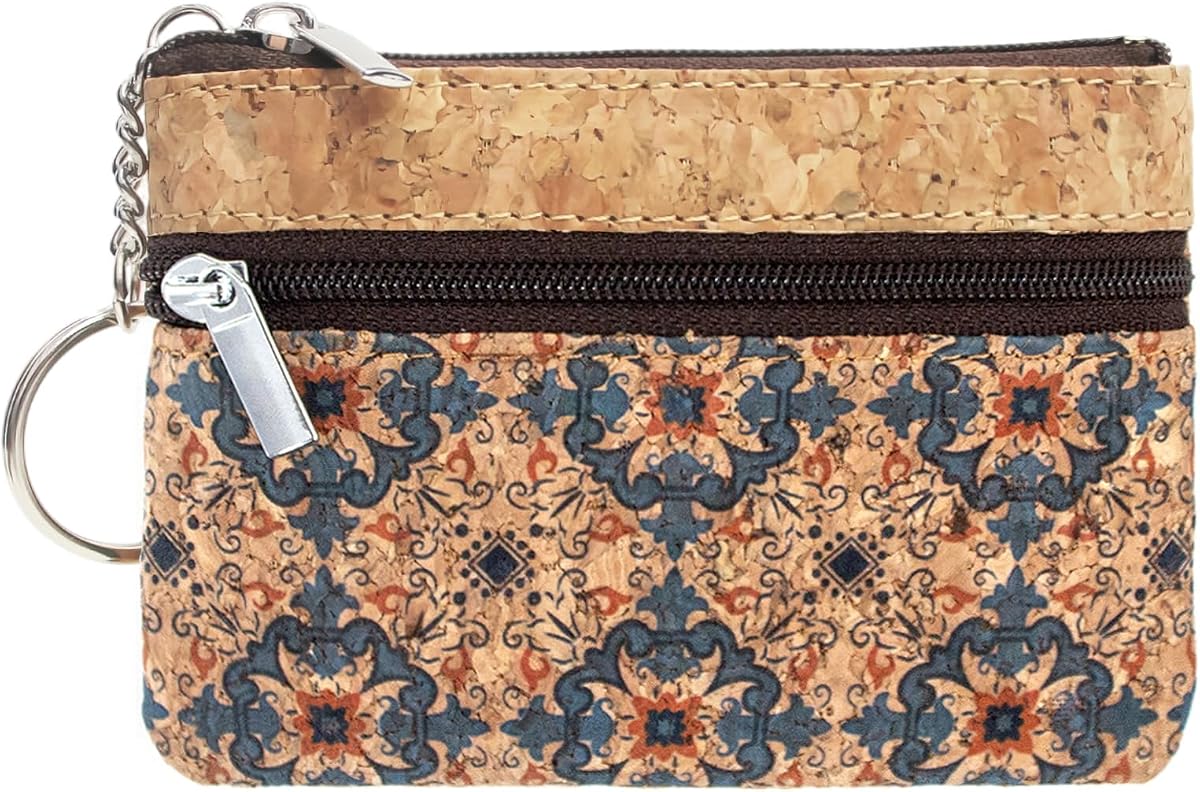
A handcrafted, water-resistant coin pouch made from sustainably harvested Portuguese cork—a farm-to-fashion staple.

A carbon-neutral, TSA-friendly travel staple made from recycled materials and Tencel, designed in Biarritz for maximum versatility.

A luxurious, spa-weight robe made from 100% GOTS-certified organic cotton, produced under Fair Trade standards.

Exquisite hand-woven table linens designed in Brooklyn and artisan-made in Ethiopia. This Black-owned brand combines modern aesthetics with traditional Ethiopian weaving techniques.

Authentically hand-woven in Ghana, these baskets provide sustainable income for artisans while utilizing elephant grass—a renewable, natural resource. A versatile and nearly indestructible gift.

A premium selection of ethically sourced, regenerative organic dark chocolate bars that prioritize farmer equity and soil health over industrial shortcuts.
What the Root Collective is rated on
The Root Collective earns high marks for its transparent supply chain, Fair Trade certification, and B Corporation status. It is rated for labor rights, artisan empowerment, and environmental sustainability. However, its certification records do not cover animal-derived materials beyond a no-animal-testing policy. Shoppers should note that leather is used in some products, which may be a concern for vegan consumers.
How the alternatives were picked
We selected alternatives based on the same core certifications (Fair Trade, B Corp, or equivalent third-party verified standards). Each brand listed must provide full traceability, prohibit child labor, and offer clear animal welfare policies. We also considered product diversity—favoring brands that offer footwear, accessories, or home goods similar to The Root Collective's artisan line. Independent audits and public reports were used to verify claims.
What to check on the label
When evaluating ethical alternatives, look for the Fair Trade Certified seal or B Corp logo on product pages. Confirm if the brand uses vegan materials—many artisan brands use leather or wool. Check whether the company publishes a supplier list or sustainability report. Also note return policies, as smaller artisan brands may have stricter exchange terms. Finally, verify that animal testing is explicitly prohibited at every tier of the supply chain, not just in the final product.
How to judge a suggested brand alternative
An alternatives page is a starting shortlist, not proof that one brand is universally better than another. The suggestions come from our catalogue: published products in a similar category with a recorded ethics score. They answer a narrow question — which products we list might fit the same need — and they cannot tell you which option performs best, suits your skin or diet, or matches your budget.

Match the job before the score
Start with what the original product does for you: format, size, scent, skin or dietary requirements and where you buy it. A higher-scoring alternative is not useful if it comes in a format you cannot use or is not sold where you shop. Check the alternative's full record — purpose, ingredients, price and seller — before treating it as a replacement.
Compare evidence, not impressions
Read certifications at their stated scope: a scheme may cover one range, one material or a named entity rather than a whole brand. An animal-free ingredient list and an animal-testing policy are separate questions, and a parent company's record is a third. Where a claim matters to you, confirm it in the scheme's own directory or the manufacturer's current statement rather than relying on a badge alone.
Keep the limits of the comparison visible
Catalogue scores are AI-assisted assessments with documented limitations, not laboratory measurements. A missing score is a data gap, not a failing grade. The original brand's presence here reflects what our records contain, which may omit reformulations, regional differences or newer certifications. For health, safety or recall concerns, use official sources rather than any score.
| Check | Where to confirm it | Avoid assuming |
|---|---|---|
| Does the alternative do the same job? | Its full product record and the maker's current description | A similar category means a like-for-like replacement |
| Is a claimed certification current? | The certification scheme's official directory | A badge covers the whole brand or group |
| Is it actually available to you? | The retailer's current listing, price and delivery | A catalogue price tier is a live quote |
Frequently asked about The Root Collective alternatives
Does The Root Collective use animal products?+
The Root Collective uses leather in some footwear styles. It does not test on animals and prohibits supplier animal testing, but leather is a byproduct of the meat industry and not vegan.
Are there alternatives with similar certifications at lower prices?+
Yes, brands like Nisolo (also B Corp and Fair Trade) offer price-comparable shoes and accessories. Everlane's 'ReNew' line and People Tree are certified options with competitive pricing.
How do I verify a brand's Fair Trade claim?+
Look for the Fair Trade Certified seal on the product or site. Cross-check with Fair Trade USA's brand directory. B Corp certification should include a score and audit date on bcorporation.net.
What is the main ethical advantage of choosing an alternative?+
Alternatives may offer wider sizing, vegan materials, or carbon-neutral shipping. Some also partner with cooperatives in multiple countries, providing broader artisan support than The Root Collective's single-country focus.