Ethical Alternatives to Theraflu
Theraflu is a well-known over-the-counter cold and flu remedy owned by Haleon (formerly GSK Consumer Healthcare). While the brand has no major controversies, it lacks third-party ethical certifications and provides limited transparency on animal testing and sourcing practices.
Categories compared: Health & Wellness
Why shoppers look for alternatives to Theraflu
- Theraflu has no third-party certifications for ethical, vegan, or cruelty-free standards.
- Haleon conducts animal testing when required by law for safety, but does not disclose full details on testing for ingredients or finished products.
- Limited public information on sustainable sourcing and supply chain transparency makes it difficult for conscious shoppers to verify claims.
- Shoppers seeking fully vegan or plant-based cold remedies may find Theraflu’s ingredient sourcing and testing policies unclear.
Top-scoring alternatives to Theraflu

A fluoride-free, 70% organic toothpaste that leads the industry in fair trade sourcing and activist corporate governance.

A hand-crafted, raw wellness balm produced by women’s cooperatives in Ghana, ideal for gluten-free skin nutrition and head-to-toe hydration.

A gold-standard adaptogenic supplement produced through regenerative agriculture and fair trade partnerships with small family farmers in India.

A premium, hypoallergenic lumbar support pillow made from 100% GOLS organic certified latex and GOTS organic cotton, ideal for posture correction during downsizing transitions.

A luxurious, plant-based cleansing oil that utilizes papain and vitamin B to gently exfoliate while maintaining the skin's moisture barrier, crafted by an award-winning B Corp.

The gold standard for eco-friendly yoga mats, made from sustainably harvested natural rubber with a tree planted for every mat sold.

A meticulously traceable pea protein with a complete amino acid profile, designed for transparency-minded athletes.

A transparently sourced, delayed-release multivitamin designed specifically for women, featuring a traceable supply chain and high-quality vegan ingredients.

A high-performance yoga mat sourced from responsibly harvested Amazonian rubber and Colombian jute, offering superior grip for new plant-based enthusiasts.

A bulk-buy subscription staple for period care made from organic Oeko-Tex bamboo, featuring 100% plastic-free packaging.

A transparently-sourced delayed-release multivitamin featuring a patented beadlet-in-oil design to ensure optimal absorption and stomach comfort.
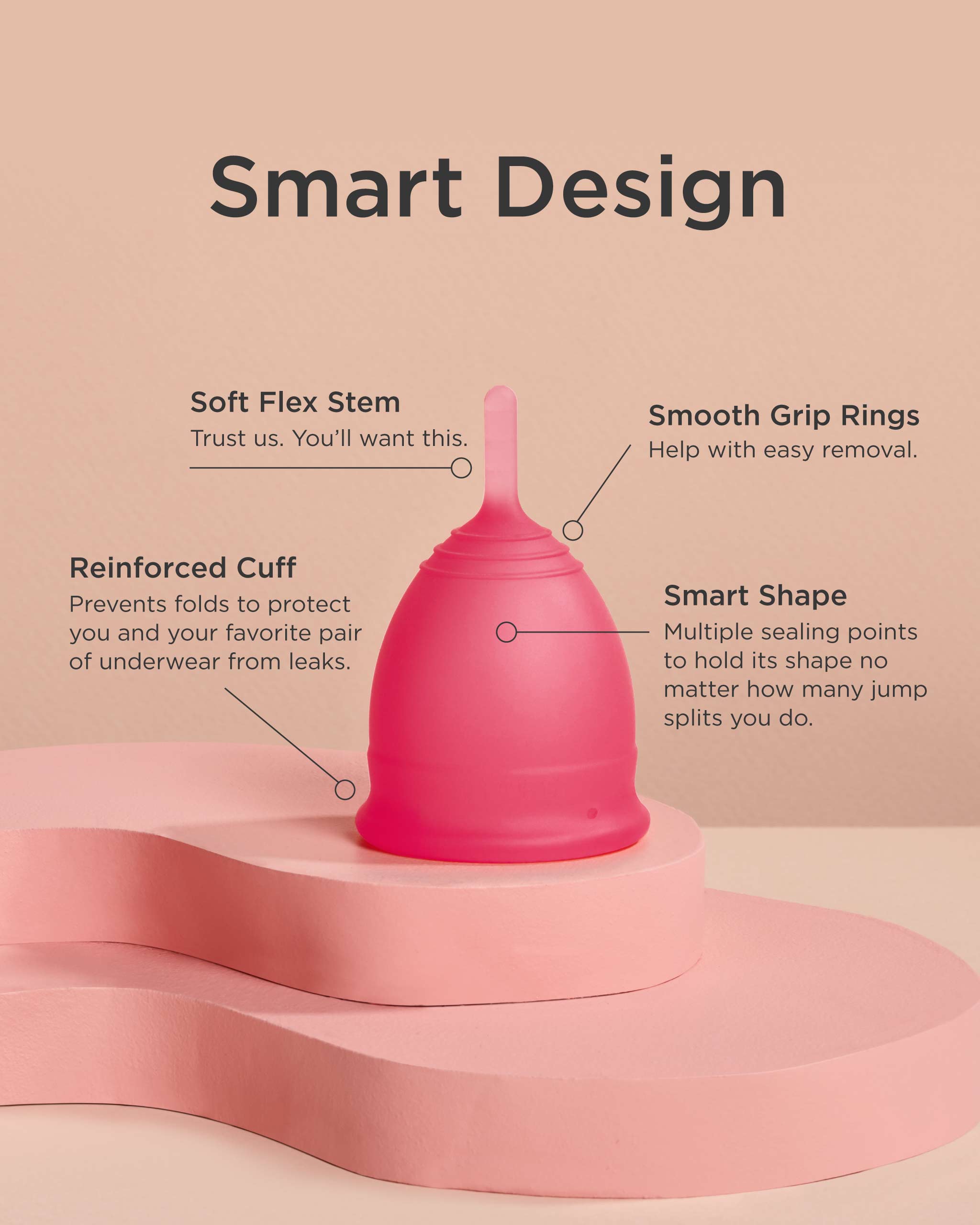
A high-performance medical-grade silicone menstrual cup from a B Corp focused on period poverty and waste reduction.
What Theraflu is rated on
Theraflu, part of Haleon, is a trusted brand for cold and flu symptom relief. However, on ethical shopping criteria, it scores poorly. The brand holds no third-party certifications from organizations like Leaping Bunny, PETA’s Beauty Without Bunnies, or the Vegan Society. Haleon’s animal testing policy states that testing is conducted “only when required by law for safety,” which is a common but opaque stance—meaning the company may still commission tests on animals in certain markets (e.g., under Chinese or other regulatory requirements). Additionally, Haleon has made general sustainability pledges (e.g., reducing carbon emissions), but there is no granular data on ingredient sourcing or packaging transparency.
How the alternatives were picked
We curated alternatives based on the following criteria: (1) certified cruelty-free by a credible third party (e.g., Leaping Bunny, PETA), (2) clear vegan or plant-based labeling where applicable, (3) transparent ingredient sourcing, and (4) positive or neutral environmental impact. We focused on brands that openly share their animal testing and supply chain policies, and that hold at least one recognized ethical certification. All alternatives are in the same product category—over-the-counter cold and flu symptom relief—so you can make an apples-to-apples comparison.
What to check on the label
When shopping for an ethical cold remedy, look for: 1. Cruelty-free certification—Leaping Bunny or PETA’s “Cruelty-Free” logo. 2. Vegan certification if you avoid all animal-derived ingredients (some syrups contain honey or gelatin). 3. Organic or non-GMO seals (e.g., USDA Organic) to ensure natural sourcing. 4. Packaging—opt for brands using recycled materials or minimal plastic. 5. Active ingredients—check for common OTCs like acetaminophen, dextromethorphan, and guaifenesin, but note that many ethical brands formulate with herbal alternatives (e.g., elderberry, echinacea, zinc) that may have different efficacy profiles. Always consult a healthcare provider before switching any medication routine.
How to judge a suggested brand alternative
An alternatives page is a starting shortlist, not proof that one brand is universally better than another. The suggestions come from our catalogue: published products in a similar category with a recorded ethics score. They answer a narrow question — which products we list might fit the same need — and they cannot tell you which option performs best, suits your skin or diet, or matches your budget.

Match the job before the score
Start with what the original product does for you: format, size, scent, skin or dietary requirements and where you buy it. A higher-scoring alternative is not useful if it comes in a format you cannot use or is not sold where you shop. Check the alternative's full record — purpose, ingredients, price and seller — before treating it as a replacement.
Compare evidence, not impressions
Read certifications at their stated scope: a scheme may cover one range, one material or a named entity rather than a whole brand. An animal-free ingredient list and an animal-testing policy are separate questions, and a parent company's record is a third. Where a claim matters to you, confirm it in the scheme's own directory or the manufacturer's current statement rather than relying on a badge alone.
Keep the limits of the comparison visible
Catalogue scores are AI-assisted assessments with documented limitations, not laboratory measurements. A missing score is a data gap, not a failing grade. The original brand's presence here reflects what our records contain, which may omit reformulations, regional differences or newer certifications. For health, safety or recall concerns, use official sources rather than any score.
| Check | Where to confirm it | Avoid assuming |
|---|---|---|
| Does the alternative do the same job? | Its full product record and the maker's current description | A similar category means a like-for-like replacement |
| Is a claimed certification current? | The certification scheme's official directory | A badge covers the whole brand or group |
| Is it actually available to you? | The retailer's current listing, price and delivery | A catalogue price tier is a live quote |
Frequently asked about Theraflu alternatives
Does Theraflu test on animals?+
Haleon’s official policy states that animal testing is conducted only when required by law for safety (e.g., to meet regulatory requirements in certain countries). The company does not fully disclose all testing data for ingredients or finished products, and it holds no cruelty-free certifications, meaning a precautionary approach is warranted for ethical shoppers.
Are there certified vegan alternatives to Theraflu?+
Yes. Brands like Genexa and Zarbee’s Naturals offer cold and flu remedies that are certified cruelty-free and often vegan-friendly. Always check individual product labels for vegan certification (e.g., Vegan Action or Vegan Society logos), as some formulations may contain honey or other animal-derived ingredients.
What does ‘no third-party certifications’ mean for Theraflu?+
It means Theraflu has not been independently verified by organizations like Leaping Bunny, PETA, the Vegan Society, or USDA Organic. Without these certifications, shoppers must rely on the company’s own statements, which may lack the transparency and accountability that third-party audits provide.
How can I find ethical cold and flu remedies online?+
Search for products bearing Leaping Bunny or PETA cruelty-free logos, and check the brand’s website for a published animal testing policy. Use ethical shopping databases (like Cruelty-Free Kitty or the Leaping Bunny app) to filter by certification. Also review ingredient lists for herbal or plant-based formulations if you prefer natural options.