Ethical Alternatives to Toffee Crisp
Toffee Crisp is a popular chocolate-coated toffee and crisp cereal bar, but it is owned by Nestlé, a company criticized for labor practices and environmental impact. While the product itself has no direct controversies, shoppers seeking certified ethical options may prefer alternatives from brands with stronger third-party certifications.
Categories compared: Food & Nutrition
Why shoppers look for alternatives to Toffee Crisp
- Nestlé lacks independent ethical certifications for this product, such as Fairtrade or Rainforest Alliance, which are common in the confectionery category.
- Nestlé faces ongoing criticism over labor practices, including child labor in cocoa supply chains, per public reports from NGOs and media investigations.
- Nestlé's limited sustainability pledges are not backed by full supply-chain transparency for palm oil or cocoa sources used in Toffee Crisp.
- Nestlé does not test finished animal products on animals, but its overall environmental footprint, including water usage and plastic packaging, is a concern for eco-conscious consumers.
Top-scoring alternatives to Toffee Crisp

A gold-standard example of regenerative agriculture, these oats go beyond organic by actively restoring soil health and ensuring fair wages for farmers in a vertically integrated supply chain.

The gold standard for ethical food production, this coconut oil uses regenerative organic practices and fair trade labor to set a benchmark for corporate responsibility.
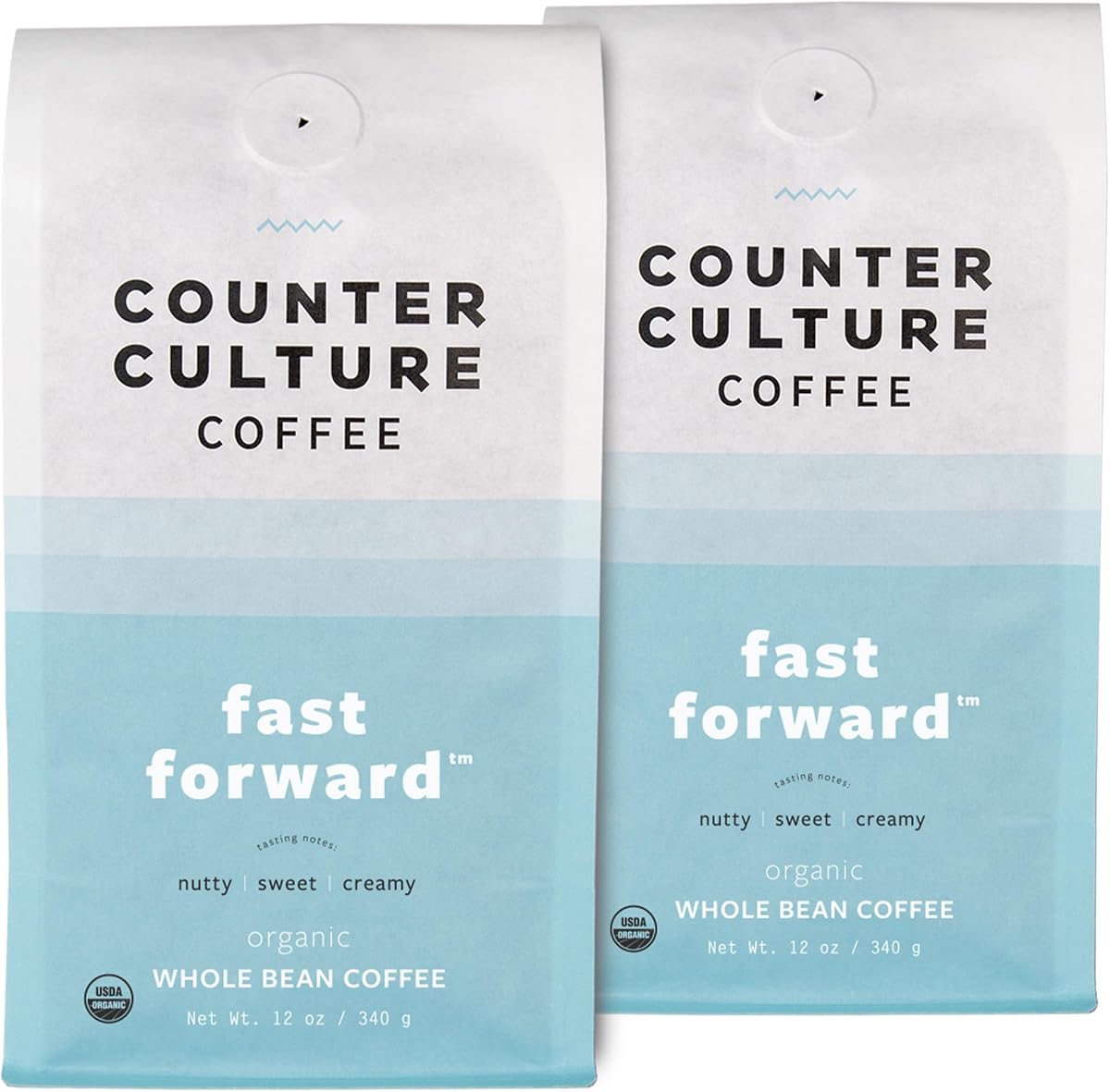
A 100% farmer-owned coffee cooperative that bypasses traditional middlemen to ensure maximum profits return to the growers.
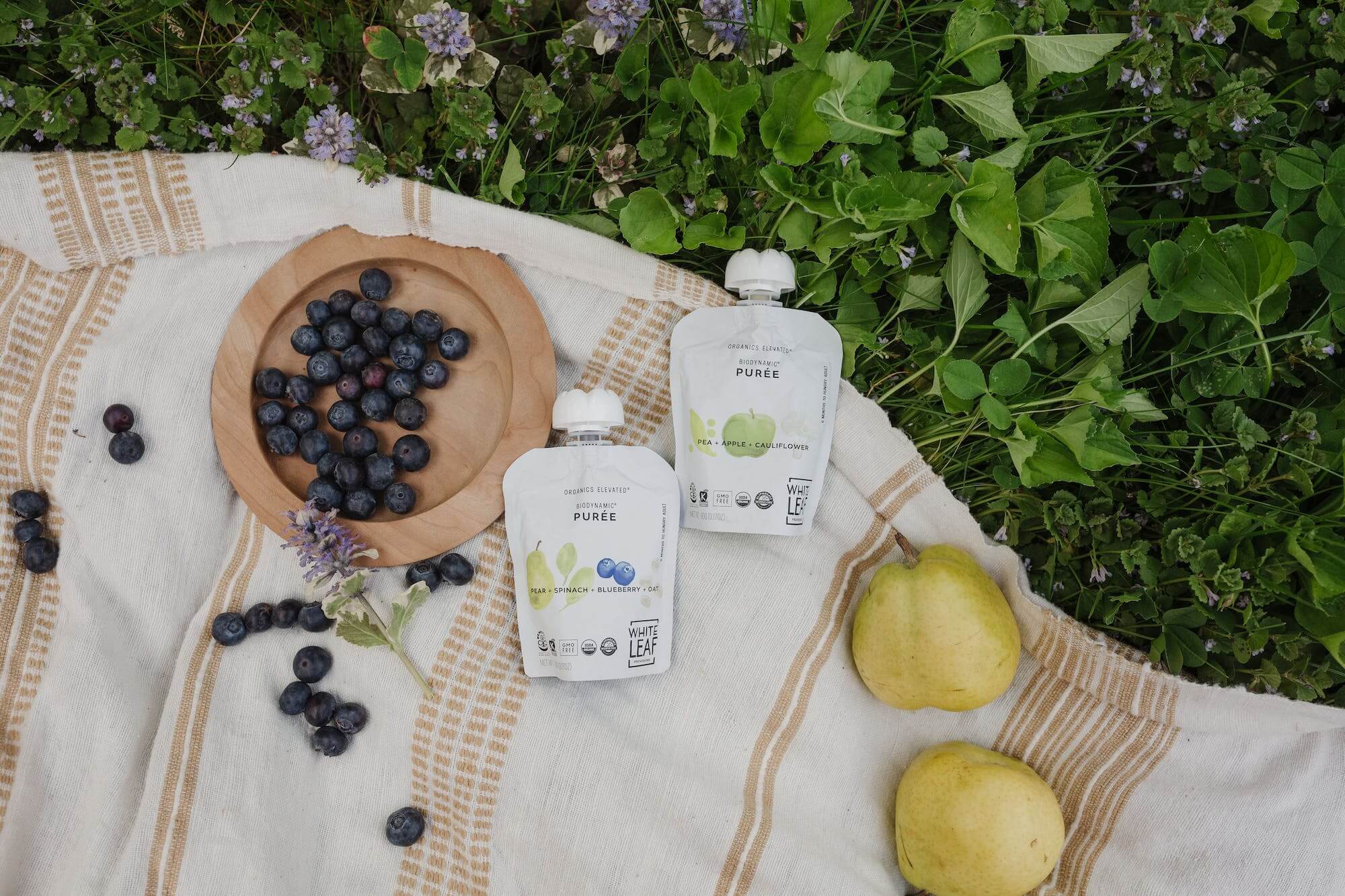
The gold standard in baby food, offering Demeter-certified biodynamic ingredients that exceed organic standards for soil health and purity.

A gold standard in ethical confectionery, combining fair-pay labor practices with regenerative cocoa farming that restores biodiversity in the Ivory Coast and Ghana.

A gold-standard breakfast staple sourced from family-owned farms in Montana using regenerative practices that actively sequester carbon and restore soil health.

Arguably the most ethical coconut oil on the market, sourced from 'Serendipol' in Sri Lanka using regenerative practices that revitalize soil and support a fair-trade community.
A gold standard in ethical confectionery, using regenerative farming to combat climate change while ensuring living wages for cocoa farmers.

A 100% farmer-owned cooperative coffee brand that bypasses middlemen to ensure maximum profits return to the growers.
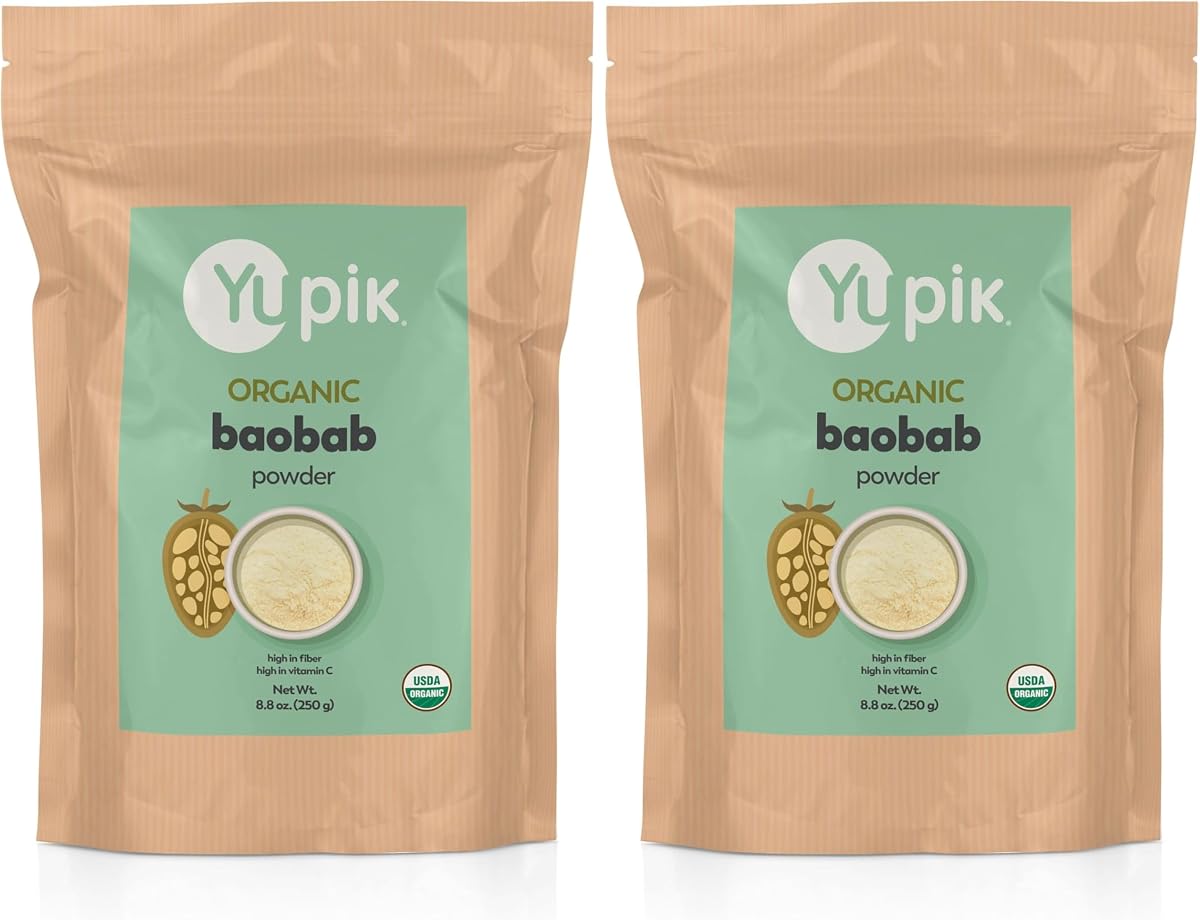
A nutrient-dense African superfood powder ethically harvested by women's cooperatives in Upper East Ghana, providing a massive vitamin C boost.

Exquisite heirloom Malagasy cocoa produced entirely at the source in Madagascar. This professional-grade bulk trunk supports direct-trade and lemur habitat conservation.

A gold standard in ethical food production, this virgin coconut oil is sourced from regenerative organic palms in Sri Lanka, ensuring soil health and fair wages.
What Toffee Crisp is rated on
Toffee Crisp, manufactured by Nestlé, does not carry any independent ethical certifications such as Fair Trade, Organic, or Rainforest Alliance. The product itself has not been directly involved in major controversies, but the parent company Nestlé has been flagged by ethical consumer groups for issues including child labor in cocoa farms, water privatization controversies, and plastic waste. Nestlé’s animal testing policy states they do not test finished products on animals unless required by local regulations, which is standard across the industry.
How the alternatives were picked
We selected alternatives based on three criteria: (1) availability of third-party certifications (Fairtrade, Organic, B Corp, or Rainforest Alliance), (2) clear supply-chain transparency regarding cocoa and palm oil sourcing, and (3) positive independent ratings from ethical shopping guides like Ethical Consumer or Good On You. We focused on products that mimic the chocolate-covered toffee and crisp texture of Toffee Crisp while offering a better ethical profile.
What to check on the label
When shopping for an ethical alternative, look for a Fairtrade or Rainforest Alliance logo on the packaging—these guarantee minimum social and environmental standards for cocoa. Organic certification (EU Organic, USDA Organic) indicates no synthetic pesticides. Check for palm oil: if present, look for RSPO (Roundtable on Sustainable Palm Oil) certification. Some brands also display a Vegan or Vegetarian Society symbol, which is optional but can indicate animal testing policy alignment. Avoid brands with vague 'sustainable' claims without third-party verification.
Frequently asked about Toffee Crisp alternatives
Is Toffee Crisp certified Fairtrade or Organic?+
No. Toffee Crisp does not carry Fairtrade, Organic, or Rainforest Alliance certifications. Its parent company Nestlé has some sustainability commitments but no third-party verification for this specific product.
Does Nestlé test Toffee Crisp on animals?+
Nestlé states it does not test finished products on animals unless required by local regulations. For confectionery like Toffee Crisp, animal testing is not standard, but the policy leaves room for compliance in certain markets (e.g., China historically).
What are the best ethical alternatives to Toffee Crisp?+
Brands like Tony's Chocolonely, Alter Eco, and Divine Chocolate offer similar chocolate-covered toffee/crisp bars with Fairtrade certification. Look for their 'crispy' or 'toffee' variants. Luker Chocolate also has certified options.
Why do ethical shoppers avoid Nestlé products?+
Nestlé has been criticized for child labor in its cocoa supply chain, water privatization, and environmental issues. While Toffee Crisp itself isn't implicated, many choose to avoid all Nestlé brands as a boycott strategy.