Ethical Alternatives to Triscuit
Triscuit is a popular baked whole-grain cracker brand owned by Mondelēz International. While its ingredient list is simple and plant-based, ethical shoppers may question the lack of third-party certifications and formal animal-testing policies across the parent company.
Categories compared: Food & Nutrition
Why shoppers look for alternatives to Triscuit
- Parent company Mondelēz International lacks a published formal animal-testing policy for Triscuit, only stating it does not test finished products unless required by law.
- Triscuit holds only Non-GMO Project Verified (select varieties) and OU Kosher certifications; it has no Fair Trade, Rainforest Alliance, or B Corp certification.
- Mondelēz International operates in mainland China, which raises supply-chain transparency questions for shoppers prioritizing full traceability.
- The brand does not offer organic or certified vegan options, despite the simple ingredient profile.
Top-scoring alternatives to Triscuit

The gold standard for ethical food production, this coconut oil uses regenerative organic practices and fair trade labor to set a benchmark for corporate responsibility.

The gold standard in baby food, offering Demeter-certified biodynamic ingredients that exceed organic standards for soil health and purity.
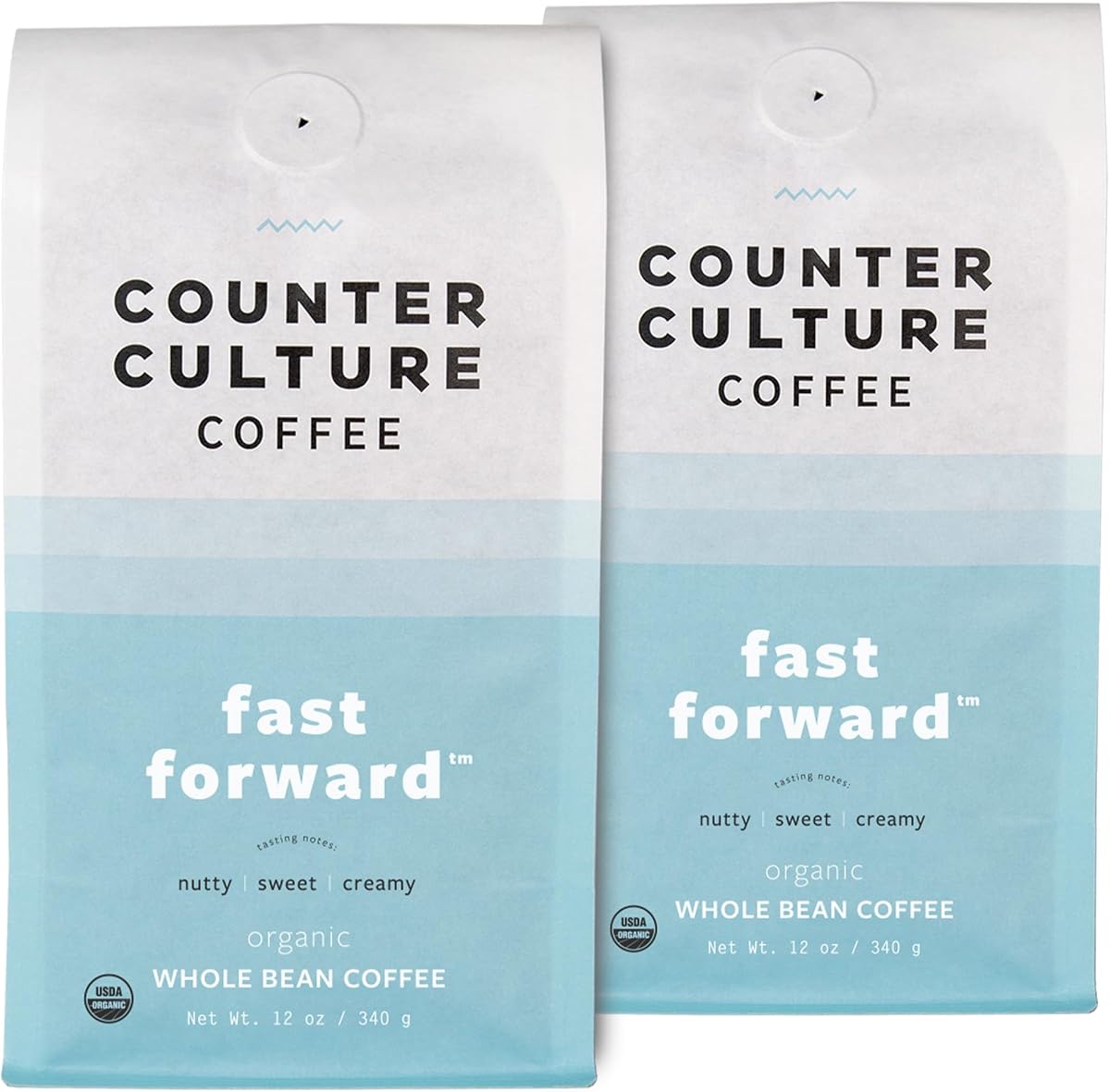
A 100% farmer-owned coffee cooperative that bypasses traditional middlemen to ensure maximum profits return to the growers.

A gold-standard example of regenerative agriculture, these oats go beyond organic by actively restoring soil health and ensuring fair wages for farmers in a vertically integrated supply chain.

Arguably the most ethical coconut oil on the market, sourced from 'Serendipol' in Sri Lanka using regenerative practices that revitalize soil and support a fair-trade community.

Exquisite heirloom Malagasy cocoa produced entirely at the source in Madagascar. This professional-grade bulk trunk supports direct-trade and lemur habitat conservation.

A 100% farmer-owned cooperative coffee brand that bypasses middlemen to ensure maximum profits return to the growers.

A gold standard in ethical confectionery, using regenerative farming to combat climate change while ensuring living wages for cocoa farmers.
A gold standard in ethical confectionery, combining fair-pay labor practices with regenerative cocoa farming that restores biodiversity in the Ivory Coast and Ghana.

A gold-standard breakfast staple sourced from family-owned farms in Montana using regenerative practices that actively sequester carbon and restore soil health.
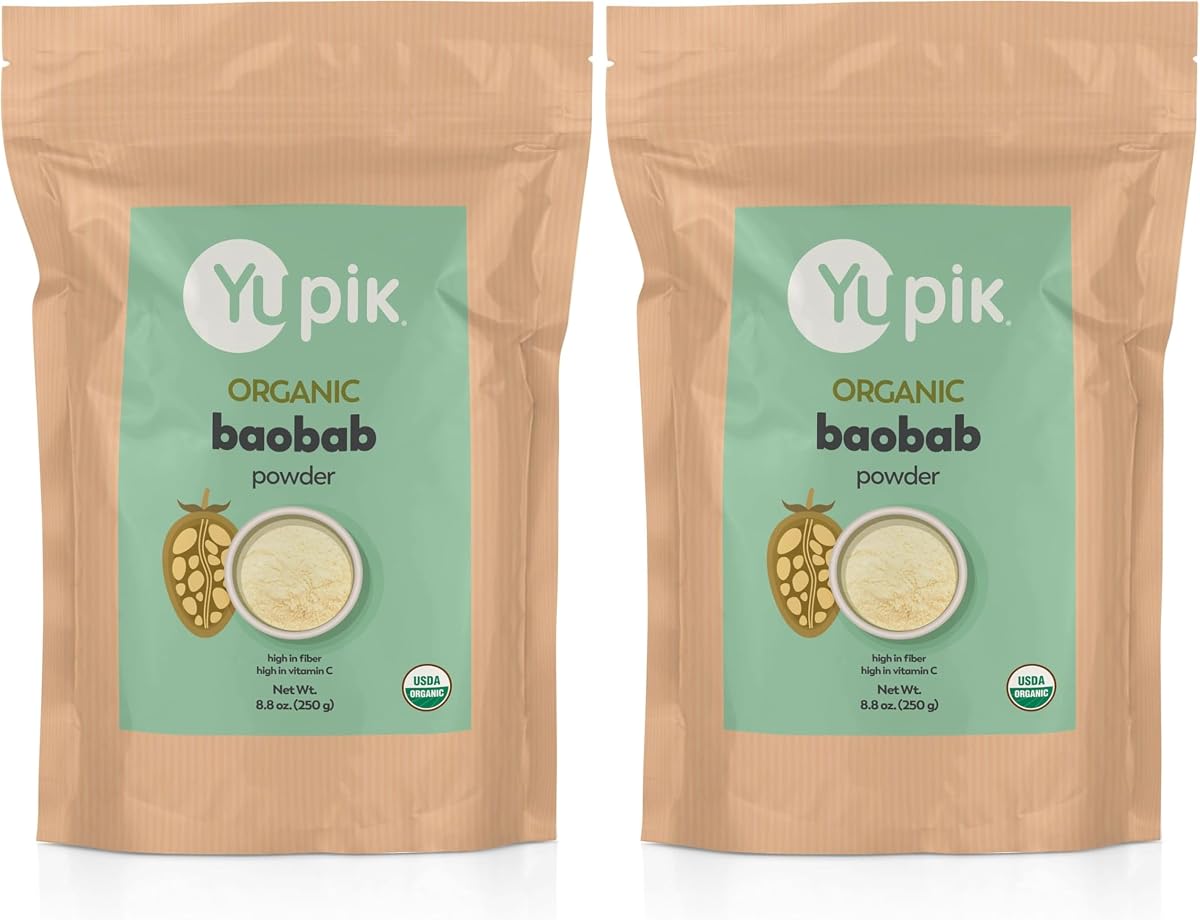
A nutrient-dense African superfood powder ethically harvested by women's cooperatives in Upper East Ghana, providing a massive vitamin C boost.

A French pioneer in organic fair-trade chocolate, Kaoka builds long-term partnerships with smallholder cooperatives to produce high-end, Kosher-certified dark chocolate.
What Triscuit is rated on
Triscuit, a brand of baked whole-grain crackers, is produced by Mondelēz International. On our ethical rating scale, Triscuit scores moderately on ingredient simplicity (whole wheat, oil, salt) and packaging sustainability (some boxes use recycled content). However, it falls short on corporate ethics: the parent company does not publish a formal animal-testing policy for the Triscuit brand, nor does it carry third-party certifications such as Fair Trade, Organic, or B Corp. Its presence in mainland China adds to supply-chain opacity. Select varieties are Non-GMO Project Verified, but this does not address broader ethical concerns.
How the alternatives were picked
We selected alternatives based on three criteria: direct product category (baked whole-grain crackers or crispbreads), superior ethical credentials (certified organic, Fair Trade, B Corp, or vegan-certified), and higher transparency (published animal-testing policies, clear sourcing). All recommended brands are independently owned or have verified third-party certifications. We avoided brands with parent companies that lack published animal-testing policies or operate in high-risk markets without public supply-chain disclosures.
What to check on the label
When shopping for an ethical alternative to Triscuit, look for these indicators: a B Corp logo, which signals verified social and environmental performance; USDA Organic or Non-GMO Project Verified (both provide ingredient integrity); a vegan certification (e.g., Vegan Action) if animal testing is a concern; and a Fair Trade or Rainforest Alliance seal for ingredient sourcing. Also check the company’s website for a published animal-testing policy—this is a sign of proactive ethics. Avoid brands that cannot provide clear answers about their supply chain or parent company ownership.
Frequently asked about Triscuit alternatives
Does Triscuit test on animals?+
Mondelēz International states it does not test finished products on animals unless required by law, but it has no formal published policy for the Triscuit brand. This lack of transparency is a common concern for ethical shoppers.
Is Triscuit Non-GMO?+
Select Triscuit varieties are Non-GMO Project Verified. However, the majority of the product line is not certified, and the brand does not carry organic certification.
Why does Triscuit sell in China matter for ethics?+
China does not have mandatory animal-testing bans for imported foods, and selling there often subjects products to local regulatory requirements. Without a published policy, shoppers cannot verify that the brand maintains consistent ethical standards across all markets.
Are there any certified organic whole-grain crackers similar to Triscuit?+
Yes. Brands like Mary’s Gone Crackers, Doctor in the Kitchen, and 34 Degrees are often organic or Non-GMO verified with clearer ethical policies. Always check individual labels for current certifications.