Ethical Alternatives to tru earth
Tru Earth is a B Corporation certified brand offering zero-waste laundry detergent strips, free from parabens, phosphates, and animal testing. This guide highlights alternative brands that meet similar ethical standards, helping shoppers find options that align with their values.
Categories compared: Home & Cleaning, Health & Wellness, Gifts & Seasonal
Why shoppers look for alternatives to tru earth
- Price sensitivity: Tru Earth’s per-load cost is higher than some bulk or powder alternatives, prompting budget-conscious shoppers to seek more affordable ethical options.
- Packaging preferences: While Tru Earth uses plastic-free strips, some consumers prefer liquid or powder detergents in reusable or refillable containers.
- Scent or ingredient variation: Shoppers may want fragrance-free, enzyme-free, or specific plant-based formulas not offered by Tru Earth’s current product line.
- Local sourcing: Some shoppers prioritize brands manufactured locally to reduce运输 emissions, which Tru Earth (headquartered in Canada, produced overseas) does not fully address.
- Certification breadth: Buyers seeking additional certifications (e.g., USDA Organic, Leaping Bunny, or EPA Safer Choice) may look for alternatives with a wider certification portfolio.
Top-scoring alternatives to tru earth

The gold standard for multi-purpose ethical cleaning, featuring organic oils and fair trade sourcing in a post-consumer recycled bottle.

The gold standard of ethical cleaning; a multi-use, highly concentrated liquid soap made with organic oils and fair trade ingredients.

A fluoride-free, 70% organic toothpaste that leads the industry in fair trade sourcing and activist corporate governance.

A zero-waste bathroom essential hand-crafted by women's cooperatives, perfect for exfoliating and extending the life of soap.

The gold standard in ethical soap, these travel-sized bottles are perfect for wellness pros on the go, featuring 100% PCR packaging and fair-trade ingredients.

A hand-crafted, raw wellness balm produced by women’s cooperatives in Ghana, ideal for gluten-free skin nutrition and head-to-toe hydration.
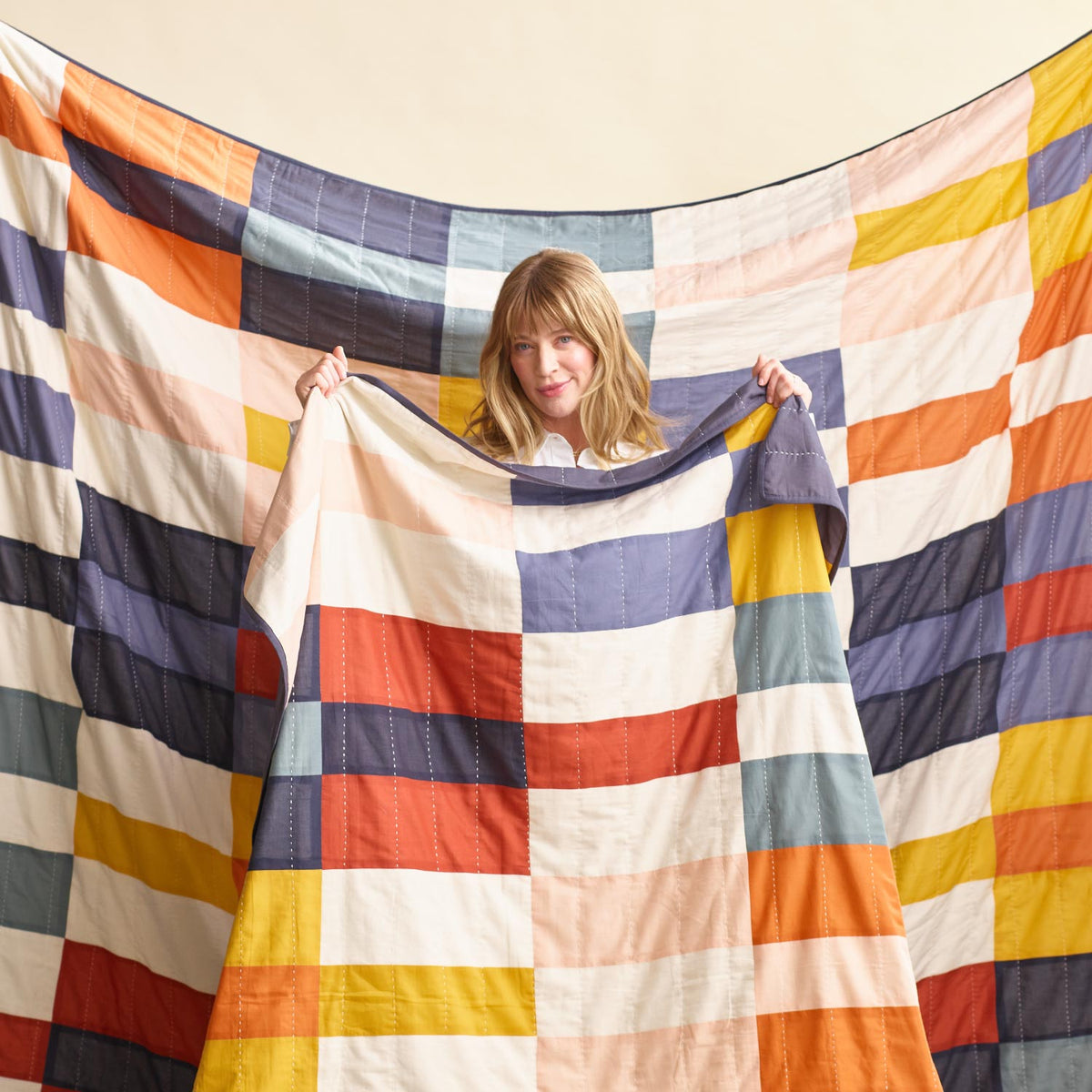
A stunning, artisan-made throw that supports women’s empowerment in India while utilizing 100% plant-based, organic fibers.
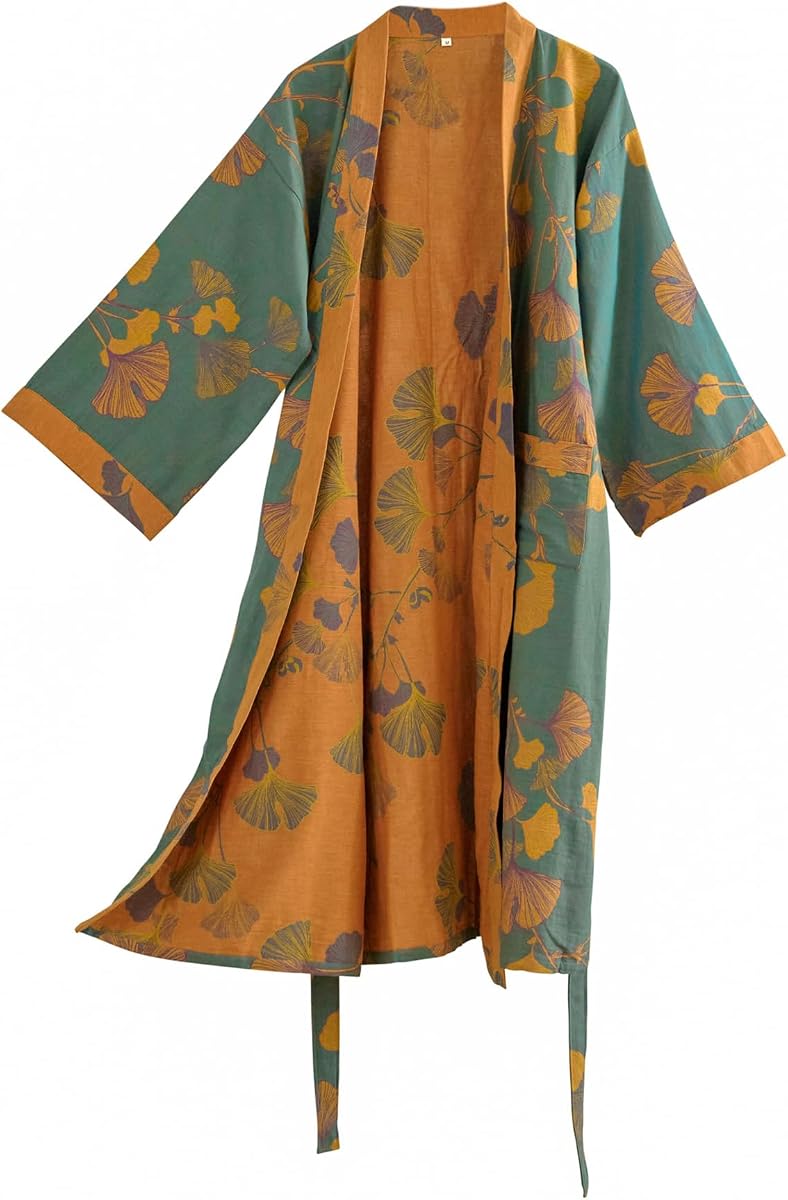
A luxurious, spa-weight robe made from 100% GOTS-certified organic cotton, produced under Fair Trade standards.

The ultimate paper-towel alternative, these OEKO-TEX certified cloths use just water to clean, removing 99% of bacteria and leaving a streak-free finish on all glass surfaces.

Exquisite hand-woven table linens designed in Brooklyn and artisan-made in Ethiopia. This Black-owned brand combines modern aesthetics with traditional Ethiopian weaving techniques.

Authentically hand-woven in Ghana, these baskets provide sustainable income for artisans while utilizing elephant grass—a renewable, natural resource. A versatile and nearly indestructible gift.

A premium selection of ethically sourced, regenerative organic dark chocolate bars that prioritize farmer equity and soil health over industrial shortcuts.
What Tru Earth is rated on
Tru Earth earns high marks for its zero-waste packaging (plastic-free, compostable cardboard), B Corporation certification, and clean ingredient profile (paraben-free, phosphate-free, hypoallergenic). It is certified cruelty-free and vegan, with a stated policy against animal testing. The brand is also recognized for its carbon offset programs. However, it is not USDA Organic certified, and its strips use polyvinyl alcohol (PVA), a synthetic polymer that is biodegradable but controversial among some environmental groups.
How the alternatives were picked
Each alternative listed here shares at least three of Tru Earth’s core ethical commitments: plastic-free or minimal packaging, no animal testing, and no parabens or phosphates. We prioritized brands with third-party certifications (B Corp, Leaping Bunny, Vegan Action, etc.) and verified ingredient transparency. Alternatives include both strip-based and non-strip formats to accommodate different laundry preferences. Brands from small, local producers to certified B Corps are included, with attention to price per load and shipping footprint.
What to check on the label
When evaluating any laundry detergent, look for these key factors: Certifications – B Corp, Leaping Bunny, or Vegan Logo ensure ethical practices. Plastic content – choose powders or strips in cardboard/recyclable packaging, or liquids in refillable containers. Ingredient disclosure – avoid optical brighteners, synthetic fragrances, and preservatives like methylisothiazolinone. PVA content – if using strips, check if the brand uses biodegradable PVA or alternatives like plant-based polymers. Concentration – ultra-concentrated formulas reduce shipping weight and carbon impact per load.
How to judge a suggested brand alternative
An alternatives page is a starting shortlist, not proof that one brand is universally better than another. The suggestions come from our catalogue: published products in a similar category with a recorded ethics score. They answer a narrow question — which products we list might fit the same need — and they cannot tell you which option performs best, suits your skin or diet, or matches your budget.
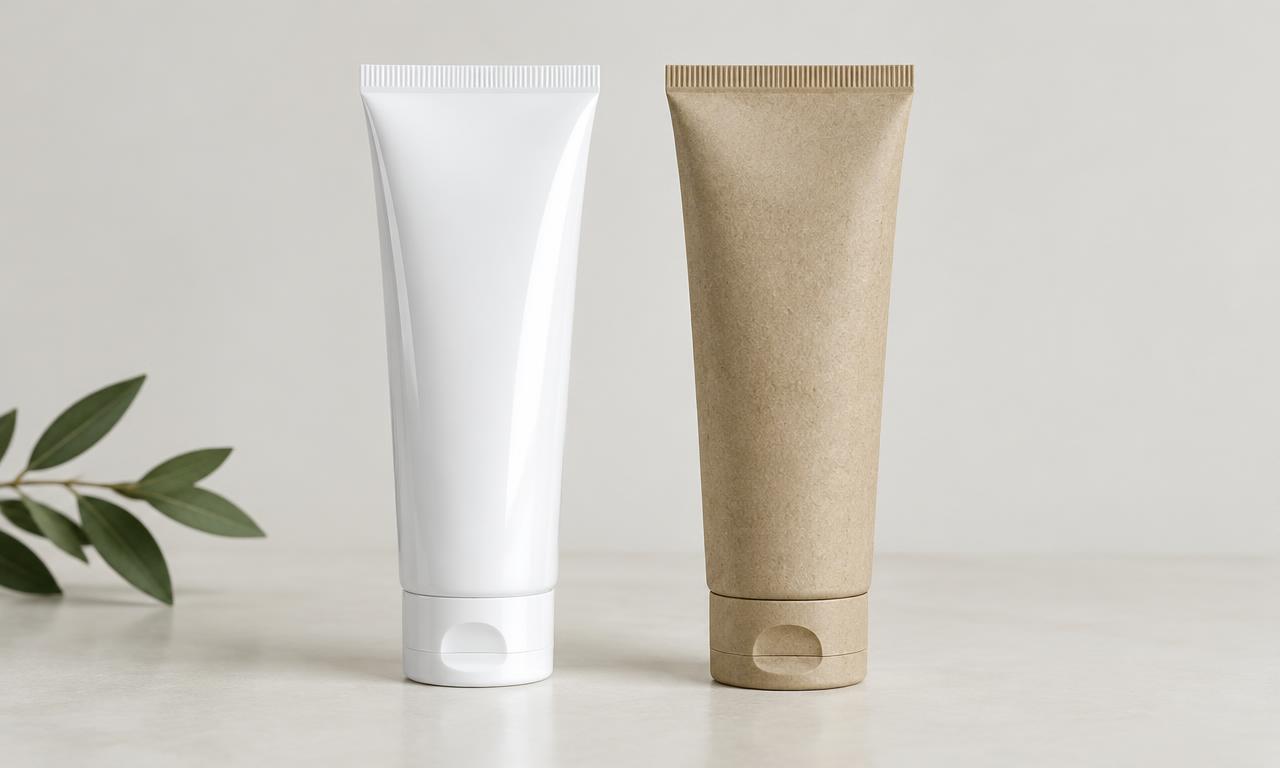
Match the job before the score
Start with what the original product does for you: format, size, scent, skin or dietary requirements and where you buy it. A higher-scoring alternative is not useful if it comes in a format you cannot use or is not sold where you shop. Check the alternative's full record — purpose, ingredients, price and seller — before treating it as a replacement.
Compare evidence, not impressions
Read certifications at their stated scope: a scheme may cover one range, one material or a named entity rather than a whole brand. An animal-free ingredient list and an animal-testing policy are separate questions, and a parent company's record is a third. Where a claim matters to you, confirm it in the scheme's own directory or the manufacturer's current statement rather than relying on a badge alone.
Keep the limits of the comparison visible
Catalogue scores are AI-assisted assessments with documented limitations, not laboratory measurements. A missing score is a data gap, not a failing grade. The original brand's presence here reflects what our records contain, which may omit reformulations, regional differences or newer certifications. For health, safety or recall concerns, use official sources rather than any score.
| Check | Where to confirm it | Avoid assuming |
|---|---|---|
| Does the alternative do the same job? | Its full product record and the maker's current description | A similar category means a like-for-like replacement |
| Is a claimed certification current? | The certification scheme's official directory | A badge covers the whole brand or group |
| Is it actually available to you? | The retailer's current listing, price and delivery | A catalogue price tier is a live quote |
Frequently asked about tru earth alternatives
Are there any certified B Corp alternatives to Tru Earth for laundry strips?+
Yes, brands like Blueland (laundry tablets in reusable tins) and Puracy (liquid in recyclable bottles) are certified B Corps. Grove Collaborative also offers strips and is a certified B Corp, though not all its strips carry that certification individually.
Do all alternatives to Tru Earth avoid animal testing?+
Many alternatives are Leaping Bunny or PETA-certified cruelty-free, but not all. Always look for a cruelty-free logo or statement on the label. Brands like Dropps, Molly’s Suds, and Seventh Generation are widely verified as cruelty-free.
Is PVA in Tru Earth strips a concern compared to other brands?+
PVA (polyvinyl alcohol) is biodegradable in wastewater treatment plants but may persist in the environment in cold water or septic systems. Some alternatives, such as Blueland’s tablets, avoid PVA entirely by using solid compressed powders. Read each brand’s ingredient list to make an informed choice.
Can I find alternatives that are cheaper per load than Tru Earth?+
Yes. Powder detergents like Meliora (sold in reusable tins) or Molly’s Suds (in paper bags) often cost less per load than strips. Bulk buying from brands like Tru Earth’s large boxes still offers savings, but powdered options typically have a lower per-load cost.