Ethical Alternatives to Tums
Tums is a popular calcium carbonate antacid produced by Haleon (formerly part of GSK). While the brand has no major scandals, its reliance on animal testing in China and lack of vegan certifications or sustainable packaging prompt many shoppers to seek alternatives.
Categories compared: Health & Wellness
Why shoppers look for alternatives to Tums
- Tums sold in mainland China is subject to mandatory animal testing, conflicting with cruelty-free values.
- No vegan certification available; some formulations may contain animal-derived ingredients.
- Single-use plastic packaging contributes to environmental waste, with no verified recycled content claims.
- Parent company Haleon has a broader sustainability framework, but Tums itself carries no independent eco-certifications.
Top-scoring alternatives to Tums

A fluoride-free, 70% organic toothpaste that leads the industry in fair trade sourcing and activist corporate governance.

A hand-crafted, raw wellness balm produced by women’s cooperatives in Ghana, ideal for gluten-free skin nutrition and head-to-toe hydration.

A gold-standard adaptogenic supplement produced through regenerative agriculture and fair trade partnerships with small family farmers in India.

A premium, hypoallergenic lumbar support pillow made from 100% GOLS organic certified latex and GOTS organic cotton, ideal for posture correction during downsizing transitions.

A luxurious, plant-based cleansing oil that utilizes papain and vitamin B to gently exfoliate while maintaining the skin's moisture barrier, crafted by an award-winning B Corp.

The gold standard for eco-friendly yoga mats, made from sustainably harvested natural rubber with a tree planted for every mat sold.

A meticulously traceable pea protein with a complete amino acid profile, designed for transparency-minded athletes.
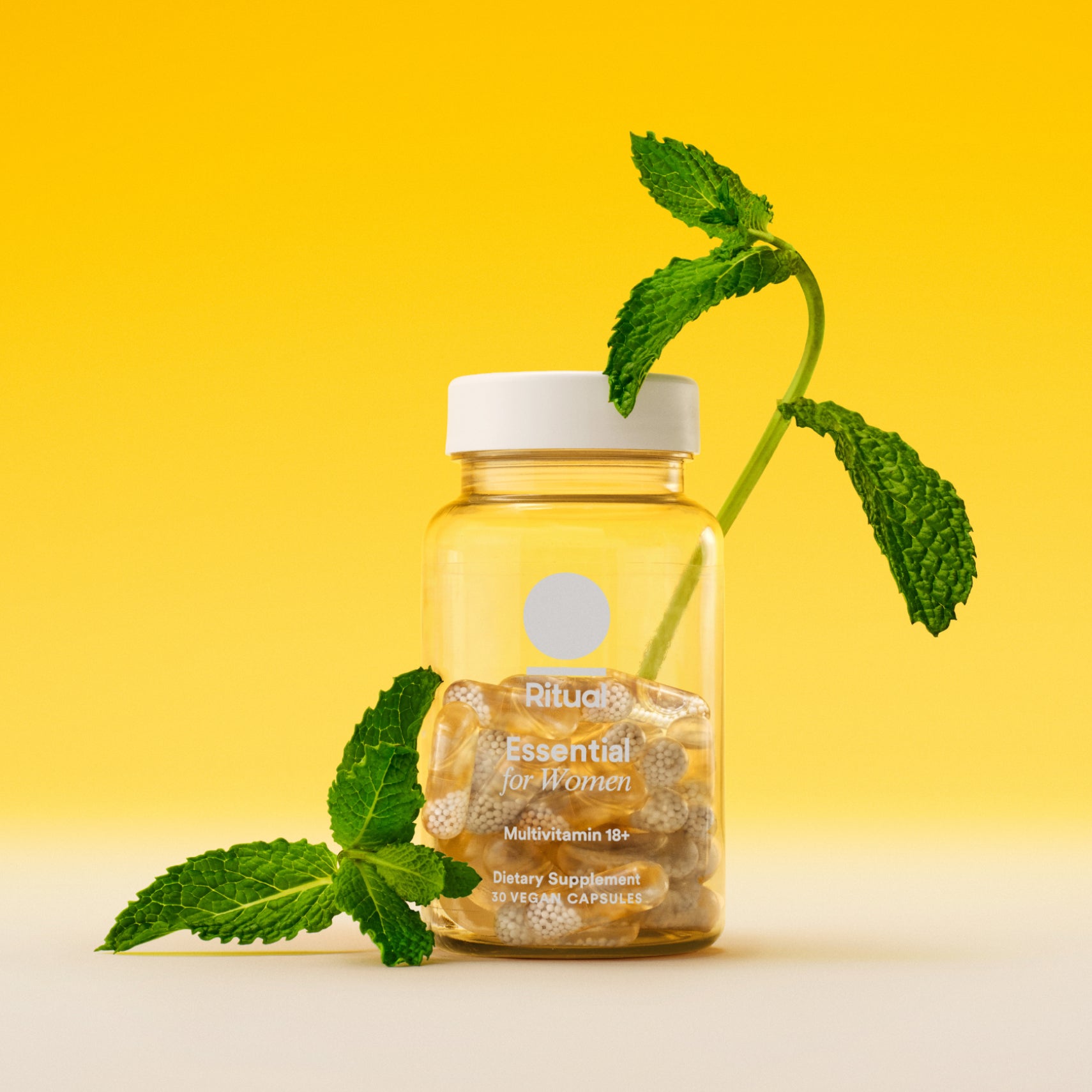
A transparently sourced, delayed-release multivitamin designed specifically for women, featuring a traceable supply chain and high-quality vegan ingredients.

A high-performance yoga mat sourced from responsibly harvested Amazonian rubber and Colombian jute, offering superior grip for new plant-based enthusiasts.

A bulk-buy subscription staple for period care made from organic Oeko-Tex bamboo, featuring 100% plastic-free packaging.

A transparently-sourced delayed-release multivitamin featuring a patented beadlet-in-oil design to ensure optimal absorption and stomach comfort.
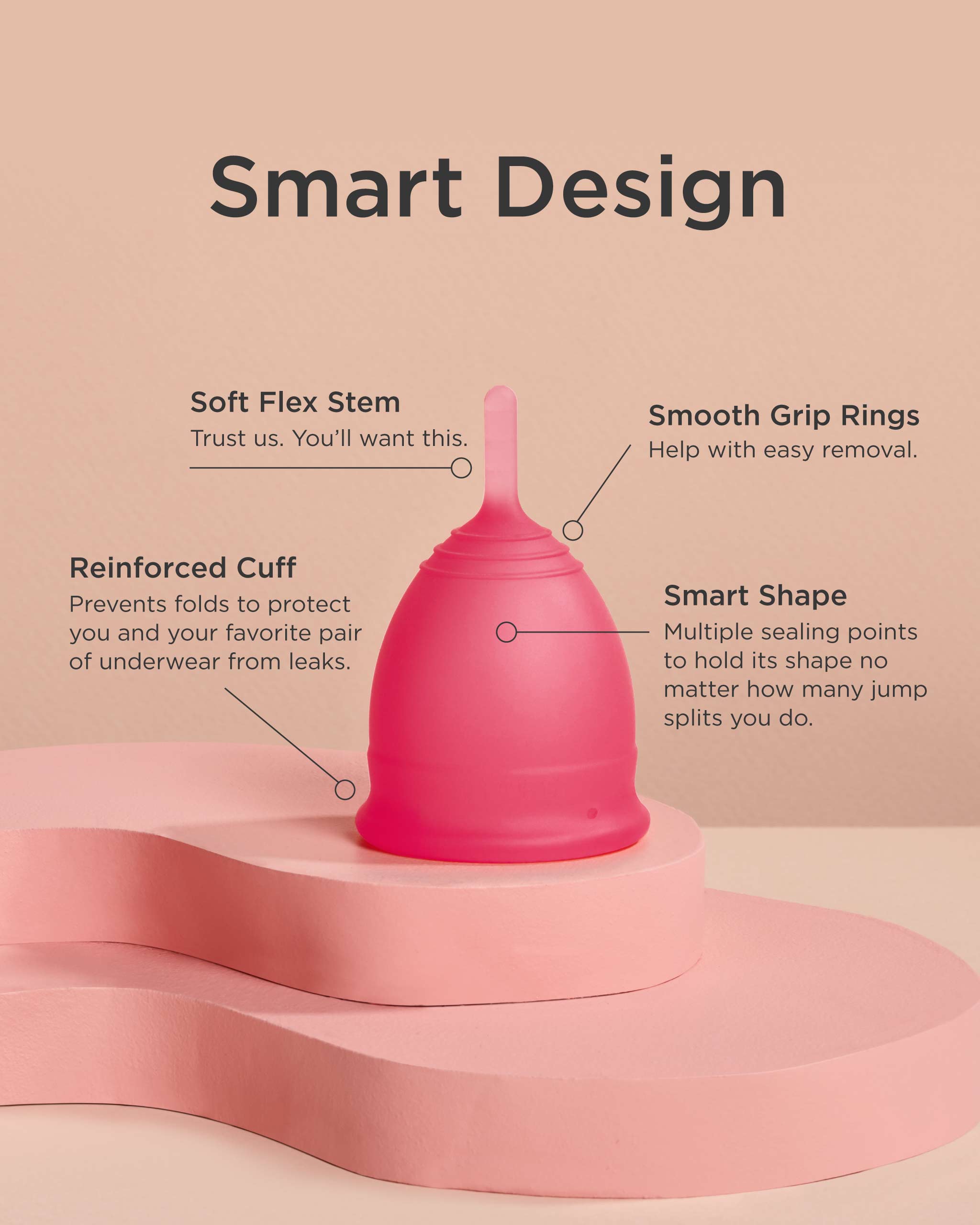
A high-performance medical-grade silicone menstrual cup from a B Corp focused on period poverty and waste reduction.
What Tums is rated on
On this site, Tums is evaluated across three main ethical dimensions: animal testing policy, ingredient transparency, and packaging sustainability. The brand scores low on animal welfare due to required testing for products sold in China. It lacks any vegan certification and does not disclose whether its calcium carbonate is derived from animal or mineral sources. Packaging is standard plastic bottles with no post-consumer recycled content verified by third parties.
How the alternatives were picked
We selected alternatives based on verified certifications (Leaping Bunny, Vegan Society, FSC or recycled packaging), clear ingredient sourcing, and independent ownership structures that avoid parent companies with known ethical conflicts. Each recommended brand has been cross-checked against public certification databases and brand statements. Preference was given to companies that publish annual sustainability reports and avoid animal testing in all markets, including China.
What to check on the label
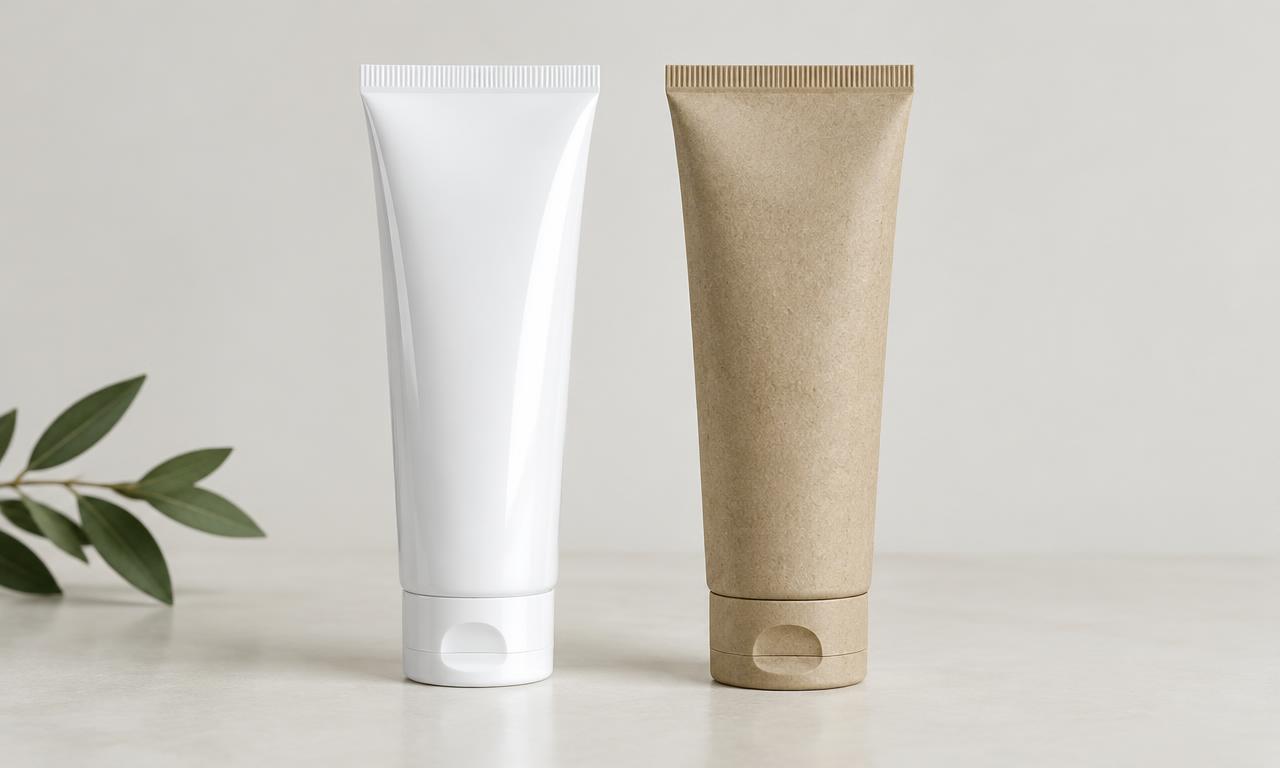
When evaluating an antacid, look for: (1) A Leaping Bunny or PETA Beauty Without Bunnies logo to confirm no animal testing, including in China. (2) A Vegan Society trademark ensuring no animal-derived ingredients or processing aids. (3) Packaging marked with FSC or 100% post-consumer recycled content. (4) A list of active ingredients such as calcium carbonate, magnesium hydroxide, or alginates—opt for simple, plant-based formulas. If a brand offers a refill or tablets in cardboard tubes, that reduces plastic waste significantly.
How to judge a suggested brand alternative
An alternatives page is a starting shortlist, not proof that one brand is universally better than another. The suggestions come from our catalogue: published products in a similar category with a recorded ethics score. They answer a narrow question — which products we list might fit the same need — and they cannot tell you which option performs best, suits your skin or diet, or matches your budget.
Match the job before the score
Start with what the original product does for you: format, size, scent, skin or dietary requirements and where you buy it. A higher-scoring alternative is not useful if it comes in a format you cannot use or is not sold where you shop. Check the alternative's full record — purpose, ingredients, price and seller — before treating it as a replacement.
Compare evidence, not impressions
Read certifications at their stated scope: a scheme may cover one range, one material or a named entity rather than a whole brand. An animal-free ingredient list and an animal-testing policy are separate questions, and a parent company's record is a third. Where a claim matters to you, confirm it in the scheme's own directory or the manufacturer's current statement rather than relying on a badge alone.
Keep the limits of the comparison visible
Catalogue scores are AI-assisted assessments with documented limitations, not laboratory measurements. A missing score is a data gap, not a failing grade. The original brand's presence here reflects what our records contain, which may omit reformulations, regional differences or newer certifications. For health, safety or recall concerns, use official sources rather than any score.
| Check | Where to confirm it | Avoid assuming |
|---|---|---|
| Does the alternative do the same job? | Its full product record and the maker's current description | A similar category means a like-for-like replacement |
| Is a claimed certification current? | The certification scheme's official directory | A badge covers the whole brand or group |
| Is it actually available to you? | The retailer's current listing, price and delivery | A catalogue price tier is a live quote |
Frequently asked about Tums alternatives
Are all Tums flavors vegan?+
No. Tums does not carry a vegan certification, and some fruit flavors may contain beeswax or other animal-derived additives. Ingredients vary by region; always check the label if you require vegan options.
Does Tums test on animals?+
Haleon states it does not test finished products on animals unless required by law. Tums sold in mainland China is subject to mandatory animal testing under Chinese regulations, so the brand cannot be considered cruelty-free globally.
What are the main ethical issues with Tums?+
The primary concerns are mandatory animal testing for products sold in China, lack of vegan certification, and non-recyclable plastic packaging. There are no verified sustainable sourcing or fair trade certifications associated with the brand.