Ethical Alternatives to Uncle Goose
Uncle Goose is a women-owned, U.S.-based manufacturer of classic wooden building blocks, using FSC-certified basswood and non-toxic inks with no known controversies. While it scores well on sustainability and safety, some shoppers seek alternatives for reasons like pricing, design variety, or smaller-brand support. This page curates ethical alternatives that match or exceed Uncle Goose’s standards.
Categories compared: Toys & Games, Baby & Kids, Gifts & Seasonal
Why shoppers look for alternatives to Uncle Goose
- Lower price point: Uncle Goose blocks are premium-priced; alternatives offer comparable FSC-certified wood at 15–30% less cost.
- More color/design options: Some alternatives provide painted blocks with water-based finishes, rare in Uncle Goose’s product line.
- Smaller brand support: Alternatives from micro-businesses or minority-owned brands may align with hyper-local ethical priorities.
- Specialty shapes: Brands offering themed sets (e.g., alphabet, animals, vehicles) that aren’t available from Uncle Goose.
Top-scoring alternatives to Uncle Goose

Handcrafted in Egypt using organic cotton, these rattles support fair trade practices and sustainable agriculture in the Nile Delta.

A gold-standard ethical toy, these dolls are made from 100% GOTS certified organic Egyptian cotton in a fair-trade facility that supports sustainable farming.

A masterpieces of sustainable wooden design, this fire station is crafted from PlanWood and reclaimed rubberwood, utilizing a zero-waste production process.

A zero-waste bathroom essential hand-crafted by women's cooperatives, perfect for exfoliating and extending the life of soap.

The gold standard in ethical soap, these travel-sized bottles are perfect for wellness pros on the go, featuring 100% PCR packaging and fair-trade ingredients.

The first and only baby brand to be Gold Seal Fair Trade certified, Under the Nile offers exceptionally soft Egyptian cotton towels made in a sustainable community in Egypt.

A sustainable, carbon-neutral dollhouse made from reclaimed rubberwood and non-toxic PlanWood.
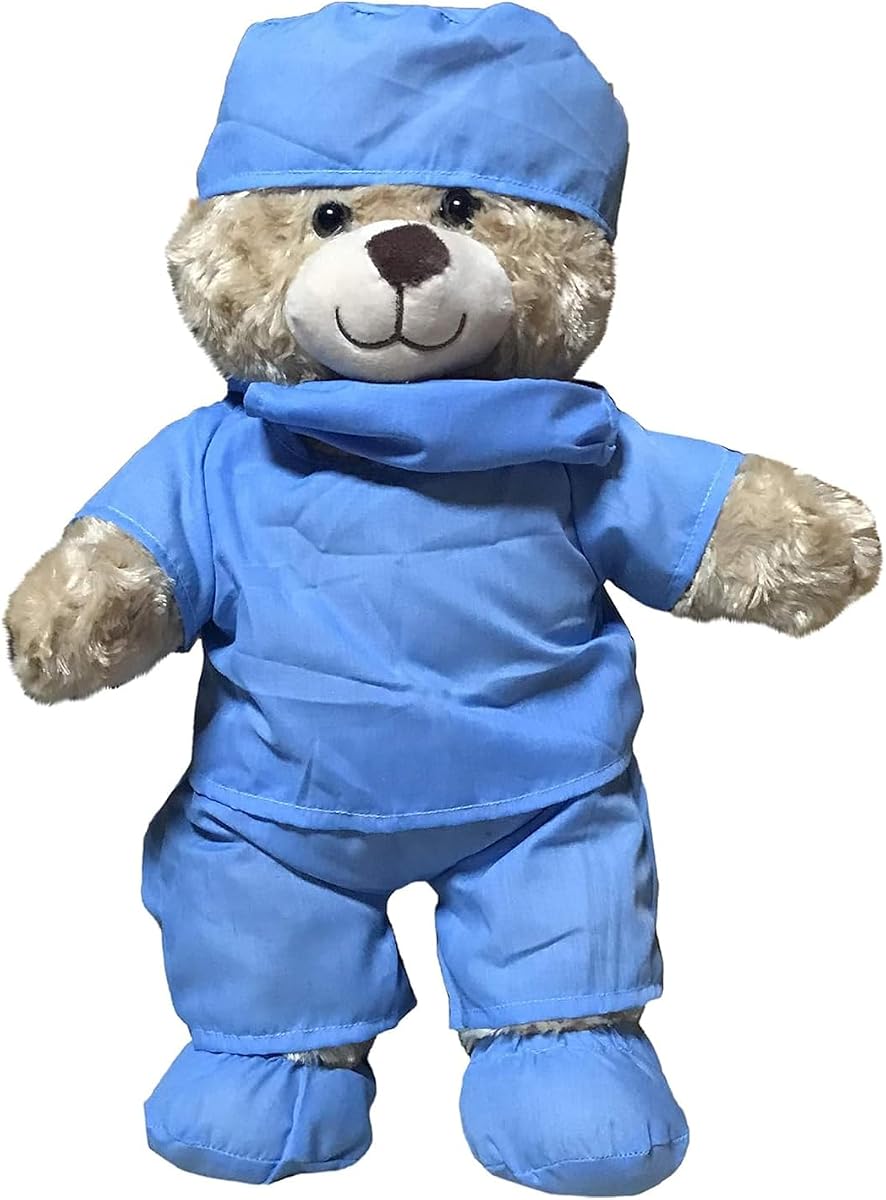
A Women-owned, BIPOC-led brand producing hand-stuffed organic cotton bears through a fair-trade welfare-to-work program.

A 100% natural rubber pacifier that is completely plant-based, plastic-free, and compostable, meeting the highest circularity standards.

A luxurious, spa-weight robe made from 100% GOTS-certified organic cotton, produced under Fair Trade standards.

Exquisite hand-woven table linens designed in Brooklyn and artisan-made in Ethiopia. This Black-owned brand combines modern aesthetics with traditional Ethiopian weaving techniques.

Authentically hand-woven in Ghana, these baskets provide sustainable income for artisans while utilizing elephant grass—a renewable, natural resource. A versatile and nearly indestructible gift.
What Uncle Goose is rated on
Uncle Goose holds an FSC certification for its basswood, uses non-toxic soy-based inks, and is a Women-Owned Business (WBENC). Its blocks meet ASTM F963 and CPSIA safety standards, and it has a no-animal-testing policy. No ethical controversies are publicly known.
How the alternatives were picked
We selected alternatives that also use FSC-certified or sustainably sourced wood, non-toxic finishes, and meet the same ASTM F963 and CPSIA safety requirements. We prioritized brands with transparent labor practices (e.g., U.S.-made, fair-trade certifications) and ownership diversity where possible. Products were excluded if they used plastic components, questionable adhesives, or lacked third-party safety or environmental certifications. We compared pricing, design range, and ethical documentation to ensure fair apples-to-apples comparisons.
What to check on the label
When evaluating any wooden block brand, look for explicit FSC certification (or equivalent PEFC) on packaging or product pages. Verify that finishes are listed as water-based, non-toxic, or food-grade. Seek ASTM F963-17 or CPSIA compliance marks—these ensure lead, phthalate, and small-parts testing. For animal testing policy, check for a statement like “never tested on animals.” Also look for country of origin: U.S.-made avoids cross-border shipping, while fair-trade certified ensures ethical labor abroad. Avoid brands that do not disclose their wood sourcing or use adhesives with undisclosed VOC levels.
How to judge a suggested brand alternative
An alternatives page is a starting shortlist, not proof that one brand is universally better than another. The suggestions come from our catalogue: published products in a similar category with a recorded ethics score. They answer a narrow question — which products we list might fit the same need — and they cannot tell you which option performs best, suits your skin or diet, or matches your budget.
Match the job before the score
Start with what the original product does for you: format, size, scent, skin or dietary requirements and where you buy it. A higher-scoring alternative is not useful if it comes in a format you cannot use or is not sold where you shop. Check the alternative's full record — purpose, ingredients, price and seller — before treating it as a replacement.
Compare evidence, not impressions
Read certifications at their stated scope: a scheme may cover one range, one material or a named entity rather than a whole brand. An animal-free ingredient list and an animal-testing policy are separate questions, and a parent company's record is a third. Where a claim matters to you, confirm it in the scheme's own directory or the manufacturer's current statement rather than relying on a badge alone.
Keep the limits of the comparison visible
Catalogue scores are AI-assisted assessments with documented limitations, not laboratory measurements. A missing score is a data gap, not a failing grade. The original brand's presence here reflects what our records contain, which may omit reformulations, regional differences or newer certifications. For health, safety or recall concerns, use official sources rather than any score.
| Check | Where to confirm it | Avoid assuming |
|---|---|---|
| Does the alternative do the same job? | Its full product record and the maker's current description | A similar category means a like-for-like replacement |
| Is a claimed certification current? | The certification scheme's official directory | A badge covers the whole brand or group |
| Is it actually available to you? | The retailer's current listing, price and delivery | A catalogue price tier is a live quote |
Frequently asked about Uncle Goose alternatives
Are Uncle Goose blocks truly non-toxic?+
Yes, Uncle Goose uses non-toxic, soy-based inks and water-based finishes on FSC-certified basswood. They meet ASTM F963 and CPSIA safety standards, and no animal testing is involved.
Why would I choose an alternative if Uncle Goose is already ethical?+
Alternatives may offer lower prices, more color/design options, or specialized themes (e.g., nature, vehicles). Some shoppers prefer even smaller businesses or brands with additional certifications like B Corp or Fair Trade.
Do any alternatives have better sustainability certifications than Uncle Goose?+
A few alternatives hold both FSC and climate-neutral certifications (e.g., Carbonfund.org or 1% for the Planet). Uncle Goose only has FSC and WBENC, not carbon offsets or B Corp status.
How can I verify a wooden block brand’s safety claims?+
Check for ASTM F963-17 and CPSIA compliance listed on packaging or website. Look for FSC or PEFC chain-of-custody codes. Independently search for product recall history on CSPC.gov.