Ethical Alternatives to Unilever
Unilever markets many brands with strong sustainability positioning, such as Dove, Seventh Generation, and Ben & Jerry's. However, it consistently ranks among the world's top branded plastic polluters and has faced criticism for weakening its own 'purpose' commitments. Our guide helps you find genuine ethical alternatives in beauty, food, and home cleaning.
Categories compared: Beauty & Personal Care, Food & Nutrition, Home & Cleaning
Why shoppers look for alternatives to Unilever
- Unilever is a top global plastic polluter, with over 70,000 tonnes of plastic packaging waste per year (Break Free From Plastic audits).
- It permits ingredient testing on animals where required by regulators and is not certified by Leaping Bunny.
- The company sells products in mainland China, where animal testing may be mandated, undermining animal welfare pledges.
- Unilever has been accused of diluting its sustainability targets, such as slowing progress on plastic reduction goals.
Top-scoring alternatives to Unilever

A gold-standard example of regenerative agriculture, these oats go beyond organic by actively restoring soil health and ensuring fair wages for farmers in a vertically integrated supply chain.

The gold standard for multi-purpose ethical cleaning, featuring organic oils and fair trade sourcing in a post-consumer recycled bottle.

The gold standard for multi-purpose ethical cleaning, this concentrated soap is built on fair trade principles and regenerative agriculture.

A zero-waste, plastic-free solid shampoo bar that replaces three plastic bottles, featuring fair-trade ingredients and a focus on water conservation.

The gold standard for ethical food production, this coconut oil uses regenerative organic practices and fair trade labor to set a benchmark for corporate responsibility.

A mass-market accessible body wash that funds community empowerment projects in Togo, West Africa, using fair-trade unrefined shea butter.
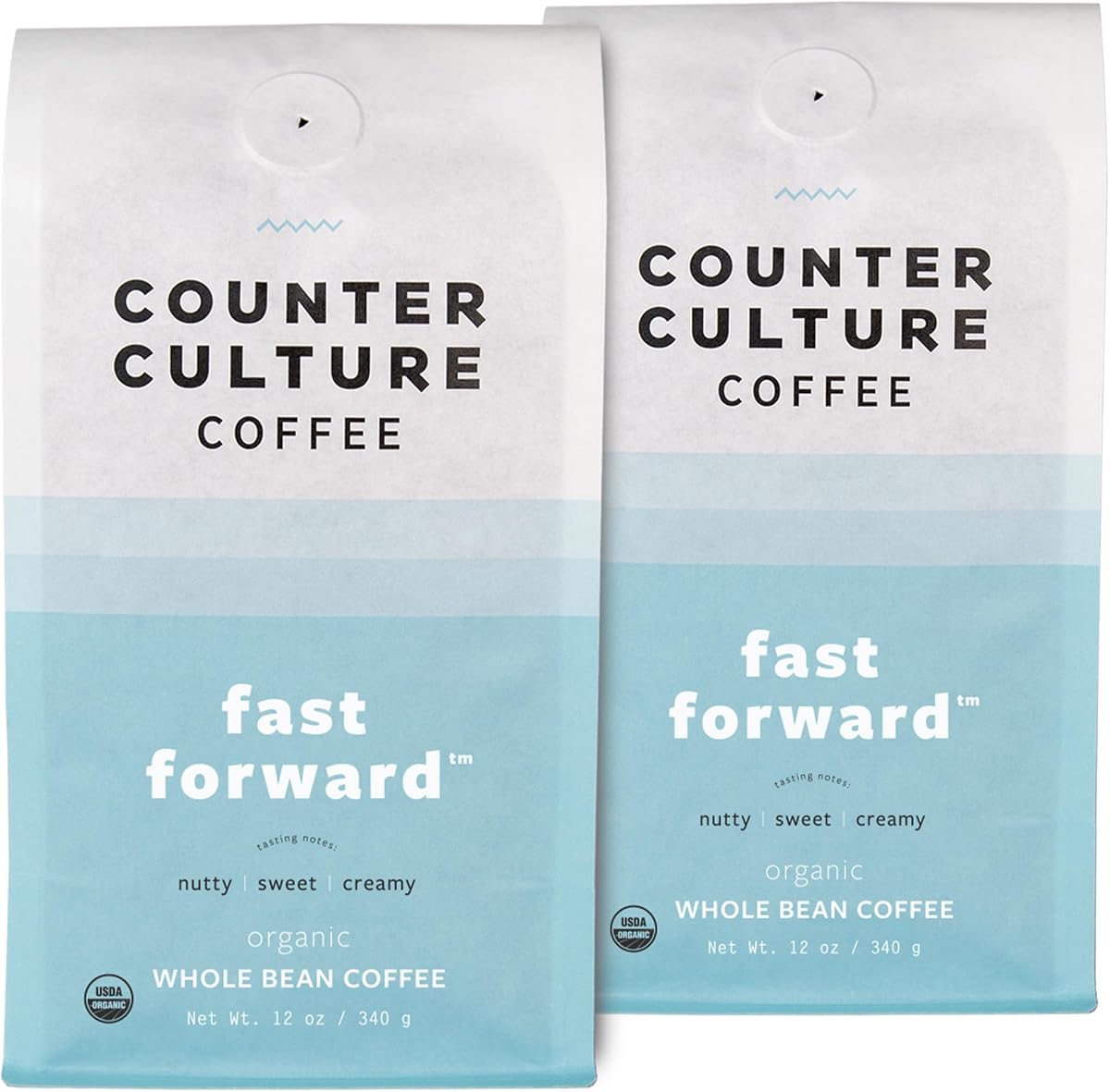
A 100% farmer-owned coffee cooperative that bypasses traditional middlemen to ensure maximum profits return to the growers.

A zero-waste, plastic-free body cleanser bar that replaces three bottles of liquid soap and uses regenerative fair-trade ingredients.

The gold standard of ethical cleaning; a multi-use, highly concentrated liquid soap made with organic oils and fair trade ingredients.
The ultimate multi-tasker for minimalist hosts; one bottle can wash hands, body, hair, and even dishes.

A zero-waste, plastic-free solution for hair and body, specifically curated for the minimalist traveler looking to bypass liquid restrictions.
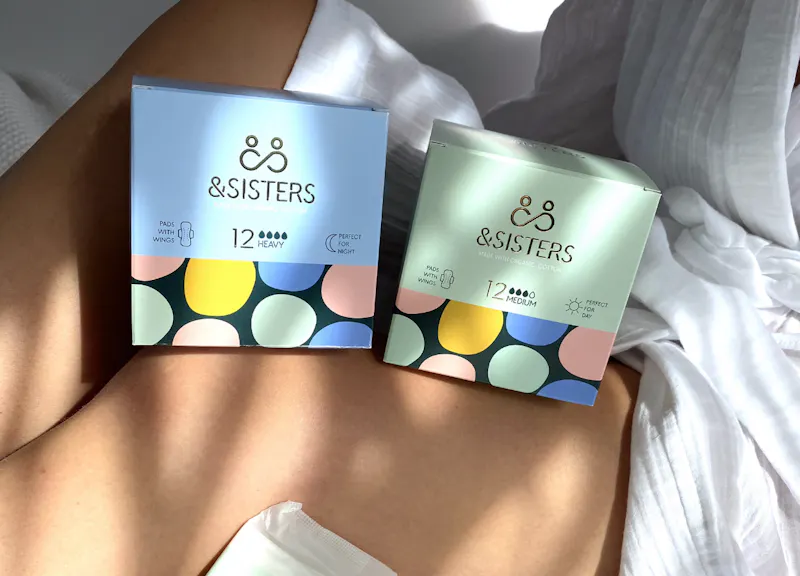
A UK-based, women-owned B Corp offering the highest ethical standard in menstrual care. This bulk 'Sisterhood' bundle features GOTS organic cotton tampons and pads with RSPO-segregated inputs, ensuring zero deforestation.
What Unilever is rated on
Unilever's ethical rating is mixed. Its subsidiaries Seventh Generation and Ben & Jerry's hold B Corp certification, and the company uses FSC-certified paper and RSPO-certified palm oil. However, its overall record is undercut by severe plastic pollution: it ranks in the top 3 global plastic polluters annually. Its animal testing policy—allowing ingredient testing where regulators require it—and its continued presence in China keep it off the Leaping Bunny list. Critics also note that the company has weakened its 'Unilever Compass' commitments on environmental and social goals.
How the alternatives were picked
We selected alternatives for the three categories where Unilever competes directly: Beauty & Personal Care, Food & Nutrition, and Home & Cleaning. Each recommendation meets at least three of these criteria: plastic reduction or plastic-free packaging, Leaping Bunny or PETA cruelty-free certification, B Corp or equivalent transparency certification, and a transparent supply chain. We prioritized brands that avoid animal testing and do not sell in China unless product formulas are fully non-animal tested.
What to check on the label
Look for a Leaping Bunny or PETA 'Beauty Without Bunnies' logo to confirm no animal testing at any stage. Check for 'plastic-free' or '100% recycled packaging' claims—but verify them on the brand's website. For palm oil, seek RSPO-certified or palm-oil-free labels. In home cleaning, avoid vague 'biodegradable' claims; look for third-party certifications like EPA Safer Choice or EU Ecolabel. In food, prioritize fair trade, organic, and minimal packaging.
Frequently asked about Unilever alternatives
Does Unilever test on animals?+
Unilever does not test finished products on animals, but it permits ingredient testing where required by regulators, such as in China. It is not certified by Leaping Bunny.
Is Seventh Generation still a good ethical choice?+
Seventh Generation is a B Corp and uses recycled packaging, but it is owned by Unilever, which as a parent company is a top plastic polluter. Some shoppers prefer independent brands like Ecover or Blueland for full alignment.
Why is Unilever criticized for plastic pollution?+
Unilever produces over 70,000 tonnes of plastic packaging annually and consistently ranks among the top three global branded plastic polluters according to Break Free From Plastic audits, largely from single-use sachets and bottles.
What are good direct alternatives to Dove and Ben & Jerry's?+
For body care, try Ethique (solid bars, zero plastic) or Dr. Bronner's (fair trade, B Corp). For ice cream, look to local organic brands or Ben & Jerry's (but note its parent company's record). In home cleaning, consider Ecover (plant-based, B Corp) or Blueland (plastic-free tablets).