Ethical Alternatives to Valrhona
Valrhona is a premium French chocolate maker known for its direct farmer partnerships and sustainability initiatives. However, as a privately held company, it discloses limited labor audit data and environmental metrics, prompting some shoppers to seek brands with fuller transparency.
Categories compared: Food & Nutrition, Kitchen & Dining, Gifts & Seasonal
Why shoppers look for alternatives to Valrhona
- Limited public transparency on labor audit results and supply chain worker conditions.
- Environmental metrics (e.g., carbon footprint, water usage) are not independently verified or publicly reported.
- Certifications like Fairtrade and Rainforest Alliance are present but not third-party audited for the entire product line.
- No publicly available animal testing policy beyond compliance with EU food safety rules.
Top-scoring alternatives to Valrhona

The gold standard for ethical food production, this coconut oil uses regenerative organic practices and fair trade labor to set a benchmark for corporate responsibility.

A zero-waste bathroom essential hand-crafted by women's cooperatives, perfect for exfoliating and extending the life of soap.

The gold standard in ethical soap, these travel-sized bottles are perfect for wellness pros on the go, featuring 100% PCR packaging and fair-trade ingredients.
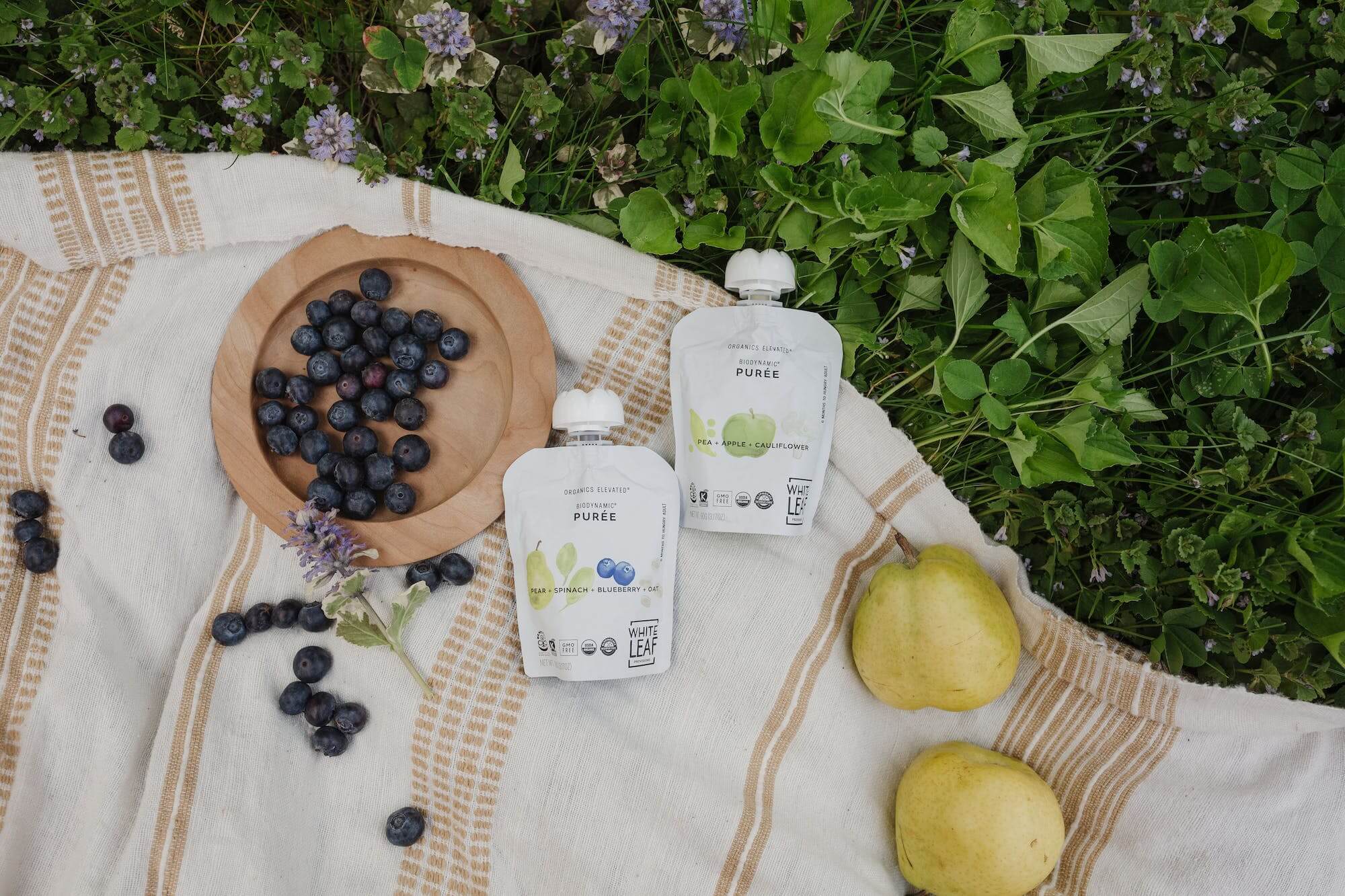
The gold standard in baby food, offering Demeter-certified biodynamic ingredients that exceed organic standards for soil health and purity.

A 100% plastic-free, carbon-neutral glass bottle made in Germany, featuring stunning artist-designed motifs and a swing-top closure.

A gold standard in ethical confectionery, combining fair-pay labor practices with regenerative cocoa farming that restores biodiversity in the Ivory Coast and Ghana.
A gold standard in ethical confectionery, using regenerative farming to combat climate change while ensuring living wages for cocoa farmers.

Exquisite, handcrafted serving utensils made by artisans in Kenya. Each set supports fair wages and preserves traditional woodworking techniques using sustainably harvested olive wood.

Exquisite heirloom Malagasy cocoa produced entirely at the source in Madagascar. This professional-grade bulk trunk supports direct-trade and lemur habitat conservation.

A nutrient-dense heirloom grain sourced through fully transparent supply chains that support regenerative farming practices in the Peruvian Andes.

Exquisite hand-woven table linens designed by a Brooklyn-based Ethiopian-American designer and crafted by artisans in Ethiopia using GOTS-certified organic cotton.

A high-quality, reusable alternative to disposable paper towels, handmade in Oregon from sustainable materials to drastically reduce household waste.
What Valrhona is rated on
Valrhona is rated on ethical sourcing via direct farmer partnerships, sustainability initiatives, and certifications including EU Organic (AB), Fairtrade, UTZ/Rainforest Alliance, and Non-GMO Project Verified. It does not test on animals and complies with EU food safety regulations. However, as a private company, it lacks third-party verified labor audits and detailed environmental reporting, making full supply chain transparency limited.
How the alternatives were picked
We selected alternatives based on three criteria: (1) public, third-party audited labor and environmental reports (e.g., B Corp certification, Fair Trade USA, or published sustainability metrics); (2) a full list of certifications on each product, including organic, fair trade, and non-GMO; (3) clear animal testing policy statements. All alternatives are available in similar premium chocolate categories (bars, baking, and confectionery).
What to check on the label
When choosing an ethical alternative, look for:
- Third-party certification logos – Fair Trade USA, Rainforest Alliance, or B Corp ensure independent audits.
- Ingredient sourcing details – ‘Direct trade’ or ‘single origin’ with a publicly named cooperative or farm.
- Packaging claims – ‘Carbon neutral’, ‘plastic-free’, or ‘compostable’ wrapper indicate environmental steps.
- Non-GMO Project Verified – If you prefer GMO-free ingredients.
- Fair labor statements – Look for a link to a public supplier code of conduct or annual transparency report.
How to judge a suggested brand alternative
An alternatives page is a starting shortlist, not proof that one brand is universally better than another. The suggestions come from our catalogue: published products in a similar category with a recorded ethics score. They answer a narrow question — which products we list might fit the same need — and they cannot tell you which option performs best, suits your skin or diet, or matches your budget.

Match the job before the score
Start with what the original product does for you: format, size, scent, skin or dietary requirements and where you buy it. A higher-scoring alternative is not useful if it comes in a format you cannot use or is not sold where you shop. Check the alternative's full record — purpose, ingredients, price and seller — before treating it as a replacement.
Compare evidence, not impressions
Read certifications at their stated scope: a scheme may cover one range, one material or a named entity rather than a whole brand. An animal-free ingredient list and an animal-testing policy are separate questions, and a parent company's record is a third. Where a claim matters to you, confirm it in the scheme's own directory or the manufacturer's current statement rather than relying on a badge alone.
Keep the limits of the comparison visible
Catalogue scores are AI-assisted assessments with documented limitations, not laboratory measurements. A missing score is a data gap, not a failing grade. The original brand's presence here reflects what our records contain, which may omit reformulations, regional differences or newer certifications. For health, safety or recall concerns, use official sources rather than any score.
| Check | Where to confirm it | Avoid assuming |
|---|---|---|
| Does the alternative do the same job? | Its full product record and the maker's current description | A similar category means a like-for-like replacement |
| Is a claimed certification current? | The certification scheme's official directory | A badge covers the whole brand or group |
| Is it actually available to you? | The retailer's current listing, price and delivery | A catalogue price tier is a live quote |
Frequently asked about Valrhona alternatives
Does Valrhona have Fairtrade certification?+
Yes, Valrhona carries Fairtrade certification on some products, but certification does not cover the entire product line. Check individual product packaging for the Fairtrade mark.
Is Valrhona organic?+
Valrhona is certified EU Organic (AB) for certain products. Not all Valrhona chocolates are organic, so verify on each bag or bar.
Are Valrhona’s environmental metrics publicly available?+
No. Valrhona does not publish third-party verified environmental metrics such as carbon footprint or water usage, which is a limitation for shoppers seeking full transparency.
What alternatives have better labor transparency?+
Brands like Alter Eco, Theo Chocolate, and Taza Chocolate publish annual reports with third-party audits, fair trade certifications, and direct farmer pricing data, offering greater labor transparency.