Ethical Alternatives to White Lily
White Lily, a historic Southern flour brand owned by The J.M. Smucker Company, lacks third-party ethical certifications such as Fair Trade, Non-GMO Project Verified, or USDA Organic. While its parent company has sustainability goals and a no-animal-testing policy for finished products (unless required by law), no major controversies are recorded. Shoppers seeking verified ethical or vegan-friendly flour may consider alternatives.
Categories compared: Food & Nutrition
Why shoppers look for alternatives to White Lily
- White Lily holds no third-party ethical certifications (e.g., organic, fair trade, non-GMO), making its claims hard to verify.
- The brand lacks explicit vegan labeling, which may concern shoppers avoiding animal-derived processing aids.
- Parent company J.M. Smucker has sustainability goals but no public commitment to full supply chain transparency for this product.
- No animal testing on finished products is a positive, but without independent audit, the policy’s scope is unclear.
Top-scoring alternatives to White Lily

The gold standard for ethical food production, this coconut oil uses regenerative organic practices and fair trade labor to set a benchmark for corporate responsibility.
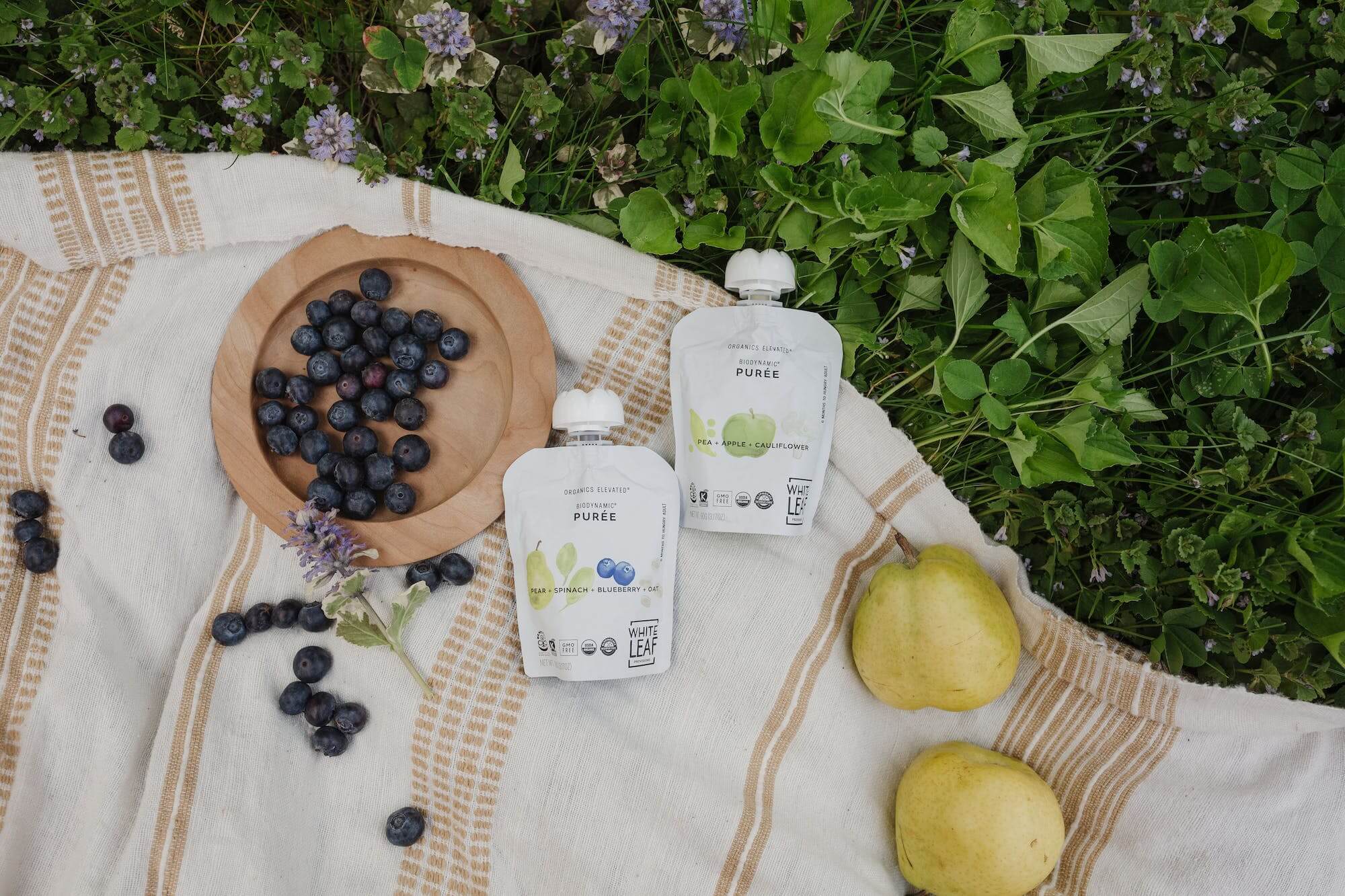
The gold standard in baby food, offering Demeter-certified biodynamic ingredients that exceed organic standards for soil health and purity.

A gold standard in ethical confectionery, combining fair-pay labor practices with regenerative cocoa farming that restores biodiversity in the Ivory Coast and Ghana.
A gold standard in ethical confectionery, using regenerative farming to combat climate change while ensuring living wages for cocoa farmers.

Exquisite heirloom Malagasy cocoa produced entirely at the source in Madagascar. This professional-grade bulk trunk supports direct-trade and lemur habitat conservation.

A nutrient-dense heirloom grain sourced through fully transparent supply chains that support regenerative farming practices in the Peruvian Andes.

A women-owned B Corp that prioritizes equitable purchasing and environmental stewardship through long-term farmer partnerships.

The gold standard in European baby food, Holle's Demeter-certified porridges offer chemical-free nutrition for infants. A top-rated staple for health-conscious parents in urban environments.

A carbon-negative, regenerative ghee sourced from indigenous Hallikar cows in India, perfect for high-heat off-grid cooking and long-term pantry storage.
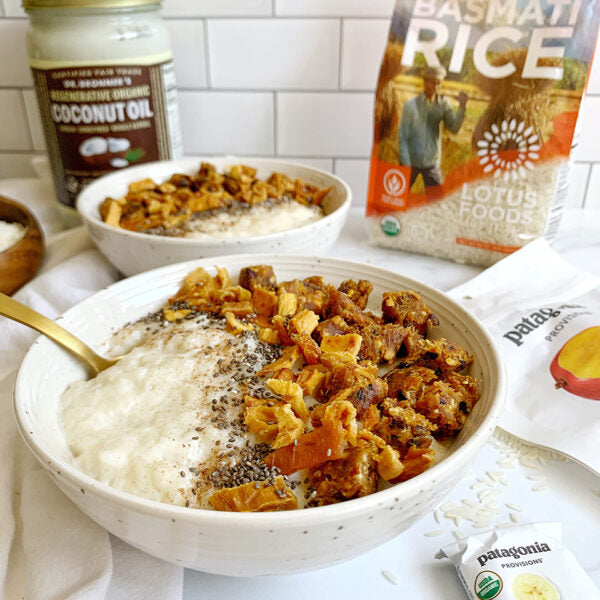
A pioneer in regenerative agriculture, Patagonia Provisions offers a snack that actively restores soil health while ensuring fair compensation for family farmers in Nicaragua.

A premium, traditionally churned A2 Ghee from the Bilona method, supporting regenerative farming and indigenous Indian cattle breeds.

A dairy-free, palm-oil-free alternative to mainstream hazelnut spreads, crafted in Italy with high-quality organic ingredients.
What White Lily is rated on
White Lily is evaluated on ethical sourcing, certifications, and transparency. As of our last check, it holds no third-party certifications (organic, non-GMO, fair trade, vegan). The J.M. Smucker Company states it does not test finished products on animals unless required by law. No major controversies are recorded, but the brand’s supply chain and ingredient sourcing lack independent verification. For shoppers who prioritize verifiable ethical standards, White Lily rates low on certification coverage.
How the alternatives were picked
We selected alternatives based on availability of at least one third-party certification (e.g., USDA Organic, Non-GMO Project Verified, Fair Trade), explicit vegan labeling, or parent company commitment to transparency. Brands with documented ethical policies or third-party audits were favored over those with only corporate sustainability goals. Alternatives cater to similar baking needs—all-purpose or pastry flours for Southern-style recipes.
What to check on the label
When switching from White Lily, look for:
- Certification logos: USDA Organic, Non-GMO Project, Fair Trade, or Kosher (if applicable).
- Vegan statement: Some flours may not be vegan due to enzyme treatments or processing aids; look for explicit “vegan” or “plant-based” labeling.
- Parent company policy: Check if the brand’s parent company has a published animal testing policy and sustainability report.
- Protein content: Southern pastry flours (like White Lily) have low protein (8-9%); alternatives may vary—adjust liquid ratios in recipes.
How to judge a suggested brand alternative
An alternatives page is a starting shortlist, not proof that one brand is universally better than another. The suggestions come from our catalogue: published products in a similar category with a recorded ethics score. They answer a narrow question — which products we list might fit the same need — and they cannot tell you which option performs best, suits your skin or diet, or matches your budget.

Match the job before the score
Start with what the original product does for you: format, size, scent, skin or dietary requirements and where you buy it. A higher-scoring alternative is not useful if it comes in a format you cannot use or is not sold where you shop. Check the alternative's full record — purpose, ingredients, price and seller — before treating it as a replacement.
Compare evidence, not impressions
Read certifications at their stated scope: a scheme may cover one range, one material or a named entity rather than a whole brand. An animal-free ingredient list and an animal-testing policy are separate questions, and a parent company's record is a third. Where a claim matters to you, confirm it in the scheme's own directory or the manufacturer's current statement rather than relying on a badge alone.
Keep the limits of the comparison visible
Catalogue scores are AI-assisted assessments with documented limitations, not laboratory measurements. A missing score is a data gap, not a failing grade. The original brand's presence here reflects what our records contain, which may omit reformulations, regional differences or newer certifications. For health, safety or recall concerns, use official sources rather than any score.
| Check | Where to confirm it | Avoid assuming |
|---|---|---|
| Does the alternative do the same job? | Its full product record and the maker's current description | A similar category means a like-for-like replacement |
| Is a claimed certification current? | The certification scheme's official directory | A badge covers the whole brand or group |
| Is it actually available to you? | The retailer's current listing, price and delivery | A catalogue price tier is a live quote |
Frequently asked about White Lily alternatives
Does White Lily have any ethical certifications?+
No. As of our last review, White Lily holds no third-party ethical certifications such as USDA Organic, Non-GMO Project Verified, or Fair Trade. J.M. Smucker’s sustainability goals are not independently audited for this specific product.
Is White Lily flour vegan?+
White Lily does not carry explicit vegan labeling. While most unbleached flour is plant-based, some processing aids (e.g., L-cysteine derived from animal sources) may be used. Without a vegan certification, we cannot confirm it is fully vegan.
Does J.M. Smucker test on animals?+
J.M. Smucker states it does not test finished products on animals unless required by law. However, the policy does not cover ingredient suppliers or third-party testing. No major animal testing controversies are recorded.
What are the best certified alternatives to White Lily for Southern baking?+
Bob’s Red Mill (offers organic and Non-GMO verified pastry flour) and Arrowhead Mills (organic all-purpose flour) are widely available and carry third-party certifications. Both are explicitly labeled vegan-friendly. Adjust protein content if needed for biscuits or cakes.