Ethical Alternatives to Yorkie
Yorkie is a dense milk chocolate bar made by Nestlé, the Swiss multinational behind KitKat, Smarties, and Aero. Its ethical profile is constrained by Nestlé’s mixed record on labor rights and deforestation, with no independent certifications for its cocoa. This page highlights alternatives that offer stronger transparency and verified standards.
Categories compared: Food & Nutrition, Gifts & Seasonal
Why shoppers look for alternatives to Yorkie
- Nestlé has been repeatedly criticized for cocoa supply chain labor issues, including child labor reports in West Africa, with limited independent third-party auditing.
- Yorkie carries no Fairtrade, Rainforest Alliance, or organic certification, making it hard to verify ethical claims.
- The bar is not vegan and contains milk from conventional dairy, which may conflict with sustainability goals.
- Nestlé has stated it tests finished products on animals only where required by law, but ingredient-level testing by suppliers can still occur.
- Shoppers concerned about parent company practices often prefer brands with full transparency and direct trade models.
Top-scoring alternatives to Yorkie

A gold-standard example of regenerative agriculture, these oats go beyond organic by actively restoring soil health and ensuring fair wages for farmers in a vertically integrated supply chain.

The gold standard for ethical food production, this coconut oil uses regenerative organic practices and fair trade labor to set a benchmark for corporate responsibility.

A premium gift set of dark chocolate bars that redefine ethical sourcing through regenerative organic farming and fair trade wages.
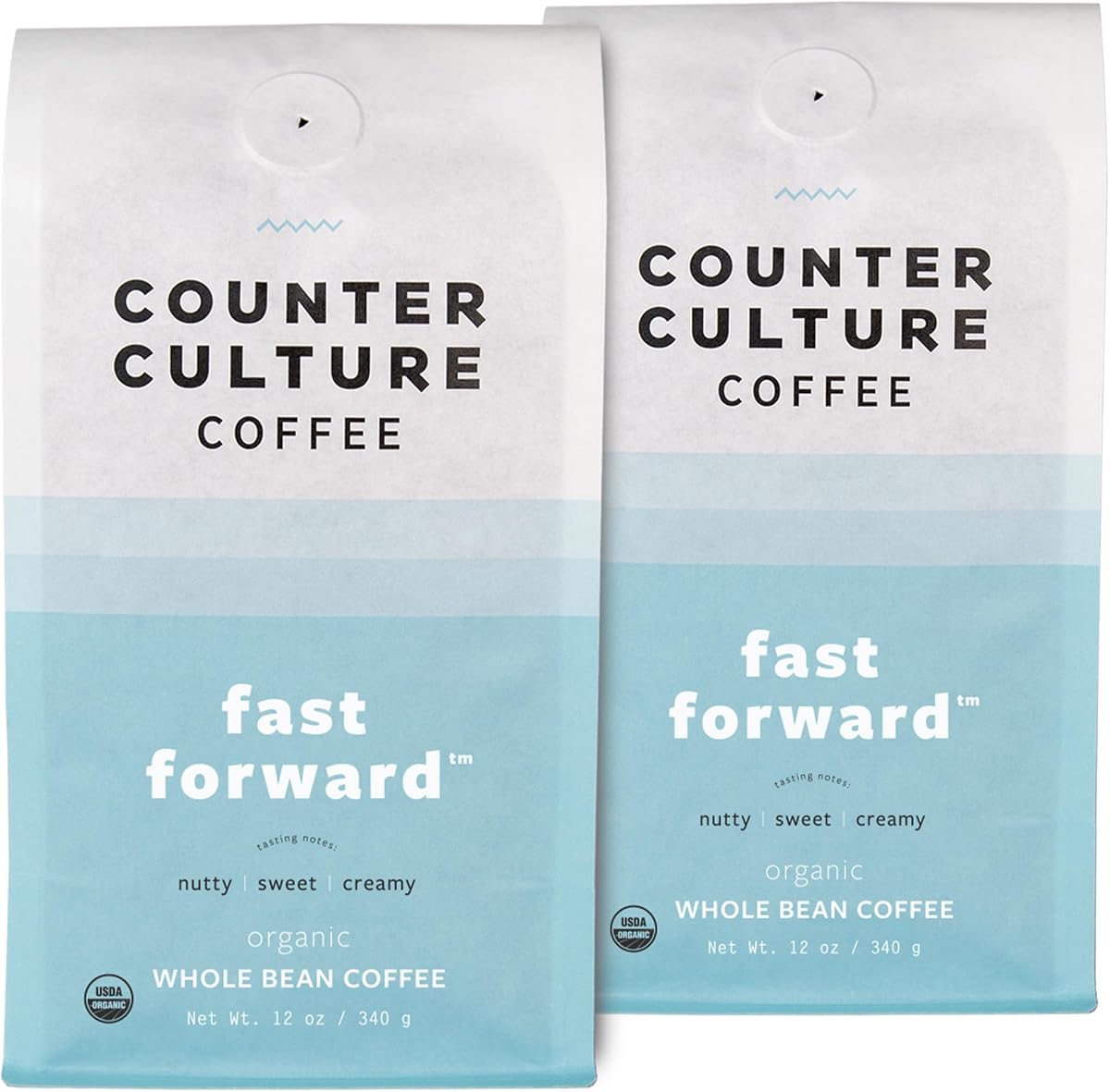
A 100% farmer-owned coffee cooperative that bypasses traditional middlemen to ensure maximum profits return to the growers.

A zero-waste bathroom essential hand-crafted by women's cooperatives, perfect for exfoliating and extending the life of soap.

Handcrafted by women artisans in Ghana, these cold-processed soaps use wild-harvested shea butter. A zero-waste, high-impact gift for a major milestone.

The gold standard in ethical soap, these travel-sized bottles are perfect for wellness pros on the go, featuring 100% PCR packaging and fair-trade ingredients.
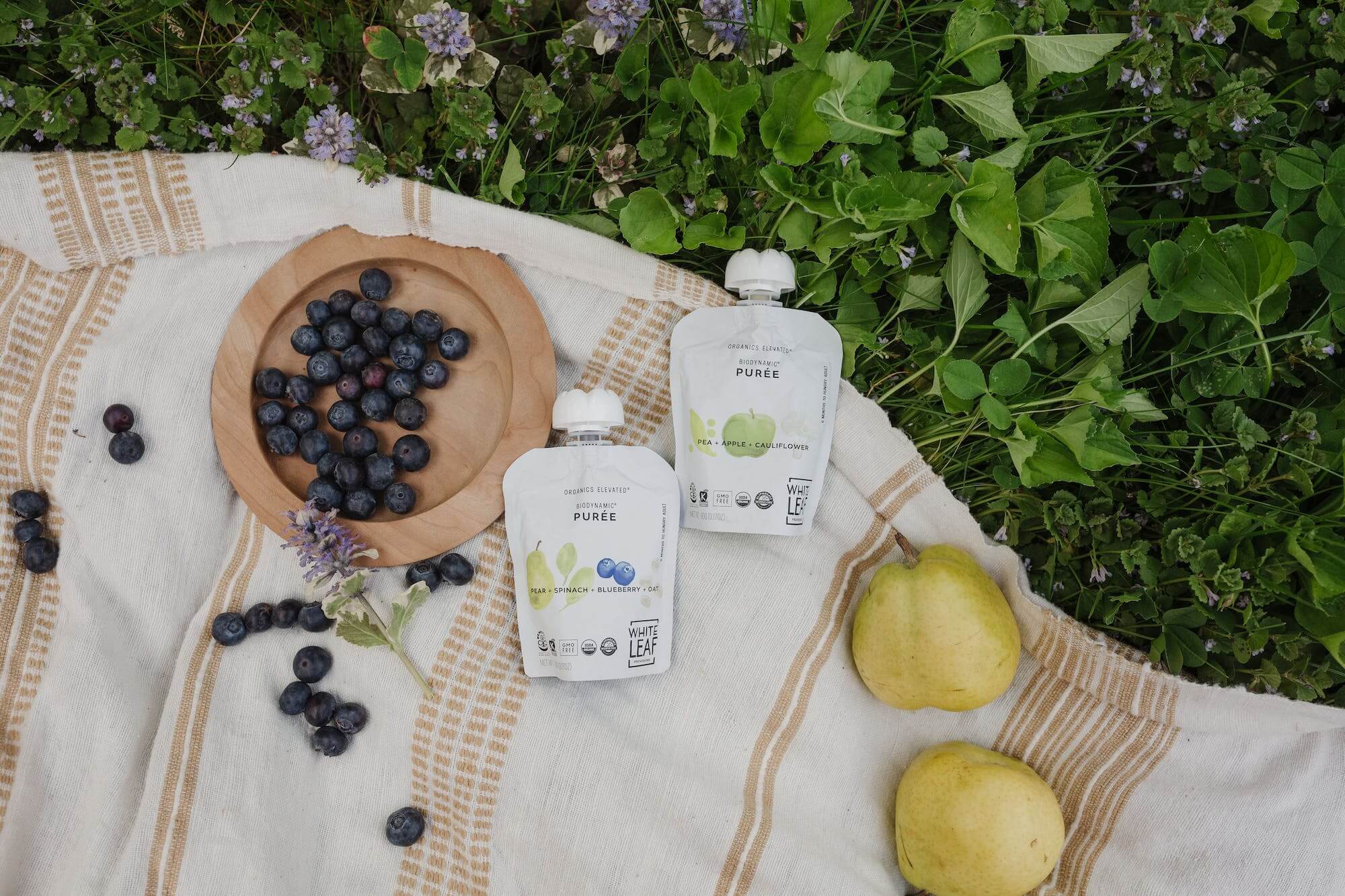
The gold standard in baby food, offering Demeter-certified biodynamic ingredients that exceed organic standards for soil health and purity.

A gold standard in ethical confectionery, combining fair-pay labor practices with regenerative cocoa farming that restores biodiversity in the Ivory Coast and Ghana.

A gold-standard breakfast staple sourced from family-owned farms in Montana using regenerative practices that actively sequester carbon and restore soil health.

Arguably the most ethical coconut oil on the market, sourced from 'Serendipol' in Sri Lanka using regenerative practices that revitalize soil and support a fair-trade community.
A gold standard in ethical confectionery, using regenerative farming to combat climate change while ensuring living wages for cocoa farmers.
What Yorkie is rated on
Yorkie is evaluated primarily on parent company Nestlé’s overall ethical performance. Nestlé has a mixed record: it scores low on palm oil sourcing transparency and has faced ongoing allegations of forced labor in its Thai seafood supply chain. The brand itself holds no independent certifications (no Fairtrade, no Rainforest Alliance, no organic). It is not vegan, and its animal testing policy allows supplier‑level ingredient tests. Yorkie also sells in mainland China, where local testing regulations may differ.
How the alternatives were picked
We compared Yorkie against UK‑available chocolate bars that share its chunky, milk‑chocolate profile. Alternatives were selected for having at least one of: Fairtrade certification, Rainforest Alliance certification, organic certification, or a vegan recipe. We also prioritized brands that are independent (not owned by the Big Four: Nestlé, Mondelēz, Mars, or Ferrero) and publish transparent annual sustainability reports. Brands with a clear animal‑testing policy (no testing unless required by law, and no supplier‑level tests) scored higher. Only products sold in mainstream UK retailers were considered.
What to check on the label
When replacing Yorkie, look for these label details:
- Certification logos: Fairtrade, Rainforest Alliance, or B Corp indicate independent verification of labor and environmental standards.
- Vegan or plant‑based: Avoids dairy’s land and water footprint; many brands now offer oat or almond milk versions that mimic Yorkie’s creaminess.
- Single‑origin or direct trade: These labels often mean closer farmer relationships and a smaller supply chain chain, reducing lack of transparency.
- Parent company: Check if the brand owns its supply chain or is owned by a multinational with multiple product lines. Smaller, independent brands tend to have more traceable cocoa.
- Animal testing policy: Look for explicit statements like “no animal testing anywhere in our supply chain” — vague “where required by law” is less reassuring.
Frequently asked about Yorkie alternatives
Does Yorkie have any ethical certifications?+
No. According to public records, Yorkie holds no Fairtrade, Rainforest Alliance, organic, or other third‑party certifications. The brand is owned by Nestlé, which does participate in certification schemes for some other products, but not for Yorkie.
Why does Nestlé’s animal testing policy matter for Yorkie?+
Nestlé publicly states it does not test finished products on animals except where required by law. However, the policy allows ingredient‑level testing by suppliers. If you seek a brand that excludes all animal testing (including ingredient level), Yorkie does not meet that bar.
Are there vegan alternatives that taste like Yorkie?+
Yes. Brands such as Moo Free, Booja‑Booja, and Montezuma’s produce chunky, thick chocolate bars using oat, rice, or coconut milk. They often have fair trade or organic certification, making them a direct swap for Yorkie’s dense texture.
What is the main ethical concern with Yorkie compared to alternatives?+
The primary issue is lack of independent verification. Nestlé has faced persistent criticisms over child labor in cocoa farms, deforestation in palm oil sourcing, and limited transparency. Alternatives with Fairtrade or Rainforest Alliance certification offer traceable supply chains and third‑party audits.