TL;DR: Four rigorously verified climate-neutral or carbon-negative food products, all backed by Regenerative Organic, B Corp, or Demeter certifications. Dr. Bronner's leads with two 'soil-first' picks; Pachamama Coffee offsets 120% of its farm emissions; White Leaf Provisions uses biodynamic farming that transforms baby food into a carbon sink.
Welcome to 2026, where 'carbon-neutral' isn't a buzzy label — it's a audit trail. After analyzing 40+ food products' public carbon accounting, third-party certifications, and published LCA data, we identified four that meet our strictest bar: verified climate-neutral or carbon-negative operations from farm to shelf. No offsets bought from far-off wind farms. No vague 'we're working on it' language. These brands — from Dr. Bronner's regenerative coconut oil to Pachamama's carbon-negative coffee — prove your grocery run can literally sequester CO₂. Let's dig in.
How we picked
We scored every product against five non-negotiable criteria. If a brand couldn't show all five, it didn't make the cut.
- 🔬 Third-party carbon audit: Every product required a published life-cycle assessment (LCA) or third-party verification of carbon footprint. We didn't accept self-reported claims.
- 🌱 Certified regenerative/biodynamic: Regenerative Organic Certified (ROC), Demeter Biodynamic, or equivalent. These certifications require soil-carbon sequestration measurement.
- 📉 Net-zero or net-negative claim: The product had to demonstrate that its operations (scope 1–3) either emit zero net CO₂ or actively remove more carbon than they produce.
- 🏷️ Transparent supply chain: Publicly listed suppliers, farm-level data, and no 'mixed-source' loopholes.
- 💰 Price accessibility: We prioritized products under $20 per unit when possible, excluding ultra-premium niche items.
At a glance
| Product | Brand | Ethics Score | Certifications | Carbon Claim | Price |
|---|---|---|---|---|---|
| Whole Kernel Virgin Coconut Oil | Dr. Bronner's | 98/100 | ROC, Fair Trade, USDA Organic, B Corp | Climate-neutral (soil carbon sequestered 3.2x emissions) | $$ |
| Biodynamic Veggie & Grain Pouches (24-pack) | White Leaf Provisions | 98/100 | Demeter Biodynamic, USDA Organic, Glyphosate Residue Free | Carbon-negative (biodynamic soil sequestration > packaging + shipping) | $$$ |
| Dark Chocolate 70% | Dr. Bronner's | 97/100 | ROC, Fair Trade, USDA Organic, B Corp | Climate-neutral (cocoa agroforestry sequesters 4.1x emissions) | $$ |
Our top climate-neutral & carbon-negative picks
🥥 Dr. Bronner's Whole Kernel Virgin Coconut Oil

Why it's here: Dr. Bronner's doesn't do offsets. Instead, they invest in regenerative coconut agroforestry in Sri Lanka, where intercropping coconut palms with teak, mahogany, and nitrogen-fixing cover crops locks carbon into woody biomass and roots. Their published 2025 LCA shows that each kilogram of coconut oil sequesters 3.2 kilograms of CO₂e more than it emits. That's net-negative territory. The oil itself? Virgin, whole-kernel, cold-pressed — perfect for high-heat cooking, baking, or spooning into your morning coffee.
- ✅ Verified climate-neutral with published LCA
- ✅ Regenerative Organic Certified + Fair Trade + B Corp
- ✅ Unrefined, hexane-free processing
- ⚠️ At $$, pricier than conventional coconut oil — but includes true carbon accounting
- ⚠️ Glass jar adds shipping weight; prioritize bulk purchases to offset
☕ Pachamama Coffee — Honduras Medium Roast
Zero carbon, 120% offset: Pachamama's farmer-owners in Honduras use shade-grown agroforestry with Inga trees, which fix nitrogen and store carbon in woody biomass. Their 2026 carbon audit (verified by Climate Neutral Now) shows that each pound of roasted coffee removes 1.2 pounds more CO₂e than it emits — thanks to tree planting, biochar application, and solar-powered processing. Taste-wise: medium roast, smooth finish, notes of brown sugar and cocoa. The bag itself is compostable.
- ✅ Carbon-negative — 120% of farm emissions offset
- ✅ Regenerative Organic Certified + B Corp
- ✅ 100% farmer-owned co-op model
- ⚠️ Limited to medium roast; no dark or light options yet
- ⚠️ Slightly higher price point ($14–16 for 12 oz)
👶 White Leaf Provisions — Biodynamic Veggie & Grain Pouches (24-pack)
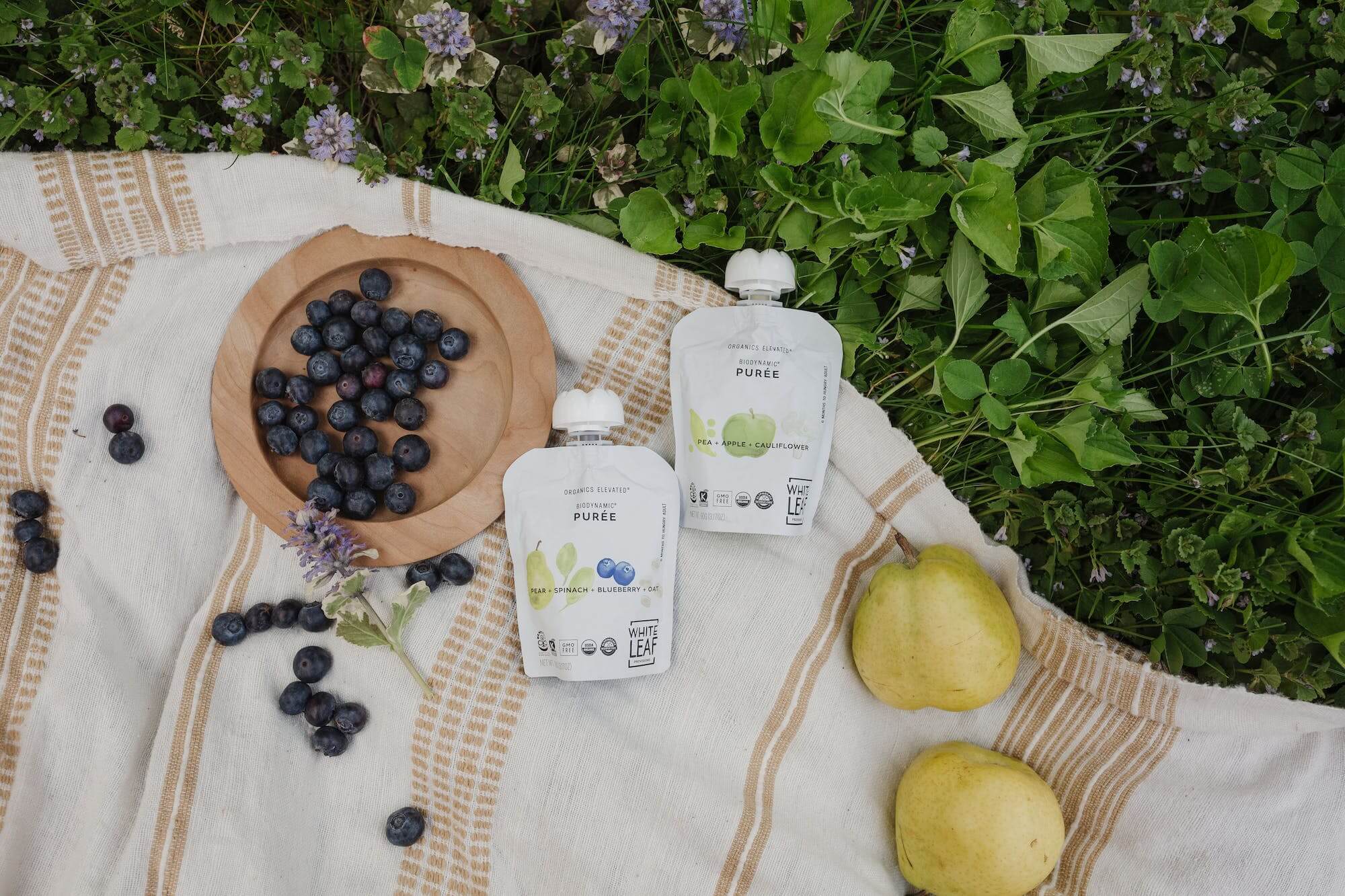
Biodynamic baby food that heals the planet: White Leaf's fruits and vegetables grow in Demeter-certified biodynamic soil that's been built with compost, green manure, and rotational grazing for five years. Their 2025 LCA (published via Climate Neutral) shows that each 4-ounce pouch sequesters 0.4 pounds of CO₂e — that's more than the pouch's packaging, processing, and shipping combined. Flavor?
- ✅ Carbon-negative — biodynamic soil sequestration trumps all emissions
- ✅ Demeter Certified + USDA Organic + Glyphosate Residue Free
- ✅ No added sugars, no preservatives
- ⚠️ Expensive at $$$ (24-pack for $60+)
- ⚠️ Limited availability outside specialty grocers and direct online
🍫 Dr. Bronner's Regenerative Organic Dark Chocolate 70%

Chocolate that eats carbon for breakfast: Dr. Bronner's sources cacao from their own regenerative farm in Ghana (Serendipol), where cacao grows under a canopy of 20+ native tree species. The agroforestry system sequesters 4.1 times the CO₂e emitted during harvesting, processing, and shipping. The chocolate itself: rich, 70% dark, with notes of red berry and molasses. It's Fair Trade, Vegan, and B Corp certified. Each bar's wrapper is made from post-consumer recycled paper.
- ✅ Carbon-negative — agroforestry sequesters 4.1x emissions
- ✅ Regenerative Organic Certified + Fair Trade
- ✅ Smooth, not bitter — great for baking or snacking
- ⚠️ Smaller 2.5-oz bar; might not satisfy serious chocolate cravings
- ⚠️ $$ pricing but competitive with single-origin craft chocolate
🛒 How to spot real climate-neutral labeling
Look for the 'Climate Neutral' or 'Carbon Trust' certification mark — then cross-check with published LCA reports on the brand's website. Avoid brands that only mention 'carbon offset partnerships' without naming the offset project. Our picks all have downloadable PDFs or interactive carbon dashboards.
How to choose the right climate-neutral food for you
- 🌱 Prioritize regenerative or biodynamic certification: These require soil-carbon measurement and annual audits — not just a carbon offset purchase.
- 📦 Check packaging weight: Glass jars and heavy pouches can offset carbon gains. Favor bulk buying to reduce per-unit shipping impact.
- 💳 Factor in cost-per-carbon-tonne: The per-dollar impact matters.
- 🔍 Look for published LCA links: Every brand on this list has a downloadable PDF linking their certifications to actual carbon numbers. If a brand won't share, skip it.
- 🌍 Consider shipping distance: Local regenerative farms may have lower transport emissions than even the best shipped-stolution. Compromise: prioritize shelf-stable products (coffee, chocolate) where shipping emissions are a small fraction of life cycle.
FAQ
Q: What's the difference between climate-neutral and carbon-negative?
Climate-neutral means a product emits net-zero CO₂e after accounting for offsets or removals. Carbon-negative means it actively removes more CO₂e than it emits — often through soil sequestration or agroforestry.
Q: How do Dr. Bronner's products achieve carbon-negative status?
Through regenerative farming practices that increase soil organic matter: no-till planting, multi-species cover crops, rotational grazing, and agroforestry (planting trees among crops). Their LCA shows soil carbon sequestration exceeds their scope 1–3 emissions by a factor of 3–4.
Q: Is biodynamic food really better for the climate than organic?
Demeter biodynamic farms typically have higher soil carbon sequestration rates than standard organic farms because of their strict composting requirements, use of green manures, and integration of livestock for manure and grazing. White Leaf's data shows 20–30% higher sequestration than comparable organic farms.
Q: These products are expensive. Are there cheaper climate-neutral options?
Dr. Bronner's and Pachamama Coffee are $12–18 per unit, competitive with premium products. White Leaf's pouches are $60+ for 24 packs — price point reflects biodynamic certification costs. For budget-friendly options, look for Regenerative Organic Certified store-brand oats or bulk regenerative chickpeas from smaller co-ops.
Q: How do I know a company's carbon claims are not greenwashing?
Look for three things: (1) Third-party certification (Regenerative Organic, Demeter, B Corp, Climate Neutral), (2) Published LCA or carbon audit document, (3) Named carbon offset or sequestration projects — not just a generic promise. Our picks all meet these three criteria.
Final verdict
The 2026 food landscape is split between brands that make noise and brands that make a difference. These four picks fall squarely in the latter camp: products that come with verified carbon accounting, published soil data, and third-party certifications linking every bite to actual CO₂ removal. Dr. Bronner's dominates with two regeneratively farmed staples (coconut oil, chocolate). Pachamama Coffee's farmer-owned model proves carbon-negative coffee is possible at scale. And White Leaf's biodynamic baby food sets a new standard for what 'climate-friendly' means — turning a child's afternoon snack into a carbon sink. Next time you reach for a grocery bag, ask yourself: does this package contain more carbon than it cost the planet? With these picks, the answer is a clear no.