
What You’ll Need
- ✅ A menstrual cup (silicone, TPE, or medical-grade rubber)
- ✅ Water-based lubricant (optional, for easier insertion)
- ✅ Warm water and mild soap (or a cup-specific cleanser)
- ✅ A clean towel or cloth
- ✅ Period panties — e.g. Lunette Organic Cotton Period Panties 3-Pack – Heavy & Overnight Flow (GOTS, OEKO-TEX, Fair Trade) — as a backup or alternative

Step 1: Choose the Right Size
Manufacturers usually offer two sizes — small and large — based on flow, age, and whether you have given birth vaginally. Ignore body weight or height; they are not reliable indicators.
| Factor | Small (typically ~25 ml capacity) | Large (~30–35 ml capacity) |
|---|---|---|
| Age < 30 | Light to medium flow | Heavy flow |
| Age ≥ 30 | Light to medium flow; or if you have strong pelvic floor muscles | Heavy flow; or if you have given birth vaginally |
| Vaginal childbirth | Not recommended unless flow is very light | Recommended |
| Cervix height (during period) | Low or average cervix | High cervix (if the cup needs to sit higher) |
Tip: If you are between sizes, choose the larger one — it is safer, holds more, and still compresses during insertion.
Step 2: Insert the Cup
- Wash hands with soap and water.
- Fold the cup in half (C-fold or punch-down fold — both work). Keep the rim facing up.
- Relax your pelvic floor muscles (do not bear down).
- Guide the folded cup into the vaginal opening, angling it toward your lower back (the curve of your spine), not straight up.
- Release the fold once the cup is fully inside. Rotate it gently if needed to form a seal.
- Check the seal — run a finger around the cup’s rim. If you feel a slight suction, it’s sealed. If not, pinch the base and rotate.
Tip for first-timers
Use a drop of water-based lubricant on the rim. Avoid silicone-based lubes — they can degrade silicone cups over time. If you still feel the cup, it is probably not high enough; push it a little further.
Step 3: Remove the Cup
- Wash hands before removal.
- Relax (do not strain). Bear down as if having a bowel movement to bring the cup lower.
- Pinch the base with your thumb and forefinger to break the suction — never pull on the stem alone.
- Gently rock the cup side to side while pulling downward.
- Empty contents into a toilet or sink, rinse with cold water (to prevent stains), then wash with warm water and mild soap.
Common removal mistake
Pulling the cup by the stem without breaking the seal can cause discomfort or vacuum lock. Always pinch the base first. If the cup feels stuck, take a deep breath and relax for a minute — tension in the pelvic floor creates a tighter seal.
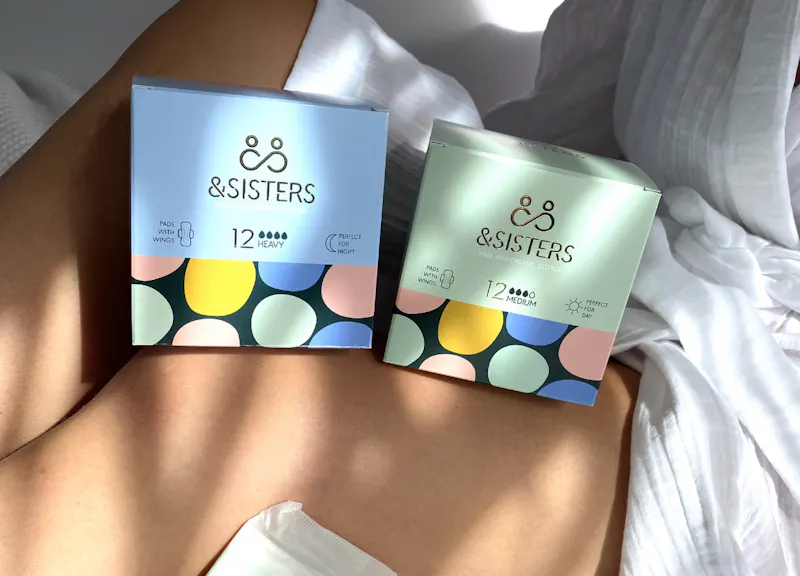
Step 4: Compare Cups vs. Discs vs. Period Pants
| Feature | Menstrual Cup | Menstrual Disc | Period Panties |
|---|---|---|---|
| Capacity | ~25–35 ml | ~30–60 ml (larger) | ~2–4 tampons worth |
| Wear time | Up to 12 hours | Up to 12 hours | Up to 8–12 hours (depends on absorbency layer) |
| Reusability | Up to 10 years | Up to 10 years (reusable disc) or disposable | Up to 2 years (50+ washes) |
| Mess-free sex | No | Yes (if positioned behind the pubic bone) | No |
| Learning curve | Moderate (1–3 cycles) | Moderate | None |
| Upfront cost | ~£20–£40 | ~£15–£40 (reusable) | ~£10–£35 per pair |
| Long-term cost | Very low (one purchase) | Low (one purchase if reusable) | Moderate (2–3 pairs needed) |
Pros of Cups
- ✅ Longest lifespan (up to 10 years)
- ✅ Low cost per year (~£2–£4)
- ✅ Holds more than a tampon or pad
- ✅ No odour, no wetness
Cons of Cups
- ⚠️ Learning curve for insertion/removal
- ⚠️ Can be messy to empty in public
- ⚠️ Not suitable for IUD users — always check with your provider
- ⚠️ May leak if not sealed properly
Common Mistakes & Troubleshooting
- Leaking: Usually means the cup is not sealed, is too small, or is misaligned. Remove, rinse, reinsert with a firm twist to ensure the rim pops open.
- Can’t feel the cup: It is likely too high — bear down or reach in with a finger to nudge it lower.
- Difficulty removing: Relax, bear down, and pinch the base. If still stuck, try a break — do not rush.
- Stains/discolouration: Soak in 3% hydrogen peroxide for a few hours (not longer) between cycles. Boiling once per cycle also sanitises and reduces stains.
- Odour: Rinse with cold water before washing. Boil if odour persists. Avoid harsh bleach or vinegar.
Frequently Asked Questions
Can I use a menstrual cup with an IUD?
Yes, but with caution. The suction from removing the cup can theoretically dislodge an IUD. Most users are fine, but always check with your doctor and break the suction completely before pulling.
How often should I empty the cup?
Every 8–12 hours on light days, and every 4–6 hours on heavy days. For heavy flows, consider pairing with period panties — Lunette’s Organic Cotton Period Panties 3-Pack (GOTS, OEKO-TEX, Fair Trade) offer overnight backup without bulky pads.
Can I sleep with a menstrual cup?
Yes. A cup can be worn overnight for up to 12 hours. For heavy flow nights, add a pair of period panties or a reusable pad — like Saathi’s Hemp & Cornstarch Biodegradable Pads (FSC, Climate Neutral).
How do cups compare to discs for high cervixes?
Discs tend to sit higher and can be more comfortable for people with high cervixes because they rest behind the pubic bone rather than below the cervix. Discs also auto-dump when you urinate (if positioned correctly), which may reduce leaks.
Are period panties better for beginners?
If you’re nervous about insertion or removal, period panties are the easiest starting point. They’re external, need no folding, and you can wear them alone or as backup.
The Bottom Line
A menstrual cup is one of the most cost-effective, low-waste period options available. If you prefer a hands-off approach, period panties like the Flo Bamboo Period Power Bundle (B Corp, Cradle to Cradle) or the Lunette three-pack are reliable alternatives. Discs are best for those who want higher capacity, mess-free intimacy, or have a high cervix. Ultimately, the best product is the one you’ll actually use — and combining a cup with period panties for heavy days gives you the most versatility.