The transition to a circular economy in 2026 is being driven by those who have historically been most marginalized by the global garment industry. By choosing BIPOC and women-owned brands, consumers are directly funding decentralized supply chains that bypass extractive middle-men.
How we picked these essentials
Our selection process for 2026 focuses on 'Total Lifecycle Equity.' We don't just look at the fabric; we look at the ownership structure and the payment terms for the farmers and weavers.
- Ownership Audit: Verified BIPOC or Women-led founding teams.
- Material Integrity: Minimum 95% GOTS-certified organic fiber or 100% upcycled materials.
- Labor Verification: Third-party Fair Trade certification or direct-trade transparency reports.
- Longevity Testing: Fabric weight and seam strength tested for a 50-wash minimum durability.
- Inclusive Sizing: Commitment to fit-diversity across the product line.
At a glance: 2026 Leaders in Ethical Apparel
| Product | Brand Focus | Key Certification | Price Bracket |
|---|---|---|---|
| Malkha Nomad Joggers | BIPOC/Artisan Heritage | Fair Trade | $$$ |
| Rare & Fair Kantha Jacket | Women-Owned/Upcycled | Global Recycled Standard | $$$ |
| Pact Organic Crew | Inclusive Basics | GOTS & Fair Trade | $ |
| Fair Indigo Box-Cut Tee | Women-Owned/Pima Cotton | Fair Trade | $ |
| Maggie's Organics Classic | Women-Owned/B Corp | GOTS/B Corp | $$ |
1. The Heritage Icon: Malkha Pure Khadi Cotton 'Nomad' Joggers

Malkha is a revolutionary BIPOC-led initiative that bypasses industrial spinning mills. These joggers are made from 'field-to-fabric' Khadi, which preserves the natural bounce and breathability of the cotton fiber, uncrushed by heavy machinery. In 2026, this represents the ultimate in luxury: the luxury of unhurried, human-centric production.
View Malkha Nomad Joggers- Pros
- ✅ Carbon-neutral hand-weaving process.
- ✅ Exceptional breathability for hot-humid climates.
- ✅ Direct-to-artisan profit sharing.
- Cons
- ⚠️ Requires delicate washing to preserve natural dyes.
- ⚠️ Higher price point due to artisanal labor.
2. The Circular Statement: Rare & Fair Recycled Sari Kantha Jacket

Rare & Fair is a woman-owned brand that bridges the gap between traditional Thai/Indian craftsmanship and modern silhouettes. This Kantha jacket utilizes discarded silk saris, giving them a second life through the traditional running stitch method. It is a masterpiece of the 2026 circular fashion movement.
Explore Rare & Fair Kantha Jackets- Pros
- ✅ Each piece is entirely unique (1-of-1).
- ✅ Global Recycled Standard certified materials.
- ✅ Supports women's economic independence in rural communities.
- Cons
- ⚠️ Silk requires specialized cleaning.
- ⚠️ Sizing can vary slightly due to the handmade nature.
Pro-Tip: The 'Cost Per Wear' Audit
When investing in BIPOC-owned heritage pieces like Khadi or Kantha, calculate the cost-per-wear over five years rather than the upfront cost. These textiles are designed to soften and improve with age, unlike synthetic fast fashion that degrades after five washes.
3. The Inclusive Staple: Fair Indigo Organic Cotton Box-Cut Tee
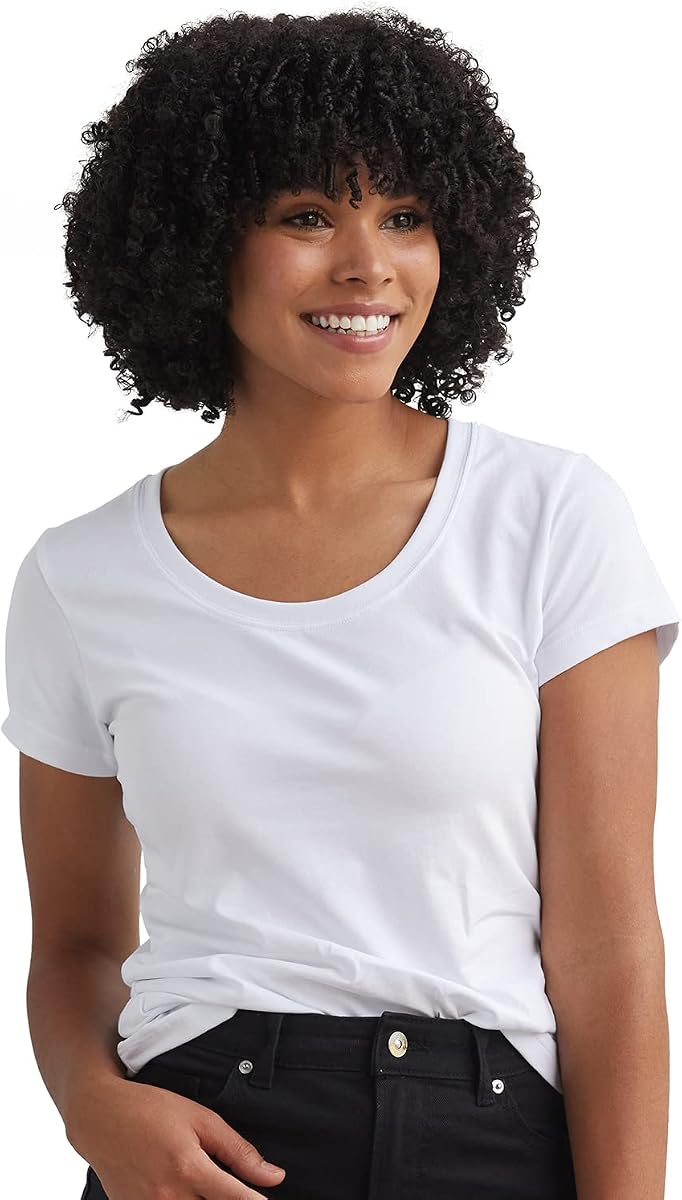
Fair Indigo, a woman-founded pioneer, focuses on the 'Gold Standard' of cotton: Peruvian Pima. This box-cut tee provides a modern silhouette that works for all body types, ensuring that sustainable fashion is inclusive fashion.
Shop Fair Indigo Box-Cut Tee- Pros
- ✅ Long-staple Pima cotton prevents pilling.
- ✅ Oeko-Tex certified non-toxic dyes.
- ✅ Fair trade wages that are 2x the local minimum.
- Cons
- ⚠️ Limited color palette focuses on neutrals.
- ⚠️ Box-cut may be too roomy for those preferring a slim fit.
4. The B-Corp Trailblazer: Maggie's Organics Classic Tee

Maggie’s Organics is the bedrock of the ethical fashion community. As a woman-owned B Corp, they have set the 2026 standard for supply chain transparency, working directly with cooperatives in Nicaragua and India. Their classic tee is the essential building block for any conscious wardrobe.
Shop Maggie's Organics- Pros
- ✅ GOTS certified from seed to finished garment.
- ✅ PETA-Approved Vegan.
- ✅ Highly affordable for the quality of organic fiber.
- Cons
- ⚠️ Classic fit is very traditional; consider sizing down for a modern look.
How to choose your 2026 ethical wardrobe
- 🌱 Prioritize Soil Health: Choose GOTS-certified organic cotton to ensure no synthetic pesticides are depleting the land of BIPOC farming communities.
- ⚖️ Verify Living Wages: Look for the Fair Trade USA or Fair Wear Foundation seal to ensure the humans behind the seams are paid a dignified wage.
- ♻️ Embrace Upcycling: In 2026, the 'newest' clothes are made from the 'oldest' textiles. Upcycled silk and cotton reduce the need for virgin resource extraction.
- 📦 Check Packaging: BIPOC-led brands often lead in plastic-free shipping; look for compostable or fiber-based mailers.
- 💰 Invest in Quality: High-density knits (over 180 GSM) last longer, reducing your total carbon footprint over time.
Frequently Asked Questions
Why is BIPOC ownership important in sustainable fashion?
Historically, the fashion industry has extracted labor and resources from BIPOC communities while concentrating profits in the Global North. Supporting BIPOC-owned brands ensures that wealth and decision-making power stay within the communities that hold the generational knowledge of textile production.
Are these brands truly climate-positive?
Brands like Malkha and Maggie's Organics use low-impact processing (like hand-weaving or renewable-energy-powered factories) that significantly reduces carbon output compared to standard retail brands. While 'carbon neutral' is the goal, these brands focus on 'Carbon Handprints'—the positive impact they have on soil and social structures.
Does 'Fair Trade' mean the clothes are more expensive?
While the upfront cost can be higher than fast-fashion prices, brands like Pact and Maggie's Organics prove that basics can be affordable ($20-$40) while still paying living wages. The price reflects the true cost of labor and environmental stewardship.
How do I care for hand-loomed Khadi or upcycled silk?
To maximize longevity in 2026, we recommend 'cold-wash, line-dry.' Hand-loomed fabrics like Khadi benefit from air drying, which preserves the natural strength of the fibers, and upcycled silk should be spot-cleaned or hand-washed with pH-neutral soap.
Final Verdict
As we navigate 2026, fashion is becoming a tool for advocacy. Choosing the Malkha Nomad Joggers or a Rare & Fair Kantha Jacket isn't just a style choice; it's a vote for a decentralized, equitable future. If you are just starting your journey, the Maggie's Organics Classic Tee offers the best entry point for high-integrity, woman-owned basics that will last for years to come.