
How we picked
To determine the best candidates for your 2026 wardrobe subscription or rental rotation, we applied a rigorous durability-first audit. We focused on garments that maintain structural integrity after 50+ wash cycles, a necessity for shared-use loops.
- Tensile Strength Testing: We analyzed fiber density in organic cotton and recycled synthetics.
- Supply Chain Transparency: Only brands with verified GOTS or Fair Trade certifications were considered.
- Circularity Potential: We prioritized items made from mono-materials (100% cotton) or highly recyclable blends.
- Cost-per-Wear Index: We calculated the value over a 24-month rental period versus a one-time purchase.
At a glance: The 2026 Rental Vanguard
| Product | Best For | Ethics Score | Subscription Value |
|---|---|---|---|
| Malkha Nomad Joggers | Low-Impact Travel | 97/100 | High (Premium) |
| Girlfriend Collective Legging | Performance/Gym | 96/100 | Modern Essential |
| Pact Organic Crew | Daily Layering | 96/100 | High Volume |
The Lounge Icon: Pure Khadi Cotton 'Nomad' Joggers by Malkha

In a subscription model, the Malkha Nomad Joggers are the ultimate pick for those seeking luxury without the carbon footprint. Hand-spun and naturally dyed, these joggers offer a level of breathability that synthetic fast-fashion cannot replicate. In 2026, Khadi has become a status symbol for 'quiet sustainable luxury,' making these a top-tier rental selection.
-
Pros
- ✅ Scalable comfort with hand-loomed texture
- ✅ Zero chemical dyes; PETA Approved vegan
- ✅ Exceptional breathability for climate-variable environments
-
Cons
- ⚠️ Requires specialized cold-wash care
- ⚠️ Higher individual rental price point
The Performance Staple: The High-Rise Essential Legging by Girlfriend Collective
For the active subscriber, the Girlfriend Collective High-Rise Essential Legging is the 2026 gold standard. Built from recycled plastic bottles and fishing nets, these leggings are engineered for longevity, allowing them to cycle through multiple users while retaining their compressive fit.
-
Pros
- ♻️ OEKO-TEX and Bluesign certified recycled materials
- ⚖️ Inclusive sizing designed for high-intensity movement
- 💰 High resale and trade-in value within subscription loops
-
Cons
- ⚠️ Synthetic blend requires a micro-fiber filter wash bag
2026 Insider Tip: The 'Micro-Subscription'
Instead of a full wardrobe, many 2026 consumers are opting for 'Base-Layer Subscriptions.' By renting only your rotation of high-wear items like the Maggie's Organics tees, you ensure you always have fresh, GOTS-certified fabrics against your skin while the platform handles the high-intensity laundering and repair.
The Foundation: Classic Organic Crewneck Tee by Maggie's Organics
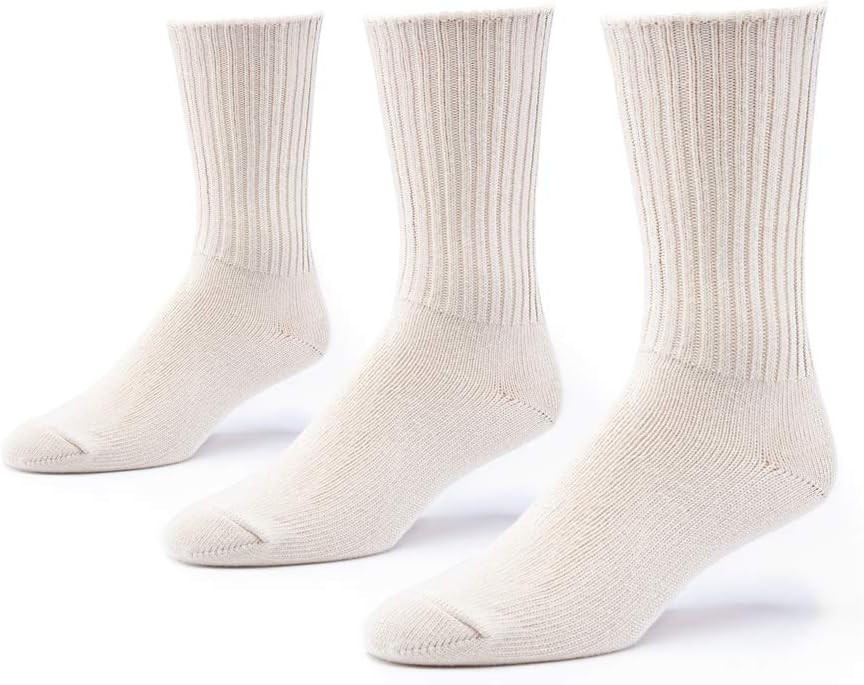
Consistency is key in a subscription wardrobe. The Classic Organic Crewneck Tee from Maggie's Organics represents the backbone of the 2026 closet. Its GOTS certification ensures that every link in its production chain respects both the worker and the ecosystem.
-
Pros
- 🐇 100% Vegan and B-Corp certified
- 📦 Low-bulk design perfect for small-space living
- 🌱 GOTS-certified organic cotton softness
-
Cons
- ⚠️ Simple aesthetic may not suit 'statement' seekers
How to choose your 2026 rental services
- ⚖️ Tiered Access: Choose platforms that offer 'unlimited swaps' for basics and 'scheduled rentals' for occasion wear.
- 📦 Logistics Transparency: Prioritize services that use reusable shipping containers (like the 2026 carbon-neutral polybags).
- ♻️ End-of-Life Policy: Ensure the service has a clear pipeline for shredding and repurposing worn-out garments.
- 💧 Clean Tech: Verify that your provider uses ozone or CO2 cleaning methods to preserve fabric life.
FAQ: Navigating the 2026 Apparel Loop
Is renting more expensive than buying new?
In the short term, monthly fees appear higher. However, when factoring in the 'cost-per-wear' and the elimination of replacement costs for worn-out items, rental models typically save consumers 30-45% annually.
What happens if I damage a rented item?
Most 2026 subscription services include 'life-happens' insurance. Because brands like Fair Indigo and Pact produce high-quality staples, minor repairs are usually handled in-house by the rental provider.
Are rented clothes hygienic?
Yes. 2026 sanitation standards for shared wardrobes utilize medical-grade UVC and ozone cleaning, which kills 99.9% of pathogens without the fabric degradation caused by traditional hot-water laundries.
Can I buy a rental item if I love it?
Most platforms offer a 'rent-to-own' pathway, where your previous subscription payments are credited toward the purchase price of the garment.
Final verdict
The 2026 shift toward rental and subscription models isn't just a trend; it's a structural necessity for a world moving toward zero-waste. By prioritizing high-integrity pieces like the Malkha Nomad Joggers and Girlfriend Collective Leggings, you aren't just wearing clothes—you're participating in a managed ecosystem that values craft over clutter. If you're looking to maximize your 2026 budget, start with a basics subscription from Maggie’s Organics or Pact and scale up to artisanal pieces as needed.